



Low FODMAP Diet for Bloating: Step-by-Step Relief

Digestive discomfort, especially bloating, can feel like a constant unwelcome guest, making everyday life a challenge. If you've found yourself searching for relief, you've likely come across the term "low FODMAP diet." It sounds specific, maybe even a little intimidating, but at its core, it's a science-backed approach designed to help identify food triggers and bring calm back to your gut. Our goal at Gourmend Foods is to guide you through this journey with clarity and confidence, ensuring you can still enjoy delicious, satisfying meals without the worry of digestive upset. This guide is crafted to demystify the low FODMAP diet for bloating, offering practical steps and insights.
We understand the frustration of trying countless remedies only to find temporary or no relief. The low FODMAP diet offers a structured path to understanding how certain carbohydrates might be affecting your digestive system. It’s not about permanent restriction, but rather a diagnostic tool to help you pinpoint what your body tolerates best. Think of it as a culinary detective mission, leading you back to a more comfortable and varied diet. Let’s start by understanding the basics.
What FODMAPs Are and Why They Cause Bloating
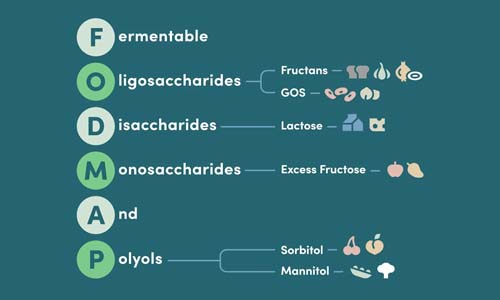
The term "FODMAP" is an acronym that stands for Fermentable Oligosaccharides, Disaccharides, Monosaccharides, and Polyols. These are short-chain carbohydrates that are poorly absorbed in the small intestine. Instead of being fully digested, they travel to the large intestine where they can cause trouble for sensitive individuals. Understanding these components is the first step in grasping why they can lead to symptoms like bloating, gas, abdominal pain, and changes in bowel habits.
The mechanism behind FODMAP-induced symptoms involves two main processes. First, these carbohydrates are osmotically active, meaning they draw water into the small intestine. This excess water can contribute to feelings of fullness and discomfort. Second, once these undigested carbohydrates reach the large intestine, they become fuel for gut bacteria. As these bacteria ferment the FODMAPs, they produce gases like hydrogen and methane. For individuals with sensitive guts, such as those with IBS, the increased water and gas can lead to significant bloating and distension. Research indicates that up to 80% of people with IBS may find relief through a low FODMAP diet, with many experiencing improvement in bloating and pain within a week, according to the Canadian Digestive Health Foundation (CDHF) and Gastroconsa.com.
The low FODMAP diet is particularly beneficial for individuals diagnosed with Irritable Bowel Syndrome (IBS), but its principles can also be helpful for those experiencing similar functional gut symptoms. This diet is typically recommended as a temporary, diagnostic tool under the guidance of a healthcare professional or a registered dietitian, rather than a lifelong eating pattern. Its success lies in its structured approach to identifying specific carbohydrate triggers. While many foods are naturally high in FODMAPs, understanding which ones cause issues for you personally allows for a more tailored and sustainable dietary approach, helping to manage symptoms like bloating effectively.
FODMAPs are types of carbohydrates that are poorly absorbed in the gut, leading to water retention and gas production by gut bacteria. This can cause bloating, pain, and changes in bowel habits, particularly for individuals with IBS or other functional digestive disorders. The diet involves a structured elimination and reintroduction process to identify personal trigger foods.
The Three Phases of a Low FODMAP Diet

Successfully navigating the low FODMAP diet for bloating requires a structured, phased approach. This isn't about eliminating entire food groups permanently; it's a systematic process designed to identify your specific triggers and reintroduce variety back into your diet. The journey typically involves three distinct stages: strict elimination, structured reintroduction, and personalization. Each phase serves a specific purpose in helping you achieve lasting symptom relief while maintaining a varied and enjoyable diet. Patience and careful adherence are key.
The first phase is the strict elimination period, which usually lasts between 2-6 weeks. During this time, you'll significantly reduce your intake of all high-FODMAP foods. The goal is to calm your digestive system and reduce symptoms like bloating, gas, and pain to a baseline level. Meticulous symptom tracking during this phase is essential. Keeping a detailed food and symptom diary. Noting what you eat, when you eat it, portion sizes, and any digestive reactions. Is invaluable. This diary provides objective data to guide the subsequent phases. While this phase can feel restrictive, it's temporary and necessary for setting the stage for reintroduction. Consulting resources like the FODMAP Friendly app is highly recommended, as they provide up-to-date, evidence-based guidance on safe food choices and portion sizes during this elimination period.
Following the elimination phase comes the structured reintroduction phase, which is perhaps the most important for long-term success. Once your symptoms have stabilized, you will systematically reintroduce specific FODMAP groups one at a time. This is done in a controlled manner, often starting with smaller portions and gradually increasing them over 2-3 days per FODMAP type (e.g., Oligosaccharides like Fructans, then Galactans, then Lactose, then Fructose, then Polyols). The purpose is to determine which specific FODMAP groups trigger your symptoms and at what quantities. This phase requires careful planning and continued symptom tracking. The final phase is personalization, where you integrate your findings to create a sustainable, long-term diet. You'll reintroduce tolerated FODMAPs, understand your personal threshold for trigger foods, and aim to include as wide a variety of foods as possible while managing your symptoms. This personalized approach allows for greater dietary diversity and helps manage symptoms.
Navigating Serving Sizes and Hidden Triggers
One of the most common challenges when adopting a low fodmap diet for bloating is understanding serving sizes and why some foods labeled as “safe” still provoke symptoms. You might find that popular low FODMAP foods like oats, rice, eggs, or even blueberries cause uncomfortable bloating despite being officially approved by trusted sources such as FODMAP Friendly. This apparent contradiction often stems from factors like portion size, cumulative FODMAP intake, and individual sensitivity thresholds. The science behind FODMAP tolerance shows that it isn’t simply a matter of a food being low or high FODMAP; it also depends on how much of that food you consume and how your gut reacts to the total FODMAP load throughout the day.
FODMAP Friendly, the pioneering institution behind the low FODMAP diet, provides detailed thresholds that distinguish between “safe” serving sizes and portions that may trigger symptoms. For example, a small serving of garlic-infused oil is considered low FODMAP because the fructans are not water-soluble and thus do not reach the colon. Conversely, eating garlic bulbs, even in small amounts, can cause fermentation and bloating. Their ongoing testing, updated regularly in the FODMAP Friendly app, assigns green, yellow, or red indicators to foods based on specific portion sizes. These thresholds help guide your choices but require careful attention to detail. Exceeding the recommended serving size can push a food from low to high FODMAP, leading to symptoms. Additionally, eating multiple low FODMAP foods together can add up, producing a cumulative effect that overwhelms your gut’s tolerance.
Individual variability further complicates this picture. Some people tolerate moderate amounts of certain FODMAPs, while others react to trace amounts. This variability underscores why the low FODMAP diet is not a one-size-fits-all prescription but a personalized approach. Symptom tracking during the elimination and reintroduction phases is essential to determine your thresholds for specific foods and serving sizes. Using tools like a detailed food diary, combined with resources like the FODMAP Friendly app, provides clarity. It allows you to monitor how your body responds not only to individual foods but also to combinations and total daily intake. Recognizing these nuances prevents unnecessary restriction of foods that you might actually tolerate in reasonable amounts.
Additionally, some health conditions exhibit symptoms similar to FODMAP sensitivity but require different treatment approaches. Conditions such as Small Intestinal Bacterial Overgrowth (SIBO), endometriosis, fibroids, and bile acid malabsorption can mimic bloating and abdominal discomfort seen in IBS patients. For example, SIBO involves excessive bacteria in the small intestine that ferment carbohydrates prematurely, causing bloating that may not respond predictably to the low FODMAP diet alone. Similarly, endometriosis and fibroids cause pelvic pain and bloating due to hormonal and structural factors unrelated to carbohydrate fermentation. These overlapping conditions emphasize the importance of seeking proper diagnosis before or alongside dietary changes.
Working with healthcare professionals who understand these distinctions ensures that your treatment plan addresses the root cause of symptoms. While the low FODMAP diet is effective for many, it is not a universal solution for all bloating and digestive discomfort. Recognizing when symptoms persist despite strict adherence to the diet can prompt further investigation into other possible causes. This perspective helps avoid frustration and supports a more targeted approach to symptom relief.
| Aspect | Low FODMAP Diet Considerations | Conditions Mimicking FODMAP Sensitivity |
|---|---|---|
| Primary Cause | Fermentation of short-chain carbohydrates causing gas and water retention | Non-FODMAP sources like bacterial overgrowth, hormonal factors, or bile acid issues |
| Symptom Pattern | Symptoms vary with specific foods and amounts | Symptoms often persistent or unrelated to diet changes |
| Response to Diet | Improvement typically within 1 week to 6 weeks of elimination (per Cleveland Clinic) | May show limited or no improvement with low FODMAP diet alone |
| Diagnostic Approach | Systematic elimination and reintroduction phases guided by symptom tracking | Requires medical tests such as breath tests, imaging, or gynecological evaluation |
| Management | Personalized diet based on tolerance and thresholds | Medical or surgical interventions in addition to symptom management |
As you adopt the low FODMAP diet for bloating, consider how seasoning and flavoring choices impact your experience. Traditional blends often contain garlic and onion bulbs, which are high FODMAP and can trigger symptoms even in small amounts. For a reliable, delicious alternative, the Low FODMAP Taco Seasoning offers a carefully crafted blend using garlic scape and green onion powders. These ingredients provide the familiar depth of flavor without the digestive triggers associated with onions and garlic bulbs. Sourced from single-origin spices like hand-picked cumin from the Hindu Kush mountains and black lime from a family farm in Guatemala, this seasoning maintains gourmet quality while supporting your gut health. Priced thoughtfully at $14.99 per container, it is an excellent pantry staple for anyone following a sensitive diet.
Integrating such certified low FODMAP products can help maintain variety and enjoyment in your meals, minimizing the feeling of restriction. The Low FODMAP Taco Seasoning is also free from fillers, preservatives, GMOs, gluten, and sugar, aligning with clean-label values that many digestive health-conscious consumers appreciate. Using thoughtfully developed seasonings like this not only supports symptom management but also encourages culinary creativity, which is key to long-term adherence and satisfaction on the diet.
Cooking Flavorful Meals Without Garlic or Onion
The challenge of flavor substitution in everyday cooking
Garlic and onion form the backbone of flavor in countless recipes, providing depth, aroma, and a savory foundation that many cooks rely on. For those adopting a low FODMAP diet for bloating, eliminating these staples can feel like a major sacrifice that threatens the enjoyment of meals. The challenge lies in the fact that garlic and onions contain high levels of fructans, a FODMAP subgroup notorious for triggering digestive symptoms. Simply removing them without a thoughtful replacement often results in bland dishes that fail to satisfy culinary expectations or the desire for comforting, flavorful meals.
This loss can lead to frustration and sometimes abandonment of the diet, despite its benefits. The key is to find alternatives that replicate the umami and aromatic qualities without introducing FODMAP triggers. This requires creativity and an understanding of how certain low FODMAP ingredients can deliver similar taste profiles. It also means moving beyond traditional seasoning habits and embracing new pantry essentials designed to keep meals exciting and gut-friendly.
Low FODMAP alternatives that actually work
Several low FODMAP ingredients provide onion- and garlic-like flavors without the fermentable carbohydrates that cause bloating. These include chive sprigs, scallion greens, and garlic scapes. Unlike their bulb counterparts, these green parts contain minimal fructans and are generally well-tolerated by individuals sensitive to FODMAPs. Chives offer a mild onion aroma with a fresh, grassy note, while scallion greens contribute a subtle sharpness. Garlic scapes, the flower stalks of garlic plants, carry a gentle garlic essence that enhances dishes without triggering symptoms.
Incorporating these ingredients into your cooking helps maintain the complexity and savoriness often lost when cutting out garlic and onions. For example, sautéing scallion greens in olive oil can provide a flavorful base for soups, stir-fries, and sauces. Chive sprigs can be finely chopped and added as a finishing herb to salads or roasted vegetables, delivering a burst of mild pungency. Garlic scape powder, available in clean-label seasoning blends, offers a concentrated garlic flavor that integrates well into spice mixes and marinades.
A standout example is the Low FODMAP Taco Seasoning, which uses garlic scape and green onion powders instead of traditional garlic and onion bulbs. This blend combines hand-picked cumin from the Hindu Kush mountains, coriander from Vietnam’s Red River, and black lime from Guatemala, delivering a gourmet profile without digestive disruption. The seasoning is free from fillers, preservatives, GMOs, gluten, and sugar, making it a clean-label, gut-friendly choice priced at $14.99 per container. Its depth of flavor proves that eliminating high FODMAP ingredients does not mean compromising on taste.
Building a low FODMAP pantry for consistent results
Establishing a low FODMAP pantry equips you to prepare flavorful meals without last-minute compromises. Shelf-stable, FODMAP Friendly certified broths. Like organic chicken and beef bone broths. Serve as excellent bases that add umami and richness to soups, stews, and sauces. These broths use free-range bones simmered for 12 to 24 hours to extract collagen and depth, enhanced by umami-rich ingredients like nori seaweed and oyster mushrooms. Using such broths reduces the reliance on onion and garlic as flavor sources while supporting digestion.
Stocking up on specialized seasonings, such as the Low FODMAP Taco Seasoning, ensures you have ready-to-use blends that maintain complexity in your dishes without the risk of triggering symptoms. Alongside these, fresh herbs like parsley, basil, thyme, and rosemary contribute aromatic layers, while spices like smoked paprika, turmeric, and cumin provide earthiness and warmth. Combining these elements in your cooking encourages culinary creativity and supports adherence to the diet by preventing flavor fatigue.
Relying on trusted, clean-label products with transparent ingredient lists helps avoid hidden FODMAPs often found in pre-made seasoning mixes and sauces. Consistency in flavor and digestive comfort builds confidence in your food choices, making the low FODMAP diet for bloating more sustainable over time. This approach reframes the diet from a limitation to an opportunity to explore new flavor dimensions, keeping mealtime enjoyable and gut-friendly.
Pros and Cons of Using Low FODMAP Flavor Substitutions
Pros
- Maintains rich, savory flavors without digestive triggers
- Supports long-term adherence to low FODMAP diet
- Encourages culinary creativity with new ingredients
- Uses clean-label, certified products ensuring ingredient transparency
- Reduces bloating and abdominal discomfort associated with garlic and onion
Cons
- Some substitutions may have a milder flavor profile than traditional garlic or onion
- Requires adjustment period to learn new cooking techniques and ingredient uses
- Specialty products like Low FODMAP Taco Seasoning may have a higher upfront cost
- Availability of fresh garlic scapes or scallion greens can vary seasonally or regionally