



Low FODMAP Diet Foods: The Ultimate List

low fodmap diet foods
Starting a low FODMAP plan is less about memorizing a long list and more about learning which foods and portions suit you. This guide covers common low FODMAP diet foods, label-reading clues, serving-size basics, and ways to build satisfying meals with broths and allium-free seasonings.
Key Takeaways
- Success on a low FODMAP plan depends on finding your personal tolerance for specific foods and portions rather than memorizing a universal safe list.
- Careful label reading helps you spot hidden triggers like garlic, onion, and wheat derivatives that often appear in packaged foods under unfamiliar ingredient names.
- Serving size determines whether a food stays low FODMAP, since many ingredients only become problematic when eaten in larger amounts.
- Low FODMAP broths and allium-free seasonings allow you to build deeply flavored, satisfying meals without relying on garlic or onion.
My own digestive challenges shaped Gourmend Foods’ food-first approach. Careful ingredient choices should make cooking more manageable, not turn dinner into a source of anxiety. 🐓💚
What are low FODMAP diet foods?
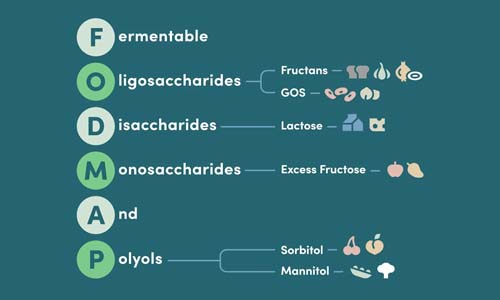
Low FODMAP diet foods contain smaller amounts of fermentable carbohydrates that can draw water into the intestine or ferment in the gut. FODMAP stands for fermentable oligosaccharides, disaccharides, monosaccharides, and polyols. These carbohydrates occur naturally in many fruits, vegetables, grains, nuts, legumes, and dairy products, according to Monash University.
The approach usually has three stages: a short elimination phase, systematic reintroduction, and long-term personalization. Elimination commonly lasts two to six weeks. Reintroduction often takes six to eight weeks, according to Oshi Health. The goal is not to remove every high-FODMAP food permanently. It is to learn which foods, portions, and combinations work for you.
A list of low FODMAP foods may include eggs, chicken, fish, firm tofu, rice, oats, quinoa, sourdough spelt bread, carrots, bell peppers, spinach, zucchini, grapes, oranges, kiwi, and strawberries. Serving size still matters. A food tolerated in a modest portion may feel different in a larger serving or alongside several other fermentable foods.
Key insight: “Low FODMAP” describes a portion and preparation context, not a permanent good-food or bad-food label. Packaged items need careful label reading. Check for allium powders, wheat-based ingredients, honey, high-fructose corn syrup, inulin, chicory root, and sugar alcohols such as sorbitol or mannitol. Gluten-free does not automatically mean low FODMAP.
How can low FODMAP foods help with meal planning?

A structured low FODMAP plan can replace guesswork with a repeatable method. Record the food, portion, preparation, timing, and symptoms. That information may help you spot patterns involving lactose, excess fructose, fructans, galacto-oligosaccharides, or polyols.
Research summarized by Gastroenterology Consultants of San Antonio reports that 75% of people with IBS feel better on a low FODMAP diet. That figure does not mean the approach suits everyone. A registered dietitian can help you maintain adequate fiber, calcium, iron, protein, and variety while testing foods.
Flavor deserves a place in the plan, too. Rice with grilled chicken, sautéed spinach, and a measured seasoning blend makes a dependable weeknight meal. Gourmend’s Low FODMAP Taco Seasoning uses garlic scape and green onion powders to bring savory depth to tacos, roasted vegetables, rice bowls, and ground meat without relying on conventional allium powders.
The blend includes chile powder from a small New Mexico grower, cumin from the Hindu Kush mountains, coriander from Vietnam’s Red River region, and black lime from a family farm in Guatemala. It contains no fillers, corn starch, natural flavors, sugar, or preservatives, and it is FODMAP Friendly Certified.
Keep familiar meals available during testing. If a challenge food causes symptoms, return to your baseline meals and discuss the next step with a healthcare professional.
How do you choose low FODMAP diet foods?
Start with foods you enjoy, then check their tested serving sizes. A useful list of low FODMAP foods can include plain eggs, chicken, fish, firm tofu, rice, oats, quinoa, potatoes, carrots, bell peppers, spinach, zucchini, oranges, kiwi, grapes, and strawberries. Choose several options from each group so meals include protein, carbohydrates, produce, and a satisfying source of fat.
Portion size can change the FODMAP load of a meal. Use a reliable database, such as Monash University’s information, when checking produce, grains, legumes, dairy, and packaged foods. Write down the amount and cooking method. A food journal turns broad fodmap foods to avoid lists into personal information you can use.
Read labels on sauces, marinades, broths, spice mixes, snack bars, and dairy-free products. Look for allium powders, wheat, honey, high-fructose corn syrup, inulin, chicory root, and sugar alcohols such as sorbitol, mannitol, and xylitol. Plain ingredients are often easier to assess. Add flavor with herbs, citrus, infused oils, chive sprigs, green leek tops, garlic-chive stems, or a certified seasoning blend.
During reintroduction, challenge one FODMAP category at a time and keep the rest of the meal familiar. If a trial causes symptoms, return to comfortable foods before trying another challenge. A registered dietitian can help protect fiber, calcium, iron, and overall dietary variety during this phase.
Simple beats complicated. A short rotation of trusted meals gives you a steady base while you learn what belongs in your long-term pattern.
References
low FODMAP diet. PubMed
Frequently Asked Questions
What is the low FODMAP diet, and how does it work?
The low FODMAP diet is a short-term, structured process for identifying whether certain fermentable carbohydrates contribute to digestive symptoms. It generally includes an elimination period, guided food challenges, and a personalized maintenance pattern. The goal is not to avoid every high-FODMAP food forever. A registered dietitian can help organize testing, interpret symptoms, and maintain adequate fiber, calcium, iron, and protein.
What foods are low in FODMAPs?
Common choices include unseasoned meat, poultry, fish, eggs, firm tofu, rice, oats, quinoa, potatoes, carrots, bell peppers, spinach, zucchini, kiwi, oranges, grapes, and strawberries. Tolerance depends on serving size, preparation, and the rest of the meal. For the most current serving guidance, consult Monash University’s FODMAP information rather than relying on an unrestricted list.
Which vegetables are high in FODMAPs?
Common higher-FODMAP vegetables and ingredients include onion, garlic, cauliflower, mushrooms, asparagus, and larger servings of legumes. The category and portion both matter, so “avoid” is not always a permanent instruction. Garlic-infused oil can add flavor without transferring the water-soluble carbohydrates found in whole garlic. Green onion tops, chives, herbs, citrus, and carefully selected seasoning blends can also help replace allium flavor.
How long should the elimination phase last?
Elimination commonly lasts two to six weeks, according to Oshi Health. Staying highly restrictive beyond the planned period may reduce dietary variety and make nutritional balance harder. If symptoms do not improve, consult a healthcare professional instead of continuing to remove foods independently.
How do I reintroduce FODMAP foods?
Choose one FODMAP category, use a measured test food, and keep the rest of the meal familiar. Increase the test portion according to professional guidance while recording symptoms, timing, and bowel changes. Reintroduction often lasts six to eight weeks. A setback does not erase your progress: return to comfortable meals, allow symptoms to settle, and discuss the next challenge with a registered dietitian.