



The Complete Guide to Low Fodmap Diet Cheese

low fodmap diet cheese
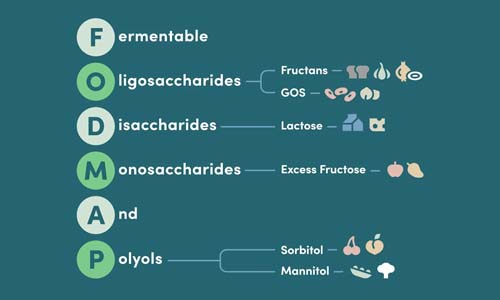
If cheese has become confusing on a low FODMAP plan, lactose. Not all dairy. Is usually the deciding factor. Many aged, firm cheeses contain very little lactose, while softer, fresher varieties may call for smaller portions. This guide to low fodmap diet cheese covers serving sizes, label details, and practical ways to use cheese in flavorful meals.
Key Takeaways
- Lactose content determines whether a specific cheese is suitable for a low FODMAP eating plan.
- Aged and firm cheese varieties generally contain minimal lactose compared to softer options.
- Reading nutrition labels helps identify safe serving sizes for fresh and creamy cheeses.
- Incorporating small amounts of certain cheeses adds flavor without triggering digestive symptoms.
Start with a modest serving and consider the full plate. Aged cheddar on a baked potato, feta over a salad, or Parmesan stirred into broth can add savory depth alongside chive sprigs, garlic-chive stems, herbs, and other low FODMAP seasonings.
What is low fodmap diet cheese?
Low fodmap diet cheese is cheese with little enough lactose to fit a tested serving within a low FODMAP eating pattern. Lactose is the main FODMAP found in dairy cheese. During cheesemaking, much of the lactose leaves with the whey, and bacterial cultures break down more of it as the cheese ages.
Firm, aged cheeses such as cheddar, Swiss, Parmesan, and Manchego are often easier to fit into a low FODMAP meal than fresh cheese. Draining, fermentation, and aging reduce lactose, while moisture-rich products may retain more. Testing guidance can vary, so check a reliable FODMAP resource for the specific cheese and serving.
Key insight: Texture offers a useful starting clue, but the label and portion matter too. Plain cheese may be suitable while a flavored version contains honey, fruit preparations, or seasonings that change its FODMAP profile.
Choose cheese for the job it needs to do. Hard cheese melts into polenta or pasta, crumbly cheese finishes roasted vegetables, and a small amount of creamier cheese adds body to a sauce. Build the rest of the meal with measured dairy, protein, herbs, spices, and ingredients you already know you tolerate.
How can low fodmap diet cheese add flavor?

Cheese contributes salt, fat, acidity, and umami, so a small amount can give a simple meal a finished taste. Aged cheddar sharpens a rice bowl, Parmesan deepens soup, and feta adds a tangy finish to potatoes or greens. These uses make low fodmap diet cheese a practical tool for cooks building flavor without traditional allium ingredients.
Pair a tolerated cheese with rice, eggs, meat, seafood, firm tofu, or low FODMAP vegetables. Fresh herbs, infused oils, chive sprigs, and carefully selected seasonings bring more character without asking cheese to do all the work. Gourmend’s low FODMAP seasonings can season a cheese-topped taco bowl while keeping the ingredient list clear.
Richness still needs a sensible limit. Lactose can add up when cheese appears with milk, ice cream, or a cream sauce, even if each ingredient seems manageable alone. During elimination or reintroduction, change one variable at a time and keep a short record of the serving, meal, and response.
There is no single best cheese for IBS. Aged varieties are often a useful starting point because they tend to contain little lactose, but personal tolerance, portion size, fat content, and the rest of the meal all affect the experience. If symptoms remain difficult to interpret, ask a registered dietitian for help.
For a taco bowl, season ground beef, chicken, roasted potatoes, or a vegetarian filling with Low FODMAP Taco Seasoning, then add a measured sprinkle of tolerated cheddar or feta. The spice blend supplies layered flavor, while the cheese adds salt and creaminess. A few deliberate ingredients can make the dish feel complete.
How to choose low fodmap diet cheese
Choose the cheese style first, then confirm the tested serving. Firm, aged varieties such as cheddar, Swiss, Parmesan, and Manchego generally contain less lactose because whey is drained and cultures consume much of the remaining milk sugar. Fresh products retain more moisture and may need smaller portions. A plain aged cheddar may fit the plan, but a larger serving or a meal with several dairy foods can change the total lactose load.
Read the ingredient panel instead of judging by the cheese name alone. Plain cheese often has a short list of milk, salt, cultures, and enzymes. Flavored products may contain honey, fruit, wheat-based additives, or seasonings that affect suitability. Soft spreads and processed cheeses deserve extra label attention because their added ingredients can vary by product.
Shopping checkpoint: Start with plain cheese, identify the tested serving, and introduce one variety at a time. A simple food record can help distinguish a response to lactose from one linked to a seasoning, sauce, wheat, or the overall meal.
Match the cheese to the recipe. Parmesan and Pecorino bring concentrated salt and umami to soup, risotto, eggs, and roasted vegetables. Cheddar melts over potatoes, rice bowls, and casseroles. Feta offers a salty finish for salads and grain bowls, while mozzarella can work in a measured serving with low FODMAP ingredients. The right question is not only which cheese you choose, but how much goes into the finished dish.
Season the filling as carefully as you inspect the cheese. Traditional spice blends may contain allium powders even when the dairy topping is plain. The Organic Garlic Chive Salt uses a low FODMAP garlic alternative and can add savory flavor alongside a measured portion of cheese.
Low FODMAP Taco Seasoning is made without allium bulbs, gluten, fillers, corn starch, natural flavors, sugar, or preservatives. It is FODMAP Friendly Certified. Use it with cheddar, feta, or another tolerated cheese, then add rice, corn tortillas, meat, firm tofu, or suitable vegetables. Keeping the seasoning and cheese portions distinct makes the meal easier to assess.
Frequently Asked Questions
Is cottage cheese low FODMAP?
Cottage cheese can be suitable in a measured serving, but it usually contains more lactose than firm, aged cheese. Check the serving guidance for the specific product and consider lactose-free cottage cheese if recommended by your dietitian. Plain cottage cheese is easier to assess than versions with fruit, honey, onion, garlic, or added flavorings. Test it on its own or with a simple meal so you can identify your personal response.
Is mozzarella cheese low FODMAP?
Fresh mozzarella may fit a low FODMAP plan in a tested portion, though tolerance depends on the amount and the rest of the meal. Large servings can contribute more lactose than a small topping on pizza, eggs, or a rice bowl. Shredded products may also contain added ingredients, so read the label carefully. If you are asking whether mozzarella cheese is good for IBS, consider both lactose and the dish’s total fat, wheat, and seasoning content.
Is Philadelphia cream cheese low FODMAP?
Cream cheese is a fresh dairy product, so portion size matters more than it does with many aged cheeses. Check current testing guidance and inspect the ingredient list for milk solids, sweeteners, fruit, garlic, or onion. A small amount may work for some people, while a larger serving can provide more lactose than they comfortably tolerate.
How can I add cheese to tacos without onion or garlic?
Use a modest amount of a tolerated cheese, such as cheddar or feta, and season the filling separately. Low FODMAP Taco Seasoning can season meat, firm tofu, or roasted vegetables before you add cheese. The Low FODMAP Taco Seasoning is certified low FODMAP for IBS and digestive conditions, giving you a clearly identified seasoning choice while you monitor portions and ingredients.
What if cheese still causes symptoms?
Pause the suspected variety and record the serving, meal ingredients, timing, and symptoms. Reactions may relate to lactose, fat, a flavored coating, or another ingredient in the dish. A registered dietitian can help plan structured reintroduction and identify suitable alternatives without unnecessarily removing every dairy food.