



Low FODMAP Cereals: Dietitian Guide to Cheerios, Safe Brands, and Portions

low fodmap cereals
Choosing low FODMAP cereals means checking the grain, sweeteners, serving size, and added fibers. A cereal can look plain while containing chicory root, inulin, honey, or concentrated fruit ingredients that may not suit the elimination phase.
This guide focuses on label reading, measured portions, and breakfast combinations. Milk, fruit, and toppings can contribute their own FODMAP load, so the whole bowl matters as much as the cereal.
Navigating the Cereal Aisle: Your Low FODMAP Guide
The Challenge of Breakfast Cereals on a Low FODMAP Diet
Familiar names do not guarantee a suitable formula. Two cereals made with a similar grain may differ in honey, wheat-based ingredients, dried fruit, sweeteners, or added prebiotic fiber. Package serving sizes may also be smaller than a typical bowl, making it easy to exceed the amount tested for FODMAP tolerance. Oats, rice, and corn may fit a low FODMAP pattern at measured portions, but the complete ingredient panel and quantity eaten still matter.
Why This Guide Is Different: Beyond Basic Lists
A safe-or-unsafe list cannot account for personal tolerance, regional formulas, or breakfast combinations. Monash University testing uses defined portions, so weighing cereal or using a level cup offers more reliable guidance than filling a bowl by eye. A structured elimination phase should be individualized with a registered dietitian, especially when fiber intake, constipation, or restricted food variety is a concern. Research summarized by the IBS Dietitian reports that roughly 70% of people with IBS report symptom improvement after removing high FODMAP triggers with structured guidance. Read the dietitian’s cereal guidance.
Understanding FODMAPs in Cereals: Grains, Sweeteners, and Additives
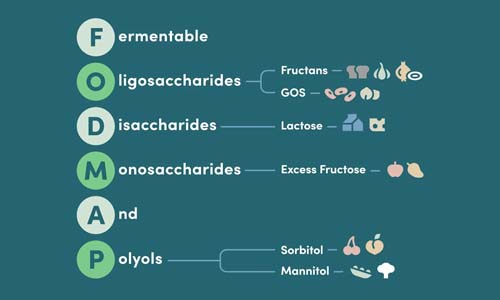
FODMAPs in cereal commonly come from fructans and galacto-oligosaccharides in certain grains, excess fructose in honey or high-fructose ingredients, lactose in milk powder, and added fibers such as inulin. Sweet coatings, fruit pieces, syrups, and flavor blends can change the digestive profile. If you want savory flavor elsewhere in your routine, Low FODMAP Taco Seasoning is made with garlic scape and green onion powders instead of onion and garlic bulbs, offering a separate way to season eggs or potatoes without relying on cereal toppings.
Decoding the Labels: Spotting Safe & Unsafe Ingredients

The “Green Light” Grains: What to Look For
Rice and corn are useful starting points for a simple ingredient panel. Rolled oats are portion-dependent: Monash University data places 52 grams, about one-half cup uncooked, in the low FODMAP range, while portions above 78 grams contain moderate amounts of fructans and GOS. Quinoa can work in hot or puffed cereal applications when the product contains no problematic additions. Look for a short panel, a stated serving weight, and minimal sweetening.
The “Red Light” Ingredients to Avoid
During elimination, approach inulin and chicory root fiber with caution because both are concentrated sources of fructans. Honey can supply excess fructose, while high-fructose corn syrup may also be difficult for some people. Malt extract and wheat-based flavor components can add fructans even when the front label emphasizes rice or corn. These ingredients do not predict a reaction for every person, but they make portion guidance less straightforward.
Hidden FODMAPs in Plain Sight: Beyond the Obvious Culprits
Scan for milk powder, whey, dried fruit, apple or pear concentrate, agave, and fiber blends. A low-FODMAP grain may become harder to assess after several sweeteners and fruit ingredients are combined. Also inspect the bowl: regular dairy milk, some oat milks, large servings of stone fruit, and generous nut portions can add separate fermentable carbohydrates. Change one element at a time when testing tolerance.
FODMAP Friendly Certification: Your Trustworthy Shortcut
Official certification reduces label guesswork because the finished product has been assessed at a stated serving size. Treat the certification mark as a portion guide, not permission to eat unlimited amounts. Formulas can vary by country, and packaging may change, so confirm the mark and serving information on the current box. Gourmend’s Low FODMAP Taco Seasoning follows the same principle: its certified low FODMAP status is paired with a clear ingredient list.
Supermarket Label Checklist
- Identify the main grain and serving weight.
- Check for inulin, chicory root, honey, malt extract, and concentrated fruit.
- Look for milk-derived ingredients if lactose is a concern.
- Confirm certification and the tested portion on the current package.
- Measure the cereal before adding milk, fruit, or toppings.
Mainstream Staples: Cheerios, Special K, and Other Everyday Choices
Are Cheerios Low FODMAP? A Detailed Serving Size Breakdown
Original General Mills Cheerios can fit a low FODMAP breakfast at a standard 1-cup serving, approximately 28 to 30 grams, according to dietitian guidance based on Monash University testing. This applies to the plain original formula, not every flavored variety. Measure the cereal with a kitchen scale during elimination, since a large bowl can exceed the tested amount. Pair it with lactose-free milk or a suitable plant-based milk, then keep fruit toppings modest.
The Honey Nut Cheerios Trap: Why Sweeteners Matter
Honey Nut Cheerios require more caution because honey contributes excess fructose. An oat base may seem familiar, yet the sweet coating changes its FODMAP profile. The answer to “are honey nut cheerios low fodmap” is not interchangeable with the answer for original Cheerios. During elimination, choose the plain formula when possible and inspect the full ingredient panel after package changes. Honey, fruit concentrates, syrups, and added fibers can matter more than the product name.
Special K in the United States: Original Versus Other Varieties
Is Special K low FODMAP in the United States? The answer depends on the exact US formula and serving size. Original-style flakes often contain wheat, rice, or wheat gluten, so review the ingredient list during elimination. Flavored, fruit-filled, chocolate, and protein-focused versions may add honey, dried fruit, chicory root, inulin, or milk ingredients. International formulas can differ from US packaging, so approval reported for one country should not be applied automatically to another. Select a plain formula only when its current label and portion guidance fit your plan.
For anyone searching for the best cereal for IBS, simplicity is more useful than a familiar logo. A short ingredient panel, stated gram serving, and no concentrated prebiotic fiber make a box easier to assess. If wheat-based cereals cause concern, do not assume a small serving is automatically suitable. Discuss fiber tolerance and grain choices with a registered dietitian, particularly if constipation or a very restricted diet is present.
Corn Flakes, Crispix, and Other Popular Options: A Quick Scan
Plain corn flakes and crisped rice or corn cereals may be reasonable starting points when their labels avoid honey, chicory root, inulin, high-fructose corn syrup, and dried fruit. Crisp cereals can feel easy to portion, yet some people find them less satisfying than denser oats because hunger returns quickly. Check serving weight rather than judging the bowl by volume. A light cereal can still contain a meaningful carbohydrate load once the portion grows.
| Cereal choice | Practical check | Elimination-phase approach |
|---|---|---|
| Original Cheerios | About 1 cup, or 28 to 30 grams | Measure the plain formula and keep toppings simple |
| Honey Nut Cheerios | Honey contributes excess fructose | Do not treat it as equivalent to original Cheerios |
| US Special K formulas | Check wheat, fruit, honey, and added fibers | Assess the exact package, not an international version |
| Plain corn or crisped cereals | Review sweeteners and serving weight | Use a measured bowl and monitor fullness |
For savory eggs, potatoes, or a separate lunch preparation, Low FODMAP Taco Seasoning uses garlic scape and green onion powders instead of onion and garlic bulbs. Keeping that seasoning separate from the cereal bowl makes breakfast tolerance easier to track. Low FODMAP Taco Seasoning is also a certified low FODMAP option for adding savory character elsewhere in a meal plan.
Your Certified Low FODMAP Cereal Supermarket Shopping List
Top Picks: Monash University and FODMAP Friendly Certified Cereals
Certification is a practical shortcut during elimination because it applies to the finished cereal at a defined serving size, not only to individual ingredients. Look for the current Monash University or FODMAP Friendly mark, then check the package for tested weight and preparation instructions. Certification does not make a large bowl unlimited, and formulas can change, so compare the seal and ingredient panel each time you purchase a box. A certified rice, corn, or oat cereal can provide a dependable starting point, especially when breakfast symptoms have been difficult to trace.
Shopping List for the Cereal Aisle
- Certified cold cereal with a clearly stated serving weight
- Plain rolled oats or certified hot cereal without added chicory root or inulin
- Lactose-free milk or an unsweetened milk alternative that fits your tolerance
- Firm banana, blueberries, or strawberries for a measured fruit portion
- Pumpkin seeds, walnuts, or pecans in a modest serving
- A kitchen scale for checking grams during elimination
Beyond Certification: Analyzing Safely Formulated Supermarket Cereals
When a box lacks certification, assess the full formula rather than relying on a grain name or front-label claim. Favor a short ingredient list built around rice, corn, oats, or quinoa. Screen for inulin, chicory root fiber, honey, apple or pear concentrate, agave, dried fruit, milk powder, and wheat-based additions. A product may suit one person at a particular portion while remaining difficult to assess during elimination. Record the cereal, gram weight, milk, and toppings in a food log to separate a cereal response from lactose, excess fruit, or an oversized portion.
Hot Cereals: Oats, Quinoa, and Beyond, Portion Control Is Key
Rolled oats offer a filling hot breakfast when measured before cooking. Monash University data places 52 grams, approximately one-half cup uncooked, in the low FODMAP range; portions above 78 grams move into moderate fructan and GOS territory. Use the scale when possible, since cooked volume varies with water. Quinoa porridge can also work when the grain is plain and the serving remains moderate. Avoid adding several high-fiber ingredients at once. If hunger returns quickly with puffed cereal, choose a measured hot bowl with protein and fat from tolerated additions.
Building a Balanced Bowl: Milk and Topping Pairings
Build the bowl with one measured cereal serving, one tolerated milk, one modest fruit portion, and one optional protein or seed topping. Lactose-free dairy milk supplies creaminess without the lactose load found in regular milk. Check plant-based milk labels, since oat milk, sweeteners, and added fibers may change the FODMAP load. Choose one fruit rather than combining several, and keep nuts or seeds measured. A simple bowl is easier to evaluate than cereal, milk, fruit, granola, and multiple powders together.
For a savory alternative later in the day, Low FODMAP Taco Seasoning can season eggs or potatoes with garlic scape and green onion powders instead of onion and garlic bulbs. Keeping Low FODMAP Taco Seasoning separate from breakfast makes your cereal trial easier to track while adding flavor to the rest of your meal plan.
The most reliable dietitian-guided low FODMAP routine is measured, certified when possible, and built from a small number of ingredients. Once symptoms are steadier, a registered dietitian can guide systematic reintroductions so breakfast choices expand without unnecessary restriction.
Frequently Asked Questions
What is the best cereal for a low FODMAP diet?
Plain rice, corn, or oat cereals are the best low FODMAP choices, as long as the ingredient list is short and free of problem additives. Follow the tested portion size rather than the bowl you fill, and check every panel for added fibers and sweeteners such as inulin, chicory root, and honey.
Are Cheerios ok with IBS?
Original Cheerios can work for many people with IBS at a standard 1-cup serving, about 28 to 30 grams, according to dietitian guidance based on Monash University testing. Measure the cereal with a kitchen scale during elimination, and note that Honey Nut Cheerios are a different case because honey adds excess fructose.
Which Kellogg's cereals are low in FODMAP?
Suitability varies by formula, so no blanket answer covers the Kellogg's brand. Compare each ingredient panel for honey, high-fructose corn syrup, inulin, chicory root, malt extract, wheat-based components, and dried fruit, then confirm the tested serving size on the current package before adding it to your elimination phase.
Why am I constipated on a low FODMAP diet?
Constipation on a low FODMAP diet often comes from reduced fiber intake or a restricted variety of foods during the elimination phase. A registered dietitian can individualize your plan so you support regularity and fiber intake while still identifying which triggers are responsible for your symptoms.
How much oat cereal can I eat on a low FODMAP diet?
Low FODMAP oat portions sit at 52 grams, about one-half cup uncooked, according to Monash University data. Portions above 78 grams contain moderate amounts of fructans and GOS, so weigh oats with a kitchen scale instead of estimating by eye during the elimination phase.
What ingredients should I avoid in cereal on a low FODMAP diet?
Avoid inulin and chicory root fiber, which are concentrated sources of fructans, along with honey, high-fructose corn syrup, malt extract, and wheat-based flavor components. Also scan for milk powder, whey, dried fruit, apple or pear concentrate, and agave, since hidden additions can change a cereal's digestive profile.
What milk can I use with low FODMAP cereal?
Lactose-free milk or a suitable plant-based milk pairs best with low FODMAP cereal, because regular dairy milk adds lactose to the bowl. Some oat milks also contribute fermentable carbohydrates, so check labels, keep toppings modest, and change one element at a time when testing your tolerance.