



Low FODMAP Cake Recipes and Baking Tips

low fodmap cake
For many of us navigating life with digestive sensitivities, the idea of a truly satisfying cake can feel like a distant dream. The joy of a birthday celebration, a comforting afternoon treat, or a gourmet dessert often comes with the risk of discomfort. At Gourmend Foods, we believe that managing digestive health shouldn't mean sacrificing the pleasure of delicious food. Our mission is to help you savor bold, gourmet flavors without the worry, and that absolutely includes cake.
Key Takeaways
- People with digestive sensitivities can still enjoy delicious cakes when using low FODMAP ingredients.
- Celebrations and special occasions do not have to trigger digestive discomfort with the right recipes.
- Gourmend Foods provides solutions for enjoying gourmet flavors while managing digestive health.
- Finding satisfying dessert options is possible even when following a low FODMAP diet.
Baking a low FODMAP cake might seem daunting, especially when you’re faced with ingredient lists that can be confusing. But with a clear understanding of the building blocks and a few smart adaptations, you can create beautiful, flavorful cakes that are gentle on your system. We’re here to guide you through selecting the right ingredients, mastering essential techniques, and even offer some inspiration for classic flavors like chocolate and vanilla that will bring joy back to your dessert table.
The Building Blocks of a Low FODMAP Cake
Creating a delicious low FODMAP cake starts with a solid foundation of carefully chosen ingredients. The key is understanding which common baking staples are safe for a low FODMAP diet and in what quantities. This involves steering clear of high-FODMAP items like wheat flour, regular milk, and certain sweeteners, and instead opting for alternatives that are both gut-friendly and contribute positively to texture and flavor. Our approach is always flavor-first, ensuring that even these foundational ingredients deliver a delightful eating experience.
Safe Flours and Starches for Low FODMAP Baking
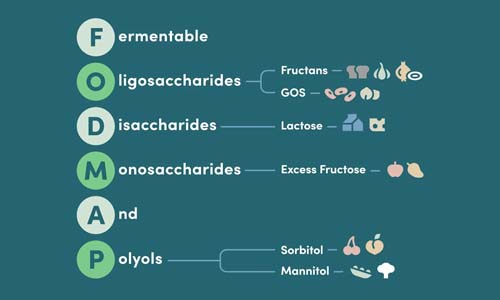
When crafting a low FODMAP cake, the choice of flour is paramount. Traditional wheat flour is high in fructans, a type of FODMAP, making it off-limits for many. Fortunately, a variety of gluten-free flours and starches can be used successfully. Rice flour, tapioca starch, and potato starch are excellent bases, providing structure without the digestive distress. For added depth and a slightly richer texture, consider gluten-free oat flour or almond flour. Monash University, the pioneers of the low FODMAP diet, provides extensive guidance on safe serving sizes for these ingredients. For example, almond flour is low FODMAP in servings of 1/4 cup, while gluten-free oat flour is typically safe in larger quantities. Combining these flours can create a more complex texture, mimicking the crumb of conventional cakes.
Beyond single flours, many commercially available gluten-free blends work well. When selecting a blend, look for one that prioritizes rice flour, tapioca starch, and potato starch, and is free from high-FODMAP ingredients like inulin, chicory root, or soy flour. Our own commitment to clean-label ingredients means we advocate for transparent sourcing, so you know exactly what you're baking with. Remember that the goal is a tender crumb, so avoid overmixing once your wet and dry ingredients are combined, which can toughen gluten-free baked goods.
Sweeteners and Dairy-Free Milk Alternatives
Sweeteners in low FODMAP baking require careful consideration. While granulated sugar (sucrose) and maple syrup are generally considered low FODMAP in moderate amounts, many other common sweeteners are high in FODMAPs. High-fructose corn syrup, honey, and agave nectar should be avoided. Stevia and erythritol are often well-tolerated, but it's always wise to check specific serving sizes and your personal tolerance. For a touch of natural sweetness that complements baked goods beautifully, pure maple syrup is an excellent choice.
Dairy-free milk alternatives are essential for low FODMAP cakes, as regular milk contains lactose. Lactose-free milk is an option, but for a truly dairy-free experience, plant-based milks are ideal. Almond milk and rice milk are typically low FODMAP and work well in most baking applications. Coconut milk from a can is high in FODMAPs due to its sorbitol content, but light coconut milk is usually safe in small servings. Soy milk made from soy protein (not whole soybeans) is also a good choice. Always check the ingredients list of your chosen milk alternative for added thickeners or sweeteners that might be high in FODMAPs.
Understanding FODMAP Stacking in Baked Goods
FODMAP stacking refers to the cumulative effect of consuming multiple low-FODMAP foods that contain different types of FODMAPs within a single meal or over a short period. Even if each individual ingredient in your cake is low in FODMAPs at a standard serving size, combining several of them could potentially push the total FODMAP load into a higher, symptom-triggering range. This is particularly relevant for baked goods, which often contain multiple components like flour, sweeteners, and flavorings.
Monash University provides guidelines for FODMAP stacking, suggesting that if you consume multiple foods containing the same type of FODMAP, you should reduce the serving size of each accordingly. For example, if your cake recipe includes almond flour (containing mannitol) and a small amount of a high-FODMAP fruit sweetener, the combined FODMAP load might be higher than expected. It’s also why understanding serving sizes is so critical. As per FODMAP Everyday, a typical low FODMAP serving of cake is often around 1/14th of an 8-inch round cake. This guidance helps ensure that your delicious creation remains a gentle option, allowing you to enjoy it without concern.
Mastering the Low FODMAP Chocolate and Vanilla Cake

The true test of any baker, especially when working within dietary constraints, is the ability to recreate beloved classics. Chocolate and vanilla cakes are table stakes in the dessert world, and for those following a low FODMAP diet, achieving that perfect moist crumb and rich flavor without triggering digestive distress can seem like a significant challenge. Fortunately, with the right ingredient swaps and a few key techniques, you can master both of these quintessential cakes, ensuring they are as delightful to eat as they are beautiful to behold. Our goal at Gourmend Foods is to make these culinary triumphs accessible, proving that "Delicious First. Gentle Always." applies to every bite.
How to Adapt a Traditional Cake Recipe
Transforming a standard cake recipe into a low FODMAP masterpiece is a process of thoughtful substitution. The first step is identifying high-FODMAP ingredients and finding their suitable replacements. Wheat flour is typically swapped for a gluten-free blend, often based on rice, tapioca, and potato starches. Regular milk is replaced with a low-FODMAP dairy-free alternative like almond or rice milk. Sugars like honey or agave are exchanged for granulated sugar, maple syrup, or a low-FODMAP sweetener. If a recipe calls for high-FODMAP fruits, such as apples or pears, these will need to be omitted or replaced with low-FODMAP options like strawberries or blueberries, keeping serving sizes in mind.
It’s also important to consider flavorings. Many chocolate cakes use cocoa powder, which is generally low FODMAP. But, if the recipe calls for additions like fruit purees, certain nuts, or even high-FODMAP extracts, these must be carefully reviewed. For example, a traditional recipe might call for orange zest; orange zest is low FODMAP, but if the recipe also includes orange juice, the serving size would need to be adjusted. Always check the Monash University FODMAP Diet app for precise serving size information on any ingredient you are unsure about. Adapting a recipe is about understanding the core components and making informed swaps that respect both flavor and digestive health.
Step-by-Step Low FODMAP Chocolate Cake
Creating a moist and decadent low FODMAP chocolate cake is entirely achievable. Begin by preheating your oven to 350°F (175°C) and preparing two 8-inch round cake pans by greasing and flouring them with a low-FODMAP gluten-free blend. In a large bowl, whisk together 1 ½ cups of your preferred gluten-free flour blend, ¾ cup granulated sugar, ½ cup unsweetened cocoa powder (ensure it's pure cocoa, not a mix), 1 teaspoon baking soda, and ½ teaspoon salt. In a separate bowl, combine 1 cup of unsweetened almond milk, ½ cup vegetable oil or melted coconut oil, 1 teaspoon pure vanilla extract, and 1 tablespoon of white vinegar.
Pour the wet ingredients into the dry ingredients and mix until just combined; be careful not to overmix. The batter will be relatively thin. If you desire an even richer chocolate flavor, you can incorporate ¼ cup of strong brewed coffee (cooled) into the wet ingredients, as coffee is low FODMAP. Divide the batter evenly between the prepared pans and bake for 30-35 minutes, or until a toothpick inserted into the center comes out clean. Allow the cakes to cool in the pans for 10 minutes before inverting them onto a wire rack to cool completely. For an extra layer of richness, consider a dairy-free chocolate ganache made with dark chocolate chips (check FODMAP content) and coconut cream.
Homemade vs. Store-Bought Low FODMAP Cake Mixes
The convenience of a cake mix is undeniable, especially when you're craving a sweet treat but have limited time or energy. For those following a low FODMAP diet, but, navigating the field of commercial mixes can be challenging. Many readily available mixes contain high-FODMAP ingredients like wheat flour, inulin, certain sweeteners, or artificial additives that can cause digestive upset. This often leaves individuals with few, if any, convenient options. At Gourmend Foods, we understand this dilemma. Our mission is to provide culinary allies that support a gut-friendly lifestyle without compromising on flavor or quality. This means carefully considering the ingredients in any convenience product and championing the benefits of baking from scratch with transparent, clean-label staples.
When looking for pre-made options, scrutinizing the ingredient list is paramount. A truly low FODMAP cake mix should be free from onion and garlic powders, high-fructose corn syrup, honey, agave, and wheat-based flours. It should ideally be certified by an organization like FODMAP Friendly, ensuring it has undergone rigorous testing. But, even certified mixes can sometimes contain fillers or less-than-ideal ingredients. This is where understanding the value of baking from scratch with high-quality components truly shines, offering unparalleled control over what you consume.
What to Look for in a Commercial Mix
If you opt for a commercial low FODMAP cake mix, several indicators suggest a higher quality product. First and foremost, look for explicit low FODMAP certification from reputable bodies like Monash University or FODMAP Friendly. This certification provides a layer of assurance that the product has met specific criteria for low FODMAP content per serving. Beyond certification, examine the ingredient list for familiar, whole-food components. A good mix will typically use gluten-free flours such as rice flour, tapioca starch, or potato starch. Sweeteners should be simple sugars like granulated sugar or maple syrup, rather than high-FODMAP alternatives.
Pay close attention to any added flavors or leavening agents. Clean-label products will avoid artificial flavors, colors, and preservatives. If a mix includes inclusions like chocolate chips or dried fruit, ensure these are also low FODMAP in the specified serving size. For example, some chocolate might be low FODMAP, while others contain added dairy or high-FODMAP sweeteners. Even a simple blend like our Low FODMAP Taco Seasoning prioritizes clean, single-origin ingredients without fillers, setting a standard for what to expect from convenience products. While a taco seasoning isn't a cake mix, its ingredient philosophy. Organic, filler-free, and gut-friendly. Is a benchmark for quality in any food product.
The Benefits of Baking From Scratch with Clean-Label Staples
Baking a low FODMAP cake from scratch offers significant advantages, particularly when using clean-label ingredients like those from Gourmend Foods. The primary benefit is complete control over every component. You can select gluten-free flours that suit your preference, use sweeteners you know you tolerate well, and ensure no hidden high-FODMAP ingredients sneak into your batter. This proactive approach minimizes the risk of digestive discomfort and allows you to tailor the cake precisely to your dietary needs and taste preferences.
Also, baking from scratch with quality ingredients aligns with our brand's philosophy: "Delicious First. Gentle Always." When you use organic, filler-free products, you're not just making a cake; you're crafting a treat that nourishes your body and delights your senses. For example, instead of relying on a generic flavorings in a mix, you can incorporate pure vanilla extract and high-quality cocoa powder. For flavor depth, Gourmend Foods offers seasonings like our Low FODMAP Taco Seasoning, which uses garlic scape and green onion powders, demonstrating how thoughtful ingredient choices can provide complex flavors without triggers. Applying this principle to baking means using ingredients you trust for a truly satisfying, gut-friendly result. This conscious choice ensures every bite is both enjoyable and aligned with your well-being.
Pros and Cons: Scratch Baking vs. Commercial Mixes
Pros
- Complete control over ingredients for tailored dietary needs.
- Higher quality and transparency of components.
- Ability to customize flavor and texture profiles.
- Supports a "clean-label" approach, avoiding fillers and artificial additives.
- Often more cost-effective for regular baking.
- Sense of accomplishment and culinary creativity.
Cons
- Requires more time and effort.
- Needs a wider variety of pantry staples.
- Potential for error if unfamiliar with low FODMAP baking techniques.
- Limited availability of truly high-quality, certified low FODMAP mixes.
Low FODMAP Frostings and Glazes That Actually Taste Good
The final flourish on any cake is its frosting or glaze, and for those adhering to a low FODMAP diet, this can often be a point of significant restriction. Many traditional frostings rely on high-FODMAP ingredients like high-lactose dairy, certain fruit extracts, or even high-FODMAP sweeteners. At Gourmend Foods, we believe that the joy of a celebration cake, whether it's a low FODMAP birthday cake recipe or a simple weekend treat, should extend to every element, including the decadent toppings. Crafting delicious, gut-friendly frostings and glazes is entirely possible by understanding ingredient substitutions and focusing on quality components.
Our approach is always to ensure that "Delicious First. Gentle Always." guides every recipe. This means exploring dairy-free alternatives, selecting safe sweeteners, and being mindful of hidden triggers. Whether you're aiming for a classic buttercream, a rich chocolate ganache, or a simple glaze, the principles remain the same: choose ingredients that are well-tolerated and allow their natural flavors to shine. This section provides practical guidance and recipes to help you achieve beautifully decorated cakes that are a pleasure to eat, without the digestive aftermath.
Classic Low FODMAP Buttercream
Creating a rich, creamy buttercream that is both low FODMAP and dairy-free requires a few smart swaps. The base of traditional buttercream is butter and powdered sugar. For a low FODMAP version, we'll substitute butter with a high-quality, dairy-free butter alternative that has a neutral flavor and good consistency. Look for options made from plant-based oils like shea, coconut, or palm, ensuring they do not contain added high-FODMAP ingredients. You'll also need a low FODMAP sweetener. Granulated sugar is generally safe, but for a smoother texture and a taste closer to confectioners' sugar, a powdered sugar alternative or carefully processed granulated sugar can be used.
To achieve the classic fluffy texture, you'll beat the dairy-free butter until light and creamy. Then, gradually add your low FODMAP powdered sugar, alternating with a small amount of unsweetened, low-FODMAP milk alternative such as almond or rice milk. A splash of pure vanilla extract is essential for that signature sweet aroma and flavor. For a chocolate variation, incorporate unsweetened cocoa powder. If you find commercial powdered sugar causes digestive upset due to anti-caking agents or processing, you can make your own by blending granulated sugar in a high-speed blender until fine. Always ensure your chosen milk alternative is free from high-FODMAP additives.
Dairy-Free Chocolate Ganache
A smooth, glossy chocolate ganache is a luxurious topping that can be made low FODMAP with careful ingredient selection. The core components are chocolate and a creamy liquid. For a dairy-free and low FODMAP ganache, opt for dark chocolate chips or a chopped dark chocolate bar that is certified low FODMAP or has a simple ingredient list free from high-FODMAP additives like milk solids, honey, or high-fructose corn syrup. Many brands offer dairy-free dark chocolate that fits these criteria. The creamy liquid can be made from full-fat canned coconut milk (the solid cream from the top, chilled) or a rich, low-FODMAP plant-based cream alternative.
To prepare, gently heat your chosen dairy-free cream in a saucepan until it just begins to simmer. Pour the hot cream over the chopped chocolate or chips in a heatproof bowl. Let it sit undisturbed for about 5 minutes to allow the chocolate to melt. Then, whisk slowly from the center outwards until the mixture is smooth, glossy, and fully combined. For a thinner glaze that can be poured over a cake, use a 1:1 ratio of chocolate to cream. For a thicker ganache that can be whipped or used as a frosting, use a 2:1 ratio of chocolate to cream. Allow it to cool to your desired consistency before using. A hint of pure vanilla extract can add another layer of flavor.
Avoiding Hidden FODMAPs in Powdered Sugar
Powdered sugar, also known as confectioners' sugar or icing sugar, is a staple in many frostings and glazes. While the primary ingredient, sucrose, is low FODMAP, commercial powdered sugar often contains anti-caking agents like cornstarch or tricalcium phosphate. These are generally considered safe in small quantities found in powdered sugar. But, some brands might include other additives or even high-FODMAP sweeteners, making it essential to read labels carefully. For individuals who are particularly sensitive, even these small amounts can sometimes cause issues.
A reliable method to ensure your powdered sugar is FODMAP-friendly is to create your own. This involves blending granulated sugar in a high-speed blender or a powerful food processor until it reaches a fine, powdery consistency. You can also add a tiny amount of low-FODMAP starch, like tapioca starch, if desired, to mimic the texture of commercial powdered sugar. This homemade version offers complete control over the ingredients, guaranteeing it is free from any hidden triggers. For a truly clean-label approach, this simple preparation is a worthwhile step for any low FODMAP cake recipe.
Thinking Outside the Dessert Plate: Savory Low FODMAP Cakes

When we think of cakes, sweet indulgences typically come to mind. But, the concept of a "cake" extends far beyond dessert. Savory cakes, like herb-infused loaves, olive oil cakes, or even certain types of quick breads and cornbreads, offer a unique and often overlooked category of baked goods that can be perfectly adapted for a low FODMAP lifestyle. These are not your typical birthday cakes, but rather versatile items that can serve as a side dish, a light lunch, or an appetizer. At Gourmend Foods, we celebrate the entire spectrum of flavor, and that includes savory applications where our products can truly shine.
Incorporating ingredients like herbs, vegetables, and savory broths can transform a simple bake into something deeply satisfying and complex. The challenge, as with sweet cakes, is navigating FODMAP triggers. Many savory recipes call for onion, garlic, or high-FODMAP dairy. By thoughtfully selecting ingredients and utilizing our specialized seasonings, we can create incredibly flavorful savory cakes that are gentle on the digestive system. This opens up a new dimension for enjoying baked goods, proving that a low FODMAP diet is about abundance, not just restriction.
Elevating Savory Bakes with Gourmend Foods Broths
Broth is a fundamental element in savory cooking, providing depth, moisture, and umami. For low FODMAP baking, using a high-quality, certified low FODMAP broth can make a significant difference in the final flavor profile of savory cakes. Traditional broths can sometimes contain onion or garlic, which are high in fructans and fructans, respectively. Gourmend Foods offers Organic Vegetable Broth and Organic Chicken Bone Broth, both certified low FODMAP and made without these common triggers. These broths are simmered for hours to extract maximum flavor and nutrients, making them ideal for adding richness to batters.
Imagine a savory herb and olive oil loaf cake where the liquid component is a rich, flavorful low FODMAP chicken bone broth instead of water or milk. This simple substitution can add a subtle, savory undertone that complements herbs like rosemary or thyme beautifully. Similarly, in a low FODMAP cornbread, using vegetable broth can improve the earthy notes of the cornmeal. Our broths are crafted with clean-label ingredients, ensuring that you're adding pure, delicious flavor without any hidden digestive disruptors. This makes them an indispensable ally for anyone looking to create deeply satisfying savory baked goods.
Layering Flavor with Garlic Scape and Green Onion Powders
Achieving authentic onion and garlic flavor without the high-FODMAP bulbs is a cornerstone of low FODMAP cooking. This is where Gourmend Foods' innovative seasonings come into play, offering sophisticated ways to layer flavor into savory bakes. Our Garlic Scape Powder and Green Onion Powder are derived from the green parts of these alliums, which are naturally low in FODMAPs and provide nuanced, aromatic notes similar to their bulb counterparts. These powders are perfect for infusing baked goods with savory depth.
Consider a savory muffin or a quick bread recipe. Instead of relying on high-FODMAP onion or garlic powder, a blend of our Garlic Scape Powder and Green Onion Powder can be incorporated directly into the dry ingredients. This allows for even distribution of flavor throughout the bake. For example, a simple olive oil and herb loaf cake can be elevated with a teaspoon of Garlic Scape Powder and a teaspoon of Green Onion Powder, creating an aroma and taste profile that is complex and satisfying. Our Low FODMAP Taco Seasoning also provides a fantastic savory base, utilizing garlic scape and green onion powders for authentic flavor without the triggers, proving that delicious, gut-friendly cooking is all about smart ingredient choices. These seasonings are key to unlocking a world of savory baking possibilities for the low FODMAP diet.
References
Frequently Asked Questions
Can I eat cake on a low FODMAP diet?
Yes, you can absolutely enjoy cake while following a low FODMAP diet. The key is using gut-friendly ingredients like rice flour, tapioca starch, and potato starch instead of wheat flour, plus choosing safe sweeteners like granulated sugar or pure maple syrup in moderate amounts.
What cakes are good for IBS?
Cakes made with low FODMAP ingredients are the safest choice for people with IBS. Classic chocolate and vanilla cakes can be recreated using gluten-free flours, dairy-free milk alternatives like almond or rice milk, and carefully selected sweeteners to deliver satisfying treats without triggering digestive symptoms.
How do you make a low FODMAP cake?
Making a low FODMAP cake involves swapping high FODMAP ingredients for safe alternatives like rice flour, gluten-free oat flour, and potato starch instead of wheat flour. You also want to use plant-based milks like almond or rice milk, avoid honey and agave, and stick with sugar or maple syrup as your sweeteners.
What is the best low FODMAP dessert?
A well-made low FODMAP cake is one of the most satisfying desserts for those managing digestive sensitivities. Classic chocolate or vanilla cakes made with the right gluten-free flours and dairy-free milks can deliver the same comforting experience as traditional baked goods without the worry of discomfort.
What cake can I eat with IBS?
Cakes made with low FODMAP flours such as rice flour, oat flour, or almond flour in servings of 1/4 cup are generally well-tolerated by people with IBS. A typical low FODMAP serving is about 1/14th of an 8-inch round cake, which helps keep the total FODMAP load within a safe range.
What is FODMAP stacking in baked goods?
FODMAP stacking happens when multiple low FODMAP ingredients are combined in a single recipe, potentially pushing the total FODMAP load into a symptom-triggering range. Baked goods are especially relevant since they often contain several components like different flours, sweeteners, and flavorings that each contribute small amounts of FODMAPs.
Can I use almond flour in a low FODMAP cake?
Yes, almond flour is considered low FODMAP in servings of up to 1/4 cup according to Monash University guidelines. Combining almond flour with other gluten-free options like rice flour and oat flour can create a richer, more complex texture while keeping the overall FODMAP content within acceptable limits for most people.