



Is Tahini Low FODMAP? Ingredients, Serving Sizes, and Label Tips

Key Takeaways
- Tahini is a creamy sesame seed paste commonly used in Mediterranean and Middle Eastern cuisines.
- Tahini is considered low FODMAP when consumed within tested serving sizes.
- It serves as a great alternative to traditional nut butters for those following a low FODMAP diet.
- Tahini pairs well with clean, onion-free flavor profiles promoted by Gourmend Foods.
Table of Contents
- Tahini, IBS, and the "Is It Low FODMAP?" Question
- Tahini 101: What It Is, How It's Made, and Why That Matters for FODMAPs
- Is Tahini Low FODMAP? Exact Servings, Apps, and IBS Reality
- Using Tahini on a Low FODMAP Diet Without Symptoms: How-To Playbook
- Tahini vs Other Spreads and Sauces: What's Easiest on IBS?
- Hidden FODMAPs in Tahini Products: Label-Reading for Sensitive Stomachs
- Low FODMAP Ways to Enjoy Tahini: Breakfast, Lunch, Dinner, and Snacks
- When Tahini Still Bothers Your Stomach: Troubleshooting Guide
- The Bottom Line: Making Tahini Work for Your Gut
Tahini, IBS, and the "Is It Low FODMAP?" Question
Tahini, that creamy sesame seed paste beloved in Mediterranean and Middle Eastern kitchens, often leaves IBS sufferers wondering: is tahini low FODMAP? The good news is yes, tahini can absolutely fit into your low FODMAP lifestyle when you respect the tested serving sizes. This smooth, nutty spread offers a welcome alternative to traditional nut butters and pairs beautifully with the clean, onion-free flavor profiles that Gourmend Foods champions.
If you're looking to stock your pantry with gut-friendly essentials, the Low FODMAP Pantry Starter Bundle is a great way to begin your journey. For those who want a more comprehensive selection, the Low FODMAP Foodie Bundle provides a curated assortment of low FODMAP ingredients to support your dietary needs.
Tahini 101: What It Is, How It's Made, and Why That Matters for FODMAPs

Tahini is simply sesame seeds ground into a smooth paste, sometimes with a pinch of salt or neutral oil for consistency. You'll find it starring in hummus, salad dressings, baked goods, and as a spread for everything from rice cakes to roasted vegetables. The beauty lies in its natural simplicity, tahini is inherently gluten-free and dairy-free, though FODMAP content depends entirely on portion control.
For those who love to cook, using Organic Vegetable Broth (Low FODMAP & Unsalted) as a base for tahini sauces or grain bowls can add extra depth of flavor while keeping your meals gentle on digestion.
Hulled vs Unhulled Tahini: Why Your Gut Might Care
Hulled tahini uses sesame seeds with the outer hull removed, creating a paler, smoother paste with a milder flavor. Unhulled tahini keeps the whole seed intact, resulting in a darker, more mineral-rich spread with higher fiber content. For sensitive stomachs, this distinction matters, the hull adds more fiber and potentially more fermentable compounds, so unhulled varieties may feel heavier during digestion.
Both types can be low FODMAP within tested serving limits, but if you're particularly fiber-sensitive or new to tahini, hulled versions often provide a gentler introduction.
Raw vs Roasted Tahini: Flavor and Digestion
Raw tahini delivers a cleaner, more pronounced sesame flavor with subtle bitter notes, while roasted tahini offers deeper, nuttier complexity that many find more approachable. The roasting process primarily affects taste and aroma rather than FODMAP content, though some IBS folks notice that roasted tahini's richer profile means they naturally use smaller portions, which can actually be helpful for staying within safe serving ranges.
Is Tahini Low FODMAP? Exact Servings, Apps, and IBS Reality
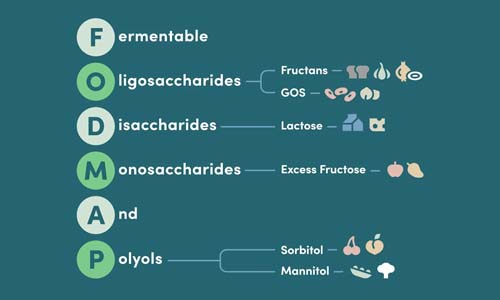
Understanding whether is tahini low FODMAP requires grasping what "low FODMAP" actually means in practice. FODMAPs are fermentable carbohydrates that can trigger gas, bloating, and abdominal pain in people with IBS. The key insight: low FODMAP doesn't mean zero FODMAPs, it means staying under your personal threshold where symptoms typically don't occur.
For those who want to add extra flavor to their tahini-based dishes without triggering symptoms, try sprinkling Organic Garlic Chive Powder for a gentle, onion-like depth that remains low FODMAP.
Tested Low FODMAP Portions for Tahini
Laboratory testing shows that hulled tahini remains low FODMAP up to approximately 2 tablespoons (40g), while unhulled tahini is considered low FODMAP up to about 1.5 tablespoons (30g). Beyond these amounts, tahini can become moderate in GOS (galacto-oligosaccharides), the specific FODMAPs that may trigger IBS symptoms. Remember, these are starting guidelines, your individual gut tolerance gets the final vote.
Safe Serving at a Glance
Hulled tahini: 1-2 tablespoons (20-40g)
Unhulled tahini: 1-1.5 tablespoons (20-30g)
Pro tip: Start with 1 tablespoon and assess your response over 24 hours
Tahini is essentially concentrated sesame seeds, so volume versus weight becomes crucial. While you might comfortably sprinkle a tablespoon of whole sesame seeds on a salad, that same tablespoon of tahini packs significantly more sesame content. The advantage? Tahini's smooth texture makes it easier to measure accurately and blend into sauces rather than chewing individual seeds.
Can You Have Tahini in the Elimination Phase?
Yes, tahini is generally permitted during the strict elimination phase of a low FODMAP diet, provided you stick to tested portions. Start with ½ to 1 tablespoon in a meal, avoid stacking other moderate FODMAP foods in the same sitting, and keep simple symptom notes on your phone within 24 hours. This methodical approach helps you build a clear picture of your tolerance and supports a smoother reintroduction phase.
Using Tahini on a Low FODMAP Diet Without Symptoms: How-To Playbook
Successfully incorporating tahini into your low FODMAP routine requires precision and smart pairing strategies. The key is accurate portioning and avoiding FODMAP stacking that can overwhelm your digestive system.
Portion control starts with proper measurement. Tahini's thick, sticky texture makes it deceptively easy to pour 2-3 tablespoons when you intended just one. Use a measuring tablespoon and level it rather than eyeballing portions. For even better accuracy, thin your tahini first with 1-2 teaspoons of warm water or lemon juice in a small bowl, then measure the thinner sauce. If you prefer kitchen scales, aim for 20-30 grams for a standard low FODMAP serving.
FODMAP stacking is the silent saboteur of tahini success. Common traps include pairing tahini with traditional hummus ingredients like large amounts of chickpeas, or creating sauces with garlic and wheat-based dippers. Instead, combine tahini with low FODMAP grains like rice or quinoa, and use chive sprigs, green leek tops, and scallion greens to create onion-like depth. Build your bowls with safe vegetables like carrots, cucumbers, bell peppers, and spinach alongside stable proteins.
Testing your personal tahini tolerance follows a simple three-step protocol: Choose a symptom-free day and start with ½ tablespoon in a simple meal like rice with grilled chicken. Wait 24 hours and note any digestive changes. If well-tolerated, increase to 1-1½ tablespoons on a different day and reassess. This methodical approach builds confidence while respecting your individual threshold.
Tahini vs Other Spreads and Sauces: What's Easiest on IBS?

When choosing nut and seed butters for IBS management, tahini offers unique advantages alongside some trade-offs compared to more common alternatives.
Tahini versus peanut and almond butter reveals interesting differences across four key criteria. For FODMAP content, all three can fit within low FODMAP limits when properly portioned, but tahini typically allows slightly larger servings than tree nut butters. Texture-wise, tahini feels lighter and less dense than almond butter, while peanut butter sits somewhere in the middle for digestive heaviness. Allergen considerations favor tahini for those avoiding tree nuts or peanuts, though sesame allergies are increasingly common. For flavor versatility, tahini excels in savory applications where peanut butter might feel out of place.
| Spread Type | Low FODMAP Serving | Best Digestive Profile | Ideal Use Cases |
|---|---|---|---|
| Tahini | 1-2 tablespoons | Lighter texture, sesame-only allergen | Savory sauces, Mediterranean dishes |
| Peanut Butter | 2 tablespoons | Familiar taste, moderate richness | Sweet applications, quick snacks |
| Almond Butter | 1 tablespoon | Denser, more filling | Breakfast bowls, baking |
| Sesame Oil | FODMAP-free | Pure fat, minimal gut load | Finishing drizzles, stir-fries |
Other seed butters like sunflower and pumpkin seed varieties can serve as excellent alternatives when sesame poses problems. These options bring different mineral profiles and flavors while maintaining similar FODMAP considerations. Sesame oil deserves special mention as a FODMAP-free option that delivers pure sesame aroma without the protein, fiber, or carbohydrate load that might trigger sensitive systems.
For more inspiration on how to use tahini and other spreads in creative, gut-friendly meals, check out this simple low FODMAP gourmet risotto recipe that highlights versatile low FODMAP ingredients.
Hidden FODMAPs in Tahini Products: Label-Reading for Sensitive Stomachs
Pure tahini contains only sesame seeds and perhaps a touch of salt, but many commercial tahini-based products introduce problematic ingredients that can derail your low FODMAP efforts.
Store-bought tahini dressings, sauces, and dips frequently include high FODMAP additives that transform an otherwise safe ingredient into a digestive trigger. Watch for honey, agave nectar, and high-fructose sweeteners that add fructose loads. Wheat flour or wheat-based thickeners appear in many bottled dressings, while certain legumes in large amounts can push FODMAP content into problematic territory without clear portion guidance on labels.
Creating homemade tahini sauces gives you complete control over sweeteners, acids, and seasonings while ensuring FODMAP compliance. Gourmend Foods low FODMAP broths and seasonings excel at building savory depth without onion or garlic, making them ideal bases for grain bowls or soups finished with tahini drizzle. For recipe inspiration and conversion guidance, explore our low FODMAP recipe collection and recipe conversion tool to adapt your favorite tahini dishes safely.
If you want to expand your low FODMAP pantry even further, consider the Plant Based Bundle for a variety of gut-friendly essentials.
Low FODMAP Ways to Enjoy Tahini: Breakfast, Lunch, Dinner, and Snacks
Strategic meal planning transforms tahini from a pantry staple into a versatile ingredient that enhances every part of your day without triggering digestive distress.
Breakfast applications focus on gentle but satisfying combinations. Start your day with ½ cup cooked low FODMAP oats enhanced with 1 tablespoon tahini, cinnamon, and tested portions of kiwi or berries. The tahini adds protein and healthy fats that stabilize blood sugar while creating creamy richness. Rice cakes or gluten-free toast work beautifully with a thin tahini spread (1 teaspoon per slice) and a light drizzle of maple syrup for balanced morning energy.
Lunch and dinner shine when tahini becomes the bridge between simple ingredients and gourmet flavor. Build grain bowls using 1 cup cooked rice or quinoa prepared with Gourmend shelf-stable broth carton for extra depth, then top with grilled chicken or tofu, roasted carrots and zucchini, and cucumber slices. The finishing sauce combines 1-1½ tablespoons tahini whisked with lemon juice, water, and chive sprigs for onion-like complexity. Sheet-pan dinners benefit from tahini's richness when you drizzle lemon-tahini sauce over hot roasted vegetables just before serving.
Smart snacking leverages tahini's versatility in dip form. Create low FODMAP "hummus-style" spreads by blending tahini with small portions of well-rinsed canned chickpeas and lemon, or combine tahini with roasted zucchini or pumpkin for a sesame-forward dip. Pair these spreads with raw vegetables like carrot sticks, cucumber rounds, and bell pepper strips, keeping total dip consumption to 2 tablespoons to maintain FODMAP safety.
For a delicious side to pair with your tahini-based meals, try these low FODMAP crisp roasted baby potatoes for extra crunch and flavor.
When Tahini Still Bothers Your Stomach: Troubleshooting Guide

Even within low FODMAP guidelines, tahini can sometimes cause digestive discomfort due to factors beyond FODMAP content alone.
Three primary culprits explain most tahini-related symptoms. FODMAP overload occurs when portions exceed your tested tolerance or combine with other moderate FODMAP foods in the same meal. Fat load sensitivity affects those whose systems struggle with tahini's rich oil content, leading to fullness, nausea, or reflux. True sesame allergy or non-FODMAP intolerance represents a different category requiring complete avoidance rather than portion management.
Practical adjustments often resolve tahini heaviness without elimination. Reduce portions to 1-2 teaspoons and extend the sauce with extra lemon juice or water for lighter consistency. Avoid pairing tahini with other high-fat foods like fried items or dishes heavy in cooking oils. Choose hulled tahini if unhulled varieties feel too fibrous, and space tahini-containing meals at least 24 hours apart while determining your tolerance threshold.
Recovery Protocol: If you accidentally exceed your tahini tolerance, hydrate well and return to simple low FODMAP foods like rice, eggs, or safe portions of banana for your next meal. Use the experience as data rather than viewing it as failure.
When tahini consistently causes problems despite careful portioning, several alternatives maintain similar nutritional benefits. Small portions of peanut or almond butter within their respective low FODMAP limits offer comparable richness. Other seed butters provide different flavor profiles while maintaining similar usage patterns. For pure richness without sesame, olive oil and lemon dressings deliver satisfying mouthfeel with zero FODMAP risk.
For more on fiber and gut health, see this external resource from Monash University: getting enough fibre.
The Bottom Line: Making Tahini Work for Your Gut
Is tahini low FODMAP? Yes, when consumed in tested portions of 1-2 tablespoons, tahini can be safely enjoyed by most people following a low FODMAP diet. Success depends on precise measurement, smart meal composition, and individual tolerance testing.
Tahini's unique position as a plant-based, dairy-free ingredient with Mediterranean versatility makes it particularly valuable for those managing IBS while seeking gourmet flavor experiences. Unlike many restrictive dietary approaches, incorporating tahini demonstrates how the low FODMAP framework can support abundant, satisfying meals rather than limiting food enjoyment.
The key to tahini success lies in treating it as a flavor enhancer rather than a primary ingredient. When combined with Gourmend Foods broths and seasonings that provide onion-free depth, tahini becomes part of a comprehensive approach to gut-friendly cooking that never sacrifices taste for digestive comfort. Your individual tolerance will ultimately guide optimal serving sizes, but starting with conservative portions and methodical testing builds confidence for long-term dietary success.
For a deeper dive into the science behind FODMAPs and IBS, explore this research article: Dietary Management of IBS: The Low FODMAP Diet.
Frequently Asked Questions
What is the recommended serving size of tahini to keep it low FODMAP and avoid IBS symptoms?
Tahini is considered low FODMAP at a serving size of 1 tablespoon. Staying within this portion helps minimize FODMAP intake and reduces the risk of IBS symptoms for most sensitive individuals.
How do hulled and unhulled tahini differ in terms of fiber content and digestive impact for sensitive individuals?
Hulled tahini is made from sesame seeds with the outer hull removed, resulting in a smoother texture and lower fiber content, which tends to be easier on digestion. Unhulled tahini retains the seed hulls, offering more fiber but potentially causing more digestive discomfort for sensitive individuals.
Does the roasting process of tahini affect its FODMAP content or digestion for people with IBS?
The roasting process primarily enhances tahini’s flavor but does not significantly change its FODMAP content. However, roasting may slightly improve digestibility by breaking down some compounds, making it a flavorful yet gentle option for those managing IBS.
What are some low FODMAP ways to incorporate tahini into meals without triggering symptoms?
You can enjoy tahini in low FODMAP meals by using it as a creamy dressing base with Gourmend’s organic vegetable broth, blending it into grain bowls with quinoa or rice, or spreading it on rice cakes. Keeping servings to 1 tablespoon and pairing tahini with clean, onion-free flavors helps maintain digestive comfort.