


Papaya Low FODMAP Guide 2026: Easy IBS-Safe Tips & Facts

Key Takeaways
- Papaya is considered low FODMAP and can be enjoyed by those managing IBS symptoms.
- Portion size is important when consuming papaya to maintain its low FODMAP benefits.
- Compared to many fruits, papaya offers a more generous low FODMAP serving size.
- Knowing the specifics of papaya intake can help satisfy cravings without triggering IBS.
Table of Contents
- Quick Answer – Is Papaya Low FODMAP and How Much Can You Have?
- Low FODMAP 101 – Where Papaya Fits in the FODMAP Picture
- Papaya Varieties, Ripeness, and FODMAP Levels
- Nutritional Benefits of Papaya on a Low FODMAP Diet
- IBS‑C vs IBS‑D – How Papaya May Feel Different for Each
- How Gourmend Foods Supports a Low FODMAP, Papaya-Friendly Lifestyle
- Label Reading and Eating Papaya Away from Home
Is Papaya Low FODMAP? A Flavor-First Guide to Enjoying Papaya with IBS
If you're wondering is papaya low FODMAP, you're in for good news. This vibrant tropical fruit offers a sweet escape for those managing IBS symptoms, but portion size matters more than you might think. Unlike many fruits that come with strict limitations, papaya provides a generous low FODMAP serving that actually satisfies, when you know the specifics.
The key lies in understanding which type of papaya you're eating, how ripe it is, and exactly how much constitutes a gut-friendly portion. We'll walk you through the science-backed serving sizes, compare papaya to other tropical fruits, and show you how to incorporate this enzyme-rich fruit into meals that support both flavor and digestive comfort.
For those looking to build a gut-friendly kitchen, starting with a Low FODMAP Pantry Starter Bundle can make meal planning easier, while the Low FODMAP Foodie Bundle offers a curated selection of essentials to support your low FODMAP journey.
The Short Answer for Busy Stomachs
Yes, papaya is low FODMAP when consumed in tested serving sizes. According to Monash University research, you can enjoy up to 140 grams (about 1 cup diced) of fresh, ripe papaya per meal while staying within low FODMAP guidelines. This applies specifically to the orange-fleshed, sweet papaya (Carica papaya) found in most grocery stores.
This generous serving size makes papaya one of the more forgiving tropical fruits for those following a low FODMAP diet. The key word here is "ripe", we're talking about the soft, orange-fleshed fruit with black seeds, not the firm green papaya used in savory dishes.
Remember to space your papaya servings at least 3-4 hours apart if you plan to eat fruit multiple times per day. This prevents FODMAP stacking, where multiple moderate servings consumed close together can push your total intake beyond your personal tolerance threshold.
Safe Serving Ranges at a Glance
| Papaya Type | Low FODMAP Serving | Testing Status |
|---|---|---|
| Ripe papaya (orange flesh) | 140g (~1 cup diced) | Monash tested - confirmed low FODMAP |
| Green/unripe papaya | Start with ¼ cup | Limited testing - proceed cautiously |
| Papaya juice | ⅓ cup maximum | Concentrated sugars - high risk |
| Dried papaya | Avoid during elimination | Very concentrated - likely high FODMAP |
Who This Guidance Is For
This information targets people in the elimination phase of a low FODMAP diet, where you're identifying trigger foods, as well as those in reintroduction who are testing their personal tolerance levels. If you're working with a registered dietitian, use this as culinary guidance to complement their medical advice.
For those in the personalization phase, you may find your individual tolerance differs from these baseline recommendations. Some people can handle slightly larger portions, while others with severe IBS may need to start smaller.
Low FODMAP 101 – Where Papaya Fits in the FODMAP Picture

A Simple Definition of FODMAPs
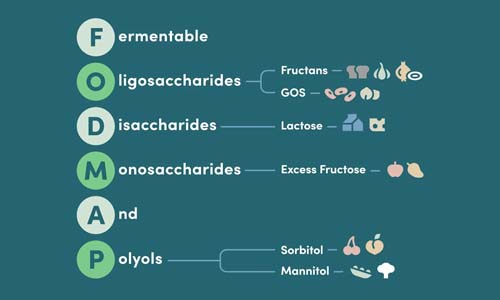
FODMAPs are fast-fermenting carbohydrates that can trigger digestive symptoms in sensitive individuals. The acronym stands for Fermentable Oligosaccharides, Disaccharides, Monosaccharides, and Polyols, essentially sugars and fibers that your small intestine struggles to absorb completely.
These unabsorbed carbs travel to your large intestine, where gut bacteria ferment them rapidly, producing gas and drawing water into the bowel. For people with IBS, this process can cause bloating, cramping, diarrhea, or constipation.
How Fruits Get Flagged as High or Low FODMAP
Fruits pose unique challenges because they contain natural sugars, particularly fructose and polyols (sugar alcohols like sorbitol and mannitol). The FODMAP status isn't binary, it depends entirely on serving size.
Researchers at institutions like Monash University test fruits in laboratory settings, measuring exact FODMAP content per gram. They establish thresholds where symptoms typically don't occur in sensitive individuals. A fruit can be perfectly low FODMAP in a ½-cup serving but problematic at 1½ cups.
Papaya's Place on the FODMAP Spectrum
Papaya primarily contains fructose as its main FODMAP component, but in balanced ratios with glucose that aid absorption. This makes papaya generally better tolerated than fruits with excess fructose, like apples or large servings of mango.
Unlike stone fruits that contain sorbitol or watermelon that can trigger symptoms in smaller amounts, papaya's FODMAP profile remains stable across typical serving sizes. This balanced sugar composition is why papaya consistently appears on low FODMAP-friendly fruit lists and why many with IBS find it a reliable choice during elimination phases.
If you're looking for creative ways to enjoy papaya and other low FODMAP fruits, browse our low fodmap recipes for inspiration.
Papaya Varieties, Ripeness, and FODMAP Levels
Ripe Papaya (Orange Flesh) vs Green/Unripe Papaya
Ripe papaya, with its vibrant orange-red flesh, sweet tropical aroma, and soft-to-touch skin, represents the standard for FODMAP testing. Most low FODMAP serving recommendations (around 1 cup or 140g) apply specifically to this ripe variety. Green papaya, firm and pale with minimal sweetness, functions more like a vegetable in cooking and has limited FODMAP testing data.
The starch-to-sugar conversion during ripening affects FODMAP content, but not always in predictable ways. While very ripe papaya contains more natural sugars, is papaya low fodmap status generally holds across ripeness levels when portions stay within tested ranges. For green papaya dishes like Thai salads, start conservatively with ¼ to ½ cup servings until you understand your personal response.
Does a Riper Papaya Mean More FODMAPs?
As papaya ripens, starches convert to simple sugars, but this doesn't automatically push the fruit into high-FODMAP territory. The fructose-to-glucose ratio remains relatively balanced even in very ripe fruit, which helps maintain digestibility. However, ultra-soft, extremely sweet papaya may feel more intense for sensitive digestive systems.
During elimination phases, moderately ripe papaya offers the safest starting point, sweet enough to enjoy but not so concentrated that it overwhelms your system. Save the perfectly soft, aromatic specimens for later testing once your symptoms have stabilized and you're confident in your baseline tolerance.
Papaya vs Pawpaw vs Papaw – Clearing Up the Name Confusion
Carica papaya, the tropical fruit most of us know as papaya, differs completely from North American pawpaw (Asimina triloba) and other regional "papaw" varieties. These are entirely different species with distinct nutritional profiles, sugar contents, and potential FODMAP levels. Never assume the same tolerance applies across different fruits sharing similar names.
True papaya identification: orange-to-red flesh when ripe, black seeds in a central cavity, smooth skin that yields slightly to pressure, and a sweet, musky aroma. If you encounter "pawpaw" at farmers markets or in recipes, verify the species, North American pawpaw has custard-like flesh and grows in temperate climates, making it unsuitable for papaya-based FODMAP guidance.
Visual Cue Checklist for Low FODMAP-Friendly Papaya Selection
- Skin: Yellow-orange with slight give when pressed gently
- Aroma: Sweet but not overpowering or fermented-smelling
- Shape: Oval or pear-shaped, heavy for its size
- Storage tip: Buy slightly underripe, ripen 1-2 days at room temperature, then refrigerate to slow sugar development
Nutritional Benefits of Papaya on a Low FODMAP Diet
Fiber Profile – Gentle Support for Digestion
One cup of papaya delivers approximately 2.5 grams of fiber, a moderate amount that provides digestive benefits without overwhelming sensitive systems. This fiber consists of both soluble fiber (which helps regulate stool consistency and feeds beneficial gut bacteria) and insoluble fiber (which supports healthy motility). The balanced fiber profile makes papaya gentler than high-fiber fruits like pears or apples.
Unlike fruits with concentrated insoluble fiber that can trigger cramping, papaya's fiber works gradually to support regular bowel movements. However, even gentle fiber can cause discomfort if you dramatically increase intake. Start with smaller portions (½ cup) if you're not accustomed to regular fruit consumption, then gradually work up to full low FODMAP servings.
Vitamins, Antioxidants, and the Papain Enzyme
A single cup of papaya provides over 100% of daily vitamin C needs plus substantial vitamin A precursors (beta-carotene), folate, and potassium. These nutrients support immune function, skin health, and electrolyte balance, particularly valuable when following elimination diets that might limit other nutrient sources.
Papain, papaya's signature enzyme, naturally breaks down proteins and may feel supportive for digestion in some individuals. While not a cure for IBS, many people report that papain-containing fruits like papaya feel easier on their stomachs compared to other sweet options. This enzyme activity, combined with papaya's high water content, creates a fruit that nourishes without overwhelming.
Why Papaya Can Feel Easier on the Gut Than Other Fruits
Compared to mango (which has a smaller low FODMAP serving of about ½ cup) or watermelon (commonly high in fructose), papaya offers a more generous portion size with a balanced sugar profile. This makes it a standout choice for those seeking both flavor and digestive comfort.
For more meal ideas that pair well with papaya, try our low fodmap crisp roasted baby potatoes or explore other simple low fodmap gourmet risotto recipes.
IBS‑C vs IBS‑D – How Papaya May Feel Different for Each

Papaya for IBS‑C (Constipation-Predominant IBS)
Papaya's combination of water content (about 88%), gentle fiber, and papain enzyme may provide natural motility support for those with constipation-predominant IBS. The soluble fiber helps soften stool consistency, while papain assists protein digestion, potentially reducing the digestive burden that can contribute to sluggish bowel movements.
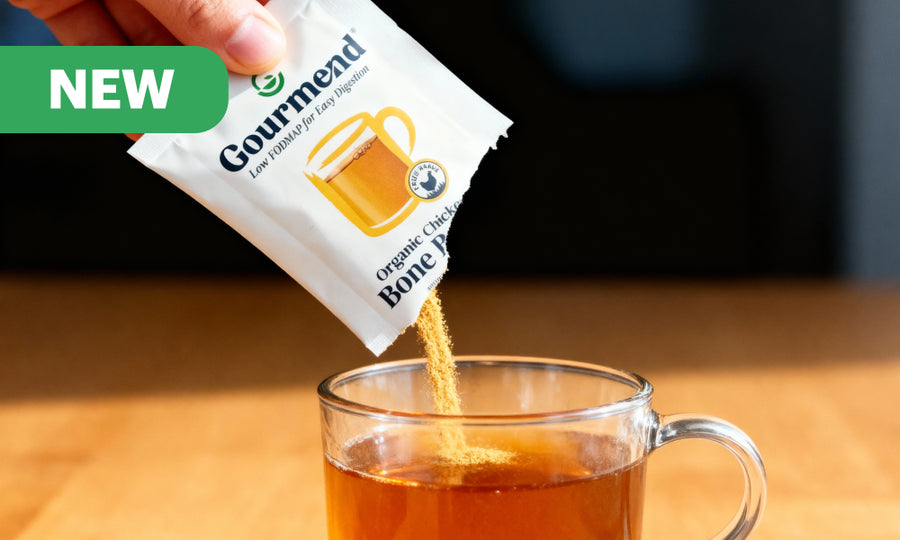
Start with ½–1 cup daily within your low FODMAP limits, monitoring stool softness and frequency over 1–2 weeks. Many of our customers with IBS‑C find that consistent, measured papaya intake, paired with Gourmend Bone Broths for hydration and minerals, supports more regular, comfortable bowel patterns without the harsh effects of stimulant laxatives.
Papaya for IBS‑D (Diarrhea-Predominant IBS)
Even though is papaya low FODMAP at proper serving sizes, its natural enzymes and fiber can feel too stimulating for highly sensitive digestive systems. If you're prone to loose stools or urgency, papaya's mild laxative effect may trigger unwanted acceleration.
Begin with ¼–½ cup portions and pair with starchy, binding foods like rice or oats cooked in Gourmend Chicken Bone Broth. The added protein and minerals help slow digestion while providing gut-soothing nutrients. Avoid papaya entirely during active flare-ups, reintroduce only once symptoms have settled for several days.
Adjusting for Mixed-Type or Unspecified IBS
For alternating bowel patterns, treat papaya as a gentle experiment rather than a daily staple initially. Track not just immediate symptoms, but patterns over 3–5 days, as delayed reactions are common with mixed-type IBS.
Consider frequency adjustments: instead of daily papaya, try 3 times weekly with consistent portion sizes. This approach allows you to enjoy the nutritional benefits while maintaining better symptom control during unpredictable phases.
How Gourmend Foods Supports a Low FODMAP, Papaya-Friendly Lifestyle
Cooking Balanced Low FODMAP Meals Around Your Fruit
Building satisfying, low FODMAP meals becomes effortless when you start with Gourmend Chicken, Beef, and Vegetable Bone Broths. Our broths deliver rich, complex flavors without the onions, garlic, or artificial additives that trigger symptoms, creating the perfect savory foundation that makes modest fruit portions feel abundant rather than restrictive.
When your main meals provide deep satisfaction through clean protein, healing minerals, and gourmet taste, you're naturally less likely to overeat fruits or rely on them for satiety. This balance makes it easier to stick to that 1-cup papaya serving while feeling completely nourished.
Pairing Papaya with Gourmend Recipes and Resources
Use papaya as a bright, refreshing finish after warming, grounding meals built with Gourmend broths. A bowl of our Chicken Bone Broth-based vegetable soup followed by ½ cup fresh papaya creates the perfect sweet-savory balance that many traditional cuisines celebrate.
Explore our Low FODMAP Recipes hub for grain bowls, stews, and protein dishes that pair beautifully with papaya sides. Our Low FODMAP Recipe Conversion Tool helps you adapt family favorites, ensuring they leave plenty of "FODMAP budget" for enjoying fruits like papaya without worry.
Making Low FODMAP Eating Feel Abundant, Not Restrictive
The question "is papaya low FODMAP" represents something larger: the desire to enjoy colorful, flavorful foods without fear. With Gourmend's clean-label broths anchoring your meals and smart fruit choices like properly-portioned papaya adding vibrancy, you're building a sustainable way of eating that feels gourmet, not limited.
We're here as your culinary ally while you navigate fruit testing and long-term gut healing. Every Gourmend product is designed to give you confidence in the kitchen, knowing that your foundation ingredients support both incredible flavor and digestive peace.
For more on the science behind low FODMAP diets and IBS, see this recent clinical review.
Label Reading and Eating Papaya Away from Home
Spotting Papaya in Packaged Foods
Papaya frequently hides in tropical fruit mixes, trail mixes, fruit bars, and canned fruit cocktails where portion control becomes impossible. Smoothie blends, flavored yogurts, and frozen fruit medleys often contain concentrated papaya that far exceeds low FODMAP serving sizes.
When label reading, watch for papaya puree, papaya concentrate, dried papaya, or natural papaya flavor. If papaya appears in the ingredient list, check the serving size and consider whether the product fits your dietary needs. For more guidance on reading food labels and managing FODMAPs away from home, you can consult this comprehensive FODMAP resource.
Frequently Asked Questions
Is ripe papaya safe to eat on a low FODMAP diet and what is the recommended serving size?
Yes, ripe papaya with orange flesh is safe to eat on a low FODMAP diet. The recommended serving size is up to 140 grams (about 1 cup diced) per meal, which has been tested and confirmed low FODMAP by Monash University.
How does the ripeness or variety of papaya affect its FODMAP content and tolerance for IBS sufferers?
Ripeness and variety impact papaya's FODMAP content significantly. Ripe, orange-fleshed papaya is low FODMAP and easier to tolerate, while unripe green papaya may have higher FODMAP levels and is less suitable for sensitive digestion.
Why is portion control important when consuming papaya to avoid triggering IBS symptoms?
Portion control helps prevent FODMAP stacking, where eating multiple moderate servings close together can exceed your personal tolerance. Keeping papaya servings within tested limits supports digestive comfort and reduces the risk of IBS symptoms.
Can dried or green papaya be included in a low FODMAP diet, and what precautions should be taken?
Dried papaya often contains concentrated sugars and higher FODMAP levels, so it’s best to avoid or limit it. Green papaya is less tested and may be higher in FODMAPs; if included, start with small amounts and monitor your tolerance carefully.