



Is Coconut Oil Low FODMAP? FODMAP Content and Cooking Uses

Key Takeaways
- Coconut oil is considered low FODMAP and safe for most people with IBS.
- It contains no carbohydrates, which means it does not contribute to FODMAP intake.
- Coconut oil can be used as a cooking fat without triggering IBS symptoms.
- Individuals should still monitor their personal tolerance when introducing coconut oil.
Table of Contents
- Is Coconut Oil Low FODMAP? Quick Answer
- FODMAP Basics in 5 Minutes: Where Coconut Oil Fits
- Is Coconut Oil Low FODMAP According to Monash & FODMAP Science?
- Coconut Oil vs Other Coconut Products: FODMAP & Fat Breakdown
- How Coconut Oil Can Still Trigger IBS (Even When FODMAP-Free)
- Refined vs Virgin Coconut Oil, MCT Oil, and Other Fats: What's Best for a Low FODMAP Kitchen?
- How to Use Coconut Oil on a Low FODMAP Diet
FODMAP Basics in 5 Minutes: Where Coconut Oil Fits

What "Low FODMAP" Actually Means for Coconut Oil
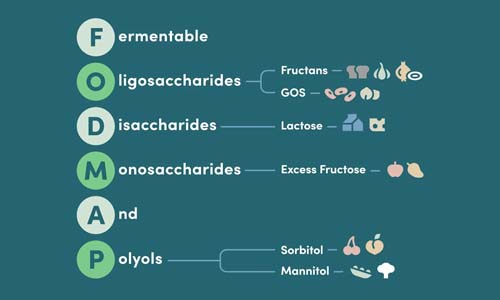
FODMAPs are short-chain carbohydrates that can ferment in your gut and draw water into your intestines, causing gas, bloating, and digestive discomfort in sensitive individuals. Research shows these fermentable sugars affect up to 15% of the population, particularly those with IBS.
Pure fats and oils, including coconut oil, contain no carbohydrates whatsoever, which means no FODMAPs. This fundamental difference sets coconut oil apart from many other coconut products that do contain carbs and potential FODMAP triggers.
Why Coconut Oil is Low FODMAP but Not "Risk-Free"
Understanding that something has "no FODMAPs" differs from guaranteeing it's "symptom-free for everyone." Fat itself, even FODMAP-free fat, can affect gut motility and trigger IBS symptoms in some people through entirely different mechanisms than FODMAP fermentation.
Dose matters significantly: a teaspoon melted into your morning oats creates a vastly different digestive experience than multiple tablespoons in a rich dessert. This is why portion awareness remains crucial even with FODMAP-free ingredients.
Quick Visual: Where Coconut Oil Sits Among Fats & Coconut Products
Here's how coconut oil compares to other coconut products regarding FODMAP presence only:
- Coconut oil: No FODMAPs (pure fat)
- Coconut milk/cream: Carb-containing, portion-dependent
- Desiccated coconut: Contains polyols, portion-dependent
- Coconut flour: High FODMAP, generally not suitable
- Coconut water: Contains excess fructose, limited portions
Is Coconut Oil Low FODMAP According to Monash & FODMAP Science?
What Lab Testing Suggests
Monash University researchers have tested numerous fats and oils, consistently classifying them as low FODMAP because they contain no fermentable carbohydrates. This scientific backing gives you confidence that is coconut oil low FODMAP has a definitive yes answer from the leading FODMAP research institution.
When you see "green-light serving sizes" for pure fats, these recommendations often focus on practical use and overall health rather than FODMAP limits, since the FODMAP content remains zero regardless of quantity.
Recommended Low FODMAP Serving Size for Coconut Oil
For everyday low FODMAP cooking, 1-2 teaspoons (5-10 mL) per serving provides a conservative starting point that balances flavor with digestive comfort. In richer dishes or baking, aim to keep total added coconut oil around 1 tablespoon (15 mL) per portion if you have IBS.
How much coconut oil is reasonable on a low FODMAP diet?
- Conservative start: ½-1 teaspoon per meal
- Moderate use: 1-2 teaspoons per serving
- Occasional indulgence: Up to 1 tablespoon per portion
We care about serving size here even though FODMAPs are zero because of potential fat-induced IBS symptoms and general heart-health considerations that support overall wellbeing.
Where Coconut Oil Fits in Elimination vs Reintroduction Phases
During the elimination phase, you can use coconut oil because FODMAPs are the primary variable being controlled. Start with ½-1 teaspoon per meal if you're highly sensitive to fat, allowing your system to adjust gradually.
In the reintroduction and personalization phases, factor in total fat plus FODMAP load when adding coconut-based foods like milk or yogurt. This strategic approach helps you identify whether reactions stem from FODMAPs, fat content, or the combination of both.
Coconut Oil vs Other Coconut Products: FODMAP & Fat Breakdown
Why All "Coconut Foods" Aren't Equal for IBS
Some coconut foods are mostly fat (oil), while others combine fat + carbs + fiber (milk, yogurt, flour, shredded coconut). This distinction matters enormously because FODMAPs hide exclusively in the carbohydrate portion of foods.
Understanding this difference prevents the common mistake of assuming all coconut products share the same FODMAP status as coconut oil.
Comparison Table – Coconut Oil vs Other Coconut Products (FODMAP Focus)
| Product | Main Component | Low FODMAP Serving | Primary FODMAP Concern | Typical Use |
|---|---|---|---|---|
| Coconut oil | Pure fat | 1-2 teaspoons | None | Cooking, baking |
| Canned coconut milk | Fat + carbs | ⅓ cup (80ml) | Polyols | Curries, desserts |
| Carton coconut milk | Water + minimal fat | 1 cup (250ml) | Added gums | Cereal, smoothies |
| Coconut yogurt | Fat + carbs + probiotics | ⅔ cup (170g) | Polyols, added sweeteners | Snacks, breakfast |
| Desiccated coconut | Fiber + fat + carbs | ¼ cup (20g) | Polyols | Baking, granola |
| Coconut water | Natural sugars + electrolytes | ⅓ cup (80ml) | Excess fructose | Hydration |
| Coconut flour | High fiber + protein | Not recommended | High polyols | Gluten-free baking |
This table clearly shows coconut oil stands out as the only "pure fat" coconut item, making it the most reliable choice when is coconut oil low FODMAP is your primary concern.
How to Balance Multiple Coconut Products in a Single Day
Consider this scenario: coconut oil in breakfast, coconut milk in curry, coconut yogurt for dessert. Keep each portion within low FODMAP ranges while monitoring total fat intake to prevent overwhelming your digestive system.
Limit yourself to 1-2 coconut-based FODMAP-containing items per day when starting. If including coconut flour or larger amounts of desiccated coconut, avoid stacking multiple coconut products that same day to minimize cumulative FODMAP load.
How Coconut Oil Can Still Trigger IBS (Even When FODMAP-Free)

Fat Digestion & IBS: What's Going On
Fat can speed up or slow down gut movement depending on the individual. For some with IBS, higher fat meals trigger cramping, urgency, or diarrhea; for others, fat can worsen constipation by slowing transit time.
Coconut oil's high saturated fat content requires moderation to support both gut comfort and overall health. Research suggests limiting saturated fat to roughly 10% of total daily calories for optimal cardiovascular health.
Typical Coconut-Oil-Related IBS Complaints & Likely Causes
Common symptoms after high coconut oil consumption include sudden diarrhea after very oily meals, bloating or nausea after "bulletproof"-style coffee with multiple tablespoons, and heaviness or reflux after coconut oil-rich desserts.
These reactions represent fat-load effects, not FODMAP reactions. Understanding this distinction is crucial for managing your symptoms effectively.
Coconut Oil Intolerance vs FODMAP Intolerance
Learning to distinguish between fat-induced symptoms and FODMAP reactions helps you make better dietary choices. If symptoms occur consistently with all high-fat foods, whether it's coconut oil, olive oil, or fatty meats, you're likely dealing with fat tolerance issues rather than FODMAP sensitivity.
Conversely, if your digestive distress mainly follows carb-heavy meals containing wheat, beans, or certain fruits, FODMAP triggers are the more probable culprit. Keep a simple food and symptom log for a week to identify patterns, and consider discussing your observations with a registered dietitian who specializes in digestive health.
For more on how different fats affect IBS, you may find our article on is olive oil low FODMAP helpful.
When Less is More: Heart Health Meets IBS Management
Many health organizations recommend limiting saturated fat to approximately 10% of total daily calories. For most adults, this translates to roughly one to two tablespoons of saturated fat sources per day, depending on your overall diet and health goals. This guideline naturally supports moderate coconut oil use while protecting both cardiovascular and digestive wellness.
For additional scientific context on dietary fats and IBS, see this peer-reviewed research article.
Refined vs Virgin Coconut Oil, MCT Oil, and Other Fats: What's Best for a Low FODMAP Kitchen?
Refined vs Virgin Coconut Oil for Sensitive Guts
Both refined and virgin coconut oil are equally low FODMAP since neither contains fermentable carbohydrates. The choice between them comes down to flavor preferences and cooking methods rather than FODMAP content.
Virgin coconut oil delivers a pronounced coconut aroma and flavor, making it ideal for desserts, smoothie bowls, and tropical-inspired dishes. Refined coconut oil offers a neutral taste and higher smoke point, perfect for everyday sautéing and high-heat cooking. For IBS management, prioritize tolerance and cooking method over FODMAP considerations when choosing between these options.
Coconut Oil vs MCT Oil for IBS
MCT (medium-chain triglyceride) oil consists of extracted medium-chain fats from coconut or palm oil. While both coconut oil and MCT oil are low FODMAP, they affect digestion differently.
MCT oil absorbs more rapidly than regular coconut oil, which can trigger loose stools or cramping in sensitive individuals, often at doses as small as one tablespoon. If you're experimenting with MCT oil, start with just ½ teaspoon and monitor your response carefully.
Coconut Oil vs Olive Oil, Ghee, Butter & Avocado Oil
| Fat/Oil | FODMAP Status | Main Fatty Acid Profile | IBS Tolerance Notes | Best Use |
|---|---|---|---|---|
| Coconut Oil | Low FODMAP | High saturated fat | Moderate portions; watch total fat load | Baking, tropical dishes, medium-heat cooking |
| Extra-Virgin Olive Oil | Low FODMAP | High monounsaturated fat | Generally well-tolerated | Dressings, low-heat cooking, finishing |
| Ghee | Low FODMAP | Mixed saturated/monounsaturated | Lactose-free; good for dairy-sensitive | High-heat cooking, Indian cuisine |
| Butter | Low FODMAP* | High saturated fat | *Contains lactose; may trigger dairy-sensitive IBS | Baking, finishing, moderate-heat cooking |
| Avocado Oil | Low FODMAP | High monounsaturated fat | Neutral flavor; generally gentle | High-heat cooking, neutral applications |
Olive oil remains the go-to choice for everyday low FODMAP cooking due to its heart-healthy profile and excellent tolerance. Use coconut oil as a flavorful accent when you want to add tropical richness to specific dishes.
For more information on other low FODMAP cooking fats, you may also enjoy our article on is avocado oil low FODMAP.
If you're looking to stock your pantry with gut-friendly staples, consider trying our Organic Chicken Bone Broth or Organic Garlic Chive Powder for versatile, low FODMAP flavor boosts.
How to Use Coconut Oil on a Low FODMAP Diet
Smart Serving Sizes by Meal Type
Breakfast applications: Stir 1 teaspoon melted coconut oil into low FODMAP oatmeal or quinoa porridge for richness without overwhelming your morning digestion. Use ½-1 teaspoon when toasting homemade granola with oats and pumpkin seeds.
Main dish portions: Limit coconut oil to 1-2 teaspoons per serving when sautéing low FODMAP vegetables or proteins. This amount works well in recipes like low FODMAP crisp roasted baby potatoes or simple low FODMAP gourmet risotto for a satisfying, IBS-friendly meal.
For a convenient way to add flavor and nutrition to your low FODMAP meals, try our Organic Vegetable Broth or Organic Garlic Scape Powder as pantry staples.
Frequently Asked Questions
Why is coconut oil considered low FODMAP despite some individuals still experiencing IBS symptoms?
Coconut oil is low FODMAP because it contains no carbohydrates, so it doesn’t contribute to FODMAP intake. However, fat itself can affect gut motility and trigger IBS symptoms in some people through mechanisms unrelated to FODMAPs, so individual tolerance varies.
How does coconut oil compare to other coconut products like coconut milk or desiccated coconut in terms of FODMAP content?
Coconut oil is pure fat and contains no FODMAPs, unlike coconut milk and desiccated coconut, which contain carbohydrates and polyols that can trigger symptoms depending on portion size. Coconut flour and coconut water also have higher FODMAP content and require careful portion control.
What are the recommended serving sizes of coconut oil for someone following a low FODMAP diet?
Since coconut oil contains no FODMAPs, there’s no strict serving limit for FODMAP reasons. Still, portion awareness is important because large amounts of fat can affect digestion and potentially trigger symptoms, so starting with small amounts like a teaspoon is wise.
Can the type of coconut oil (refined vs virgin) or use of MCT oil affect its suitability for a low FODMAP diet?
Both refined and virgin coconut oils are low FODMAP since they contain no carbohydrates. MCT oil, derived from coconut or palm oil, is also low FODMAP but may cause digestive upset in some people due to its concentrated fat content, so personal tolerance should guide use.