



Bouillon Ingredients, Sodium, and Everyday Uses

Is bouillon bad for you
The Short Answer: It Depends on Ingredients and Frequency
The question "is bouillon bad for you" doesn't have a simple yes or no answer. Traditional bouillon cubes and powders can contain high sodium levels, preservatives, and flavor boosters that trigger digestive issues, especially with regular consumption.
Here's what concerns me most: Many commercial bouillon products pack 800 to 1,200 mg of sodium per serving. Nearly half your daily limit in a single cup of broth. They also contain monosodium glutamate (MSG), artificial colors, and high-FODMAP ingredients like onion and garlic powder that cause bloating and discomfort for sensitive individuals.
The Bottom Line: Occasional use of quality bouillon won't harm most people. But frequent use of highly processed varieties contributes to sodium overload and digestive distress. Your best bet? Clean-label broths and seasonings that deliver flavor without additives.
The difference between "bad" and "beneficial" comes down to ingredient transparency. Clean-label alternatives use real herbs, spices, and vegetables to create umami depth without relying on artificial boosters or high-FODMAP triggers. For those managing digestive sensitivities, certified low-FODMAP options provide a savory foundation for cooking without gut disruption.
Reading labels is essential. Check sodium content (I recommend less than 600 mg per serving), avoid preservatives like BHT and BHA, and choose products that list recognizable food ingredients rather than long strings of additives.
Decoding Bouillon: What Is Really Inside Those Cubes and Powders?
The Foundation: Salt and Flavor Boosters
Commercial bouillon relies heavily on sodium chloride. It can make up a huge share of the total weight. This creates intense saltiness while extending shelf life through dehydration. Most manufacturers add monosodium glutamate (MSG), hydrolyzed vegetable protein, or yeast extract to boost savory notes without using actual meat or vegetables.
These flavor boosters trigger umami receptors on your tongue, creating the perception of richness. Effective? Yes. But this approach sidesteps the flavor development that happens through traditional cooking methods like slow-simmering bones or roasting vegetables.
MSG and Other Additives: The Complete Picture
Despite decades of fear-based messaging, research shows MSG is generally safe for most people. The FDA classifies it as "generally recognized as safe," and multiple studies haven't supported "Chinese Restaurant Syndrome" as a consistent condition. Some individuals do experience headaches or digestive discomfort, but these reactions appear uncommon and typically mild.
The real issue with MSG in bouillon isn't toxicity. It's that manufacturers use it to prop up weak formulas with fewer real herbs, spices, and vegetables.
Common Bouillon Additives: Maltodextrin (bulking agent), silicon dioxide (anti-caking), artificial colors like Yellow 6 and Red 40, preservatives such as BHT and BHA, and palm oil or hydrogenated fats for texture.
These additives serve manufacturing purposes, not nutritional ones. Maltodextrin can affect blood sugar response and may bother sensitive digestive systems. Artificial preservatives extend shelf life but add no nutritional value.
MSG: The Reality
- FDA-recognized safety profile for most people
- Naturally occurs in tomatoes, cheese, and mushrooms
- May reduce overall sodium needs due to flavor enhancement
Potential Concerns
- Can trigger headaches in susceptible individuals
- May cause nausea or digestive upset in some people
- Often appears alongside other additives in processed foods
The Nutritional Void: What Bouillon Lacks
Traditional bouillon provides minimal protein, vitamins, or minerals beyond sodium. Unlike homemade bone broth, which contains collagen, amino acids, and trace minerals from long simmering, most commercial bouillon offers little nutritional value. If you want both flavor and nourishment, it's worth comparing labels.
The Gut-Health Lens: How Bouillon Ingredients Can Impact Digestion

High Sodium and Digestive Effects
High sodium intake contributes to water retention and can feel uncomfortable. Some research suggests very high-sodium diets may affect gut bacteria and gut barrier function, though individual responses vary. With bouillon, the concern is dose: it's easy to add excessive sodium quickly when dissolving concentrated cubes or powder in hot water.
For people who notice cramping or discomfort after salty, concentrated foods, lower-sodium options may feel better. This differs from broth made from whole ingredients, where sodium levels are easier to control.
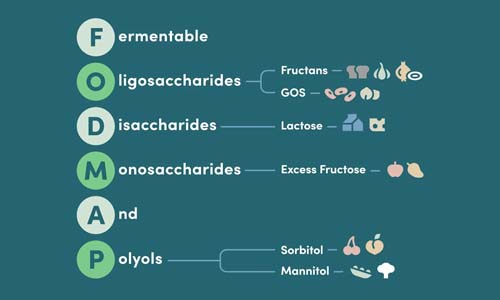
The Low FODMAP Connection: Hidden Triggers
Many commercial bouillon products contain onion powder, garlic powder, or vague "natural flavors" that may include high-FODMAP sources. These trigger symptoms in people with irritable bowel syndrome (IBS) or small intestinal bacterial overgrowth (SIBO). Even small amounts of concentrated onion or garlic powders can cause noticeable symptoms in sensitive individuals.
The question "is bouillon bad for you" becomes especially relevant for anyone following an elimination phase, reintroduction phase, or long-term gut-sensitive routine. Hidden FODMAP sources in bouillon can undermine careful planning.
Beyond the Cube: Exploring Healthier Alternatives and Gourmend Foods' Approach
The Evolution of Flavor: From Traditional Bouillon to Modern Solutions
Many cooks now look beyond excessive sodium and heavy additive use for savory depth. Natural glutamates (found in mushrooms and tomatoes) and compounds developed through roasting and simmering create satisfying umami without relying on highly processed cubes.
Clean-label brands use techniques like slow-roasting vegetables, fermenting select ingredients, and careful reduction to deliver strong flavor with simpler ingredient lists.
What Makes a "Clean Label" Broth or Seasoning?
Clean Label Criteria: Organic ingredients, no artificial preservatives, lower sodium (aim for less than 600 mg per serving), recognizable food names on ingredient lists, and third-party certifications supporting quality and dietary compliance.
Clean-label products avoid common industrial additives like maltodextrin, artificial colors, and heavy use of flavor boosters. Instead, they rely on vegetables, herbs, spices, and naturally occurring glutamates from foods like tomatoes and mushrooms.
Gourmend Foods' Commitment: Low FODMAP Certified, Organic, and Transparent
I created Gourmend Foods to help people asking, "is bouillon bad for you," especially those with IBS. I'm not a dietitian, but I'm someone who has had to read labels carefully and build a pantry that supports gut comfort.
Our broths are certified Low FODMAP and certified organic, designed for easy digestion. Our Organic Chicken Bone Broth is unsalted so you can season to taste. It's made with 7 organic ingredients: water, free-range chicken bones, scallion green tops, carrots, celery, leek green tops, chives, and parsley. We use scallion tops, leek tops, and chives in place of onion and garlic bulbs.
Culinary Innovation: Using Scapes, Chives, and Green Onion for Depth
One big shift for many gut-sensitive cooks is learning which parts of allium plants work better. Garlic scapes, chive greens, and scallion tops bring familiar savory flavor with fewer FODMAP concerns than bulbs.
If you've ever wondered, "is bouillon bad for you," here's my takeaway: you don't need to give up flavor. You need a different foundation that's transparent about ingredients and built for tolerance.
Making Informed Choices: Tips for Enjoying Flavor Without the Guesswork
Reading Labels Like a Pro: What to Look For and Avoid
Scan ingredient lists for recognizable food names rather than long strings of additives. If you're FODMAP-sensitive, be cautious with products listing "natural flavors" without details. They may include onion or garlic derivatives. Choose options with lower sodium and organic certification when possible.
Quality signals include shorter ingredient lists, recognizable herbs and spices, and no artificial colors or preservatives like BHT, BHA, and sodium benzoate.
Building a Gut-Friendly Pantry: Essential Staples
Stock certified low-FODMAP seasonings, organic broths, and fermented flavor boosters like miso paste or fish sauce (as tolerated). These provide savory depth while giving you more control over ingredients and sodium.
If your goal is comfort and flavor, a broth with a simple ingredient list delivers more than a cube. When people ask me, "is bouillon bad for you," my answer is usually: it depends on what's in it, and how often you use it.
Frequently Asked Questions
What is healthier, bouillon or broth?
The healthfulness depends on the ingredients. Many commercial bouillon products contain high sodium, preservatives, and flavor boosters, while traditional broths, especially homemade, often offer more nutritional value like collagen and amino acids. When choosing, look for clean-label broths or bouillon alternatives with recognizable, minimal ingredients to support your digestive system.
How unhealthy are stock cubes?
Stock cubes can be unhealthy due to their high sodium content, often reaching nearly half of the daily recommended limit in a single serving. They frequently include artificial colors, preservatives, and flavor boosters like MSG, which can contribute to sodium overload and digestive distress for some individuals. Frequent consumption of these highly processed varieties is the main concern.
What is the healthiest broth to use?
The healthiest broth to use is typically one made with real, recognizable ingredients, ideally organic and lower in sodium. Look for options that prioritize actual herbs, spices, and vegetables over artificial boosters. For those with sensitivities, certified low-FODMAP broths can provide savory depth without digestive discomfort.
Is bouillon bad for your gut health?
Bouillon can impact gut health, especially if it contains high levels of sodium, which some research suggests may affect gut bacteria. Many commercial bouillons also include high-FODMAP ingredients like onion and garlic powder, which can trigger bloating and discomfort for individuals with IBS or other digestive sensitivities. Choosing options with transparent, gut-friendly ingredients can make a difference.
What ingredients should I avoid in bouillon for better digestion?
For better digestion, I recommend avoiding bouillon products with excessive sodium, artificial colors like Yellow 6 and Red 40, and preservatives such as BHT and BHA. Be mindful of high-FODMAP ingredients like onion and garlic powder if you have sensitivities. Opt for products that list simple, recognizable food ingredients rather than long strings of additives.
Is MSG in bouillon a concern for health?
MSG is generally recognized as safe by the FDA for most people, and research has not consistently supported widespread adverse reactions. While some individuals may experience mild discomfort, the bigger issue in bouillon is often that MSG can be used to compensate for a lack of real herbs, spices, and vegetables. I focus on products that deliver flavor through quality ingredients, not just boosters.