



The Complete Guide to Ibs Foods to Avoid

ibs foods to avoid
Finding ibs foods to avoid can feel restrictive, especially when symptoms make meals, travel, work, and social plans uncertain. A more useful approach is to identify likely triggers, understand portion sizes, and build satisfying substitutions rather than permanently removing every food on a long list.
Key Takeaways
- Identifying specific dietary triggers helps manage symptoms without eliminating too many foods at once.
- Understanding appropriate portion sizes allows for a more flexible and satisfying diet.
- Building suitable substitutions is a practical strategy for maintaining a balanced lifestyle.
- Recognizing individual triggers reduces the uncertainty surrounding meals and social plans.
IBS varies from person to person. The foods that cause bloating, abdominal pain, diarrhea, constipation, or urgency for one individual may be comfortable for another. This guide uses low-FODMAP principles, practical cooking strategies, and symptom awareness to help you test foods with less fear and more confidence. 🐓💚
What is ibs foods to avoid?
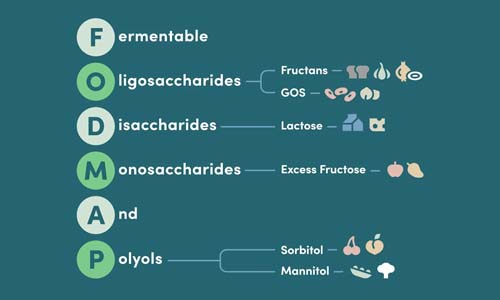
The most common categories to investigate include onion and garlic, large portions of beans, certain dairy products, wheat-based foods, high-fructose ingredients, sugar alcohols, carbonated drinks, greasy meals, and excess caffeine. These foods are not automatically harmful to every person with IBS. Many contain fermentable carbohydrates called FODMAPs, which can draw water into the intestine or ferment rapidly, causing gas, distension, cramping, or changes in bowel habits.
Onion is a frequent concern because it contains fructans, a FODMAP group that can trigger symptoms in some people. Garlic, wheat, cauliflower, mushrooms, apples, pears, watermelon, milk, ice cream, and products sweetened with sorbitol or mannitol may also deserve careful testing. Johns Hopkins identifies lactose, fructose, carbonation, caffeine, and sugar alcohols among common dietary triggers, while the Johns Hopkins food guidance stresses that individual tolerance matters.
A trigger list is a starting point, not a diagnosis. IBS symptoms can overlap with celiac disease, inflammatory bowel disease, lactose intolerance, and other conditions, so persistent or concerning symptoms deserve medical evaluation. A gastroenterologist or registered dietitian can help determine whether a structured low-FODMAP elimination and reintroduction plan is appropriate. The goal is to discover your personal threshold, not to avoid broad food groups forever.
Benefits of ibs foods to avoid

Using a thoughtful list of foods to limit can make symptoms more predictable. Reducing a suspected trigger may lessen abdominal pressure, excessive gas, loose stools, constipation, or sudden urgency, giving you a clearer view of how meals affect your body. That clarity can make breakfast, restaurant visits, road trips, and everyday cooking feel less stressful. It also helps separate a reaction to a large serving from a reaction to the ingredient itself.
A low-FODMAP trial may provide a framework for identifying patterns, but it should not become an unnecessarily narrow permanent diet. Many foods can fit comfortably through smaller servings, different preparation methods, or suitable substitutions. For example, a cook might replace onion with garlic-infused oil or low-FODMAP green onion tops, use a measured serving of lactose-free dairy, and flavor soup with low-FODMAP vegetable broth, herbs, spices, or Gourmend seasonings. These techniques preserve savory depth while reducing reliance on common allium triggers.
Food tracking can make the process more useful. Record the ingredient, portion, preparation, time eaten, symptoms, stool pattern, stress level, sleep, and any changes in medication or activity. Test one variable at a time when possible, then allow enough consistency to notice a pattern. A registered dietitian can help prevent accidental under-eating and protect fiber, calcium, and overall meal variety.
Fiber deserves a gradual approach. The National Institute of Diabetes and Digestive and Kidney Diseases cites the Dietary Guidelines recommendation that adults generally consume 22 to 34 grams of fiber daily, depending on age and sex. NIDDK also advises increasing fiber slowly, with an increase of about 2 to 3 grams per day potentially reducing gas and bloating during adjustment. Oats, chia, potatoes, rice, carrots, kiwi, and firm bananas may offer useful options, depending on tolerance.
Hydration and meal rhythm matter alongside food selection. NHS guidance suggests roughly 8 to 10 drinks of fluid daily, about 1.5 liters, and recommends limiting caffeinated beverages to three cups per day. It also advises no more than three portions of fresh fruit daily, with one portion around 80 grams. These boundaries can help you assess fruit, coffee, and beverage habits without treating every symptom as proof that an entire category must disappear.
How to Choose ibs foods to avoid
Start with patterns rather than a permanent blacklist. A practical ibs trigger foods list should reflect your symptoms, serving sizes, preparation methods, and meal timing. Track what you ate alongside bloating, abdominal pain, stool changes, urgency, and stress. This record can reveal that a large portion of a food causes trouble while a smaller amount does not. It can also separate a reaction to one ingredient from the effects of a rich restaurant meal containing several possible triggers.
Read ingredient labels with special attention to onion, garlic, wheat, milk, high-fructose sweeteners, and sugar alcohols such as sorbitol, mannitol, and xylitol. Onion and garlic often supply fructans, while products labeled with terms such as inulin, chicory root, or vegetable fiber may add fermentable carbohydrates. Look for serving-size information rather than judging a product by one ingredient alone. A soup, sauce, seasoning blend, or snack may be easier to tolerate when it contains simple ingredients and a clearly defined portion. For savory cooking, garlic-infused oil, the green tops of scallions, chives, herbs, and low-FODMAP seasonings can add depth without relying on onion pieces or garlic cloves.
Choose replacements according to the food’s role in the meal. Rice, potatoes, oats, quinoa, and corn tortillas can stand in for wheat-based staples when wheat or fructans are being tested. Lactose-free milk, firm cheeses, or a measured serving of yogurt may work better than regular milk or ice cream for someone sensitive to lactose. For fruit, test portions of options such as kiwi, oranges, strawberries, grapes, or a firm banana instead of assuming every apple, pear, or stone fruit will cause symptoms. NHS guidance recommends no more than three portions of fresh fruit daily, with one portion around 80 grams, which gives portion control a practical starting point.
A structured low-FODMAP trial is best completed with a registered dietitian, particularly if symptoms are severe, your diet is already limited, or you have experienced unintentional weight loss. NIDDK guidance supports increasing fiber gradually, since adding about 2 to 3 grams daily may reduce gas and bloating during adjustment. This matters when replacing refined foods with oats, chia, vegetables, or other fiber sources. Keep regular meals, drink fluids consistently, and assess caffeine separately. NHS guidance suggests approximately 8 to 10 drinks daily, about 1.5 liters, and no more than three cups of tea, coffee, or other caffeinated drinks.
Use a test-and-reintroduce method: choose one suspected trigger, begin with a modest serving, record symptoms, and repeat the test on another day if appropriate. If the food causes a consistent response, pause it and discuss alternatives with a dietitian. This process helps identify personal limits instead of labeling every high-FODMAP food as universally harmful. It also keeps meals enjoyable, varied, and nutritionally adequate while you learn which ibs foods to avoid and which foods can remain on your plate.
Frequently Asked Questions
What foods should I avoid with IBS?
Common foods to investigate include onion, garlic, large servings of beans, certain dairy products, apples, pears, wheat-based foods, carbonated drinks, caffeine, greasy meals, and products containing sorbitol or mannitol. These foods are not automatic triggers for every person. Start with your own symptom pattern and serving sizes rather than removing several food groups at once.
What are the ten worst foods for IBS?
There is no universal ranking, but frequently reported problem foods include onion, garlic, regular milk, ice cream, large portions of legumes, wheat products, apples, pears, sugar-free candy, and heavily carbonated beverages. A food’s portion, preparation, and combination with other ingredients can affect tolerance. A small serving may be comfortable even when a larger portion causes bloating, cramps, diarrhea, or urgency.
Are all high-FODMAP foods bad for everyone with IBS?
No. FODMAP content describes fermentable carbohydrates, not whether a food is permanently unsuitable. Tolerance depends on the specific carbohydrate, serving size, gut sensitivity, and the total FODMAP load in a meal. A registered dietitian can guide a short elimination phase followed by planned reintroduction. This approach helps identify personal thresholds and protects meal variety, fiber intake, and adequate nutrition.
Is onion bad for IBS?
Onion is a common trigger because it contains fructans, yet individual responses differ. If onion causes symptoms, try garlic-infused oil, chives, the green tops of scallions, or a suitable low-FODMAP seasoning for savory flavor. Test one substitution at a time, and avoid assuming that every allium will produce the same response.
What should I eat during an IBS flare?
Choose familiar, simply prepared foods in modest portions, such as rice, potatoes, oats, eggs, firm tofu, chicken, fish, carrots, or a tolerated banana. Sip fluids regularly and limit rich sauces, alcohol, excess caffeine, and foods already linked with your symptoms. Seek medical care for severe pain, blood in the stool, fever, persistent vomiting, or unexplained weight loss.