




IBS Diet FODMAPs: Your Complete Guide

ibs diet fodmaps
Understanding ibs diet fodmaps can make meal planning more manageable. FODMAPs are short-chain carbohydrates found in many everyday foods. Some people with irritable bowel syndrome may notice digestive symptoms after eating larger amounts. Learning how portions, labels, and preparation affect a meal can help you make informed choices without giving up satisfying flavor.
Key Takeaways
- FODMAPs are short-chain carbohydrates present in many everyday foods, and some people with IBS experience digestive symptoms when they eat them in larger amounts.
- Portion control matters, because a food that triggers discomfort in a big serving may be well tolerated in a smaller quantity.
- Reading ingredient labels and adjusting preparation methods can help you identify hidden FODMAPs and build meals that sit more comfortably with your digestion.
- Managing FODMAP intake does not require giving up satisfying flavor, since thoughtful seasoning choices can keep low FODMAP meals enjoyable.
This guide covers practical food awareness, serving sizes, ingredient labels, and cooking methods. Individual tolerance varies, so a healthcare professional or registered dietitian can help you decide whether this approach fits your needs. Gourmend Foods makes FODMAP Friendly Certified broths and seasonings for cooks who want more savory depth with carefully considered ingredients.
What does an IBS diet based on FODMAPs involve?
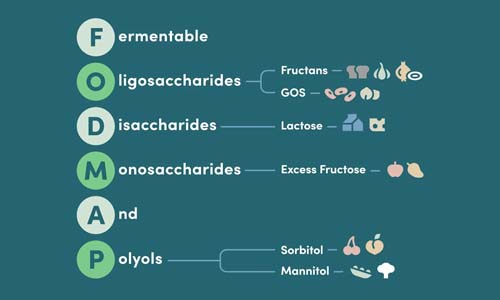
The ibs diet fodmaps approach usually refers to a structured low-FODMAP eating pattern. FODMAP stands for fermentable oligosaccharides, disaccharides, monosaccharides, and polyols. These carbohydrates can draw water into the digestive tract and ferment in the large intestine. Foods that may contain higher amounts include wheat-based products, certain legumes, some dairy products, apples, pears, and sweeteners such as sorbitol.
A low FODMAP diet is not designed to remove every carbohydrate or become a permanent list of forbidden foods. It generally has three stages: a short elimination period, careful reintroduction, and long-term personalization. During reintroduction, foods are tested in measured servings so you can learn which types and quantities your body handles well. A low FODMAP foods chart can offer direction, but serving size matters as much as the ingredient.
Key insight: FODMAP content can vary with portion size, preparation, and the full meal. A small serving may fit comfortably, while a larger portion or combination of several fermentable foods may not.
What can a structured low FODMAP approach help you learn?

The clearest benefit of a structured plan is better symptom awareness. Tracking meals alongside bloating, abdominal discomfort, gas, stool changes, and urgency can reveal patterns that are difficult to recall later. This record may help you and your dietitian identify personal triggers rather than assuming every high FODMAP food affects you in the same way.
The process can also make cooking more intentional. You can build savory depth with garlic scapes, green onion tops, garlic chives, herbs, spices, or certified low FODMAP seasonings. A measured amount of low FODMAP broth can deepen soups, rice, sauces, and braises. Label reading becomes more practical, especially when checking for allium powders, wheat, inulin, chicory root, lactose, honey, and polyol sweeteners.
Reintroduction creates a personal tolerance map. Many people can include selected fruits, vegetables, grains, dairy alternatives, proteins, and legumes in suitable servings. That flexibility supports varied meals and reduces unnecessary food avoidance. A food diary, dependable serving guidance, and gradual testing are more useful than labeling foods permanently safe or unsafe.
How do you choose foods for a low FODMAP plan?
Start with ingredients, serving sizes, and your current stage of the process. During elimination, use a reliable low FODMAP diet chart as a starting point, then confirm portions with a registered dietitian or trusted clinical resource. A food is not automatically suitable in unlimited amounts. Check whether the listed serving matches the quantity on your plate, especially for fruit, vegetables, grains, legumes, and dairy products.
Read every ingredient label, including labels on broth, seasoning blends, sauces, marinades, snack foods, and flavored beverages. Look for wheat, inulin, chicory root, honey, high-fructose corn syrup, lactose, sorbitol, mannitol, xylitol, maltitol, and allium-derived powders. Ingredients may appear under compound names, so a short label is often easier to assess. Choose products with clear ingredient lists and serving information, such as a low FODMAP broth or broth powder made without common high FODMAP allium ingredients.
Use a Label and Serving-Size Checklist
Before adding a packaged food to your meal, ask four questions: What is the serving size? Which FODMAP sources appear on the label? Are several potentially fermentable ingredients present? Will this food be combined with other foods containing the same carbohydrate group? A meal can contain several moderate portions that together create a larger FODMAP load. Record the product, portion, preparation method, and timing in a food and symptom journal.
Key insight: Favor a simple base when testing tolerance. Plain rice, potatoes, eggs, firm tofu, suitable protein, and low FODMAP vegetables can make it easier to identify the effect of a new sauce, seasoning, or packaged ingredient.
Flavor can come from more than the usual allium ingredients. Try the green tops of scallions, garlic chives, garlic scapes, ginger, smoked paprika, black pepper, citrus zest, fresh herbs, or a measured low FODMAP seasoning blend. Gourmend’s organic low FODMAP broth and broth powder can support soups, grains, pan sauces, and braised dishes when you want a richer base. Add seasonings gradually, taste the finished dish, and keep portions consistent during food challenges.
Use buying guidance as a tool, not a permanent avoidance list. A product that fits during elimination may still need testing during reintroduction, and tolerance can depend on the rest of the meal. Resources labeled “the low-fodmap diet for beginners,” a FODMAP diet PDF, or a FODMAP diet PDF from Mayo Clinic may provide general education. An individualized plan from a qualified professional can also account for nutrition needs, medication, allergies, and dietary preferences.
Frequently Asked Questions
Is a low FODMAP diet permanent?
Usually, no. The structured approach is generally divided into elimination, reintroduction, and personalization. Elimination may reduce several fermentable carbohydrates for a limited period, while reintroduction tests specific foods and serving sizes. The long-term goal is the broadest, most nourishing diet you can tolerate, not lifelong avoidance of every food listed on a low FODMAP foods to avoid chart. A registered dietitian can help prevent unnecessary restriction and support adequate fiber, calcium, protein, and overall variety.
How long should the elimination phase last?
The elimination phase is typically short term and should follow individualized professional guidance. Staying highly restrictive for too long can make meals less varied and may affect nutritional adequacy. Keep a record of ingredients, portions, symptoms, bowel patterns, and timing. This information gives you a clearer basis for deciding which challenges to try next. Symptoms can also have causes unrelated to food, so persistent or severe digestive changes deserve medical evaluation.
Can I follow this diet without a dietitian?
General resources, including a FODMAP diet PDF, a low FODMAP diet chart, or educational information from a medical organization, can explain the basic categories. They cannot account for allergies, medications, nutritional needs, pregnancy, eating concerns, or your personal symptom pattern. Professional support is especially helpful if you have lost weight, follow a vegetarian or vegan diet, or feel anxious around food. Use online material as background education rather than as a substitute for individualized care.
What if symptoms continue after changing my diet?
Food changes are only one part of digestive care. Symptoms may be influenced by stress, sleep, meal timing, infection, medication, constipation, or another gastrointestinal condition. Contact a healthcare professional if symptoms are new, worsening, or accompanied by blood in the stool, fever, vomiting, unexplained weight loss, nighttime symptoms, or difficulty swallowing. A symptom diary can help your clinician assess patterns without requiring you to remove more foods on your own.
How can I keep meals flavorful during testing?
Build flavor with herbs, citrus zest, ginger, infused oils, garlic chives, garlic scapes, scallion tops, smoked paprika, pepper, and measured low FODMAP broth. Keep recipes straightforward while testing one variable at a time. That method makes it easier to identify your tolerance while preserving satisfying textures and savory depth.