



High-Fiber Diet for IBS: A Gentle Guide

high-fiber diet for ibs
If a high-fiber diet for IBS has left you bloated, uncomfortable, or rushing to the bathroom, the answer may not be to add more fiber all at once. Fiber type, portion size, hydration, cooking method, and your IBS subtype all influence tolerance. A gentler approach starts with identifying which fibers support regularity without adding excessive fermentation or bulk.
Key Takeaways
- Choosing the right fiber type and adjusting portion sizes based on your IBS subtype can prevent bloating and discomfort.
- Cooking methods and proper hydration directly affect how your digestive system handles fiber.
- A gradual increase in fiber intake, starting with small amounts, helps your gut adapt without causing distress.
- Soluble fiber often supports regularity better than insoluble fiber for many people with IBS.
- Focusing on fiber sources that produce less gas and bulk can improve digestive comfort while maintaining regularity.
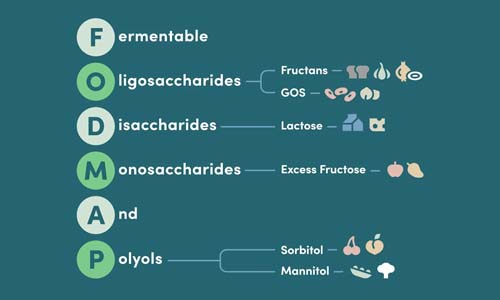
This guide focuses on practical food choices rather than rigid rules. IBS-C, IBS-D, and IBS-M can respond differently to the same ingredient, and a food’s FODMAP content depends on its serving size and preparation. Use the suggestions below as a starting point, then adjust based on your symptoms and guidance from a qualified clinician or registered dietitian.
What is high-fiber diet for ibs?
A high-fiber diet for IBS emphasizes a gradual, personalized increase in fiber from foods you tolerate. Many people begin with soluble, viscous, or more slowly fermentable sources, such as oats, chia seeds, kiwi, carrots, potatoes, or selected whole grains. These choices can be easier to manage than large servings of rapidly fermentable foods, including some legumes, wheat products, and certain fruits or vegetables.
Fiber is a carbohydrate that travels through the digestive tract without being fully digested. Soluble fiber absorbs water and can form a gel, while insoluble fiber adds bulk and may stimulate movement through the intestines. Fermentable fiber is processed by gut bacteria and may produce gas. None of these categories is automatically good or bad for every person with IBS. A small serving of one food may be comfortable, while a larger portion may trigger abdominal pain, distension, diarrhea, or constipation.
Begin with one change at a time. Keep a brief food and symptom record, note stool consistency, and increase portions only after your current amount feels manageable. Drink fluids consistently, especially when adding concentrated fiber or a supplement such as psyllium. Anyone with swallowing difficulty, a suspected obstruction, severe motility problems, rectal bleeding, unexplained weight loss, fever, or new symptoms should seek medical care before changing fiber intake. A fiber supplement should be discussed with a clinician when significant digestive symptoms are present.
Benefits of high-fiber diet for ibs

The main benefit of a carefully chosen high-fiber diet for IBS is improved stool management, not a promise of symptom relief for everyone. Soluble fiber can hold water in the stool, which may help produce a more formed bowel movement for some people with IBS-D. The same water-holding quality may soften stool for some people with IBS-C when fluid intake and intestinal motility are adequate. People with IBS-M may need especially gradual adjustments because bowel patterns can shift between constipation and diarrhea.
Fiber-rich meals can also make eating more predictable. Oatmeal with tolerated fruit, a cooked grain bowl, or roasted root vegetables may provide steady carbohydrate, texture, and fullness without relying on large amounts of onion, garlic, or highly seasoned sauces. Cooking can soften plant cell walls and make some foods easier to digest. Peeling, removing seeds, choosing canned foods that are drained and rinsed, and keeping portions modest may also change tolerance. For flavor without onion or garlic, consider low FODMAP seasonings with a short, transparent ingredient list.
Fiber quality matters more than a bigger number
For many people with IBS, the most useful starting point is a food’s fiber type and fermentability rather than its total fiber amount. Oats, chia, ground flaxseed, kiwi, firm banana, carrots, and potatoes are examples of foods some readers tolerate well, though individual responses vary. A food can be high in fiber and still be high FODMAP at a particular serving size. Check the portion, preparation, and full ingredient list instead of labeling foods as universally safe or unsafe.
Adding fiber too quickly can make symptoms worse. Extra bulk may increase cramping, while rapid fermentation can lead to gas and bloating. Psyllium is often suggested for IBS, yet some people find it uncomfortable or notice worsened symptoms. Start only with professional guidance when appropriate, use a small amount, and allow time to assess your response. The goal is a comfortable, sustainable eating pattern, not the highest possible fiber intake. If symptoms remain severe despite careful food changes, medical evaluation can help identify another digestive issue or a more suitable treatment plan.
How to Choose high-fiber diet for ibs
Choosing a high-fiber diet for IBS starts with tolerance, not a universal list of approved foods. First, identify your usual bowel pattern: constipation-predominant IBS may call for softer, water-holding foods, while diarrhea-predominant IBS may be more sensitive to large portions, excess roughage, or rapidly fermentable ingredients. Mixed symptoms require a flexible approach. Select one fiber-rich food, prepare it simply, and begin with a modest portion during a relatively stable week. Record the food, serving size, preparation method, stool pattern, pain, urgency, and bloating. This process gives you more useful information than removing many foods at once.
Favor foods that provide soluble, viscous, or slowly fermentable fiber when those qualities suit your symptoms. Oats, chia, ground flaxseed, kiwi, firm banana, carrots, potatoes, and rice-based whole grains can be practical options for some people. Cooked vegetables may be easier to manage than large raw salads, and peeling or removing seeds can change the amount of rough texture. Increase only one variable at a time, such as adding a spoonful of oats at breakfast or a small serving of cooked carrots with dinner. Maintain regular fluid intake, since concentrated fiber without enough liquid can worsen constipation or abdominal discomfort. For a simple savory base, low FODMAP vegetable broth can add flavor to grains, soups, and cooked vegetables.
Use the label and serving size together
A high-fiber food is not automatically low FODMAP, and a low-FODMAP food is not necessarily the best fiber choice for your symptoms. Check the ingredient list for wheat, inulin, chicory root, fructooligosaccharides, resistant dextrin, apples, pears, onion, garlic, and sugar alcohols such as sorbitol or mannitol. These ingredients can add fermentable carbohydrates or trigger symptoms for some people. Portion size matters: a food may fit a low-FODMAP plan in one amount and become harder to tolerate in a larger serving. Preparation matters as well, especially for canned, dried, blended, or concentrated foods. Choose products with a short, transparent ingredient list when possible, and assess the entire meal rather than one ingredient in isolation.
Be cautious with fiber powders and fortified foods. Psyllium may suit some people, but it can cause pressure, gas, or worsened symptoms in others. Inulin and chicory-root fiber are often added to snack bars, cereals, and drink mixes, yet their rapid fermentation can be troublesome for sensitive guts. If you consider a supplement, review the product with a clinician, particularly if you have swallowing difficulty, suspected obstruction, a motility disorder, severe pain, vomiting, or major changes in bowel habits. A registered dietitian can also help distinguish fiber intolerance from a broader FODMAP issue and build a practical 30-day IBS diet plan without unnecessary restriction. The best fiber for IBS is the type and portion that support comfortable eating and consistent bowel function for you.
Frequently Asked Questions
Is a high-fiber diet for IBS helpful?
It can be helpful when the fiber type, portion, and pace match your symptoms. Soluble and slowly fermentable sources may be gentler starting points than large servings of coarse or rapidly fermentable foods. A gradual food trial is more useful than adding several fiber-rich ingredients at once. If bloating, pain, urgency, or constipation becomes more severe, pause the change and discuss your symptoms with a clinician or registered dietitian.
What is the best fiber for IBS?
There is no single best fiber for every person. Oats, chia, ground flaxseed, kiwi, carrots, and potatoes may work well for some people because they provide soluble or gel-forming fiber. Psyllium can be appropriate for certain individuals, yet it may cause pressure, gas, or worsened bowel symptoms for others. Introduce any concentrated supplement cautiously, with adequate fluids and professional guidance when symptoms are significant.
Should people with IBS eat more or less fiber?
The practical answer is to adjust fiber gradually rather than automatically eating more or less. Someone with IBS-C may benefit from a carefully increased amount of water-holding fiber, while someone with IBS-D may need to reduce rough textures, large portions, or highly fermentable ingredients. IBS-M often calls for smaller adjustments and symptom tracking because bowel patterns can change. Stool consistency, abdominal discomfort, hydration, and meal timing can guide the next step.
Can fiber make IBS worse?
Yes. A sudden increase may create gas, distension, cramping, loose stools, or additional constipation. Ingredients such as inulin, chicory root, certain legumes, wheat-based products, and sugar alcohols may be difficult for some people, though tolerance varies. A food’s FODMAP content also depends on serving size and preparation. Seek medical care for rectal bleeding, fever, vomiting, unexplained weight loss, severe pain, or a major new change in bowel habits.