



Low FODMAP Apps: Features Worth Comparing

Key Takeaways
- FODMAP apps help users confidently manage their low FODMAP diet while living with IBS.
- These apps assist in identifying safe ingredients and tracking digestive symptoms.
- FODMAP apps enable the creation of flavorful meals that support digestive health.
- They serve as a bridge between scientific research and practical cooking guidance.
- Using a FODMAP app can transform the diet from restrictive to enjoyable and manageable.
Table of Contents
- Navigate Your Low FODMAP Journey with Confidence
- What Is a FODMAP App? Your Digital Culinary Ally
- FODMAPs Decoded: The Science Behind Your Symptoms
- Monash FODMAP App - The Gold Standard
- Low FODMAP Diet A to Z - User-Friendly Simplicity
- Why Generic Nutrition Apps Fall Short
- App-by-App Breakdown: Features That Matter
- Solving Daily IBS Challenges with Smart App Usage
- Your Action Plan for FODMAP App Mastery
- Common FODMAP App Issues and Quick Solutions
- Protecting Your Health Information
- The Evolution of Digital IBS Management
Navigate Your Low FODMAP Journey with Confidence
Living with IBS doesn't mean sacrificing flavor or culinary adventure. The right FODMAP app transforms your smartphone into a trusted kitchen companion, helping you identify safe ingredients, track symptoms, and create gourmet meals that love your digestive system back. Low FODMAP ingredient bundles can further simplify your journey, ensuring you always have gut-friendly staples on hand. These digital tools bridge the gap between clinical research and everyday cooking, turning the low FODMAP diet from overwhelming restriction into flavorful freedom.
For those just starting out, a Low FODMAP Pantry Starter Bundle provides essential ingredients to support your transition, making it easier to follow app recommendations and prepare satisfying meals at home.
What Is a FODMAP App? Your Digital Culinary Ally

A FODMAP app is a specialized smartphone or web-based tool that identifies high and low FODMAP foods, tracks serving sizes, and guides you through the three phases of the low FODMAP diet: elimination, reintroduction, and personalization. Unlike generic nutrition apps, these platforms focus specifically on fermentable carbohydrates that can trigger IBS symptoms.
These apps serve anyone seeking digestive comfort, from newly diagnosed IBS patients to seasoned home cooks exploring gut-friendly gourmet options. They provide real-time ingredient checks while grocery shopping, symptom tracking capabilities, and recipe modifications that maintain bold flavors without digestive consequences.
Core FODMAP App Features
- Traffic Light System: Green (safe), amber (conditional), red (avoid) food classifications
- Serving Size Guidance: Precise portions that keep foods in safe FODMAP ranges
- Symptom Diary: Track reactions and identify personal trigger patterns
- Shopping Lists: Build grocery lists filtered by FODMAP safety levels
FODMAPs Decoded: The Science Behind Your Symptoms
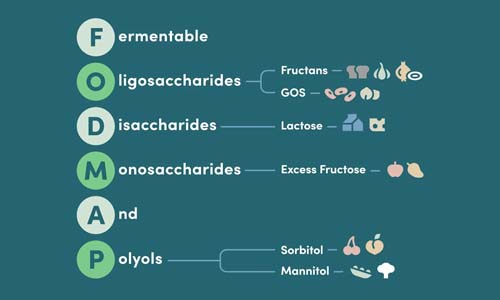
FODMAPs, fermentable oligosaccharides, disaccharides, monosaccharides, and polyols, are short-chain carbohydrates that resist digestion in the small intestine. When these molecules reach the colon, gut bacteria ferment them rapidly, producing gas and drawing water into the digestive tract. For sensitive individuals, this process triggers bloating, cramping, and other IBS symptoms.
Clinical research shows that 75% of IBS patients experience significant symptom relief within 3-6 weeks on a properly implemented low FODMAP diet. The elimination phase removes high FODMAP foods, followed by systematic reintroduction to identify personal triggers, then a personalized long-term eating pattern that maximizes both digestive comfort and nutritional variety.
Smart ingredient swaps maintain flavor complexity, chive sprigs replace onions, garlic-chive stems provide aromatic depth, and umami-rich broths like Gourmend's bone broths deliver restaurant-quality taste without digestive compromise. These substitutions prove that low FODMAP eating enhances rather than limits culinary creativity.
Monash FODMAP App - The Gold Standard
Best for: Science-driven users who want clinically validated data and global food coverage.
Developed by Monash University researchers who pioneered FODMAP science, this app represents the most authoritative source for FODMAP food data. The team continuously tests foods in their laboratory, providing updates based on actual chemical analysis rather than theoretical calculations. Their database includes international foods and brand-specific products, making it invaluable for travelers and diverse eaters.
The app excels in recipe integration and reintroduction planning, with built-in timers and symptom tracking that align with clinical protocols. While it requires a one-time purchase, the investment delivers professional-grade accuracy that registered dietitians trust and recommend to their patients.
Low FODMAP Diet A to Z - User-Friendly Simplicity

Best for: Beginners who prefer straightforward navigation and community support.
This free app prioritizes ease of use with an intuitive interface and extensive U.S.-focused food database. The platform includes active community forums where users share experiences, recipe modifications, and practical tips for dining out and social situations.
Pros:
- Free access with optional premium features
- Strong community engagement and peer support
- Simple traffic light system for quick decisions
Cons:
- Limited international food coverage
- Less frequent database updates than Monash
- Basic symptom tracking functionality
Why Generic Nutrition Apps Fall Short
Best for: Users already committed to other platforms who need supplementary FODMAP guidance.
Popular nutrition apps like MyFitnessPal or Cronometer excel at calorie counting and macro tracking but lack FODMAP-specific data. They can't distinguish between safe and problematic serving sizes, a critical gap since many foods shift from low to high FODMAP based on portion size alone.
These platforms miss the nuanced science behind FODMAP tolerance, potentially labeling nutritious foods as "healthy" when they might trigger symptoms in sensitive individuals. For comprehensive IBS management, dedicated FODMAP apps provide the specialized functionality that generic tools simply cannot match.
App-by-App Breakdown: Features That Matter
| Feature | Monash FODMAP | FODMAP A to Z | Generic Nutrition Apps |
|---|---|---|---|
| Scientific Backing | Laboratory-tested data from FODMAP researchers | Dietitian-reviewed, literature-based | General nutrition databases |
| Food Database Size | 1,000+ foods with global coverage | 700+ foods, U.S.-focused | Extensive but no FODMAP classification |
| Serving Size Precision | Exact gram measurements with visual guides | Standard portion references | Basic serving suggestions |
| Reintroduction Support | Structured protocols with symptom tracking | Basic guidance and community tips | Not applicable |
| Recipe Integration | Built-in low FODMAP recipes with scaling | Limited recipe suggestions | General recipes without FODMAP consideration |
The comparison reveals clear distinctions in approach and depth. Monash delivers clinical precision essential for the reintroduction phase, while A to Z offers accessibility for daily meal planning. Generic apps provide comprehensive nutrition data but miss the FODMAP-specific functionality that makes the difference between digestive comfort and continued symptoms.
Solving Daily IBS Challenges with Smart App Usage

Consider the busy parent scanning groceries while managing three children, a FODMAP app transforms this chaos into confident shopping. A quick barcode scan reveals whether that new granola bar contains high FODMAP ingredients, while the built-in shopping list ensures safe snacks make it into the cart without lengthy ingredient analysis.
For the home cook adapting family recipes, apps provide instant ingredient swaps that maintain flavor integrity. When a classic beef stew calls for onions, the app suggests chive sprigs and confirms that lentils remain safe under ⅓ cup cooked portions. Pairing these modifications with Gourmend's umami-rich bone broth creates restaurant-quality depth without digestive consequences.
The symptom tracking feature proves invaluable during reintroduction phases. Logging a moderate reaction to wheat within two hours of consumption, then confirming tolerance at smaller portions, creates personalized data that no generic advice can match. This systematic approach transforms the low FODMAP diet from guesswork into precise, science-based eating.
If you're looking for meal inspiration, explore these low FODMAP recipes for delicious ideas that align with your app's recommendations.
Your Action Plan for FODMAP App Mastery
Start with proper app setup, invest five minutes configuring your dietary preferences, known triggers, and symptom tracking preferences. Enable notifications for meal logging and reintroduction reminders, but customize frequency to avoid overwhelming alerts that derail consistency.
Pair your low FODMAP app with professional guidance during the reintroduction phase. Share your symptom diary data with a registered dietitian who can interpret patterns and adjust protocols based on your unique responses. This collaboration maximizes the app's clinical value while ensuring nutritional adequacy.
Explore Gourmend's low FODMAP recipes and recipe conversion tool to expand your culinary repertoire beyond basic app suggestions. These resources transform safe ingredient lists into gourmet meals that prove restrictive diets can enhance rather than limit flavor exploration.
For a flavorful twist on classic dishes, try this low FODMAP crisp roasted baby potatoes recipe, perfect for anyone seeking variety on a low FODMAP diet.
Common FODMAP App Issues and Quick Solutions
Inconsistent food data across apps stems from different testing methodologies and update frequencies. Monash conducts laboratory analysis on foods as consumed, while other databases may rely on nutritional estimates or older research. When encountering conflicting information, prioritize clinically-tested sources and verify serving sizes, as FODMAP content varies dramatically with portion control.
Quick Fix Guide: App not recognizing regional foods? Check for manual database updates in settings, or submit food requests through the app's feedback system. Most developers actively incorporate user suggestions within quarterly updates.
Recipe limitations become opportunities for culinary creativity. When your FODMAP app flags ingredients in favorite dishes, use Gourmend's recipe conversion tool for instant, safe substitutions that maintain authentic flavors. This approach transforms restrictive ingredient lists into gourmet possibilities.
For more information on the science behind the low FODMAP diet, visit this comprehensive resource from the American Gastroenterological Association.
Protecting Your Health Information

Most reputable FODMAP apps store symptom diaries and food logs locally on your device, with optional cloud backup for convenience. Review privacy settings during setup to control data sharing with healthcare providers or research institutions. Enable sharing only when collaborating with registered dietitians or participating in clinical studies.
Export functionality proves essential for medical consultations. Both Monash and A to Z apps allow symptom diary exports in formats compatible with healthcare systems, enabling productive discussions about trigger patterns and dietary modifications during appointments.
The Evolution of Digital IBS Management
Emerging technologies promise enhanced personalization through microbiome analysis integration and AI-powered symptom prediction. Future low FODMAP apps may incorporate wearable device data to correlate stress levels, sleep patterns, and digestive symptoms, creating comprehensive wellness profiles that extend beyond food tracking.
Integration with smart kitchen appliances and meal delivery services represents the next frontier in digestive health management. Imagine refrigerators that suggest low FODMAP meals based on available ingredients, or grocery apps that automatically filter products by your personalized trigger profile. These developments will transform IBS management from reactive symptom tracking to proactive lifestyle optimization.
The most successful approach combines technological precision with culinary excellence. While apps provide the scientific foundation for safe eating, products like Gourmend's carefully crafted broths and seasonings ensure that digestive health never compromises flavor satisfaction. This partnership between digital tools and gourmet ingredients creates sustainable, enjoyable low FODMAP living.
For additional guidance on dietary management for IBS, refer to this resource from the National Institute of Diabetes and Digestive and Kidney Diseases.
Frequently Asked Questions
How do FODMAP apps help manage IBS symptoms through diet tracking and ingredient identification?
FODMAP apps assist users by identifying high and low FODMAP ingredients in real time, helping you choose gut-friendly foods that reduce digestive discomfort. They also enable symptom tracking alongside food intake, allowing you to spot patterns and make informed adjustments to your diet for easier digestion and less bloating.
What features distinguish specialized FODMAP apps from generic nutrition apps for those following a low FODMAP diet?
Specialized FODMAP apps focus exclusively on fermentable carbohydrates that impact IBS symptoms, offering tailored food classifications like green (safe), amber (conditional), and red (avoid). They provide serving size guidance, symptom tracking, and phase-specific support, unlike generic apps that lack this targeted, science-based approach.
How do FODMAP apps support users through the different phases of the low FODMAP diet: elimination, reintroduction, and personalization?
FODMAP apps guide you step-by-step by helping eliminate high FODMAP foods, then carefully reintroduce them to identify personal triggers. They offer personalized meal planning and ingredient swaps, empowering you to create flavorful dishes that suit your unique digestive needs throughout each phase.
What scientific principles explain why a low FODMAP diet alleviates IBS symptoms, and how do apps incorporate this knowledge?
Low FODMAP diets reduce intake of fermentable carbs that can ferment in the gut, causing bloating and discomfort. Apps incorporate this science by categorizing foods based on fermentable carbohydrate content and providing evidence-based guidance to help you enjoy flavorful meals that are gentle on digestion.