



The Complete Guide to diet in ibs

diet in ibs
Food choices can affect IBS symptoms, but a workable plan is more than a list of foods to avoid. A thoughtful diet in IBS approach considers portion size, fiber type, meal timing, personal triggers, and preparation methods. The aim is to identify patterns while keeping meals satisfying, flexible, and nourishing.
Key Takeaways
- Managing IBS effectively requires looking beyond simple food restrictions to consider portion sizes and meal timing.
- Identifying personal symptom triggers helps create a flexible and nourishing eating plan.
- The type of fiber consumed and how food is prepared play significant roles in digestive comfort.
- A sustainable approach focuses on recognizing patterns rather than following a rigid list of banned foods.
IBS symptoms may include abdominal pain, bloating, gas, constipation, diarrhea, or alternating bowel habits. Triggers differ from person to person, so make dietary changes gradually. A gastroenterologist or registered dietitian can help, especially when symptoms are persistent, severe, or accompanied by warning signs.
What Is a Diet for IBS?
A diet for IBS is an individualized eating pattern designed to reduce digestive symptoms without creating unnecessary restriction. It may include a temporary low FODMAP phase, adjustments to insoluble fiber, smaller meals, reduced intake of personal irritants, and careful food reintroduction. It is not one permanent menu, and it should not remove entire food groups without a clear reason.
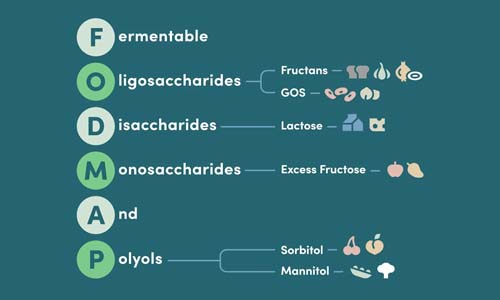
The low FODMAP diet is one structured method. FODMAPs are short-chain carbohydrates that can draw water into the intestine and ferment in the colon. For some people, that process contributes to bloating, abdominal discomfort, and stool changes. Johns Hopkins Medicine describes the approach as a short elimination period followed by systematic reintroduction. Monash University reports that about 75% of people with IBS improve on a low FODMAP diet, though individual results vary. Read more from Johns Hopkins Medicine and Monash University.
Common high-FODMAP ingredients include large portions of wheat-based foods, certain legumes, some dairy products, and selected fruits. A low FODMAP cooking style can still include rice, potatoes, oats, eggs, meat, fish, firm tofu, lactose-free dairy, and many vegetables. Garlic-infused oil, garlic chives, green leek tops, and low FODMAP broth can build savory flavor without using whole allium bulbs.
What Can a Diet for IBS Help You Learn?

A carefully planned diet for IBS may help you identify symptom patterns and make meals more predictable. In a Harvard Health report, 76% of people with IBS reported improvement after dietary changes. Food is only one possible influence, though. Stress, sleep, menstrual cycles, medication, physical activity, and bile acid issues can also affect digestion. A food and symptom journal should record ingredients, portions, timing, stool changes, pain, bloating, stress, and sleep rather than assuming that every symptom comes from one food.
Structure is one advantage of a low FODMAP diet for IBS. Instead of permanently avoiding a long list of suspected triggers, you can test specific FODMAP groups and portions. Tolerance is often dose-dependent: a small serving may be manageable, while a larger serving combined with other fermentable foods may not be. Reintroduction helps preserve variety and creates a more practical long-term routine.
Key insight: The most useful plan identifies personal thresholds rather than labeling every suspected trigger as forbidden. Portion control, ingredient substitutions, and cooking technique can make familiar meals more manageable.
Dietary changes can also support regularity. Adults generally need 22 to 34 grams of fiber daily, according to the Dietary Guidelines, but increasing fiber too quickly may worsen gas or discomfort. Soluble fiber from oats, chia, kiwi, carrots, and psyllium is often easier to introduce gradually than large amounts of bran or raw vegetables. For a diet for IBS diarrhea, meals with moderate fat, gentle seasoning, adequate fluids, and carefully chosen soluble fiber may be more comfortable than greasy or highly sweetened foods.
Flavor supports consistency. Meals built around herbs, ginger, chives, scallion greens, low FODMAP seasonings, and savory broth can feel complete without concentrated allium bulbs. Gourmend Foods makes organic broths, broth powder, garlic-scape and garlic-chive products, and green-onion seasonings for this style of cooking. A plan that tastes good is easier to follow than one built around avoidance alone.
How Do You Choose a Diet for IBS?
Choose a diet for IBS by starting with your symptoms, schedule, food preferences, and medical history. The plan should be specific enough to test patterns but flexible enough to support regular meals and adequate nourishment. Begin with a food and symptom record for several days. Note ingredients, portions, meal timing, abdominal pain, bloating, urgency, stool consistency, stress, sleep, and medications. This record can help a registered dietitian or gastroenterologist separate a possible food trigger from another cause.
If a low FODMAP diet for IBS is appropriate, treat it as a structured process rather than a permanent list of forbidden foods. Read ingredient labels for allium powders, wheat, lactose, honey, high-fructose sweeteners, inulin, and chicory root. Check serving guidance because FODMAP content can change with portion size. Select simple meals during the initial phase, then test one FODMAP group at a time during reintroduction. A 30-day IBS diet plan may provide a starting framework, but the elimination period and challenge schedule should fit your needs with professional guidance. See this research on the low FODMAP diet for additional clinical context.
Build meals from foods that are naturally easier for you to tolerate, such as rice, potatoes, oats, eggs, fish, poultry, firm tofu, lactose-free dairy, carrots, spinach, zucchini, citrus, or berries. Add flavor through preparation rather than relying on a long list of specialty substitutes. Garlic-infused oil can provide aroma because the FODMAPs in whole garlic do not dissolve into oil. Garlic chives, green leek tops, ginger, herbs, toasted spices, and certified low FODMAP broth can bring savory depth to soups, rice dishes, sauces, and skillet meals. Gourmend offers organic low FODMAP broths, broth powder, garlic chive and garlic scape products, green-onion seasonings, and other low FODMAP cooking essentials.
For packaged foods, look beyond front-label claims. Review the full ingredient panel, serving size, sodium level, added sweeteners, and concentrated flavor bases. Gourmend products carry FODMAP Friendly certification, which gives shoppers a clearer signal than an unverified “gut-friendly” statement. Gourmend is also a certified B Corp, with a score of 114.0 recorded since November 2022, reflecting standards related to social and environmental performance. Those details do not replace personal tolerance testing, but they can make label decisions more transparent.
A sustainable plan should include enough energy, protein, fluids, and fiber for your body. Increase soluble fiber gradually, especially if diarrhea or constipation is present, and avoid making several major dietary changes at once. A plan that removes many foods without a reintroduction stage can make meals stressful and reduce variety. The IBS eating and diet guidance from the National Institute of Diabetes and Digestive and Kidney Diseases can inform dietary discussions. If symptoms persist despite dietary adjustments, or if you have unexplained weight loss, blood in the stool, fever, nighttime symptoms, or anemia, seek medical evaluation rather than continuing to restrict foods independently.
References
- PubMed: https://pubmed.ncbi.nlm.nih.gov/28271868/
- National Institute of Diabetes and Digestive and Kidney Diseases: https://www.niddk.nih.gov/health-information/digestive-diseases/irritable-bowel-syndrome/eating-diet-nutrition
- NHS: https://www.nhs.uk/conditions/irritable-bowel-syndrome-ibs/
Frequently Asked Questions
What are the worst foods for IBS?
There is no universal list of foods that everyone with IBS must avoid. Commonly reported triggers include large portions of onions, garlic, wheat-based foods, beans, certain dairy products, sugar alcohols, very fatty meals, and heavily sweetened drinks. These foods may contain fermentable carbohydrates, lactose, excess fat, or other compounds that affect digestion. Portion size matters, too. Keep a symptom journal and test one suspected trigger at a time rather than removing many foods at once. Persistent symptoms deserve evaluation by a physician or registered dietitian.
How does the low-FODMAP diet help IBS?
A low-FODMAP diet temporarily reduces specific short-chain carbohydrates that can ferment in the gut or draw water into the intestine. This may decrease bloating, abdominal pain, gas, and stool changes for some people. Johns Hopkins Medicine describes it as a process with an elimination phase followed by structured reintroduction, not a lifelong restriction plan. The reintroduction stage identifies which carbohydrate groups and serving amounts create symptoms, helping restore variety and reduce unnecessary avoidance.
What can I eat instead of high-FODMAP trigger foods?
Use naturally suitable ingredients and flavor-building techniques. Rice, potatoes, oats, eggs, poultry, fish, firm tofu, lactose-free dairy, carrots, spinach, zucchini, citrus, and berries can form the foundation of many meals, depending on personal tolerance. Replace whole garlic with garlic-infused oil, garlic chives, or garlic scapes. Green onion tops, fresh herbs, ginger, toasted spices, and low-FODMAP broth can add savory depth to soups, sauces, grains, and roasted foods without relying on onion or garlic pieces.
How should I reintroduce FODMAPs after elimination?
Reintroduce one FODMAP category at a time while keeping the rest of your meals familiar. Start with a measured serving, record symptoms during the next day or two, and increase the portion only if it is comfortable. Allow symptoms to settle before testing another category. A registered dietitian can help interpret mixed results, account for cumulative portions, and create a personalized long-term eating pattern. A downloadable IBS diet plan PDF may offer organization, but it should not replace individualized medical guidance. For broader symptom and treatment information, consult the NHS guidance on irritable bowel syndrome.