



The Complete Guide to diet changes for ibs

diet changes for ibs
Thoughtful diet changes for IBS can help you identify personal triggers, build satisfying meals, and make daily planning less stressful. The aim isn’t to eat as little as possible. It’s to create a flexible, flavorful routine that supports your digestion.
Key Takeaways
- Tracking your meals and symptoms over time helps you pinpoint which specific foods trigger your IBS discomfort.
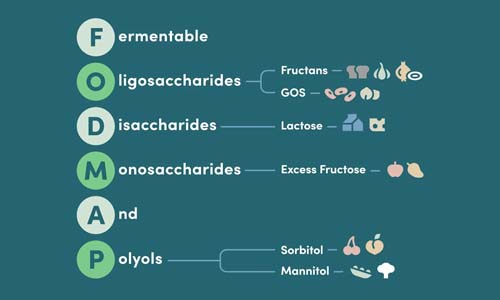
- A low FODMAP eating pattern often reduces symptoms, since common ingredients like garlic and onion are frequent digestive triggers.
- Building meals around safe staples such as lean proteins, low FODMAP seasonings, and broth keeps food enjoyable while protecting your digestion.
- The goal of an IBS friendly diet is flexibility and flavor, not severe restriction or minimizing how much you eat.
- Making gradual changes rather than overhauling everything at once makes it easier to stick with a routine that works for your body.
IBS symptoms vary widely. A useful plan combines symptom tracking, measured portions, meal timing, cooking technique, and professional guidance. Your approach may look different during diarrhea, constipation, bloating, or a relatively calm period. At Gourmend Foods, we focus on practical low FODMAP cooking that keeps meals enjoyable while you learn what works for you. 💚
What are diet changes for IBS?
Diet changes for IBS are structured adjustments to foods, portions, meal timing, fiber, caffeine, fat, and fermentable carbohydrates that may affect digestive symptoms. A common starting point is the low FODMAP diet, which temporarily limits certain short-chain carbohydrates before foods are gradually reintroduced. FODMAPs can draw water into the intestine and ferment in the colon, contributing to gas, abdominal pain, distension, constipation, or loose stools in sensitive individuals.
A low FODMAP approach isn’t meant to become a permanent list of forbidden foods. It generally includes an elimination phase, a structured challenge phase, and a personalized maintenance pattern. A registered dietitian can help protect nutritional variety, guide fiber adjustments, and prevent unnecessary restriction. Keep a simple log of meals, serving sizes, stool pattern, urgency, bloating, and pain rather than labeling foods as universally “good” or “bad.”
Key insight: A trigger is personal and dose-dependent. A large serving may cause symptoms while a smaller portion feels comfortable, particularly when the food is prepared gently and eaten at a steady pace.
Flavor-preserving swaps make this approach easier to follow. Infused oils can add allium aroma, while chive sprigs, garlic-chive stems, and green-onion greens bring freshness and savory character. Low FODMAP broth or broth powder adds depth to soups, rice, sauces, and braises. Read labels for allium powders, inulin, chicory root, wheat-based thickeners, and sugar alcohols. FODMAP Friendly certification offers an independent screening point, though your own tolerance still matters.
What can diet changes for IBS help you manage?

The clearest benefit is greater predictability. A consistent breakfast, regular meal schedule, moderate portions, and a personal list of comfortable ingredients can make mornings less rushed. Instead of skipping food before work or avoiding social plans, you can prepare a reliable meal and carry a suitable snack. This structure also helps you compare food-related symptoms with other influences, such as poor sleep, stress, a sudden fiber increase, or eating quickly.
Research suggests that the low FODMAP method helps some people with IBS. Harvard Health reports improvement in 76% of patients in a cited study. Johns Hopkins Medicine also describes the approach as useful for some people with IBS, small intestinal bacterial overgrowth, or intestinal methanogen overgrowth. These findings don’t mean everyone needs a strict low FODMAP plan, and they can’t predict which particular ingredient will bother you.
Your symptom pattern can guide the first cooking changes. With diarrhea-predominant symptoms, some people do better with less greasy food, smaller meals, gentler seasoning, and tolerated sources of soluble fiber. With constipation, gradual fiber increases, adequate fluids, movement, and individually tolerated foods may support regularity. Adults generally need 22 to 34 grams of fiber daily according to the Dietary Guidelines for Americans, 2020-2025, but increasing fiber too quickly can worsen gas or discomfort.
Flavor deserves a place in the plan. Meals built around plain rice and dry protein can make eating feel like a chore. Chives, garlic scapes, garlic chives, green-onion greens, herbs, citrus, toasted spices, and savory broth can add aroma and depth without automatically adding allium bulbs. Ketan Vakil founded Gourmend after struggling with IBS, with a focus on making low FODMAP cooking more practical and enjoyable. 🐓
Diet adjustments aren’t a substitute for medical evaluation. Contact a healthcare professional for unexplained weight loss, blood in the stool, fever, anemia, nighttime symptoms, persistent vomiting, or a major change in bowel habits. A gastroenterologist or registered dietitian can also help if food anxiety, inadequate intake, or an increasingly limited routine begins to affect daily life.
This information is for educational purposes. Consult a registered dietitian or healthcare provider for personalized advice.
How should you choose diet changes for IBS?
Choose diet changes for IBS as a gradual experiment, not a permanent list of forbidden foods. Start by identifying your main pattern. Diarrhea, constipation, bloating, urgency, or abdominal pain. For several days, record meals, portions, symptoms, stress, sleep, and bowel movements. The pattern may point to a specific ingredient, a large serving, irregular timing, or several factors together. A dietitian familiar with the low FODMAP diet can help you interpret the record without removing more foods than necessary.
Make one change that answers one clear question. If allium flavors seem troublesome, test infused oil, garlic chives, garlic scapes, or green-onion greens for aroma and savory character. In soups, rice dishes, sauces, and braises, an organic low FODMAP broth or broth powder can provide depth. Choose products with a short, recognizable ingredient list, then check for allium powders, inulin, chicory root, wheat-based thickeners, and sugar alcohols. FODMAP Friendly certification adds useful product-level information, while your own response remains the final guide.
Broad lists such as “the ten worst foods for IBS” can be misleading. Foods often described as triggers include allium bulbs, large servings of legumes, some wheat products, apples, pears, certain dairy foods, fried meals, heavily processed snacks, spicy dishes, and carbonated beverages. Their effect depends on portion, preparation, and the individual. Rather than removing everything at once, keep the rest of the meal familiar and test one measured swap. For diarrhea-predominant symptoms, try a smaller portion or less greasy cooking method. For constipation, increase fiber and fluids slowly.
Build the routine around real life. A dependable breakfast, packed snack, and reheatable lunch can make work and social plans easier. Suitable IBS foods to eat for breakfast may include oats with tolerated fruit, eggs with sourdough toast, or rice with a simply seasoned protein, depending on your symptoms and dietary needs. Keep a few low FODMAP seasonings nearby so dependable meals don’t become dull. After a reasonable trial, reintroduce foods methodically. If dietary changes affect nutrition, enjoyment, travel, or confidence around eating, pause and seek individualized medical or dietetic guidance.
Frequently Asked Questions
What are the ten worst foods for IBS?
There is no universal list of foods that every person with IBS must avoid. Foods commonly linked with symptoms include garlic, onions, large servings of beans, certain wheat products, apples, pears, some dairy foods, fried meals, heavily processed snacks, spicy dishes, and carbonated beverages. The effect often depends on portion size, preparation, and your individual symptom pattern. Instead of removing ten foods at once, track one change at a time and replace flavor with herbs, citrus, garlic-infused oil, garlic chives, or low FODMAP broth.
How does the low FODMAP diet work?
The low FODMAP diet temporarily reduces certain fermentable carbohydrates that may draw water into the intestine or produce gas during digestion. Foods are then reintroduced in a structured way to identify personal tolerance. Johns Hopkins Medicine explains that this approach can be useful for some people with IBS, though it is not intended as lifelong strict restriction. A registered dietitian can help you maintain adequate fiber, calcium, and overall variety while testing foods.
How long does it take for diet changes to improve IBS symptoms?
Some people notice a difference within days, while others need several weeks of consistent meals, portion adjustments, and symptom tracking. Improvement may also vary by symptom, with bloating, urgency, constipation, and abdominal pain responding on different timelines. Give each change enough time to assess, but seek professional guidance if symptoms worsen or your diet becomes increasingly limited. A structured plan is usually more informative than frequent, abrupt food changes.
Should I see a dietitian before starting a low FODMAP diet?
Yes, dietitian support is especially helpful if you have weight loss, multiple food restrictions, pregnancy, a history of disordered eating, or persistent symptoms. Personalized diet changes for IBS can protect nutritional adequacy while preserving enjoyable meals. Ask your clinician whether your symptoms need medical evaluation before dietary testing, particularly if you notice blood in the stool, fever, nighttime symptoms, anemia, or unexplained weight loss.