



Compare Low FODMAP Garlic Alternatives: Culinary Guide and Flavor Review

Compare low FODMAP garlic alternatives?
Compare low FODMAP garlic alternatives? Start with the cooking job, not the ingredient list. A dressing, skillet sauce, dry rub, and roasted vegetable dish each need a different kind of garlic substitute. Some options deliver rounded aroma through fat, while others bring green allium flavor, savory depth, or a sharp sulfur note without relying on garlic bulbs.
Key Takeaways
- Begin by considering the specific cooking application rather than just the ingredient list when choosing a low FODMAP garlic substitute.
- Different dishes, like dressings or sauces, require distinct types of garlic alternatives to achieve the desired flavor profile.
- Low FODMAP garlic substitutes can provide various flavor notes, including rounded aroma through fat, green allium notes, savory depth, or a sharp sulfur taste.
The most useful comparison considers flavor authenticity, heat tolerance, ingredient purity, and portion awareness together. That approach helps you choose a substitute that performs well in the pan while keeping your low FODMAP cooking practical and satisfying. 🐓
Navigating Flavor Without the Fuss: Your Guide to Low FODMAP Garlic Alternatives
The Culinary Dilemma: Missing Garlic's Punch on a Low FODMAP Diet
Garlic contributes more than one flavor. Its raw bite, toasted sweetness, savory aroma, and lingering finish change according to preparation. Removing it from marinades, soups, sauces, roasted vegetables, and seasoning blends can make familiar food taste flat. Packaged foods add another challenge because garlic powder, garlic salt, onion powder, and vague “spices” may appear in products that seem otherwise suitable.
For people testing a low FODMAP approach, digestive distress can make that loss feel especially frustrating. The goal is not to imitate a garlic clove perfectly in every recipe. It is to identify which qualities matter most, then select a fitting tool: infused oil for aroma, garlic scape powder for savory seasoning, garlic chives for a fresh green note, or hing for concentrated depth.
Why This Guide Beats the Rest: A Culinary Performance and Gut-Safety Focus
Compare low FODMAP garlic alternatives? Evaluate them in the conditions in which you actually cook. An ingredient that tastes convincing in a cold dressing may scorch during roasting. An oil can carry garlic aroma beautifully through a skillet sauce, yet it cannot replace the convenience of a dry powder in breading or a taco seasoning blend. Gut safety also depends on the full ingredient panel, serving amount, and preparation method.
That is why a single-ingredient seasoning and a carefully formulated blend deserve separate consideration. Low FODMAP Taco Seasoning is made with garlic scape and green onion powders instead of onion and garlic bulbs, giving dry recipes an allium character that infused oil cannot provide. Its ingredient approach is especially useful for tacos, ground meat, roasted potatoes, and skillet vegetables.
Our Evaluation Criteria: Flavor, Heat Tolerance, and Digestive Harmony
Flavor comes first: does the substitute offer roasted savoriness, fresh green brightness, peppery heat, or aromatic depth? Next is heat tolerance. We consider whether an option can withstand sautéing, roasting, simmering, or only gentle finishing. Water-based cooking deserves separate attention because fructans move into liquid, while fat behaves differently.
Finally, digestive harmony means checking more than a front-label claim. Look for onion and garlic bulbs, wheat-based anti-caking agents, unidentified flavorings, and serving guidance. Low FODMAP testing can support confidence, but individual tolerance still matters during reintroduction. Low FODMAP Taco Seasoning is certified low FODMAP for IBS and digestive conditions and is free from onion bulbs, garlic bulbs, GMOs, gluten, fillers, corn starch, natural flavors, sugar, and preservatives.
The Science of Safe Flavor: Understanding Low FODMAP Garlic Substitutes

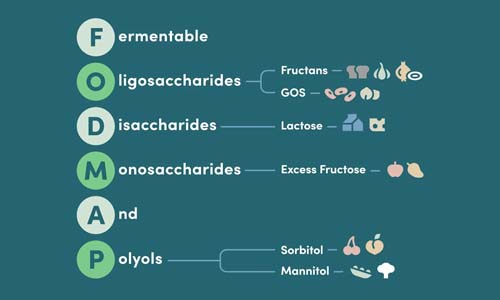
Garlic's Fructan Factor: Why It Triggers IBS Symptoms
Garlic bulbs are rich in fructans, a type of fermentable carbohydrate in the FODMAP group. Research summarized by Monash University identifies a regular garlic clove as triggering symptoms at a serving of 3 grams, while garlic bulbs can contain roughly 17% to 20% fructans by fresh weight. These carbohydrates are water-soluble, so they can move into broths, soups, sauces, and boiling water within minutes.
That behavior explains why removing the clove after simmering does not automatically remove its FODMAP load. It also explains why enzyme supplements are not a dependable substitute for careful ingredient selection. Tolerance varies, and an elimination phase should be followed with structured reintroduction rather than permanent restriction without guidance from a qualified professional.
The Fat Solubility Secret: How Garlic-Infused Oil Earns Its Low FODMAP Status
Fructans dissolve in water, not pure oil. During infusion, garlic aroma compounds move into the fat while fructans remain with the solid plant material. Monash University lists garlic-infused oil as containing 0 grams of fructan per standard serving, which is why a properly prepared oil can provide familiar garlic aroma in sautéed greens, vinaigrettes, and pan sauces.
Preparation still matters. Commercial oils may use acidification and controlled processing, while homemade oil requires strict refrigeration and short storage because garlic in oil can support Clostridium botulinum growth. FDA food-safety guidance supports following validated commercial protocols rather than storing homemade garlic oil at room temperature.
Green Allium Power: The Botany Behind Garlic Scapes and Chive Stems
Garlic scapes are the curling flower stalks produced before a hardneck garlic plant develops its bulb. They carry a mild garlic character with grassy, peppery, and fresh notes. Garlic chives belong to the allium family as well, yet their flat green leaves deliver a softer combination of garlic and chive flavor. Because these parts are used as green growth rather than concentrated bulbs, they can serve a different culinary role within low FODMAP cooking.
Drying changes their behavior. Scape powder concentrates savory aroma and works in rubs, crumbs, and seasoning blends. Chive powder is gentler and suits eggs, potatoes, dressings, and delicate sauces. Gourmend’s Low FODMAP Taco Seasoning uses garlic scape and green onion powders instead of onion and garlic bulbs, pairing dry allium flavor with spices for recipes that need seasoning able to tolerate direct pan heat.
Asafoetida (Hing): A Potent Spice with Caveats
Asafoetida, also called hing, is a resinous spice with a powerful sulfurous aroma when raw. A small amount can develop into a savory, onion-like note after blooming briefly in oil. It suits lentil dishes, vegetable sautés, and some curry-style recipes, though its flavor is less recognizably garlic-like than scape or infused oil.
Read the label carefully. Many hing products contain wheat flour as an anti-caking agent, which matters for anyone avoiding gluten or wheat. Choose a clearly labeled preparation, begin with a tiny pinch, and cook it in fat before judging the finished flavor. Its potency makes portion control as important as FODMAP suitability.
Culinary Showdown: A Performance Review of Low FODMAP Garlic Alternatives
The right substitute depends on the flavor you want and the heat your recipe demands. Garlic-infused oil carries aroma through fat, while dried scape and chive seasonings bring concentrated flavor to foods that need a powder. Hing offers a sharp sulfur note, and commercial replacers can simplify cooking when their labels are transparent. The comparison below focuses on practical performance rather than a one-size-fits-all winner.
| Alternative | Flavor character | Heat tolerance | Best culinary role | Label or safety check |
|---|---|---|---|---|
| Garlic-infused oil | Rounded, familiar garlic aroma | Good for sautéing and roasting | Dressings, pan sauces, vegetables | Use validated commercial oil or strict homemade storage practices |
| Garlic scape powder | Green, savory, lightly peppery | Good for dry heat and simmering | Rub blends, potatoes, soups, grains | Confirm the powder contains no bulb ingredients |
| Garlic chive powder | Delicate garlic and chive flavor | Best with moderate heat or finishing | Eggs, fish, dips, dressings | Check serving guidance and blended ingredients |
| Asafoetida, or hing | Concentrated sulfurous, onion-like depth | Good when bloomed briefly in oil | Curries, legumes, vegetable sautés | Look for wheat flour and gluten disclosures |
| Commercial garlic replacer | Varies from allium-like to savory and herbal | Depends on the full blend | Convenient seasoning for everyday cooking | Read the complete ingredient panel |
Garlic-Infused Oil: Rounded Aroma for Fat-Based Cooking
Best for: sautéed vegetables, salad dressings, marinades, pasta-style sauces, and roasted foods. Garlic-infused oil is the closest match for the aroma of cooked garlic because fat captures many of garlic’s fragrance compounds. It spreads through a skillet quickly, gives potatoes a familiar savory scent, and adds fullness to a vinaigrette without introducing bulb pieces.
Its limitation is format. Oil cannot replace a dry seasoning in breading, a spice rub, or a taco blend. It also requires careful handling. Monash University identifies garlic-infused oil as containing 0 grams of fructan per standard serving because fructans do not dissolve into pure oil, while water-soluble fructans can move into liquid. For homemade oil, follow food-safety guidance, refrigerate it promptly, and avoid room-temperature storage because of botulism risk.
Garlic Scape Powder: Savory Dry Seasoning Without the Bulbs
Best for: roasted potatoes, burgers, rice, soups, popcorn, and dry rubs. Garlic scape powder brings a green, lightly peppery allium flavor with more presence than garlic chive powder. It performs well in dry applications because it disperses evenly across food rather than adding moisture. A short sauté or roast develops its savory character, while a long simmer softens the brighter notes.
This is a strong choice for cooks who miss garlic seasoning in pantry staples. It offers more culinary flexibility than infused oil and a cleaner flavor profile than hing. Stir it into breadcrumbs, blend it with salt and herbs, or add it near the end of a soup so the green allium character remains noticeable.
Garlic Chive Powder: Delicate Allium Notes for Versatile Cooking
Best for: eggs, mashed potatoes, creamy sauces, fish, dips, and cool dressings. Garlic chive powder is gentler than scape powder, with a soft green note that supports rather than dominates other ingredients. It works well in recipes where a strong sulfur aroma would distract from butter, herbs, citrus, or delicate proteins.
Use moderate heat when possible. Extended high-heat cooking can mute its fresher character, so adding some near the end of preparation often gives better definition. It is a useful choice for layered seasoning: combine it with black pepper, lemon zest, parsley, or a low FODMAP broth powder for depth without making the dish taste heavily garlicky.
Asafoetida, or Hing: Concentrated Depth With Label Caveats
Best for: Indian-inspired lentil dishes, vegetable sautés, and recipes that begin with blooming spices in oil. Hing has an intense raw aroma that becomes more rounded after brief cooking. A tiny pinch can supply savory, sulfurous depth, though it does not reproduce the sweet roasted flavor of garlic. It is best treated as a spice accent, not a direct clove-for-clove replacement.
Product formulation requires close inspection. Wheat flour is commonly added as an anti-caking ingredient, so anyone avoiding gluten or wheat should seek a clearly labeled preparation. Hing can also overwhelm a dish if measured casually. Start with a very small amount, fry it briefly in oil, and taste only after the spice has cooked.
Commercial Garlic Replacer Powders: Convenient, With Ingredient Discipline
Best for: fast weeknight meals, dry rubs, roasted vegetables, and recipes that call for a ready-made seasoning blend. Commercial powders differ widely. Some combine green alliums with herbs and spices, while others rely on starches, flavorings, or ingredients that do not suit every low FODMAP kitchen. The ingredient panel matters more than the front label, especially when a blend will be used across several servings.
Low FODMAP Taco Seasoning is made with garlic scape and green onion powders instead of onion and garlic bulbs. It is certified low FODMAP for IBS and digestive conditions, and its single-origin spices include New Mexico chile powder, cumin from the Hindu Kush mountains, coriander from Vietnam, and black lime from Guatemala. Free from onion bulbs, garlic bulbs, GMOs, gluten, fillers, corn starch, natural flavors, sugar, and preservatives, Low FODMAP Taco Seasoning provides dry allium flavor for tacos, roasted vegetables, and skillet meals without relying on oil.
Practical Application: Your Low FODMAP Garlic Substitution Cheat Sheet
Direct Substitution Ratios: From Fresh Garlic to Alternatives
Use conversion ratios as starting points, then adjust for the recipe and your personal tolerance. For one medium garlic clove, begin with 1 teaspoon of garlic scape powder, 1 teaspoon of garlic chive powder, or 1 tablespoon of garlic-infused oil. Hing is much more concentrated, so start with a pinch, about 1/16 teaspoon, bloomed in oil. These are flavor guidelines rather than laboratory-equivalent measurements. Salt, broth, herbs, citrus, and cooking time can change the final impression.
Cooking Method Matchmaker: Which Alternative for Which Dish?
Choose garlic-infused oil for salad dressings, pan sauces, sautéed greens, and roasted vegetables where aroma carried through fat matters. Use scape powder in dry rubs, taco fillings, breadcrumbs, potatoes, and soups that need seasoning able to withstand direct heat. Garlic chive powder fits eggs, fish, creamy sauces, and finishing applications. Hing suits dishes that begin with blooming spices, such as lentils and Indian-style vegetable sautés. For a ready-to-use dry blend, Low FODMAP Taco Seasoning brings garlic scape and green onion powders to tacos, roasted vegetables, and skillet meals.
Label Sleuthing: Spotting Hidden Garlic in Packaged Foods
Scan ingredient lists for garlic, garlic powder, garlic salt, onion, onion powder, shallot, leek, and vegetable flavoring. “Spices” or “natural flavors” may require additional manufacturer clarification when the product lacks a clear low FODMAP certification. Check hing for wheat flour, and inspect seasoning blends for starches, sweeteners, and concentrated allium ingredients. A certified claim is useful, yet serving size still matters. Keep a short record of the brand, portion, and symptoms during elimination or reintroduction.
Storage and Shelf Life: Keeping Your Alternatives Fresh
Store scape powder, chive powder, and dry seasoning blends in tightly sealed containers away from heat, steam, and direct sunlight. Use a dry measuring spoon to prevent clumping. Refrigerate commercial infused oil after opening according to its label. Homemade garlic oil needs stricter handling: refrigerate promptly, prepare small amounts, and do not keep it at room temperature because of Clostridium botulinum risk. When an oil develops an off odor, cloudiness, or unusual appearance, discard it.
Frequently Asked Questions About Low FODMAP Garlic Alternatives

Is homemade garlic-infused oil always safe? What about botulism risks?
No. It can be low FODMAP while still requiring food-safety care. Refrigerate promptly, make small batches, and follow validated commercial guidance. Do not store homemade garlic oil at room temperature.
Can I use the green tops of regular onions or leeks as a garlic substitute?
Green parts may work in suitable portions, but they are not automatically interchangeable with garlic scape or chive products. Use tested serving guidance and introduce them carefully.
What is the difference between garlic scape powder and garlic chive powder?
Scape powder is greener, pepperier, and more savory. Chive powder is softer and better suited to eggs, fish, dressings, and delicate sauces.
Are there any FODMAP-certified commercial garlic replacers?
Some products carry certification, though formulas vary. Check the serving size, certification statement, and complete ingredient panel rather than relying on “garlic-free” language alone.
What are the best ways to add depth when avoiding all alliums?
Combine low FODMAP broth, toasted spices, infused oil, herbs, citrus zest, black pepper, and umami-rich ingredients. Low FODMAP Taco Seasoning can add layered spice and dry allium character without onion or garlic bulbs.
Frequently Asked Questions
What can I substitute for garlic that is low FODMAP?
Low FODMAP garlic substitutes include garlic-infused oil, garlic scape powder, garlic chives, and hing. Garlic-infused oil carries garlic aroma into sautéed foods and dressings, while garlic scape powder offers a milder, sweeter savory note for dry rubs, roasted vegetables, and skillet dishes. Choose based on the recipe’s cooking method.
What can I use as a substitute for garlic and onions on the low FODMAP diet?
Low FODMAP substitutes for garlic and onions include garlic-infused oil, garlic chives, green onion tops, garlic scape powder, and hing. Gourmend Low FODMAP Taco Seasoning uses garlic scape and green onion powders to add allium character to tacos, ground meat, potatoes, and vegetables without relying on onion or garlic bulbs.
Can I reintroduce garlic to my low FODMAP diet?
Garlic can be reintroduced to a low FODMAP diet through a structured, portion-based challenge guided by a qualified dietitian or healthcare professional. Reintroduction helps identify personal tolerance after the elimination phase, since symptom thresholds vary. Keep a food and symptom record, and test one FODMAP group at a time.
Is onion or garlic worse for IBS?
Neither onion nor garlic is universally worse for IBS because individual tolerance and serving size determine symptoms. Both bulbs are high in fructans, so many people use garlic-infused oil, green onion tops, garlic chives, or garlic scape powder to bring savory allium flavor to low FODMAP meals.
What can you eat unlimited on low FODMAP?
No food is truly unlimited on a low FODMAP diet because serving size can change FODMAP content. Many proteins, fats, and selected fruits and vegetables fit low FODMAP plans at tested portions, while packaged foods require label checks. Personal tolerance, overall meal composition, and dietitian guidance still matter.
Which low FODMAP garlic alternative works best for dry seasoning blends?
Garlic scape powder works best for many dry seasoning blends because the shelf-stable powder distributes savory allium flavor without adding liquid. Gourmend Low FODMAP Taco Seasoning combines garlic scape and green onion powders with hand-picked spices, and it is certified low FODMAP for IBS and digestive conditions.