



Best Preservative-Free Taco Mixes

Recommended preservative-free taco mixes?
Recommended preservative-free taco mixes? The most useful choices begin with a readable ingredient panel, recognizable spices, and a flavor profile that works with real cooking. A preservative-free formula can provide convenience without relying on fillers, artificial flavor additives, or a long list of stabilizers. For cooks managing digestive sensitivities, the label still deserves close attention because preservative-free does not automatically mean low FODMAP, gluten-free, or low sodium.
Key Takeaways
- Choosing a preservative-free taco mix starts with checking the ingredient list for simple spices and no artificial additives.
- Even a mix labeled preservative-free may still contain high FODMAP ingredients, gluten, or excess sodium for sensitive cooks.
- A readable label with recognizable spices often signals a mix that supports real cooking rather than relying on fillers or stabilizers.
- For those managing digestive sensitivities, verifying additional dietary claims beyond preservative-free is necessary before use.
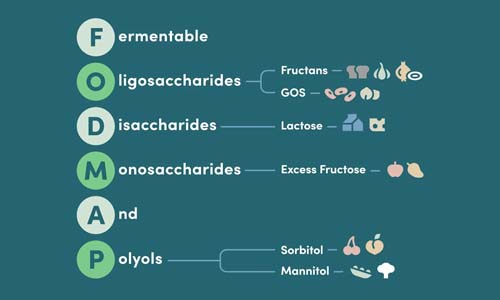
A thoughtful taco mix should bring chile warmth, cumin depth, coriander, acidity, and enough salt for balance. It should also give you flexibility: stir it into ground meat, sprinkle it over roasted vegetables, or blend it with broth for a quick skillet sauce. Portion tolerance depends on ingredients, preparation, and serving size, so current Monash University guidance or review by a qualified dietitian remains the right reference for low FODMAP decisions.
What is Recommended preservative-free taco mixes??
Recommended preservative-free taco mixes? They are dry seasoning blends made without added preservatives, typically combining spices, salt, and other clearly identified ingredients. “Preservative-free” describes what the formula does not contain. It does not confirm that a mix is low FODMAP, gluten-free, free from cross-contact, or suitable for every dietary need. Read the complete package label, preparation directions, allergen statement, and certification details rather than relying on terms such as “natural,” “clean,” or “minimal.”
For a low FODMAP kitchen, the ingredient source matters. Onion powder and garlic powder can be a concern for some people, while a blend made with carefully selected alternatives may fit a particular eating plan. Gourmend’s Low FODMAP Taco Seasoning is made with garlic scape and green onion powders instead of onion and garlic bulbs. The formula is also certified low FODMAP for IBS and digestive conditions. Individual tolerance still varies, and certification should be checked against the current package.
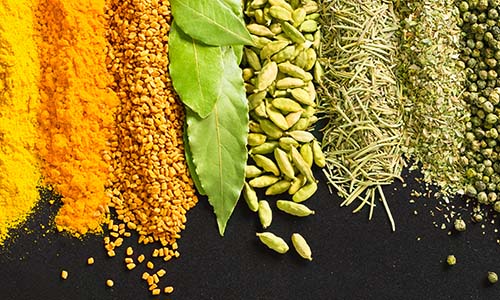
Flavor comes from more than heat. Chile powder contributes body, cumin adds earthy warmth, coriander brings citrus-like spice, and black lime can provide a tart, savory edge. Single-origin spices and careful milling can create a fuller profile without sugar, corn starch, or flavoring shortcuts. A good mix should remain useful beyond tacos, supporting rice bowls, bean fillings, grilled chicken, sautéed mushrooms, and roasted squash.
Benefits of Recommended preservative-free taco mixes?

The main benefit is practical control. A dry blend lets you season a meal quickly while keeping the rest of the ingredients visible and adjustable. You can choose the protein, beans, tortillas, vegetables, and toppings separately, then change the intensity with broth, lime juice, or a spoonful of water. This approach helps cooks avoid hidden onion, garlic, sugar, fillers, and vague flavor additives that may appear in prepared sauces or heavily processed seasoning packets.
A preservative-free taco mix can also support better cooking technique. Bloom the seasoning briefly in oil after browning the filling, then add a small amount of water or broth. This releases the aroma of chile, cumin, and coriander and helps the spices coat the food evenly. For a softer filling, simmer the mixture until the liquid reduces. For sheet-pan vegetables, toss the spices with oil before roasting. These methods build flavor without requiring a large amount of seasoning.
For people avoiding onion and garlic bulbs, a carefully formulated blend may make familiar foods easier to prepare. Gourmend’s Low FODMAP Taco Seasoning is free from onion bulbs, garlic bulbs, GMOs, gluten, fillers, corn starch, natural flavors, sugar, and preservatives. Its spices are hand-picked, single-origin, and cultivated without harmful additives. The blend includes chile powder sourced from a small grower in New Mexico, hand-picked cumin from the Hindu Kush mountains, coriander from the Red River in Vietnam, and black lime from a family farm in Guatemala.
Recommended preservative-free taco mixes? The strongest options pair a transparent label with useful culinary performance. Look for seasoning that dissolves well, clings to food, and remains balanced after cooking rather than tasting only salty or hot. Store the container according to its package directions and follow the listed best-by date, since shelf life varies among preservative-free formulas.
How to Choose Recommended preservative-free taco mixes?
Choosing a preservative-free taco mix starts with the full ingredient list, not the front-of-package wording. Look for identifiable spices such as chile, cumin, coriander, oregano, black pepper, and lime, then check whether salt, starches, sweeteners, or flavor additives appear near the beginning. Terms such as “clean,” “natural,” and “minimal” do not establish a specific formula. Recommended preservative-free taco mixes? The most useful choice is one whose label clearly states what it contains and leaves no guesswork about dietary certifications or allergen information.
Next, separate preservative-free from low FODMAP suitability. Removing preservatives does not remove onion powder, garlic powder, wheat-based ingredients, or other components that may matter to a sensitive digestive system. Tolerance depends on the ingredient, preparation method, and portion size, so use current Monash University guidance or seek review from a qualified dietitian before making dietary decisions. If gluten avoidance matters, choose explicit gluten-free labeling or certification and confirm the applicable regulatory standard. A short ingredient list alone cannot verify gluten status or manufacturing controls.
The nutrition facts panel should guide sodium decisions. Check sodium per labeled serving, then estimate how much seasoning the recipe will actually use. A “no-salt-added” statement does not necessarily mean the finished dish contains little sodium, since spices, broth, tortillas, canned beans, cheese, and salsa may contribute additional amounts. Consider whether the blend allows you to adjust salt independently. A mix with balanced chile, cumin, coriander, and acidity can provide character without requiring heavy use. For better flavor distribution, bloom the seasoning in oil after browning the filling, then add water or low FODMAP beef broth and simmer until the sauce coats the ingredients.
For a formula designed around digestive-friendly cooking, review Gourmend’s Low FODMAP Taco Seasoning. It is made with garlic scape and green onion powders instead of onion and garlic bulbs, and it is certified low FODMAP for IBS and digestive conditions. The label also states that it is free from onion bulbs, garlic bulbs, GMOs, gluten, fillers, corn starch, natural flavors, sugar, and preservatives. The seasoning uses hand-picked, single-origin spices, including New Mexico chile powder, cumin from the Hindu Kush mountains, coriander from Vietnam’s Red River region, and black lime from a family farm in Guatemala. Review the current package before publication or purchase because formulas and certifications can change.
Gourmend’s Low FODMAP Taco Seasoning can be used beyond ground beef or chicken. Test the measured seasoning in lentil-free vegetable fillings, rice bowls, roasted potatoes, grilled fish, or a broth-based skillet sauce, while keeping the serving size consistent with your dietary plan. This practical test reveals whether the blend delivers enough warmth, savory depth, and acidity for your cooking style without forcing extra salt or toppings.
Frequently Asked Questions
What makes a preservative-free taco mix a good choice?
A useful mix has a transparent ingredient panel, recognizable spices, clear storage directions, and a flavor profile that works with more than one filling. Look for chile, cumin, coriander, oregano, pepper, or citrus notes rather than relying on vague terms such as “natural” or “clean.” The nutrition facts panel provides the authoritative sodium amount per labeled serving. Your recipe may contain more or less depending on how much seasoning you add.
Can taco seasoning be preservative-free and still taste full-flavored?
Yes. Flavor can come from properly sourced spices, roasting, blooming, acidity, and cooking time rather than preservatives. The Low FODMAP Taco Seasoning uses chile, cumin, coriander, and black lime for heat, earthy depth, citrus character, and savory balance. Stir the seasoning into browned meat, vegetables, or a small amount of broth, then simmer until it coats the filling.
Which ingredients should I check before choosing a mix?
Read the complete formula for onion or garlic powders, wheat-based ingredients, corn starch, sweeteners, artificial flavor additives, excess salt, and unclear compound ingredients. Preservative-free does not automatically mean gluten-free or low FODMAP. Gluten-related definitions and certification requirements vary, so verify the current package and applicable regulatory standard. For low FODMAP eating, ingredient tolerance depends on preparation and portion. Current Monash University guidance or a qualified dietitian should inform personal decisions.
Does preservative-free mean the seasoning is low FODMAP?
No. These are separate claims. Gourmend’s Low FODMAP Taco Seasoning is certified low FODMAP for IBS and digestive conditions, but individual tolerance can differ. Check the package before use, especially if the formula, certification, or serving guidance has changed. A registered dietitian or qualified low FODMAP professional can review dietary concerns that go beyond general cooking guidance.
Is taco seasoning usually gluten-free?
Some formulas are labeled or certified gluten-free, while others require closer review. A short ingredient list does not prove that manufacturing controls prevent cross-contact. Confirm the current gluten-free statement, allergen information, and certification details on the package. Product labels and current formulas should be manually verified before publication; this article was prepared without a live search-results review.