



Best Low FODMAP Seasoning Alternatives: Complete Spice Guide & Swaps

Best low FODMAP seasoning alternatives?
If you are searching for the Best low FODMAP seasoning alternatives? start with ingredients that replace onion and garlic naturally: garlic scapes, garlic chives, and green onion tops. These green alliums bring savory depth without reducing every meal to salt, pepper, or dried herbs. Used at a measured serving size, the right powder can restore aroma, sweetness, and toasted character during an elimination phase.
Key Takeaways
- Prioritize natural replacements for onion and garlic, such as garlic scapes, garlic chives, and green onion tops, when seeking low FODMAP seasoning alternatives.
- These green alliums provide savory depth, preventing meals from becoming limited to basic salt, pepper, or dried herbs.
- Using the correct powder in measured amounts can reintroduce aroma, sweetness, and toasted notes during a low FODMAP elimination phase.
This guide covers practical ratios for soups, sauces, roasted vegetables, tacos, grains, and proteins. It also explains why bulb alliums can be difficult for some people and how green parts offer a useful cooking path. 💚
Beyond Bland: Mastering Low FODMAP Seasoning Swaps
The Flavor Void: Why Onion and Garlic Are So Challenging and Essential
Onion and garlic provide more than a recognizable taste. They create the first savory layer, release aroma into cooking oil, add sweetness as they brown, and give broths, sauces, beans, meats, and vegetables a fuller finish. Removing both bulbs can make familiar recipes taste hollow.
Build that progression with green-allium powders, infused oil, toasted spices, acidity, and umami-rich ingredients. Garlic scape powder supplies a rounded garlic note, while green onion tops add fresh, mild onion character. Used together, they provide more range than a single one-for-one substitute.
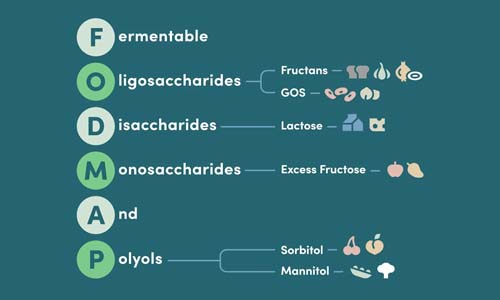
Understanding FODMAPs in Alliums: The Fructan Factor
Bulb onions and garlic are concentrated sources of fructans, fermentable carbohydrates within the FODMAP group. The small intestine absorbs only about 5% to 15% of fructans, according to the research summarized by Gourmend Foods. Much of the remainder reaches the colon, where gut bacteria ferment it, potentially contributing to gas, bloating, abdominal discomfort, or altered bowel habits in sensitive people.
Responses vary, and a low FODMAP elimination phase is not a permanent instruction to avoid every allium in every amount. Serving size matters. Certified low FODMAP green-allium powders are intended for measured use, often beginning around 1/4 teaspoon and building toward 1 to 2 teaspoons per meal according to personal tolerance and product guidance.
Introducing Gourmend’s Approach: Green Alliums and Botanical Mastery
Gourmend centers the flavor of green plant parts rather than onion or garlic bulbs. Garlic scapes, garlic chives, and scallion greens are milled into powders that can be portioned with a measuring spoon, giving home cooks a repeatable way to season food.
For a ready-made taco application, Low FODMAP Taco Seasoning uses garlic scape and green onion powders instead of onion and garlic bulbs. Chile, cumin, coriander, and black lime provide its additional flavor structure. The blend is certified low FODMAP for IBS and digestive conditions and suits tacos, roasted potatoes, rice bowls, and ground meat.
Why This Guide Beats Generic Advice
A safe-list may say that chives or scallion greens work without explaining conversion. Powder strength, moisture, cooking time, and dish size all affect the result. Soup can accept more seasoning than vinaigrette, while a dry rub needs less than a pot of rice. Consider how much to use, when to add it, and which flavor role it serves.
The Best low FODMAP seasoning alternatives? solve specific cooking problems. Choose a garlic-like powder for roasted meat, green-onion powder for dips and eggs, and a layered blend for chili, tacos, or broth. Start conservatively, record the amount, and adjust one ingredient at a time.
The Green Allium Arsenal: Your Flavor Foundation

Garlic Scapes: The Unsung Hero of Garlic Flavor
Garlic scapes are curling flower stalks produced by hardneck garlic plants. Their flavor falls between garlic, green beans, and fresh herbs, with less sharp sulfur than raw bulb garlic. Dried scapes suit mashed potatoes, roasted carrots, chicken seasoning, pan sauces, savory oats, and broth-based soups. Add the powder during cooking so moisture can release its flavor.
For a recipe calling for 1 teaspoon garlic powder, begin with 1/2 teaspoon garlic scape powder and increase by 1/4 teaspoon after simmering or roasting. In a large soup or stew, 1 teaspoon per four servings is a practical starting point.
Garlic Chives: Delicate Onion and Garlic Notes
Garlic chives have flat green leaves and a softer flavor than bulb garlic, combining mild onion, fresh grass, and a light garlic finish. They suit eggs, rice, dumpling fillings, compound butter, dressings, and creamy sauces.
Use 1/2 teaspoon garlic chive powder for each teaspoon of garlic powder. In sauce or dip, mix it with the liquid ingredients and wait five minutes before tasting so the plant material hydrates.
Green Onion Tops, or Scallion Greens: Fresh, Mild Allium Depth
Green onion tops bring clean onion aroma and a mild, leafy finish to fried rice, potato salad, salsa, noodle bowls, seafood, and garnishes. They pair well with lime, vinegar, cilantro, parsley, black pepper, and toasted sesame.
For dried green onion top powder, start with 3/4 teaspoon for each teaspoon of onion powder. In a finished dish, add 1/4 teaspoon at a time. As a garnish, sprinkle 1/4 teaspoon over two servings immediately before serving.
Culinary Conversion Ratios: From Powder to Plate
Use these ratios as starting points rather than fixed rules. Brand concentration, recipe volume, and personal tolerance can change the ideal amount. Add most of the powder early so it hydrates, then reserve a small portion for aroma.
| Classic ingredient | Green-allium substitute | Starting ratio | Good applications |
|---|---|---|---|
| 1 teaspoon garlic powder | Garlic scape powder | 1/2 teaspoon | Soups, roasted vegetables, poultry, sauces |
| 1 teaspoon garlic powder | Garlic chive powder | 1/2 teaspoon | Eggs, dips, rice, creamy recipes |
| 1 teaspoon onion powder | Green onion top powder | 3/4 teaspoon | Potatoes, fish, dressings, grain bowls |
| 1 tablespoon minced onion | Green onion top powder | 1 teaspoon | Meatballs, casseroles, burgers, savory fillings |
DIY Garlic Scape, Chive, and Green Onion Powder Blends
For an everyday blend, combine 2 tablespoons garlic scape powder, 1 tablespoon garlic chive powder, and 1 tablespoon green onion top powder. Store it in a dry, airtight jar and shake before use. Add 1 teaspoon to four servings of soup, rice, roasted vegetables, or ground meat. For a brighter blend, use equal parts garlic chive and green onion top powder; for a deeper garlic profile, use two parts garlic scape powder to one part green onion top powder.
Use Low FODMAP Taco Seasoning when you want a finished blend. Start with 2 teaspoons for 1 pound of ground meat or a comparable amount of beans, vegetables, or tofu, then adjust with salt, lime juice, or broth. Keep a teaspoon measure nearby and record which ratio works for each recipe.
Decoding Labels: Navigating Hidden FODMAPs in Seasonings
The “Spice” vs. “Seasoning” Conundrum Under FDA Rules
A single dried herb or spice is usually easy to identify. A seasoning blend may contain multiple spices, salt, flavoring ingredients, and processing aids. Under FDA labeling conventions, terms such as “spices” or “natural flavor” may group components without naming each botanical source. That does not automatically make a product unsuitable, but it provides less information during elimination.
Choose blends with fully itemized ingredient lists. A clear label names each pepper, herb, seed, salt, or green-allium powder instead of relying heavily on catchall wording. Certification from programs such as Monash University or FODMAP Friendly can provide additional testing information, though serving size still matters.
Watch Out for Sneaky Ingredients: Natural Flavors, Maltodextrin, and More
“Natural flavors” is a regulatory category, not one specific ingredient. It may refer to flavor compounds from plant or animal sources and does not show whether an allium is present. Maltodextrin can serve as a carrier or bulking agent; tolerance may vary with its source and serving size. Yeast extract, vegetable powder, and flavor extract also merit review.
For clearer assessment, choose labels that identify each flavoring source. A list containing salt, chile, cumin, coriander, herbs, and named green-allium powders is easier to assess than one built around unspecified flavor systems.
Beyond Alliums: Other Common High FODMAP Triggers in Blends
Seasoning mixes may also contain mushroom powder, dried mushrooms, chicory root, inulin, wheat-based crumbs, concentrated vegetable powders, or celery root. Keep the rest of a test meal simple: pair the blend with plain rice, a simple protein, or low FODMAP vegetables, then record the amount and your response.
The Role of Capsaicin: Heat vs. Gut Irritation
Capsaicin, the compound responsible for chile heat, is not a FODMAP. A low FODMAP food can still irritate someone sensitive to spice. Hot peppers may increase burning, urgency, or discomfort, especially in large servings or with high-fat ingredients.
Adjust heat separately from seasoning depth. Use less chile and build savory character with cumin, coriander, black pepper, smoked paprika, citrus zest, herbs, or green-allium powder.
Label Red Flag Checklist: What to Look For and Avoid
- Scan for garlic, onion, shallot, leek, or bulb-derived powders.
- Question vague terms such as natural flavors, vegetable powder, or seasoning.
- Check for mushroom powder, chicory root, inulin, and celery root.
- Confirm the serving size instead of judging the ingredient list alone.
- Separate FODMAP concerns from chile heat, excess fat, or very large portions.
- Prefer named ingredients and recognized low FODMAP certification when available.
A transparent label cannot predict personal tolerance, but it provides a stronger starting point. During elimination, introduce one blend at a time, measure it carefully, and keep the rest of the recipe familiar.
Building Flavorful Low FODMAP Spice Blends: Master Recipes
The Anatomy of a Great Low FODMAP Blend
A balanced blend needs more than a garlic substitute. Combine a savory base, aromatic herbs or seeds, gentle acidity, measured heat, and enough salt to carry flavor. Green-allium powders provide the foundation, while cumin, coriander, paprika, black pepper, citrus zest, and dried herbs add dimension.
Fiesta Taco Seasoning: Bold and Zesty
Combine ancho chile powder, cumin, coriander, paprika, garlic scape powder, green onion top powder, oregano, and black pepper. Use about 2 teaspoons per pound of ground meat, firm tofu, or sautéed vegetables, adding low FODMAP broth. Measure carefully and adjust after the seasoning hydrates.
The Science of Infused Oils
Fructans are water-soluble, while oil carries fat-soluble aroma compounds. Whole garlic can release fragrance into oil without transferring meaningful fructans into the fat when the solids are removed. Strain completely, cool promptly, refrigerate in a sealed container, make small batches, and use within a few days.
Your Low FODMAP Flavor Toolkit: Beyond the Bottle
The Gourmend Difference: Clean-Label Essentials for Gut-Friendly Cooking
Ingredient transparency matters during an elimination-phase meal. Choose named botanicals, measured portions, and green-allium ingredients rather than onion or garlic bulbs. Explore the broader low FODMAP seasoning collection for additional options.
Practical Questions About Seasoning Blends
Can a commercial taco mix fit an elimination plan? It can if the ingredients are disclosed, the serving size is clear, and it has suitable low FODMAP certification or testing information. Measure it rather than seasoning freely.
What replaces garlic powder most effectively? Garlic scape powder gives a rounded green garlic note; garlic chive powder is softer for eggs, dips, and creamy dishes.
Empowering Your Culinary Journey: Delicious First, Gentle Always
Keep three tools nearby: a teaspoon measure, a short ingredient list, and a note of the amount used. Test one blend in a familiar meal, taste after cooking, and adjust in small increments.
The Best low FODMAP seasoning alternatives? are flavorful, specific about portions, and practical. Start with green alliums, build a layered spice blend, and let your tolerance guide the final measure. Delicious food and gentle cooking can share the same plate. 🐓💚
Frequently Asked Questions
What seasonings are OK for a low FODMAP diet?
Low FODMAP seasonings include herbs, spices, garlic scape powder, garlic chive powder, and green onion top powder in measured portions. Cumin, coriander, chile, black pepper, paprika, ginger, and fresh herbs can add flavor without relying on bulb onion or garlic. Check blends for serving size and ingredients.
What spices are okay for low FODMAP cooking?
Low FODMAP spices include cumin, coriander, chile powder, black pepper, paprika, turmeric, ginger, and many dried herbs. Single spices are useful for building flavor in soups, tacos, roasted vegetables, grains, and proteins. Choose blends made without onion or garlic bulbs, and follow the product serving guidance.
What seasonings can I use if I have IBS?
People with IBS may use certified low FODMAP seasonings such as garlic scape, garlic chive, and green onion top powders, depending on personal tolerance. Gourmend low FODMAP seasonings use green alliums and selected spices to provide savory depth. Start with a small measured portion and adjust gradually.
What are the best low FODMAP seasonings?
The best low FODMAP seasonings depend on the flavor you want, with garlic scape powder for a mild, sweet garlic note, green onion top powder for fresh onion character, and garlic chive powder for a gentle onion-garlic flavor. Layer these with cumin, coriander, chile, lime, herbs, or infused oil.
Which spices are IBS friendly?
IBS-friendly spices can include cumin, coriander, chile powder, black pepper, paprika, turmeric, and ginger when tolerated and used in appropriate portions. Gourmend Low FODMAP Taco Seasoning combines green allium powders with chile, cumin, coriander, and black lime, and is certified low FODMAP for IBS and digestive conditions.