
Best Broths for Microbiome Support (2026)
Best broths for microbiome support?
The Gut Microbiome: Your Inner Ecosystem and Why Broth Matters
Best broths for microbiome support? The strongest options provide collagen, amino acids like glutamine and glycine, and minerals that support beneficial bacteria while nourishing intestinal barrier function. Look for organic, low FODMAP options that avoid inflammatory additives and deliver concentrated nutrients from slow-simmered bones or vegetables.
Your Gut's Microscopic Ecosystem
Your digestive tract houses trillions of microorganisms. Bacteria, fungi, and other microbes that form your unique microbiome fingerprint. These microscopic allies break down food compounds, synthesize vitamins, regulate immune responses, and communicate directly with your brain. When this bacterial ecosystem thrives, you experience better digestion, steadier moods, and stronger immune function.
Modern diets can disrupt this delicate balance through processed foods, artificial additives, and inflammatory compounds. Your microbiome needs specific nutrients to maintain diversity and population stability.
How Quality Broth Feeds Your Gut Bacteria
Nutrient-dense broths deliver concentrated amino acids, minerals, and bioactive compounds that beneficial bacteria use as fuel sources. Unlike isolated supplements, properly prepared broths provide these compounds in a natural food context that supports absorption and tolerance.
Key Insight: Early research suggests that glycine and glutamine. Both present in bone broth. May support the gut lining and create a favorable environment for beneficial microbes. Evidence is still emerging, and results vary by person.
Our Organic, Gut Friendly, Low FODMAP Broths combine bones with carefully selected vegetables like carrots, celery, and leek greens. This approach supports microbial diversity while avoiding common triggers found in conventional broths.
Why Bone Broth Delivers Unique Gut Benefits
Collagen and Gelatin: Building Blocks for Gut Barrier Function
Collagen from slow-simmered bones transforms into gelatin, supplying amino acids like hydroxyproline and hydroxylysine that are involved in connective tissue structure. When your gut barrier functions well, unwanted compounds stay out while nutrients absorb effectively.
Many people find warm bone broth easy to tolerate during digestive sensitivity periods. It's not a medical treatment, but it can be a gentle, nutrient-dense option for gut-supportive routines.
Glutamine and Glycine: Fuel for Your Gut Lining
Glutamine serves as fuel for gut-lining cells, while bone broth provides this amino acid alongside others in an easily digestible format. This makes it helpful when you want to keep meals simple and easy on your system.
Glycine, another abundant amino acid in bone broth, plays a role in sleep and stress response. Since stress and sleep directly affect digestion, this adds another layer of support to your calming routine.
Bone Broth Benefits
- Concentrated amino acid profile from natural sources
- Contains gelatin and collagen you can't get from plants
- Provides minerals in warm, easy-to-absorb format
- Works as base for soups, grains, and sauces
Potential Considerations
- Quality varies significantly among commercial brands
- Some include high sodium or unwanted additives
- May not suit vegetarian or vegan preferences
- Ingredient sourcing affects both taste and tolerance
Essential Minerals for Digestive Function
Bone broths provide minerals like magnesium, phosphorus, and calcium that support normal muscle contractions throughout your digestive tract. Long simmering extracts trace minerals such as zinc and selenium, which support immune function. Since most immune activity connects to the gut, overall nutrient status matters for microbiome stability.
Note: Claims that bone broth increases specific bacterial strains by exact percentages aren't consistent across research. Focus on practical markers you can track: tolerance, regularity, and how you feel after meals.
Choosing Quality Broths: What to Look For
Clean Labels Matter for Gut Health
Many commercial broths contain additives, vague "flavor" ingredients, or excessive sodium that work against your goals. Choose broths with recognizable whole-food ingredients and clear labeling. Organic certification helps reduce exposure to pesticide residues that may affect gut comfort.
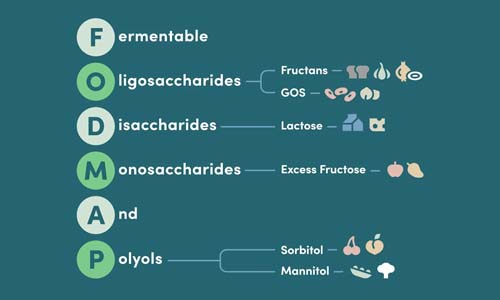
Look for broths that avoid high-FODMAP ingredients like onion powder or garlic. Quality options use alternatives like leek greens, scallion green tops, and herbs for depth without digestive burden.
Low FODMAP Certification Reduces Guesswork
Monash University Low FODMAP certification means a product has been lab tested to quantify fermentable carbohydrate content. For people with IBS or FODMAP sensitivities, certified options eliminate guesswork during elimination and reintroduction phases.
Certified products make consistent use realistic, which matters when building steady eating habits that support your gut.
The Gourmend Approach: Thoughtful Ingredients for Sensitive Stomachs
At Gourmend Foods, we make Organic Chicken Bone Broth | Low FODMAP & Unsalted with carefully selected organic vegetables to support flavor and tolerance. Our approach prioritizes clean labels and thoughtful ingredient choices designed for sensitive stomachs.
We use umami ingredients like mushrooms and seaweed to deepen flavor. Mushrooms contribute beta-glucans, while seaweed provides iodine and trace minerals. If you're sensitive, introduce these ingredients slowly and monitor your response.
Making Broth Work in Your Daily Routine
Simple Ways to Add Broth to Your Day
Use broth instead of water for grains to add flavor and nutrients. Try it with rice or quinoa, or use it as a base for simple soups. Many people enjoy warm broth as a savory afternoon drink.
Broth works well in dressings and marinades when you want extra depth in meals that still feel light. For convenience, consider our Organic Unsalted Chicken Bone Broth Powder - 8 Single Serve Packets for quick preparation when you need broth on the go.
Pairing Broth with Gut-Supporting Foods
Combine broth-based soups with foods you tolerate well: cooked leafy greens, root vegetables, and quality proteins. If fermented foods work for you, small servings alongside meals offer a practical way to include them without overdoing it.
Adding fats like olive oil improves mouthfeel and helps with absorption of fat-soluble nutrients from the rest of your meal.
Gentle Support During Digestive Challenges
During digestive flares or elimination phases, warm broth can be an easy-to-digest option that still feels satisfying. Start with smaller servings and adjust based on your tolerance.
My Experience: Building Reliable Gut Habits with Broth
As someone who built Gourmend Foods after dealing with IBS, I've learned that consistency beats perfection. I keep broth portions in the freezer for quick meals and sip it plain on days when my stomach needs a break.
Choose a broth you trust and tolerate, then use it often. When you have a sensitive gut, that reliability matters as much as the ingredient list. If you want to explore different varieties, our Broth Sampler lets you find what works best for your needs.
Frequently Asked Questions
How do broths support a healthy gut lining?
Quality broths, especially bone broths, provide collagen that transforms into gelatin when simmered. This gelatin supplies amino acids, like hydroxyproline, that are used in the structure of connective tissues, including those in the gut lining. A well-functioning gut barrier helps with nutrient absorption and keeps unwanted compounds from passing through.
What makes bone broth different from vegetable broth for gut support?
While vegetable broths offer plant compounds and minerals, bone broths provide gelatin and collagen-derived compounds that you won't find in plants in the same way. If you tolerate it, bone broth can be a simple, savory option that also supports cooking flexibility for gut health.
Which amino acids in broth are beneficial for the microbiome?
Broths, particularly bone broth, are good sources of amino acids like glutamine and glycine. Glutamine can serve as fuel for gut-lining cells, while glycine plays a role in stress response, which can indirectly affect digestion. These compounds may support a favorable environment for beneficial microbes.
Why is choosing organic and low FODMAP broths important for gut health?
Choosing organic broths helps reduce exposure to pesticide residues that might affect gut comfort for some individuals. Low FODMAP options avoid common digestive triggers, allowing you to enjoy concentrated nutrients without discomfort. This approach supports microbial diversity while avoiding ingredients that can disrupt a delicate gut balance.
Can broth help if I have digestive sensitivity?
Many people find warm bone broth easy to tolerate, especially during periods of digestive sensitivity. It can be a gentle, nutrient-dense option to include in a gut-supportive routine. Quality broths can add flavor and nutrients without relying on high-FODMAP aromatics that often cause discomfort.
What minerals in broth help my digestion?
Bone broths can provide minerals such as magnesium, phosphorus, and calcium, which support normal muscle contractions throughout the digestive tract. Long simmering may also extract trace minerals like zinc and selenium, which support normal immune function, impacting overall gut stability.