



Alternatives to High FODMAP Seasonings: The Complete Gut-Safe Flavor Guide

Alternatives to high FODMAP seasonings?
Alternatives to high FODMAP seasonings? Replace onion and garlic powders with ingredients that preserve savory depth without loading your meal with fructans. Garlic scapes, chives, green onion tops, infused oils, and carefully labeled spice blends can bring sweetness, bite, and umami to low FODMAP cooking. The key is knowing which part of the plant you are using, how it behaves in water or fat, and what the ingredient label says.
Key Takeaways
- Using only the green tops of scallions or chives adds fresh onion flavor without the fructans found in the bulb.
- Garlic scapes deliver a mild garlic taste and can be chopped or blended into dishes as a low FODMAP alternative to garlic powder.
- Infused oils extract flavor from garlic or onion without transferring the water-soluble fructans, making them a safe choice for sautéing or dressing.
- Always read spice blend labels for hidden onion or garlic powder, and look for certified low FODMAP products to ensure gut safety.
During the elimination phase, flavor should not disappear from your plate. Deliberate swaps can make soups, tacos, roasted vegetables, marinades, and sauces taste rounded and satisfying while helping you stay within tested serving guidance. 🐓
Why Common Seasonings Trigger Digestive Distress
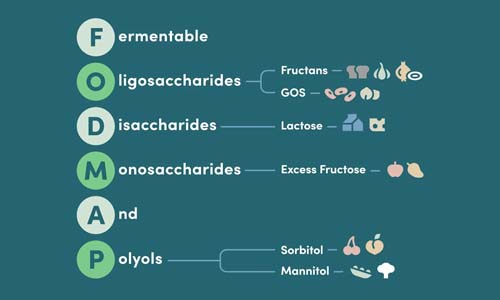
Garlic powder and onion powder are concentrated sources of fructans, a type of fermentable carbohydrate found in allium bulbs. Drying removes water but does not remove these carbohydrates, so a teaspoon of powder can deliver more onion or garlic material than expected. Whole garlic cloves added to soup, broth, or sauce can create the same issue because fructans dissolve into cooking liquid. A safer approach is to select tested green allium parts, use garlic-infused oil prepared with food safety in mind, and check labels for direct and hidden bulb derivatives.
The Culprit: Fructans and Other High FODMAP Alliums
Garlic, onions, shallots, and many related bulbs store fructans in their underground portions. In sensitive digestion, these carbohydrates may draw water into the intestine and ferment, contributing to gas, bloating, abdominal pain, or altered bowel habits. Monash University explains that low FODMAP guidance depends on both the ingredient and the portion, so tolerance is not determined by an ingredient name alone. Powdered alliums deserve special care because their concentrated form makes generous seasoning portions easy to exceed. Green shoots and scapes have a different carbohydrate profile from the bulb and are commonly used as practical flavor substitutes at culinary amounts.
Understanding Water-Solubility vs. Fat-Solubility: The Secret to Garlic-Infused Oil
Fructans in garlic and onion are water-soluble. Research summarized by Monash University indicates that cooking a whole garlic clove in stock or soup allows fructans to move into the liquid, which is why removing the clove afterward does not make the broth equivalent to garlic-free broth. Fat behaves differently: garlic aroma compounds dissolve into oil, while fructans do not. This is the food science behind garlic-infused oil. Use commercially prepared oil or follow a tested food-safety method, since homemade garlic oil requires careful refrigeration and handling to reduce botulism risk. Do not store homemade garlic oil at room temperature.
Hidden Triggers: Navigating Labels for Onion & Garlic Derivatives
Read the full ingredient list on spice mixes, bouillon, sauces, marinades, flavored oils, snack seasonings, and prepared meats. Watch for onion powder, garlic powder, onion salt, garlic salt, dehydrated onion, dried garlic, shallot, leek, vegetable powder, and seasoning blends that do not identify every component. “Natural flavors” may require clarification from the manufacturer when your reaction threshold is low. A certification mark, such as FODMAP Friendly certification, can provide an additional verification benchmark, though serving size still matters. Also check for wheat, dairy, sweeteners, and additives if gluten-free or dairy-free cooking is part of your plan.
Your Gut-Safe Flavor Arsenal: Direct Allium Swaps

Garlic Scapes & Chives: The Fresh Flavor Powerhouses
Garlic scapes are curly green flower stems that grow above the soil from hardneck garlic plants. They offer a fresh garlic-like aroma with a grassy, lightly sweet finish without relying on the bulb. Slice raw scapes into potato salad, mince them into vinaigrette, or sauté them briefly before adding ground meat, eggs, or vegetables. Chives provide a gentler onion note and work well as a finishing herb for baked potatoes, creamy sauces, rice, and fish. Add them near the end of cooking to preserve their delicate aroma. Fresh herbs contain water, so their flavor is less concentrated than a powder and may require a generous handful for a full recipe.
Green Onion (Scallion) Tops: A Milder, Brighter Kick
Use the green tops of scallions for a clean onion flavor, reserving the white bulb portion for a different application. Slice the tops thinly over tacos, noodle bowls, omelets, fried rice, and grilled chicken. They also make a useful garnish for soups when added to the individual bowl rather than simmered for a long time. Green spring onion tips remain lab-tested low FODMAP at standard culinary serving sizes of up to 1 to 2 teaspoons per sitting, according to the supplied research brief. Since testing and tolerance vary, begin with a modest amount during elimination and track your response.
Dehydrated & Powdered Allium Alternatives: Convenience Meets Safety
Dried garlic scape and green onion powders provide quick seasoning for taco filling, meatballs, roasted vegetables, popcorn seasoning, broth, and dry rubs. Garlic scape powder and green spring onion tips have been lab-tested low FODMAP at standard culinary servings, including up to 1 to 2 teaspoons per sitting. Check the serving size, confirm that the ingredient is made from green parts rather than bulbs, and avoid blends containing undisclosed onion or garlic. Gourmend’s Low FODMAP Taco Seasoning is made with garlic scape and green onion powders instead of onion and garlic bulbs. Its label also states: All spices are hand-picked, single-origin, and cultivated without harmful additives.
| Swap | Flavor profile | Useful applications | What to check |
|---|---|---|---|
| Garlic scapes | Fresh, grassy, garlic-like | Pestos, stir-fries, eggs, marinades | Use the green stem, not garlic bulb |
| Chives | Light onion, soft and herbal | Potatoes, dips, seafood, salads | Add late for the best aroma |
| Scallion tops | Bright, mild onion | Tacos, rice, soups, noodle dishes | Choose green tops and measure portions |
| Garlic scape powder | Concentrated, savory, grassy | Dry rubs, broths, roasted vegetables | Confirm tested serving size and bulb-free ingredients |
| Asafoetida | Strong savory, onion-garlic impression | Lentil-style dishes, curries, sauces | Check for wheat flour or gluten-containing fillers |
Asafoetida (Hing): A Potent Umami Booster (with a Gluten Caveat)
Asafoetida, also called hing, is a resinous spice traditionally used in South Asian cooking. A small pinch blooms in hot oil and develops an onion-like, savory aroma in dals, vegetable dishes, rice, and curry bases. Many retail hing products are blended with wheat flour or another starch, so people following a gluten-free diet must inspect the label or choose a clearly gluten-free formulation. The aroma is powerful, and starting with a pinch is wiser than measuring it like onion powder. Asafoetida does not provide the fresh green character of chives or scallion tops, but it can fill the savory space that bulb alliums usually occupy.
For a ready-to-use taco application, the Low FODMAP Taco Seasoning combines garlic scape and green onion powders with Chile powder sourced from a small grower in New Mexico, hand-picked cumin from the Hindu Kush mountains, coriander from the Red River in Vietnam, and black lime from a family farm in Guatemala. It is free from onion bulbs, garlic bulbs, GMOs, gluten, fillers, corn starch, natural flavors, sugar, and preservatives, and is certified low FODMAP for IBS and digestive conditions. Use the package serving guidance, then adjust brightness with lime juice, chopped cilantro, or scallion tops.
Beyond Alliums: Building Savory Depth with Safe Spices
A flavorful low FODMAP pantry extends beyond onion and garlic substitutes. Single spices, toasted seeds, sea vegetables, and savory powders can add heat, sweetness, acidity, color, and umami without relying on bulb alliums. During elimination, choose products with clear ingredient lists and follow tested serving guidance. Monash University emphasizes that FODMAP content depends on both the food and the portion, so even a suitable spice deserves sensible use.
The Foundation: Low FODMAP Certified Single Spices
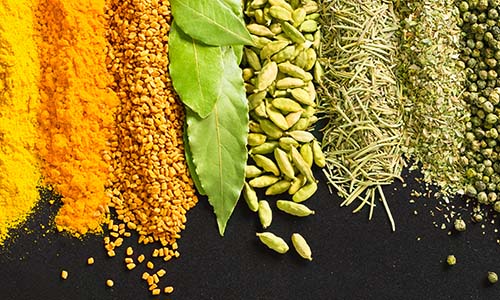
Build meals around single spices such as cumin, coriander, paprika, black pepper, turmeric, ginger, cinnamon, oregano, thyme, rosemary, basil, and chili flakes. They contribute distinct layers: cumin brings earthy warmth, coriander adds citrusy brightness, paprika supplies sweetness and color, while ginger and black pepper sharpen rich sauces. Dried herbs work well in soups, roasted vegetables, marinades, rice dishes, and skillet meals because they distribute evenly without bulb ingredients.
Certification can make packaged seasoning easier to assess, particularly for people managing several dietary restrictions. Look for a verified low FODMAP serving statement, a complete ingredient list, and separate allergen information. A single-spice jar is usually easier to evaluate than a complex blend, yet cross-contact, added starches, and flavoring ingredients still deserve attention. Choose plain spices when possible, then combine them at home for control over gluten, dairy, corn, sweeteners, and other ingredients that may not suit your plan.
Leveraging Umami: Mushrooms, Nori, and Nutritional Yeast
Umami gives food a rounded, savory character that can reduce the sense that a dish is missing garlic or onion. Dried nori, powdered seaweed, and small amounts of nutritional yeast can add depth to rice, popcorn, potatoes, eggs, and vegetable soups. Nutritional yeast contributes a lightly cheesy, nutty note, making it useful in dairy-free sauces. Toasting spices briefly in a dry skillet also releases aromatic oils before liquid is added.
Mushrooms require more care because FODMAP content varies by type, preparation, and serving size. Fresh oyster mushrooms are often used in low FODMAP cooking at tested portions, while larger servings of some varieties may be less suitable. A concentrated mushroom powder can be difficult to measure accurately, so read package guidance and assess the complete blend. Combine a tested mushroom ingredient with tamari, ginger, smoked paprika, and chopped herbs rather than assuming every mushroom product has the same tolerance profile.
DIY Seasoning Blends: Crafting Your Signature Flavors
Homemade blends let you control heat, salt, and portion size while avoiding hidden bulb ingredients. For a taco-style mix, stir together 2 teaspoons paprika, 1 teaspoon cumin, 1 teaspoon coriander, 1 teaspoon chili powder, 1/2 teaspoon dried oregano, 1/4 teaspoon black pepper, and a pinch of cayenne. Add the mixture to ground beef, chicken, tofu, or roasted vegetables with a splash of water so the spices coat the food evenly. Finish with lime juice and chopped cilantro.
For an all-purpose savory blend, combine 2 teaspoons smoked paprika, 1 teaspoon dried thyme, 1 teaspoon ground ginger, 1/2 teaspoon black pepper, 1/2 teaspoon mustard powder, and a pinch of asafoetida from a clearly gluten-free formulation. Use 1 to 2 teaspoons across four servings, then adjust after tasting. A certified product such as the Low FODMAP Taco Seasoning can simplify weeknight cooking when its listed ingredients and serving guidance fit your needs. Store homemade mixes in a labeled, airtight jar and write the preparation date on the lid.
Quick-Reference Cheat Sheet: 1:1 Seasoning Swap Ratios
One-to-one substitutions work best when the replacement has a similar concentration and role. Fresh herbs are less concentrated than powders, while chili flakes can be much hotter than mild paprika. Use the table as a starting point, taste after cooking, and record adjustments that suit your palate.
| Instead of | Start with | Best uses | Flavor result |
|---|---|---|---|
| 1 teaspoon onion powder | 1 teaspoon green onion powder | Rice, meatballs, sauces | Bright, mild allium flavor |
| 1 teaspoon garlic powder | 1 teaspoon garlic scape powder | Roasted vegetables, rubs, broths | Grassy garlic character |
| 1 teaspoon onion powder | 1 tablespoon finely sliced chives | Potatoes, eggs, dips | Fresh herbal onion note |
| 1 teaspoon garlic powder | 1 teaspoon garlic-infused oil | Dressings, sautés, marinades | Rich garlic aroma carried by fat |
| 1 teaspoon savory seasoning | 1 teaspoon spice blend without bulb alliums | Tacos, beans, poultry | Layered heat, earthiness, and color |
Mastering Flavor: Practical Tips for Low FODMAP Cooking
The most reliable approach combines sound cooking technique with careful label reading. Build flavor in stages: warm spices in oil, add salt gradually, finish with acid, and use fresh herbs just before serving. During elimination, keep a meal log so you can connect symptoms with specific ingredients, portions, and combinations rather than removing every seasoning from your kitchen.
The Art of Infused Oils: Maximizing Flavor, Minimizing Fructans
Garlic-infused oil works because aroma compounds move into fat while fructans remain water-soluble. Use a commercially prepared infused oil when possible. Homemade garlic oil requires strict refrigeration and careful handling because garlic stored in oil can create conditions for botulism growth. Do not leave homemade garlic oil at room temperature, and discard it if storage guidance is uncertain. For a quick flavor base, warm infused oil with paprika, cumin, pepper, or dried herbs before adding vegetables, meat, rice, or tofu.
Label Reading Masterclass: What “Spices” and “Natural Flavors” Really Mean
Scan the complete ingredient list rather than relying on front-label claims such as “natural,” “healthy,” or “clean.” Look for garlic, onion, shallot, leek, bulb, dehydrated vegetables, onion salt, garlic salt, and vague seasoning components. “Spices” may describe a permitted mixture, yet a sensitive cook can contact the manufacturer for clarification. “Natural flavors” also warrants a question when the source is not identified. Check allergen statements for wheat, milk, and soy if gluten-free or dairy-free cooking matters. FODMAP Friendly certification can offer an additional verification point, while serving guidance still applies.
Serving Size Smarts: Avoiding FODMAP Stacking Pitfalls
A meal can contain several individually suitable ingredients that collectively exceed personal tolerance. Measure concentrated powders, sauces, legumes, and certain vegetables rather than seasoning by instinct. Start with the package serving, then increase only after assessing your response. Monash University emphasizes that both ingredient and portion determine low FODMAP suitability. During reintroduction, test one variable at a time so the result remains useful.
Your Kitchen Companion: Essential Low FODMAP Pantry Staples
Keep a compact flavor kit within reach: certified single spices, smoked paprika, dried herbs, infused oil, tamari, rice vinegar, citrus, sea salt, and a clearly labeled allium alternative. The Low FODMAP Taco Seasoning is a convenient option for tacos, roasted potatoes, eggs, and ground meat. It uses garlic scape and green onion powders instead of onion and garlic bulbs, giving quick meals a savory foundation without requiring a homemade blend.
Frequently Asked Questions
What seasonings are okay for a low FODMAP diet?
Low FODMAP seasonings include chives, garlic scapes, green onion tops, infused oils, ginger, turmeric, paprika, cumin, coriander, black pepper, and herbs. Serving size still matters, especially during the elimination phase. Check spice blends for onion powder, garlic powder, shallots, leek, and other bulb-based ingredients.
What spices are okay for low FODMAP cooking?
Most single-ingredient spices, including cumin, coriander, paprika, chili powder, turmeric, oregano, basil, rosemary, thyme, and black pepper, can fit low FODMAP cooking in typical culinary amounts. Gourmend low FODMAP seasonings use garlic scape and green onion powders instead of onion and garlic bulbs, with certified low FODMAP products available for IBS and digestive conditions.
Which spices are not low in FODMAPs?
Onion powder, garlic powder, shallot powder, and many blends containing dried onion or garlic are common high FODMAP seasoning choices. Concentrated powders can make it easy to exceed a tested serving amount. Review labels for dehydrated onion, dried garlic, leek, vegetable powder, and blends that do not list every ingredient.
Are there any high FODMAP spices to avoid?
High FODMAP seasonings commonly include garlic powder, onion powder, garlic salt, onion salt, shallot-based seasonings, and some bouillon or spice mixes. Whole garlic and onion can also add fructans to soups, sauces, and broths because fructans move into water. Tolerance depends on the serving size and personal response.
What spices trigger IBS symptoms?
Garlic powder, onion powder, and other concentrated allium seasonings may trigger IBS symptoms in people sensitive to fructans. Spicy ingredients such as chili powder or cayenne may also bother some people independently of FODMAP content. Low FODMAP cooking works best when portions, labels, and individual tolerance are tracked.
What can replace onion and garlic powder in low FODMAP recipes?
Garlic scape powder, green onion top powder, chives, garlic scapes, and garlic-infused oil can replace onion and garlic powder in low FODMAP recipes. Garlic scape powder offers a milder, sweeter note rather than the same flavor as traditional garlic. Use infused oil for aroma, and select tested blends with clearly listed ingredients.