48 Hour Fast Bone Broth: Your Gut Reset
48 hour fast bone broth
Understanding the 48-Hour Bone Broth Fast: A Gentle Approach to Renewal
A 48 hour fast bone broth protocol involves consuming only nutrient-dense bone broth and water for two consecutive days, giving your digestive system a break while still providing collagen, amino acids, and minerals. Unlike water fasting, this approach maintains steadier energy levels and offers gentle nourishment that many people find easier to tolerate.
What Exactly Is a 48-Hour Bone Broth Fast?
This modified fasting approach replaces solid foods with warm, sippable bone broth every few hours. You'll consume about 4-6 cups of quality bone broth daily while avoiding other foods. The method bridges the gap between strict water fasting and regular eating.
The protocol typically begins after dinner on day one and concludes with a light meal 48 hours later. Your digestive system can focus less on processing complex foods, while the broth provides nutrients like glycine and proline that support gut lining health.
Why Choose Bone Broth Over Water or Other Liquids?
Bone broth contains collagen peptides and amino acids that may support intestinal barrier function during the fasting period. The gelatin naturally present in properly made bone broth feels soothing for many people and provides more satiety than water alone, without triggering a large insulin response.
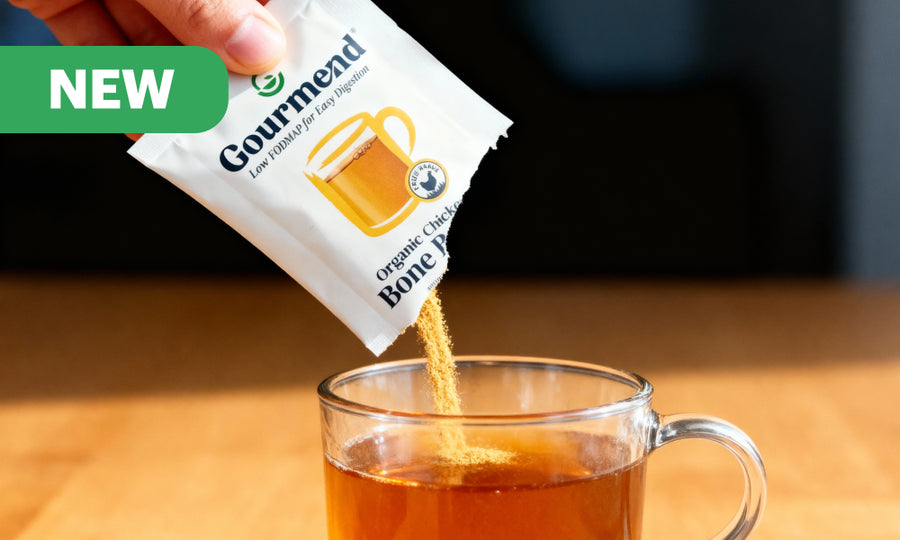
Digestive Advantage: Our Organic Chicken Bone Broth | Low FODMAP & Unsalted uses scallion green tops and chives instead of onion bulbs, which many people with sensitive digestion find gentler during fasting periods.
Realistic Expectations for Broth Fasting
Some fasting purists argue that any calories break a "true" fast. In practice, the 48 hour fast bone broth approach prioritizes a sustainable experience over rigid definitions. You're still giving your digestive system a break from solid food while adding targeted nutrition.
This gentler method works well for fasting beginners or people with sensitive digestion who prefer a gradual introduction to extended periods without solid food. The minerals and electrolytes in quality bone broth reduce the fatigue and headaches that many people associate with water-only fasting.
Finding Quality Bone Broth for Your Fast
What Makes Bone Broth Ideal for a 48-Hour Fast?
Quality bone broth for fasting is simmered long enough (often 12-24 hours) to extract collagen and minerals from bones. When cooled, it should gel, which indicates meaningful gelatin extraction. Free-range sourcing supports higher-quality inputs and matters to readers who prefer clean-label products during a reset.
The amino acid profile also matters during extended fasting periods. Glycine supports liver function, while glutamine is frequently mentioned in gut-health conversations. Many people choose bone broth during a fast because it offers these compounds in an easy-to-digest form.
Key Criteria When Shopping for Fasting Bone Broth
Unsalted varieties let you control sodium and adjust to your personal needs. Short ingredient lists help avoid unnecessary digestive burden during a 48 hour fast bone broth protocol. Organic certification is also a common preference for readers who want to minimize pesticide exposure during a simple routine.
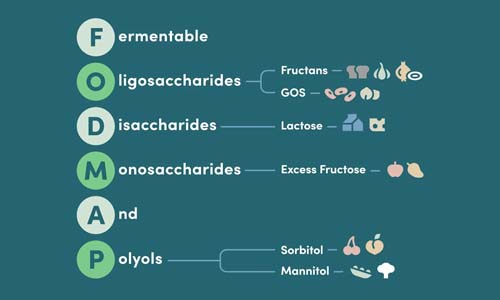
FODMAP Consideration: Traditional bone broths often include onion and garlic bulbs, which can trigger digestive discomfort in sensitive individuals. Many people do better with broths that use scallion green tops, leek green tops, and chives for depth without common triggers.
Why Gourmend's Approach Works for Gut Health
Our Organic Chicken Bone Broth uses seven organic ingredients: water, free-range chicken bones, scallion green tops, carrots, celery, leek green tops, chives, and parsley. This combination delivers savory flavor while staying gentle for sensitive digestive systems during fasting periods.
We simmer our broth for 16 hours to extract collagen while keeping the ingredient list simple. Since it avoids onion and garlic bulbs, it's a practical option for people with IBS or FODMAP sensitivities who want the comfort of broth without common triggers.
Your 48-Hour Bone Broth Fast: A Practical Guide
Preparation: What to Do Before You Start
Begin preparation three days before your planned fast by gradually reducing processed foods, caffeine, and refined sugars. This tapering approach minimizes withdrawal symptoms and prepares your routine for the transition. Stock your refrigerator with about 12-16 cups of quality bone broth, and keep herbal tea and filtered water available.
Plan your fast for a period with fewer social eating commitments and lighter training demands. Let the people in your household know what you're doing, which reduces friction and temptation. Many readers prefer starting on a Friday evening so the most challenging hours land during a calmer weekend.
The 48-Hour Timeline: What to Expect
Hour 0-12: Start after your last solid meal and switch to warm bone broth every 3-4 hours. Mild hunger is common during the adjustment. Hour 12-24: Energy often feels steadier once the routine settles. Sip slowly, taking about 15-20 minutes per cup.
Hour 24-36: Some people report less bloating and a clearer head. Keep a consistent broth schedule and drink water between servings. Hour 36-48: The final stretch often feels easier when you plan your first post-fast meal ahead of time and keep it simple.
Breaking Your Fast Gently
Your first post-fast meal should be easy to digest: steamed vegetables, plain rice, or more bone broth with minimal seasoning. Avoid raw foods, dairy, and very high-fiber options during the first 24 hours to reduce the chance of stomach upset. Chew well and eat slowly, since hunger and fullness cues feel different after two days without solid food.
Understanding the Science: Autophagy and Digestive Benefits
Does Bone Broth Break a Fast?
Bone broth contains calories, so it reduces autophagy compared with a water-only fast. Amino acids and small amounts of naturally occurring carbohydrates trigger a modest insulin response in some people. Still, many people choose broth fasting because it feels more doable while supporting comfort and steadier energy.
The goal is often less about "perfect" autophagy and more about outcomes like digestive rest and a simplified routine. A 48 hour fast bone broth protocol provides a break from solid food while still supplying electrolytes and amino acids, which is why it feels more approachable than a water fast.
Supporting Digestive Rest and Repair
The liquid format requires less digestive work than a mixed meal while still supplying compounds associated with gut support, including collagen and glutamine. Many people report that warm broth feels soothing and that a short, broth-based reset helps them identify foods that may be bothering their digestion once they reintroduce meals.
Gut Support Focus: Glycine in bone broth supports digestion and the gut barrier. If you have a medical condition, check with a clinician before any extended fast.
Potential for Gentle Weight Management
This isn't designed as a weight loss plan, but some people see modest, short-term scale changes during a two-day broth fast. Common reasons include reduced overall intake, less bloating, and temporary water-weight shifts.
Nutrient Support for Sustained Energy
Compared with water fasting, bone broth supplies electrolytes, minerals, and amino acids that support steadier energy. Since Gourmend's broth is unsalted, you can add salt to taste if your clinician hasn't advised sodium restriction.
Making Your Bone Broth Fast More Enjoyable: Tips from Ketan
Flavor Boosts: Low FODMAP Additions to Improve Your Broth
Add fresh herbs like parsley, cilantro, or basil during the final minutes of warming for aromatic depth. A squeeze of fresh lemon juice brightens the flavor. Fresh ginger adds warmth and is commonly used as a gentle option for sensitive stomachs.
Mindful Sipping: Creating a Ritual
Turn each serving into a simple ritual: warm the broth, sit down, and sip slowly. Using a favorite mug and reducing distractions makes the fast feel calmer and helps you notice true hunger versus habit.
Listening to Your Body: When to Adjust or Stop
Persistent dizziness, severe headaches, faintness, or unusual fatigue can be signs you should end the fast early. Prioritize safety over timelines. Keep easy-to-digest foods available so you can transition smoothly if needed.
Frequently Asked Questions
What happens if you only drink bone broth for 3 days?
A bone broth fast, even for three days, provides your digestive system a break from solid foods while still offering essential nutrients. This modified approach, unlike a water-only fast, can help maintain steadier energy levels and reduce common discomforts. Our Organic Chicken Bone Broth, for example, delivers collagen, amino acids, and minerals in an easy-to-digest form.
How to fast for 3 days with bone broth?
To fast with bone broth for three days, begin by gradually reducing processed foods and caffeine a few days prior. During the fast, consume 4-6 cups of quality bone broth daily, sipping it warm every few hours, alongside plenty of water and herbal tea. Break your fast gently with easily digestible foods like steamed vegetables or plain rice.
Is it okay to drink bone broth during a 72 hour fast?
Yes, drinking bone broth during a 72-hour fast is a common modified fasting approach. It provides gentle nourishment, including collagen and amino acids, which can make the experience more tolerable than a water-only fast. Many find that the minerals and electrolytes in quality bone broth help reduce fatigue and headaches during longer fasting periods.
Does bone broth help GERD?
While bone broth is not a treatment for GERD, many people with sensitive digestion find it soothing. The gelatin and amino acids like glycine and proline in bone broth are often discussed in relation to gut lining support. Our Organic Chicken Bone Broth, made with low FODMAP ingredients like scallion green tops, is designed to be gentle for sensitive digestive systems.
What are the benefits of 48 hour bone broth fast?
A 48-hour bone broth fast offers a gentle way to give your digestive system a rest from processing solid foods. It provides targeted nutrition, including collagen, amino acids, and minerals, which can help maintain steadier energy. This approach can also be more sustainable for beginners or those with sensitive digestion, reducing the fatigue often associated with water-only fasting.