


Substitute Tarragon Vinegar: Best Easy Swaps & DIY Tips 2026

Substitute tarragon vinegar
The Flavor Enigma: What Exactly Is Tarragon Vinegar?
Tarragon vinegar is white wine vinegar infused with fresh tarragon, producing a delicate, anise-forward, slightly peppery acidity. The most reliable substitute: white wine vinegar plus a pinch of dried tarragon, or a 30-minute warm infusion with fresh sprigs. That's genuinely it.
What Makes Tarragon Taste Like Tarragon
Tarragon's defining character comes from estragole, a naturally occurring compound responsible for its signature licorice-like warmth. Unlike star anise or fennel, that anise note stays subtle and herbaceous, backed by a gentle peppery finish. That restraint is exactly what makes tarragon vinegar so effective in French sauces like béarnaise -- it adds complexity without announcing itself.
Why Is Tarragon Vinegar So Hard to Find?
Specialty herb vinegars occupy a narrow shelf slot at most grocers, and demand rarely justifies premium placement. Searches like "tarragon vinegar near me" frequently return empty results -- and even the once-reliable Heinz tarragon vinegar has become difficult to source consistently in the U.S. market. Making your own has gone from a nice-to-have to the most practical path forward.
Where Tarragon Vinegar Actually Earns Its Place
Its primary applications: béarnaise and hollandaise sauces, vinaigrettes for bitter greens, chicken marinades, and quick-pickled vegetables. The acidity brightens a dish while the herbal note adds complexity -- without requiring fresh herbs at every step.
Your Go-To Substitutes: Flavor Matches for Tarragon Vinegar

Fresh vs. Dried Tarragon: Which Works Better?
Fresh French tarragon produces the cleanest infusion -- bright, aromatic, and true to the original. Dried tarragon works, but loses some of that brightness in the drying process; use roughly half the volume you'd use fresh. For immediate cooking needs, stir dried tarragon directly into the white wine vinegar in your recipe and let it sit for a few minutes before using.
The Right Vinegar Base Makes a Difference
White wine vinegar is the standard base, closest in acidity and color to commercial tarragon vinegar. Champagne vinegar is a refined alternative with a lighter, slightly floral finish -- excellent in delicate vinaigrettes. Plain white distilled vinegar works in a pinch but tastes noticeably sharper; if it's all you have, dilute it slightly with water before infusing.
How to Make Tarragon Vinegar Quickly (30 Minutes)
Combine 1 cup of white wine vinegar with 4 to 5 fresh tarragon sprigs in a small saucepan. Warm gently over low heat -- don't let it boil -- for 10 minutes, then cool and strain into a clean jar. The result is a usable, genuinely flavorful substitute in under half an hour.
Cold Infusion vs. Quick Infusion: What to Expect From Each
Cold Infusion (2 Weeks)
- Fuller, more nuanced flavor
- No heat degradation of delicate compounds
- Shelf-stable up to 6 months
Quick Heat Infusion (30 Min)
- Ready immediately
- Slightly sharper, less layered result
- Best used within 2 weeks
Cold infusion method: Pack a sterilized jar with 6 to 8 fresh tarragon sprigs. Fill with 2 cups of white wine vinegar, seal, and store away from direct light for 10 to 14 days. Taste on day 10; strain when the anise note tastes clean and forward. Using dried tarragon instead? Substitute 3 tablespoons of dried tarragon for the fresh sprigs and reduce the infusion time to 5 to 7 days -- the smaller particle size accelerates extraction.
Beyond the Bottle: Adapting Recipes When Tarragon Vinegar Is Absent
Build the Flavor in Two Steps
No tarragon vinegar, no time to infuse? Build the flavor profile separately. Add your acid base first -- white wine vinegar or champagne vinegar -- then layer in the herbal note using dried tarragon, fresh fennel fronds, or a small amount of fresh chervil. The peppery finish comes naturally from the vinegar's own acidity. No additional seasoning needed.
Exact Ratios for Dressings and Marinades
In vinaigrettes, replace 1 tablespoon of tarragon vinegar with 1 tablespoon of white wine vinegar plus ¼ teaspoon of dried tarragon. For chicken marinades, the same ratio applies -- allow at least 20 minutes of contact time so the dried herb can release its oils into the acid. Cold applications hold these flavors especially well, since nothing cooks off.
A Note for Low FODMAP Cooks
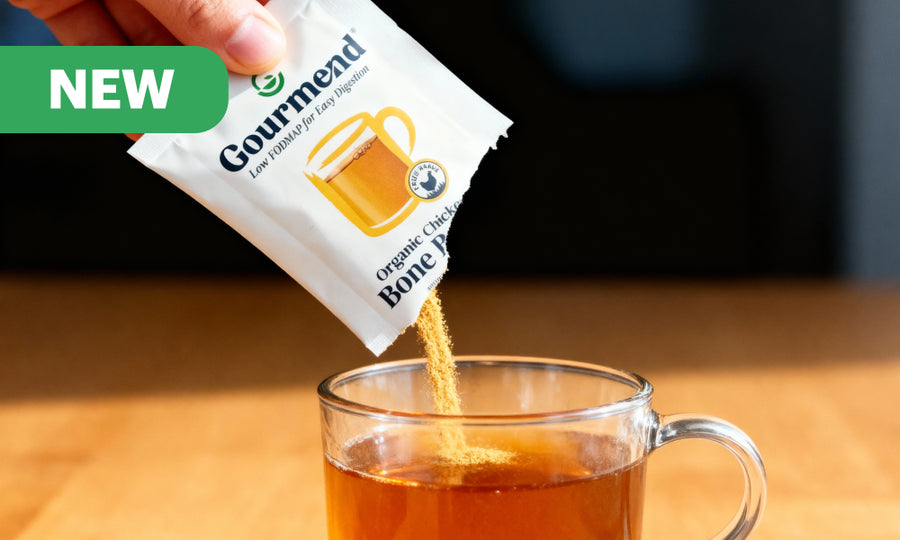
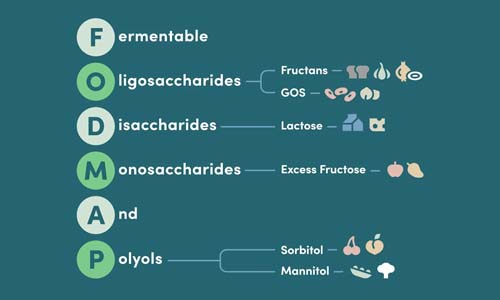
Some commercial herb vinegars include onion or garlic powder as flavor extenders -- a real problem for anyone following a low FODMAP approach. Gourmend Foods builds savory depth through Garlic Chive Powder and chive sprigs instead, delivering comparable complexity without the fructan load that garlic and onion bulbs carry. When you make homemade tarragon vinegar for low FODMAP cooking, consider pairing it with Gourmend's Garlic Chive Powder in the finished dish rather than adding conventional garlic to the infusion.
Sauces, Deglazing, and Pickling
Tarragon vinegar's acidity earns its place well beyond salad dressings. Add 2 tablespoons to a hot pan after searing chicken to lift the fond and form the base of a quick pan sauce. For pickling, substitute tarragon vinegar in a 1:1 ratio for standard white wine vinegar in any cucumber or carrot brine -- the herbal note softens the sharpness and gives the finished pickle a distinctly French character.
A Gourmend Perspective: Gut-Friendly Flavors and Ingredient Integrity
Is Tarragon Vinegar Low FODMAP?
Plain tarragon vinegar -- made from white wine vinegar and tarragon alone -- carries a low FODMAP profile at standard serving sizes (1 to 2 tablespoons). Tarragon itself contains no significant fructans or polyols at culinary doses, based on Monash University resources. The risk comes from commercial versions that include flavor additives or garlic derivatives, which is why reading the ingredient label carefully is the most reliable safeguard for anyone following a low FODMAP approach.
Why Two Ingredients Beat a Long Label
A homemade substitute gives you complete control: two ingredients, no undisclosed flavor additives, no surprises. We apply this same standard across Gourmend Foods' seasoning line -- organic herbs, nothing else, no maltodextrin as a carrier. That transparency matters most when you're cooking for someone managing IBS or working through an elimination protocol, where even a trace of an unlabeled additive can set back weeks of careful work.
Building a Flavorful, Gentle Kitchen
The goal is never a diminished version of a dish. With the right acid, the right herb, and clean-label seasonings, a béarnaise or a jar of pickled vegetables can stand entirely on their own merits. Gourmend's Garlic Chive Powder dissolves cleanly into vinegar-based preparations, adding the savory depth that conventional recipes build with garlic -- without the fructan load. Flavor integrity and digestive comfort aren't competing priorities. They work together when the ingredients are straightforward.
Putting It All Together: Your Practical Roadmap

Two variables determine a good tarragon vinegar substitute: acid base and herbal note. White wine vinegar handles the acid. French tarragon -- fresh or dried -- handles the rest. Every technique covered here, from a 10-minute warm infusion to a two-week cold steep, delivers a result that performs reliably in béarnaise, vinaigrette, and pickling applications.
For low FODMAP cooks, the homemade route is often the smarter choice regardless of availability. Commercial versions carry label risk; a two-ingredient homemade version eliminates it. Pair your infused vinegar with Gourmend Foods' Garlic Chive Powder in the finished dish, and you've replaced the savory depth that conventional recipes build with garlic -- cleanly, and without the fructan load.
A few practical priorities worth keeping:
- Source French tarragon specifically. Russian tarragon produces a noticeably flat infusion and isn't worth using as a substitute for the herb itself.
- Match the infusion method to your timeline. Cold infusion for depth and shelf life; warm infusion when the dish is 30 minutes out.
- Taste before you season. A well-made substitute tarragon vinegar tastes clean and anise-forward. If it tastes sharp or flat, the base vinegar or herb quality likely needs adjustment -- not more seasoning.
- Keep Gourmend's Garlic Chive Powder nearby. It dissolves cleanly into acid-based preparations and adds the savory note that tarragon vinegar alone doesn't provide.
Ingredient scarcity is rarely a dead end. Once you understand what a component actually contributes -- acidity, herbal complexity, aromatic warmth -- you can reconstruct it from pantry staples with more control over quality than any commercial bottle offers.
Delicious first. Gentle always.
Frequently Asked Questions
What's the best substitute for tarragon vinegar?
For the best substitute, I recommend combining white wine vinegar with either fresh or dried tarragon. A quick method is to add a pinch of dried tarragon directly to white wine vinegar in your recipe. If you have fresh tarragon, a gentle 30-minute infusion with white wine vinegar creates a lovely flavor.
What can you use if you don't have tarragon?
If fresh or dried tarragon isn't available, you can still build a similar flavor profile. Consider using fresh fennel fronds or a small amount of fresh chervil to introduce that delicate, licorice-like warmth. The goal is to carefully balance the herbal notes in your dish.
What is tarragon vinegar?
Tarragon vinegar is simply white wine vinegar infused with fresh tarragon. This infusion process imparts a delicate, anise-forward, and slightly peppery acidity. It's a wonderful way to add a sophisticated herbal brightness to sauces and dressings.
Does Walmart have tarragon vinegar?
Finding tarragon vinegar, even at large stores like Walmart, can be quite difficult these days. Specialty herb vinegars often have limited availability, and consistent sourcing has become a challenge. For reliable access to this unique ingredient, making your own at home is often the most practical approach.
Can I use oregano instead of tarragon?
Oregano has a very distinct, earthy flavor that differs significantly from tarragon's delicate anise and peppery notes. For a true tarragon vinegar substitute, I would stick with fresh or dried tarragon, or explore options like fresh fennel fronds or chervil to capture that specific character. My aim is always to achieve the right flavor balance.