


Scallion vs. Green Onion: What’s the Difference?

Compare scallion vs green onion taco flavors?
For gut-friendly green-onion flavor without the FODMAPs, see Gourmend's low FODMAP seasonings collection.
Scallions and Green Onions: Clearing Up the Common Confusion
Standing in the produce aisle, staring at bundles labeled "scallions" next to identical ones marked "green onions"? Here's the truth: they're the same plant. Both names refer to Allium fistulosum, an immature onion harvested before the bulb develops. When you Compare scallion vs green onion taco flavors?, you're actually comparing different parts of one ingredient--not two separate vegetables.
Where the Names Come From
The term "scallion" traces back to the ancient Palestinian port city of Ascalon, while "green onion" simply describes what you see: a green allium. Regional preference drives which label grocers slap on the twist-tie. In New York? You'll find scallions. California? Green onions dominate. Same plant, different marketing.
What You're Actually Choosing
Every bunch features a crisp white base transitioning into dark green hollow leaves. The white section delivers sharp, peppery bite--think raw onion with better manners. Green tops taste milder, almost grassy. Some varieties develop a subtle bulb swell, but that doesn't change how they perform in your tacos.
| Feature | White Base | Green Tops |
|---|---|---|
| Flavor | Sharp, peppery, onion-forward | Mild, vegetal, slightly sweet |
| Texture | Crisp, juicy | Tender, fibrous |
| Best Taco Use | Raw garnish, salsa cruda | Garnish, grilled toppings |
Your only real decision? Which part to use. The name on the label won't change your taco's flavor--but choosing between white and green sections absolutely will.
How White and Green Sections Taste Different

Think of a single bunch as giving you two distinct flavor tools. The white base packs concentrated sulfur compounds--the same ones that make you cry when cutting regular onions. That's where the sharp, almost radish-like heat lives. Ideal for raw applications where you want pronounced onion character.
The green leaves? Completely different story. Chlorophyll and milder allium compounds create a fresh, garden-like quality with barely any bite. It's the section you reach for when you need color and delicate flavor without overpowering cilantro or lime.
Raw vs. Cooked Behavior
Raw white sections taste assertive and peppery. But cook them? They mellow into subtle sweetness, losing most of that aggressive punch. Green tops stay mild whether raw or cooked--though they're better used fresh to keep their vibrant color.
In tacos, this means the white base cuts through rich proteins like carnitas or barbacoa while adding textural crunch. Green tops work as your finishing move: visual appeal plus a whisper of onion flavor that doesn't compete with your carefully balanced salsa.
When you Compare scallion vs green onion taco flavors? in practice, you're deciding how much punch you want. Use more white for bold presence. More green for background notes. It's that simple.
How to Use Each Part in Your Tacos
Since you're working with one ingredient, forget the scallion-versus-green-onion debate. Focus on which section matches your taco style. I've tested this across dozens of taco nights--here's what actually works.
Matching Sections to Taco Applications
For raw salsas and pico de gallo, slice the white base thin. Its sharp bite balances tomato sweetness and lime acidity without turning mushy. Want smoky depth in carne asada tacos? Char whole white sections on a hot grill until they develop black spots and sweet complexity.
The green tops shine as fresh garnish. Scatter them over finished fish or shrimp tacos for color and gentle onion presence that won't steamroll delicate seafood. In scrambled egg breakfast tacos, sauté white pieces first to build flavor, then stir in greens at the end so they keep their color.
| Taco Application | White Base | Green Tops |
|---|---|---|
| Raw Salsa | Diced fine for sharp punch | Minced for mild accent |
| Grilled Filling | Charred whole for smokiness | Added at the end for color |
| Breakfast Tacos | Sautéed with eggs | Folded in at the finish |
| Fish Tacos | Use sparingly (may overpower) | Ideal delicate garnish |
Recipe Substitution Logic
Any recipe calling for scallions or green onions uses the same ingredient. If it doesn't specify which part, default to white for cooking and green for garnish. Substituting for regular onion? Use about double the white sections to match intensity, since mature onions contain more sulfur compounds.
For gut-sensitive cooks, stick to green tops exclusively. They're low FODMAP and easier on digestion--more on that below.
What I've Found Testing Both Ways
Carnitas tacos with raw white sections offered crisp, peppery contrast to fatty pork. The same tacos with green-top-only garnish? Mellower. The meat became the star instead of sharing the spotlight.
Black bean tacos benefited from grilled white pieces, which added smoky complexity that beans alone can lack. Start with a 50-50 white-to-green mix in your recipes, then adjust based on whether you want bold onion presence or subtle background notes.
Low FODMAP Angle: Gut-Friendly Choices for Taco Lovers
Managing IBS or digestive sensitivity? The green tops can be a game-changer. You get onion-like flavor without the bloating and discomfort that the white base can trigger.
The Fructan Factor
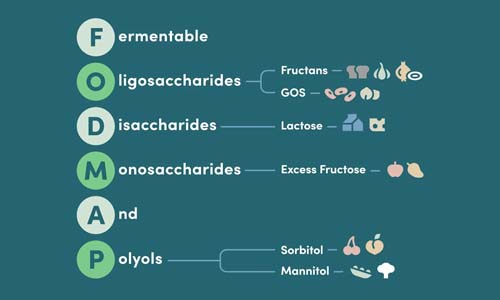
The white base contains high levels of fructans--short-chain carbohydrates that ferment in the gut and cause gas, cramping, and bloating in sensitive people. Green leaves contain minimal fructans, making them safe in larger servings for many IBS sufferers. You can pile green tops onto tacos while keeping that oniony brightness.
How We Build Flavor Without the Triggers
At Gourmend Foods, we use green leek tops, scallion greens, and chives throughout our broths and seasonings to deliver onion depth minus the common gut triggers. For taco fillings that call for sautéed onion, swap in our shelf-stable organic unsalted chicken bone broth powder to build savory complexity without fructans.
Our seasonings use garlic-chive stems instead of garlic cloves, giving you the aromatic backbone tacos need while keeping digestion calmer.
Practical Tips for Low FODMAP Taco Night
- Storage: Wrap green tops in damp paper towels and refrigerate in a sealed container for up to one week. Trim slimy ends before use.
- Serving size: Green tops are commonly considered low FODMAP in servings up to about one cup. If you're following strict low FODMAP guidelines, limit white base to about one tablespoon and adjust based on personal tolerance.
- Prep tip: Separate white and green sections immediately after purchase. Store whites separately if you're cooking for mixed-sensitivity households.
For more gut-friendly taco inspiration, explore our low FODMAP recipe collection, where we show ways to build bold flavor without digestive compromise.
Bonus: Spring Onions, Chives, and Easy Taco Recipes to Try

While scallions and green onions are identical, spring onions and chives offer distinct profiles worth understanding.
Spring Onions vs. Chives: What Changes
Spring onions are harvested slightly later, developing a small, visible bulb at the base. That bulb adds sweetness when cooked but still contains fructans--so stick to green portions for gut-friendly tacos.
Chives are a separate species entirely, with thin, hollow leaves and delicate garlic-onion flavor. Use them as a finishing herb on fish tacos or creamy toppings, where their subtle taste won't disappear. For hearty fillings like braised beef, reach for scallion greens instead--they hold up better to bold spices.
Two Gut-Friendly Taco Recipes With Flavor Boosts
Charred Chicken Tacos with Scallion Greens
Ingredients: Chicken thighs, Gourmend shelf-stable broth carton, cumin, paprika, lime, corn tortillas, scallion greens (sliced), cilantro.
Method: Simmer chicken in Gourmend broth with spices until tender. Shred, then char in a hot skillet. Serve in warm tortillas with generous scallion greens and fresh lime.
Black Bean and Quinoa Tacos
Ingredients: Cooked quinoa, black beans (about 1/3 cup max per serving), green leek tops (diced), Gourmend low FODMAP taco seasoning, avocado, scallion greens.
Method: Sauté green leek tops in olive oil, add quinoa and beans, then season with Gourmend blend. Top with avocado and scallion greens for layered onion notes with less digestive stress.
How Our Broths and Seasonings Elevate Tacos
Our bone broths bring umami depth from nori seaweed and oyster mushrooms--perfect for deglazing pans after searing taco proteins or simmering shredded meats. The green tops in our seasonings complement rather than compete with those savory base notes, giving you aromatic complexity without fructan load.
For complete recipe conversions and more ways to adapt your favorite taco recipes, visit our low FODMAP recipe conversion tool. You'll discover how simple swaps can transform taco night into a gut-friendly feast without sacrificing bold, gourmet flavors.
Final Verdict: Making Scallions and Green Onions Work for Your Tacos
The confusion ends here: scallions and green onions are the same plant. Your choice comes down to which part you use. Treat the white base as your bold, peppery accent and the green tops as your mild, versatile garnish. If you're cooking for digestive sensitivity, green sections alone deliver satisfying onion character with fewer gut consequences.
Smart Taco Strategy: Buy one bunch, separate the parts, and use whites for cooking depth and greens for fresh finish. This single ingredient gives you two distinct flavor tools, letting you Compare scallion vs green onion taco flavors? within the same meal and adjust intensity to match your protein, salsa, and personal tolerance.
At Gourmend Foods, we've built our entire product line around this principle: bold flavor shouldn't come at the cost of comfort. Whether you're grilling carnitas, assembling breakfast tacos, or experimenting with vegetarian fillings, the right allium choices make the difference. Start with green tops, explore our broths for savory foundations, and taste what clean-label ingredients can bring to taco night.
For food safety considerations when handling produce like scallions or green onions, check selecting and serving produce safely to keep your meals both delicious and safe.
 Organic Green Onion PowderOnion flavor from freeze-dried organic green onion tops, without the onion bulb.Shop now
Frequently Asked Questions
Do green onions and scallions taste the same?
From a botanical standpoint, green onions and scallions are the same plant. The real difference in taste comes from which part you use. The white base offers a sharp, peppery bite, while the green tops are milder and slightly grassy.
Which type of onion is best for tacos?
It is not about a different "type" of onion, but rather which part of the scallion or green onion you use for your tacos. The sharp white base is fantastic for raw salsas or grilled for smoky depth. The milder green tops are perfect as a fresh, delicate garnish that will not overpower other ingredients.
What is the difference between green onions and Mexican green onions?
Green onions and "Mexican green onions" are actually the same plant, Allium fistulosum. The different names simply reflect regional preferences in how grocers label them. When you are comparing them for tacos, you are still working with the same versatile ingredient.
Do green onions taste good on tacos?
Absolutely, green onions are excellent on tacos. Their white bases can add a crisp, peppery punch to rich fillings or salsas. The green tops offer a fresh, mild onion flavor and beautiful color as a finishing garnish.
Can you replace scallion with green onion?
Yes, you can completely replace scallions with green onions. They are the same plant, so you can use the terms interchangeably in any taco recipe. The key is to consider whether the recipe benefits more from the bold white base or the milder green tops.