



Recommended GMO-Free Cooking Essentials: Shop Smart

Recommended GMO-free cooking essentials?
Navigating the grocery store can feel like a culinary obstacle course, especially when you aim for both delicious meals and ingredients you trust. For many of us, the desire to cook with wholesome, clean-label foods aligns with concerns about the contents of our pantry. Genetically Modified Organisms (GMOs) have become a significant topic of discussion, and understanding their presence in common cooking ingredients is a key step toward building a kitchen that aligns with your values and supports your well-being. At Gourmend Foods, we provide you with knowledge, so you can make informed choices without sacrificing flavor.
Key Takeaways
- Understanding where GMOs appear in everyday pantry staples empowers you to shop with confidence and intention.
- Stocking your kitchen with non-GMO essentials means you never have to choose between bold flavor and clean ingredients.
- Reading labels carefully helps you identify which cooking products align with your personal wellness goals.
- A thoughtfully curated, GMO-free pantry makes it easier to prepare meals that are both satisfying and made with ingredients you can trust.
Our mission is to help you enjoy bold, gourmet flavors while being mindful of digestive comfort and ingredient integrity. As a brand born from personal experience with digestive challenges, we understand the importance of transparency and quality. This guide is designed to demystify GMOs in your cooking essentials, offering clear insights into high-risk ingredients, label reading, and smart swaps. We will help you identify potential pitfalls and point you toward genuinely safe and delicious alternatives, making your journey toward a cleaner pantry both accessible and enjoyable. With our commitment to organic, FODMAP Friendly Certified products, we aim to be your culinary ally every step of the way.
The High-Risk Pantry Staples You Need to Watch
Common GMO Crops That Dominate Conventional Grocery Aisles
When we talk about GMOs in our food supply, a few key crops consistently appear at the top of the list. In the United States, the vast majority of corn, soybeans, and canola grown are genetically modified. According to USDA data, over 90% of these crops are engineered. This prevalence means that ingredients derived from them are widespread in processed foods and many common pantry staples. For example, soybean oil and corn syrup are ubiquitous, found in everything from salad dressings and baked goods to sauces and snacks. Understanding these primary sources is your first step in identifying potential GMO derivatives in your cooking.
The impact of these crops extends beyond direct consumption. Corn is often processed into ingredients like high-fructose corn syrup, corn starch, and corn oil, all of which can trace their origins back to genetically modified varieties. Similarly, soybeans are processed into soybean oil and soy lecithin. Canola oil, often marketed as a healthy option, also frequently comes from GMO seeds. These ingredients are foundational in many conventional food products, making awareness of their GMO status essential for anyone seeking to curate a GMO-free kitchen.
GMO Risk Meter: Low, Medium, and High-Probability Ingredients
To help you assess potential risks, consider a simple GMO risk meter. At the high end are ingredients derived from corn, soy, and canola, especially when they are conventionally grown (not certified organic). Conventional soybean oil and high-fructose corn syrup are almost certainly derived from GMO sources, given the agricultural prevalence. Cottonseed oil, while sometimes naturally non-GMO, can also be a concern as much of the cotton crop is genetically modified, and the oil often undergoes heavy processing with chemicals like hexane. These are ingredients where vigilance is paramount. Medium-risk ingredients might include items where GMOs are less dominant but still present, or where processing methods can obscure origins. Sugar can be derived from either GMO sugar beets or non-GMO sugarcane. Without specific labeling, it is a gamble. Lower-risk ingredients typically come from crops for which GMO varieties are not widely developed or adopted, such as olive oil, sunflower oil, or peanut oil, as noted by GMO Answers. Even with these, choosing organic or non-GMO verified options provides an extra layer of assurance. This framework helps prioritize where to focus your attention when shopping for Recommended GMO-free cooking essentials?
| Risk Level | Common Ingredients | Notes |
|---|---|---|
| High | Corn (syrup, starch, oil), Soy (oil, lecithin), Canola (oil), Conventional Sugar | Over 90% of U.S. corn, soy, and canola are GMO. Processing can obscure origins. |
| Medium | Conventional Sugar (if beet-derived), Papaya, Zucchini | GMO varieties exist, but less dominant than high-risk crops. Organic is a safer bet. |
| Low | Olive Oil, Sunflower Oil, Peanut Oil, Rice, Oats, Fruits, Vegetables (non-GMO varieties) | Crops with limited or no GMO adoption. Non-GMO Project Verified offers added confidence. |
FODMAP-Friendly Swaps for High-Risk Grains and Sweeteners
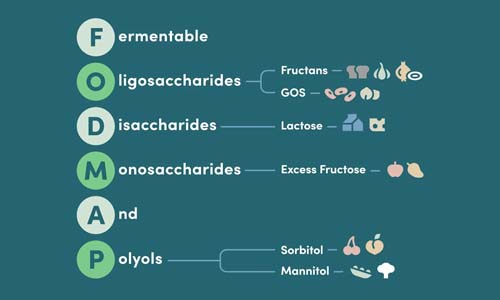
For those managing digestive health, particularly with conditions like IBS, many high-risk GMO ingredients also pose FODMAP challenges. High-fructose corn syrup is a significant source of excess fructose, a type of FODMAP. Similarly, some wheat products, often derived from conventional, potentially GMO wheat, can be problematic. Making smart swaps benefits both your gut and your pantry.
Consider replacing high-fructose corn syrup with alternatives like maple syrup or rice malt syrup, which are generally considered low FODMAP and can be sourced from non-GMO options. For grains, choosing certified gluten-free oats, quinoa, or brown rice is often a good strategy. These are typically not among the primary GMO crops and are well-tolerated by many. When selecting sweeteners, look for pure cane sugar (if not from GMO beets), maple syrup, rice malt syrup, or stevia. Always check labels for "Non-GMO Project Verified" or "Certified Organic" to ensure you are getting the best quality ingredients for your pantry, aligning flavor with your dietary needs and preferences.
- 🌾 Grains: Opt for certified gluten-free oats, quinoa, brown rice, millet.
- 🍯 Sweeteners: Choose pure maple syrup, rice malt syrup, stevia, or certified organic cane sugar.
- 🌽 Avoid: High-fructose corn syrup, conventional corn syrup, and ingredients derived from heavily processed corn or soy.
How to Decode Labels for Hidden GMO Derivatives

Understanding Organic Certification and Non-GMO Verification
When you aim for Recommended GMO-free cooking essentials?, two certifications stand out as your most reliable guides: "Certified Organic" and "Non-GMO Project Verified." The USDA Certified Organic seal signifies that a product has been produced without genetic engineering, synthetic pesticides, or artificial fertilizers. This standard is comprehensive and offers a strong assurance against GMOs. Keep in mind that organic farming practices are designed to prevent GMO contamination, but the primary focus is on the farming method itself rather than a specific GMO testing protocol for every single ingredient. For many, organic is the gold standard for avoiding GMOs.
The Non-GMO Project Verified seal is specifically dedicated to verifying that a product is made without genetically engineered ingredients. It involves rigorous testing and traceability protocols throughout the supply chain. This verification is particularly valuable for products where GMOs are prevalent, such as corn and soy derivatives, ensuring they meet strict standards. While both certifications offer excellent protection, a product can be Non-GMO Project Verified without being certified organic, and vice versa. For maximum confidence in your pantry, seeking out products that bear both seals, or at least one of them, is a smart approach to identifying truly GMO-free options.
Hidden Derivatives to Spot in Clean Pantry Items
Even in products marketed as "clean label" or "natural," GMO-derived ingredients can sometimes lurk. Pay close attention to the ingredient list for common culprits that might not be immediately obvious. Soy lecithin, a common emulsifier, is frequently derived from soybeans, and unless the product specifies "organic soy lecithin" or is Non-GMO Project Verified, it likely originates from genetically modified soy. Similarly, corn starch, corn syrup, and vegetable oil blends often contain derivatives from GMO corn or soy. These ingredients are used to improve texture, shelf life, and flavor profiles.
When scrutinizing labels, look beyond the main ingredients. For example, some broths or seasonings might use anti-caking agents derived from corn. While Gourmend Foods prides itself on clean-label ingredients, using naturally derived flavor boosters like chives and garlic scapes, it is a good practice to understand how other brands operate. Always check for certifications like "Non-GMO Project Verified" or "Certified Organic" on these items. If a product simply lists "natural flavors" or "spices" without further clarification, and it contains ingredients like corn or soy derivatives, it is worth investigating further or choosing an alternative that provides clearer GMO-free assurance.
Your GMO-Free Label Reading Checklist:
- ✅ Look for "Non-GMO Project Verified" seal.
- ✅ Look for "USDA Certified Organic" seal.
- ✅ Scrutinize ingredients like soy lecithin, corn starch, corn syrup, vegetable oil.
- ✅ Prefer "organic soy lecithin" or "organic vegetable oil" if no specific GMO verification.
- ✅ Be wary of "natural flavors" if the product also contains high-risk ingredients.
- ✅ Check sources for common oils: olive, sunflower, and peanut are generally low-risk, but verification adds confidence.
Why 'Natural' Does Not Mean GMO-Free
The term "natural" on food packaging can be incredibly misleading for GMOs. Unlike the strict standards for "organic" or "Non-GMO Project Verified," the FDA's policy on "natural" is quite limited. It generally means that nothing artificial or synthetic, including all color additives, artificial flavors, and preservatives, has been included in, or has been added to, a food that would not normally be expected to be in that food. This definition does not address genetic modification.
Consequently, a product labeled "natural" can still contain ingredients derived from genetically modified corn, soy, or canola. Manufacturers may use "natural" to imply wholesomeness, but it offers no guarantee regarding GMO content. This is why relying solely on the word "natural" is insufficient if your goal is to avoid GMOs. You must actively look for the specific certifications that address genetic engineering to make truly informed purchasing decisions for your pantry and ensure you are selecting Recommended GMO-free cooking essentials?
💡 Key Insight: The term "natural" on a food label does not legally prohibit the use of GMO-derived ingredients. Always look for "Certified Organic" or "Non-GMO Project Verified" for assurance.
Naturally Safe Cooking Oils and Fats
High-Heat Oils That Avoid GMO Corn and Soy
When building a collection of Recommended GMO-free cooking essentials?, the selection of cooking oils and fats is paramount. Many common oils, like conventional soybean oil and canola oil, are derived from crops that are overwhelmingly genetically modified in the United States. According to USDA data, over 90% of corn, soy, and canola grown here are GMO. This means that unless specifically verified as non-GMO or organic, oils pressed from these sources are likely to originate from genetically engineered seeds. For high-heat cooking, such as searing, roasting, or stir-frying, choosing oils that can withstand elevated temperatures without breaking down is key, and doing so without resorting to GMO-derived options requires careful consideration.
Fortunately, several excellent oils are naturally less prone to GMO origins or are readily available in verified non-GMO forms. Olive oil, particularly extra virgin olive oil (EVOO), is a staple for many, though its smoke point makes it better suited for medium-heat applications or finishing. For higher temperatures, consider oils like avocado oil, sunflower oil (specifically high-oleic varieties), and peanut oil. Keep in mind that while crops like sunflowers and peanuts have not seen widespread GMO adoption, selecting varieties that are "Non-GMO Project Verified" or "Certified Organic" provides an extra layer of confidence and ensures you are adhering to the highest standards for your kitchen. These oils offer a clean, neutral flavor profile and the stability needed for a variety of cooking techniques, making them indispensable for anyone prioritizing GMO-free ingredients.
Comparing Smoke Points and Culinary Uses
Understanding the smoke point of an oil. The temperature at which it begins to produce visible smoke and break down, potentially creating harmful compounds. Is essential for both health and culinary success. For high-heat cooking, oils with smoke points above 400°F (204°C) are ideal. Avocado oil, for example, offers a very high smoke point, often around 520°F (271°C), making it incredibly versatile for searing, frying, and roasting. Sunflower oil, especially the high-oleic version, typically has a smoke point around 450°F (232°C), suitable for most high-heat cooking needs. Peanut oil also performs well at high temperatures, with a smoke point around 450°F (232°C), and adds a subtle nutty flavor that can complement many dishes.
For medium-heat applications, like sautéing or baking, extra virgin olive oil (smoke point around 375°F or 190°C) or refined coconut oil (smoke point around 400°F or 204°C) are excellent choices. Coconut oil, while not derived from the primary GMO crops, is worth noting for its distinct flavor profile and saturated fat content, which makes it stable. When selecting oils, especially those derived from seeds like sunflower, always look for verification. The Non-GMO Project has verified over 50,000 products, and this seal is your best indicator. This careful selection ensures your cooking is not only safe from GMO derivatives but also optimized for the specific culinary task at hand, supporting your goal of creating delicious meals with trusted ingredients.
| Oil Type | Typical Smoke Point | Best Culinary Uses | GMO Considerations |
|---|---|---|---|
| Avocado Oil | ~520°F (271°C) | High-heat searing, frying, roasting, baking | Generally GMO-free; look for organic or Non-GMO Project Verified for assurance. |
| High-Oleic Sunflower Oil | ~450°F (232°C) | Stir-frying, baking, sautéing | Choose Non-GMO Project Verified or Organic, as conventional sunflower can be GMO. |
| Peanut Oil | ~450°F (232°C) | Frying, stir-frying, baking | Most peanut crops are not GMO; Non-GMO Project Verified is recommended for certainty. |
| Extra Virgin Olive Oil (EVOO) | ~375°F (190°C) | Salad dressings, finishing, sautéing, baking | Typically GMO-free; organic options provide additional benefits. |
| Canola Oil (Refined) | ~400°F (204°C) | Baking, sautéing | Conventional canola is predominantly GMO; seek Certified Organic or Non-GMO Project Verified. |
How to Choose Cold-Pressed and Unrefined Options
The method by which an oil is processed significantly impacts its nutritional profile and quality. Cold-pressed and unrefined oils are generally preferred for their superior flavor, aroma, and nutrient retention. Cold pressing involves extracting oil using mechanical pressure without significant heat, typically below 120°F (49°C). This gentle process helps preserve the oil's beneficial compounds, antioxidants, and natural flavor. Unrefined oils, meaning they haven't undergone chemical refining, bleaching, or deodorizing, retain even more of their natural characteristics. For example, unrefined extra virgin olive oil is a prime example of an oil that preserves its full spectrum of flavor and nutrients.
When selecting oils for your Recommended GMO-free cooking essentials?, prioritizing cold-pressed and unrefined versions is a smart move, especially for oils where flavor is desired, like olive oil or virgin coconut oil. These methods also tend to be less likely to involve the harsh chemical solvents sometimes used in conventional refining processes, which can be a concern for those seeking the cleanest ingredients. While cold-pressing and lack of refining do not directly correlate with GMO status, they often go hand-in-hand with higher quality standards and a more natural approach to food production. Always pair these preferences with a "Certified Organic" or "Non-GMO Project Verified" seal to ensure you are getting a product that meets all your criteria for a clean and trustworthy pantry.
Pros
- Preserves nutrients, antioxidants, and natural flavors.
- Avoids chemical solvents used in conventional refining.
- Often indicates higher quality and care in production.
- Superior taste and aroma for culinary applications.
Cons
- Typically have lower smoke points than refined oils.
- May be more expensive due to processing methods.
- Shorter shelf life compared to refined and stabilized oils.
- Flavor can be more pronounced, which may not suit all dishes.
Broths, Seasonings, and Shelf-Stable Essentials
Finding Clean-Label Broths Without Hidden Triggers
For anyone focused on gut health and avoiding digestive discomfort, finding truly clean-label broths is a significant win. Many commercially available broths and stocks can contain hidden triggers like onion powder, garlic powder, high-fructose corn syrup, artificial flavors, or excessive sodium. These ingredients, while common, can be problematic for those managing conditions like IBS or sensitivities. At Gourmend Foods, we founded our brand specifically to address this gap, creating broths that are not only delicious and functional but also gentle on the digestive system. Our commitment means using only organic, high-quality ingredients and avoiding common irritants.
Our approach centers on building deep, savory flavor using ingredients that are naturally low in FODMAPs and free from common allergens and triggers. For example, our 🐓 Organic Chicken Bone Broth and 🐮 Organic Beef Bone Broth are simmered for 16-24 hours with free-range bones to extract maximum collagen and nutrients. We achieve rich umami and complexity without onion or garlic by using ingredients like nori seaweed and oyster mushrooms in our beef and vegetable broths. Our 🥕 Organic Vegetable Broth is crafted with a carefully selected blend of low-FODMAP vegetables. This dedication ensures that our broths are not only free from hidden triggers but also serve as a flavorful foundation for meals, supporting your journey toward a more comfortable and enjoyable way of eating.
Spice Blends and Seasonings That Skip Anti-Caking Agents
When you are stocking your pantry with Recommended GMO-free cooking essentials?, the seasonings you choose are just as important as your base ingredients. Many spice blends and even single spices contain anti-caking agents, such as silicon dioxide or magnesium carbonate, which are often derived from corn or other starches. While these agents prevent clumping and ensure free-flowing spices, they can be a concern for those meticulously avoiding GMOs or certain additives. also, some blends might include fillers, artificial colors, or flavor boosters that detract from the clean-label promise.
At Gourmend Foods, we meticulously craft our seasonings to be pure, potent, and free of unnecessary additives. Our 💚 Garlic Scape Powder and 🌿 Garlic Chive Powder, for example, provide the savory depth of garlic and onion without using the problematic bulbs. We achieve this by using the greens of chives and the stalks of garlic scapes, which are naturally low in FODMAPs and free from GMO concerns. Our 🌮 Taco Seasoning is a prime example of a complex blend made with whole spices, chili peppers, and herbs, designed to deliver bold flavor without fillers or anti-caking agents. We ensure that every ingredient is thoughtfully selected, organic, and non-GMO, so you can confidently season your meals without compromise. This attention to detail ensures our customers receive seasonings that are both delicious and aligned with their health-conscious choices.
Building Flavor Without Onion or Garlic Powders
One of the most common challenges for individuals following a low-FODMAP diet or seeking to avoid specific digestive triggers is the pervasive use of onion and garlic in flavor bases. These alliums are FODMAP powerhouses, meaning even small amounts can cause discomfort for sensitive individuals. but, cutting them out does not mean sacrificing depth or complexity in your cooking. The key lies in discovering alternative ingredients that mimic their savory, umami notes without the problematic compounds.
This is precisely where Gourmend Foods shines. We have dedicated ourselves to finding clever, clean-label solutions. As mentioned, our 💚 Garlic Scape Powder and 🌿 Garlic Chive Powder offer the essence of garlic and onion using the green parts of these plants, which are significantly lower in FODMAPs and generally well-tolerated. Our 🐓 Organic Chicken Bone Broth, 🐮 Organic Beef Bone Broth, and 🥕 Organic Vegetable Broth are formulated to provide a rich, savory foundation, boosted by ingredients like nori seaweed and oyster mushrooms for umami, rather than relying on onion or garlic. For example, consider using our Organic Vegetable Broth as the liquid base for a risotto, then seasoning with our Garlic Chive Salt and a squeeze of lemon for a dish that is bright, flavorful, and gut-friendly. This creative approach allows you to build sophisticated flavor profiles and enjoy gourmet meals, even when avoiding common aromatic ingredients.
Gourmend Foods: Your Ally in Flavorful, Gut-Friendly Cooking
As the founder of Gourmend Foods, I understand the frustration of limited flavor options when managing digestive health. That is why we are passionate about creating clean-label, FODMAP Friendly Certified cooking essentials. Our broths and seasonings are crafted with your well-being and taste buds in mind. We use ingredients like chives, leek greens, and garlic scapes to bring you the delicious depth you crave, without the digestive distress. Our commitment extends to being a Certified B Corporation with a B Impact Score of 114.0, reflecting our dedication to social and environmental responsibility. From our 16-hour simmered bone broths to our pure spice powders, we aim to make gourmet cooking accessible and enjoyable for everyone.
Featured Products:
- 🐓 Organic Chicken Bone Broth
- 🐮 Organic Beef Bone Broth
- 🥕 Organic Vegetable Broth
- 💚 Garlic Scape Powder
- 🌿 Garlic Chive Powder
- 🧂 Garlic Chive Salt
- 🌱 Green Onion Powder
- 🧂 Green Onion Salt
- 🌮 Taco Seasoning
Discover how our carefully curated ingredients can change your meals, offering bold flavor with a gentle touch. Because delicious always comes first, and gentle always follows.
Building a GMO-Free Kitchen Without Breaking the Bank

Smart Swaps for Naturally Non-GMO Grains and Legumes
Constructing a kitchen stocked with Recommended GMO-free cooking essentials? does not require an extravagant budget or compromising on variety. One effective strategy is to focus on grains and legumes that are naturally non-GMO by their agricultural nature or have minimal GMO cultivation. For example, quinoa, millet, brown rice, and certified gluten-free oats typically do not have GMO variants commercially grown in the U.S., making them reliable staples. Similarly, legumes like lentils, chickpeas, and black beans are not commonly genetically modified and offer excellent protein and fiber options.
Replacing common GMO-prone grains such as conventional corn or soy products with these alternatives not only reduces GMO exposure but often improves nutritional diversity. For sweetening, consider organic maple syrup, rice malt syrup, or cane sugar certified as non-GMO, as these avoid GMO sugar beets, a major GMO crop. These swaps provide a foundation upon which you can build flavorful, wholesome meals without inflating your grocery bill. Keeping an eye on seasonal sales and buying in bulk can further stretch your dollar, making a clean-label pantry financially sustainable.
Batch Cooking and Freezer Strategies for Clean Label Living
One of the most practical approaches to maintaining a GMO-free kitchen on a budget is batch cooking paired with smart freezer organization. Preparing large quantities of meals or components like broths, grains, and legumes allows you to shop selectively for high-quality, non-GMO ingredients in bulk, often at lower prices. for example, cooking a large pot of quinoa or lentils and portioning them into freezer-safe containers saves time and reduces waste. This method also minimizes the temptation to resort to cheaper, processed foods that may contain hidden GMO derivatives.
Freezing homemade sauces and broths made with clean-label ingredients extends their shelf life and ensures you always have a flavorful base ready. When you rely on trusted essentials, like our non-GMO certified broths and seasonings, batch cooking helps maintain consistency in flavor and gut-friendly profiles. Labeling portions with dates keeps your freezer organized and reduces spoilage. This practice not only supports your digestive health goals but also aligns with sustainable food habits by reducing food waste and optimizing ingredient use.
References
Frequently Asked Questions
What are the most common GMO ingredients to avoid in a clean kitchen?
Common high-risk GMO ingredients include corn syrup, soybean oil, and canola oil, as over 90% of these crops in the U.S. are genetically modified. Choosing organic or non-GMO verified versions of these staples is essential for a clean pantry. This helps you avoid the widespread presence of GMOs in everyday cooking essentials.
How can I tell if a cooking oil is GMO-free?
Look for certified organic or Non-GMO Project Verified labels on oils to confirm they are GMO-free. Oils like olive, sunflower, and peanut are naturally lower risk, but conventionally grown canola, corn, and soybean oils are almost always from GMO sources. Checking labels is the most reliable method for finding safe cooking oils.
Are sweeteners like sugar and corn syrup typically GMO?
Conventional sugar can be derived from GMO sugar beets, and high-fructose corn syrup comes from GMO corn. For a GMO-free sweetener, choose certified organic cane sugar, maple syrup, or rice malt syrup. These alternatives are not only non-GMO but also work well in low FODMAP cooking.
What are some low FODMAP and GMO-free alternatives for common pantry staples?
Swap high-risk grains like conventional corn for certified gluten-free oats or quinoa to get both low FODMAP and GMO-free options. Replace sweeteners like high-fructose corn syrup with maple syrup or rice malt syrup, which are available in non-GMO varieties. These smart swaps support digestive comfort and cleaner eating.
Why is it important to choose organic or non-GMO verified ingredients for cooking?
Choosing organic or non-GMO verified ingredients reduces exposure to genetically modified crops and often means fewer chemical pesticides. This supports cleaner eating and aligns with a health-focused kitchen, especially for those with digestive sensitivities. It gives you confidence in the quality of your cooking essentials.
How does Gourmend Foods help home cooks find GMO-free cooking essentials?
Gourmend Foods offers organic, low FODMAP certified seasonings and broths made without GMOs, gluten, or fillers. Our products use carefully sourced single-origin spices and avoid high-risk ingredients, so you can enjoy bold flavor with confidence. We are committed to helping you build a clean, trustworthy pantry.