


Potatoes FODMAP Guide 2026: Easy Tips for Gut-Friendly Spuds

Key Takeaways
- Most potatoes are compatible with a low FODMAP diet and can be enjoyed by those managing IBS.
- Portion control is important to maintain gut comfort when consuming potatoes on a low FODMAP plan.
- Choosing the right varieties of potatoes can help keep your digestive system comfortable.
- You don't have to give up your favorite spuds while following a low FODMAP approach.
Table of Contents
- Potatoes, FODMAPs & Happy Digestion
- FODMAPs 101: Where Potatoes Fit in the Big Picture
- Are Potatoes Low FODMAP? A Straight-Answer Guide by Type
- White Potatoes by Variety: Russet, Red, Yellow & More
- Sweet Potatoes & Yams: Where the FODMAPs Start Climbing
- Potato Skins, Fiber & Resistant Starch: Why You Might Feel Different
- Cooking Method Matters: Mashed, Baked, Roasted, Fries & Chips
- Processed Potato Products: Reading Labels Like a FODMAP Detective
Potatoes, FODMAPs & Happy Digestion
If you're navigating IBS with a low FODMAP approach, you've probably wondered whether potatoes fodmap compatibility means giving up your favorite spuds. The good news? Most potatoes can absolutely stay on your plate, with some smart portion awareness and variety choices that keep your gut comfortable.
We at Gourmend Foods see potatoes as one of the most reliable, versatile carbs for building satisfying, gut-gentle meals. When you know which types work best and how to season them without high-FODMAP culprits like garlic bulbs or onion, potatoes become a cornerstone for bold, gourmet flavors that won't trigger digestive distress. Low FODMAP seasonings like our Organic Garlic Chive Salt are perfect for adding savory depth to potato dishes without the digestive consequences.
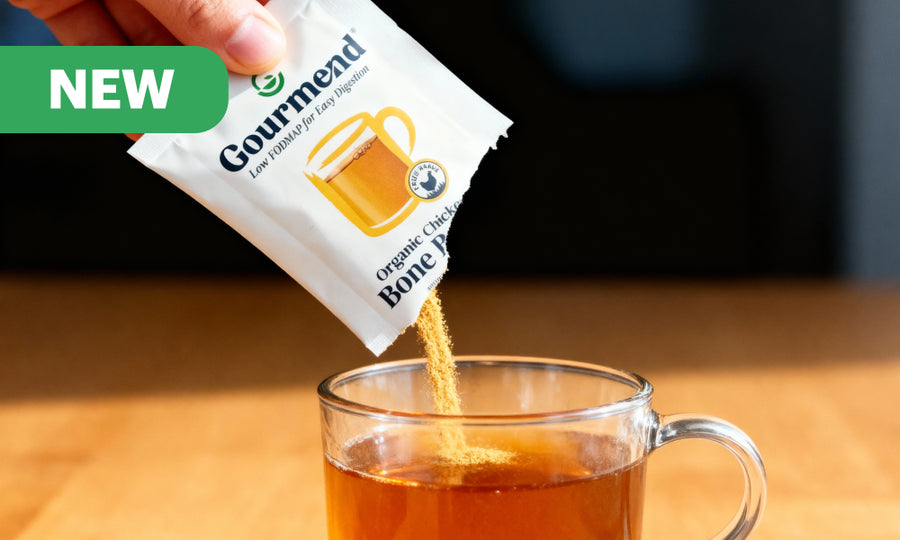
For even more variety, try pairing your potatoes with a gut-friendly Organic Chicken Bone Broth for soups or mashes that are both flavorful and gentle on digestion.
FODMAPs 101: Where Potatoes Fit in the Big Picture

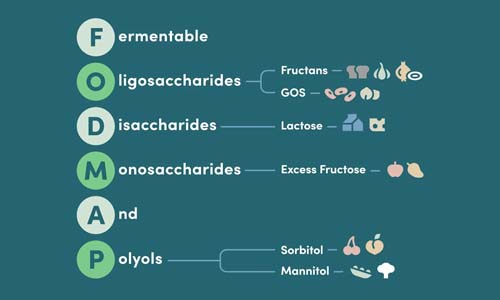
FODMAPs are short-chain carbohydrates that ferment rapidly in your small intestine, potentially causing gas, bloating, cramping, and altered bowel movements in people with IBS. The acronym covers five categories: fermentable oligosaccharides, disaccharides, monosaccharides, and polyols.
When we say something is "low FODMAP," we mean it contains minimal amounts of these fermentable sugars at tested serving sizes, not that it's completely FODMAP-free. Most white potatoes low fodmap status comes from their starch-heavy composition with virtually no problematic sugars, while sweet potatoes contain mannitol (a polyol) that becomes significant at larger portions.
The Monash University research that established FODMAP guidelines emphasizes three key factors: serving size, eating frequency, and food combinations within meals. A medium white potato might be perfectly gentle, but pairing it with high-FODMAP toppings or eating multiple starchy sides could tip your total FODMAP load into uncomfortable territory.
Keep a simple food and symptom log when introducing potato dishes during your elimination phase. Note the variety, cooking method, portion size, and any additions like seasonings or sauces. This data helps you identify your personal tolerance patterns and build confidence around fodmap diet potatoes that work specifically for your digestive system.
Are Potatoes Low FODMAP? A Straight-Answer Guide by Type
| Potato Type | FODMAP Status | Safe Serving Size | Key Notes |
|---|---|---|---|
| White/Russet/Idaho | No FODMAP | 1 medium (150-175g cooked) | Most reliable for sensitive guts |
| Yellow/Gold (Yukon) | No FODMAP | ¾-1 cup cooked | Creamy texture, versatile |
| Red/New/Baby | No FODMAP | ¾-1 cup cooked | Waxy texture, great for salads |
| Purple/Blue | Likely no FODMAP | ¾-1 cup cooked | Test tolerance individually |
| Sweet Potatoes | Low FODMAP (small serves) | ½ cup cooked (75-100g) | Contains mannitol, watch portions |
Laboratory testing shows that standard white potato varieties register virtually no detectable FODMAPs at typical serving sizes, making them exceptionally gut-friendly during elimination phases. The starch-to-sugar ratio in white potatoes creates a stable carbohydrate base that most IBS digestive systems handle well.
Sweet potatoes present a different profile due to their mannitol content, a sugar alcohol that can ferment and cause symptoms when portions exceed individual tolerance thresholds. The ½ cup guideline represents a conservative starting point; some people tolerate more, while others need smaller amounts or longer intervals between sweet potato meals.
Portion control becomes especially important when combining fodmap potatoes with other carbohydrates in the same meal. Aim for one primary starchy side per plate, spacing higher-carb meals by 3-4 hours to allow complete digestion. When uncertain about tolerance, reduce your intended portion by 25-50% and monitor symptoms for 24 hours before adjusting upward.
For a deeper dive into the science and practical tips, see our comprehensive guide on whether potatoes are low FODMAP.
White Potatoes by Variety: Russet, Red, Yellow & More
Potato variety affects cooking behavior, texture, and flavor more than FODMAP content, making your choice primarily about culinary preference rather than digestive safety. All common white, red, and yellow potatoes are considered low FODMAP at standard serving sizes. Choose based on your recipe and desired texture: russets for fluffy bakes, reds for salads, and Yukon golds for creamy mashes. For more inspiration, explore our low FODMAP potato recipes collection.
Sweet Potatoes & Yams: Where the FODMAPs Start Climbing

Sweet potatoes represent the first major FODMAP consideration in the potato family due to their mannitol content, a sugar alcohol that can trigger symptoms when portions exceed individual tolerance levels. Most grocery store "yams" are actually sweet potatoes, so treat them with the same portion-conscious approach.
The mannitol in sweet potatoes increases proportionally with serving size, making portion control your primary tool for enjoying these nutritious tubers without digestive distress. During elimination phases, aim for approximately ½ cup (75-100g cooked) per meal, treating this as your testing baseline rather than a permanent restriction.
| Sweet Potato Type | Elimination Phase Portion | Reintroduction Testing | Key Considerations |
|---|---|---|---|
| Orange Sweet Potato | ½ cup cooked (75g) | Increase by ¼ cup increments | Most common variety; well-tested portions |
| Purple Sweet Potato | ½ cup cooked (75g) | Same as orange variety | Assume similar mannitol levels |
| White Sweet Potato | ½ cup cooked (75g) | Test cautiously | Less data available; treat conservatively |
| True Yams (rare in US) | Unknown FODMAP profile | Avoid during elimination | Different botanical family entirely |
Purple sweet potatoes likely contain similar mannitol levels to orange varieties, though specific testing data remains limited. During elimination, treat all sweet potato varieties with the same cautious portion approach, expanding your serving sizes systematically during reintroduction phases.
Some individuals react to even small sweet potato portions due to heightened sensitivity to polyols (sugar alcohols). If you experience symptoms with ½ cup servings, reduce to ¼ cup and extend time between sweet potato meals to 48-72 hours, allowing your digestive system adequate recovery time.
Potato Skins, Fiber & Resistant Starch: Why You Might Feel Different
Potato-related digestive symptoms don't always stem from FODMAPs, fiber content, resistant starch formation, and individual gut sensitivity play equally important roles in how you feel after eating potatoes. Understanding these non-FODMAP factors helps you optimize potato preparation for your specific digestive needs.
Potato skins contain more insoluble fiber, which can add beneficial roughage for some people while potentially increasing gas or loose stools for others. The key is understanding your IBS subtype: those with constipation-predominant symptoms often benefit from keeping skins on, while those with diarrhea-predominant IBS may find peeled potatoes gentler initially.
Resistant starch forms when cooked potatoes are cooled for 8-12 hours and served cold or reheated. This process converts some digestible starch into a fiber-like compound that feeds beneficial gut bacteria. While this can improve stool consistency and support gut health, it may initially cause gas in sensitive individuals. Start with small portions of potato salad or reheated roasted potatoes to test your tolerance.
For diarrhea-prone IBS, begin with smaller portions and fewer skins. For constipation-prone IBS, consider incorporating cooled potato dishes gradually. Always pair these experiments with consistent low FODMAP proteins and vegetables to maintain digestive stability.
For a delicious way to enjoy potatoes on a low FODMAP diet, try our crisp roasted baby potatoes recipe.
Cooking Method Matters: Mashed, Baked, Roasted, Fries & Chips
While cooking methods don't typically change the FODMAP content of white potatoes, they significantly affect texture, resistant starch formation, and fat content, all factors that influence digestive comfort. The way you prepare potatoes can mean the difference between a satisfying, gut-friendly meal and digestive distress.
Mashed potatoes often cause issues not from the potato itself, but from high-FODMAP additions like milk with lactose or garlic. Create creamy, flavorful mashed potatoes using lactose-free milk, plant milks in tested portions, or Gourmend shelf-stable broth carton for rich umami depth. Butter or ghee in moderate amounts (1-2 tablespoons per serving) adds richness without overwhelming sensitive digestion.
Baked potatoes are naturally gentle when you focus on the flesh and choose low FODMAP toppings. One medium baked potato provides substantial nutrition and satisfaction. Skip sour cream, cheese, and high-FODMAP sauces in favor of butter, chives, or a drizzle of garlic-infused oil.
Roasted potatoes and home fries become problematic when loaded with excess oil or high-FODMAP seasonings. Use 2-3 tablespoons of oil per pound of potatoes, and season with chive sprigs, green leek tops, or garlic-chive stems for onion-like depth without the digestive consequences. Organic Garlic Chive Powder is a convenient way to add flavor without FODMAPs.
Fries and chips require careful navigation. Plain home fries made from fresh potatoes differ dramatically from restaurant or frozen versions that may contain garlic powder, onion powder, inulin, chicory, or wheat-based coatings. When making fries at home, stick to potatoes, oil, salt, and simple herbs.
Use garlic-infused oil combined with chopped chives instead of garlic bulbs or onion for maximum flavor impact. For lighter meals, pair roasted potatoes with Gourmend shelf-stable broth carton-based soups rather than heavy cream sauces to maintain digestive ease while maximizing satisfaction. For a sampler of delicious broths, try our Broth Sampler for easy, gut-friendly meal prep.
Processed Potato Products: Reading Labels Like a FODMAP Detective

Processed potato products, from frozen fries to instant mashed potatoes, can be convenient low FODMAP options when you know what to look for. The challenge lies in identifying hidden high-FODMAP ingredients that manufacturers often add for flavor enhancement.
Red flag ingredients include garlic powder, onion powder, "natural flavors" that may contain these compounds, wheat flour or barley coatings, inulin, chicory root, and fruit powders. High fructose sweeteners also appear in some seasoned potato products and should be avoided during elimination phases.
Safe ingredient profiles feature potatoes, salt, oil, and simple herbs or spices without garlic or onion derivatives. Potato starch and potato flour serve as excellent low FODMAP thickeners for soups and gravies, offering better digestibility than wheat-based alternatives.
| Product Type | Low FODMAP Friendly | Watch Out For |
|---|---|---|
| Plain frozen fries | Potatoes + oil + salt | Seasoning blends, coatings |
| Instant mashed potatoes | Basic potato flakes | Milk powder, garlic, onion |
| Potato chips | Potatoes + oil + salt | Flavoring powders, inulin |
| Potato starch | Pure potato starch | Blended starches with wheat |
For soups and gravies, substitute potato starch whisked into Gourmend shelf-stable broth carton instead of wheat flour for smooth, flavorful results without digestive complications. When trying new packaged potato products, start with half the suggested serving size and monitor symptoms for 24 hours before increasing portions.
Choose products with the shortest ingredient lists, if you see potatoes, oil, salt, and simple herbs, you're usually making a safe choice for your low FODMAP lifestyle. For more inspiration, browse our collection of low FODMAP recipes featuring potatoes and other gut-friendly ingredients.
For a scientific overview of the low FODMAP diet and its effectiveness, see this peer-reviewed resource.
If you want a detailed breakdown of FODMAP foods and serving sizes, consult the Low FODMAP Diet and Instructions from the University of Virginia.
Frequently Asked Questions
Are all types of potatoes safe to eat on a low FODMAP diet, and how do their serving sizes affect tolerance?
Most white potatoes, such as russet, red, and yellow varieties, are low FODMAP when eaten in servings up to ½ cup cooked. Portion size is key because larger amounts can increase fermentable carbohydrates, potentially causing digestive discomfort. Sweet potatoes and yams contain moderate FODMAPs and should be limited to smaller servings to maintain gut comfort.
What cooking methods and seasonings are recommended to keep potato dishes low FODMAP and gut-friendly?
Cooking methods like baking, roasting, boiling, and mashing work well for low FODMAP potato dishes. To keep flavors bold without triggering symptoms, use low FODMAP seasonings such as Gourmend’s Organic Garlic Chive Salt and avoid high-FODMAP ingredients like garlic bulbs and onions. Pairing potatoes with a gut-friendly broth, like Gourmend’s Organic Chicken Bone Broth, adds savory depth while supporting easier digestion.
How do sweet potatoes and yams differ from white potatoes in terms of FODMAP content and digestive impact?
Sweet potatoes and yams contain higher levels of mannitol, a polyol that can ferment in the gut and cause symptoms at larger servings. In contrast, white potatoes are mostly starch with minimal fermentable sugars, making them easier to digest in moderate portions. Limiting sweet potatoes and yams to about ½ cup cooked helps keep their FODMAP impact manageable.
Why is portion control important when including potatoes in a low FODMAP diet, and how can I track my personal tolerance?
Portion control helps prevent excess fermentable carbohydrates from triggering digestive discomfort. Starting with recommended serving sizes and gradually adjusting allows you to find your personal tolerance. Keeping a food and symptom diary can be a helpful tool to track how different potato types and amounts affect your digestion over time.