


Post-Meal Walking for Digestion: A Complete Guide

Post-meal walking for digestion
Post-meal walking for digestion works by stimulating peristalsis--the rhythmic muscle contractions that move food through your gut. A 10-to-15-minute walk after eating can reduce bloating, blunt blood glucose spikes, and support faster gastric emptying. Start within 30 minutes of finishing your meal for best results.
What Post-Meal Walking Does for Your Digestion
How Walking Stimulates Gut Movement
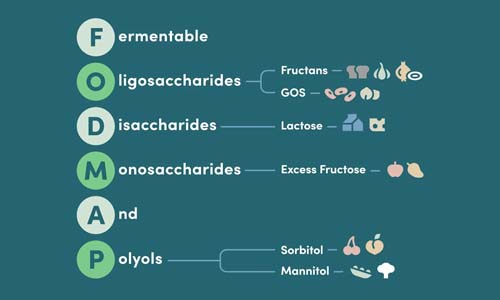
Light movement activates the enteric nervous system--your gut's internal signaling network. Research suggests it can speed gastric emptying compared with seated rest, shortening the window during which fermentable carbohydrates sit in the gut. That timing can matter for anyone managing IBS or following a low FODMAP approach.
The "Fart Walk": Real Relief from Bloating and Gas
The term has earned its place in gut-health conversations for good reason. Walking upright helps move intestinal gas along through gravity and gentle muscle engagement--often faster than staying seated. If post-meal bloating is a recurring issue, a brisk 10-minute walk is a practical, no-prescription tool worth adding to the rotation.
Timing It Right: Start Within 10-30 Minutes After Eating
| Start Time After Meal | Digestive Benefit |
|---|---|
| Within 10 minutes | Strong motility support; often best for blood sugar |
| 10-30 minutes | Strong benefit; practical for most schedules |
| 30-60 minutes | Moderate benefit; still worthwhile |
| 60+ minutes | General fitness value; digestive timing window has largely passed |
Blood Sugar Control: Why Post-Meal Walks Beat Other Times

Key Studies on Glucose Peaks and Insulin Response
A 2022 meta-analysis published in Sports Medicine found that walking after meals reduced peak blood glucose compared with prolonged sitting. During movement, muscle contractions draw glucose from the bloodstream with less reliance on insulin--a meaningful advantage for anyone with insulin resistance or type 2 diabetes. If you take glucose-lowering medications, ask your clinician about the safest routine for your situation.
Minimum Effective Dose: 2-10 Minutes Makes a Difference
You don't need a 45-minute power walk to see metabolic benefits. The same meta-analysis found that even 2-to-5-minute walks were associated with meaningful improvements in post-meal glucose. A short loop around the block counts as real movement. For busy schedules, that's the whole argument right there.
Walking After Meals vs. Earlier in the Day
Walking before a meal supports cardiovascular fitness, but it doesn't target the glucose rise that follows eating. Walking two or more hours later often misses the peak absorption window entirely. The post-meal window is when timing most directly shapes both comfort and metabolic response. For more on the underlying mechanisms, see this research article.
Build Lasting Habits with Post-Meal Walks
Optimal Duration and Pace for Busy Schedules
Ten to fifteen minutes at a comfortable, conversational pace is a practical target. You should feel mild exertion without breathlessness. Walking too vigorously right after eating can pull blood flow toward working muscles--some people find it actually worsens comfort rather than improving it. Keep it easy. The goal here is digestive support, not a training session.
Pairing Walks with Low FODMAP Meals for IBS Support
Post-meal movement pairs well with low FODMAP eating because both strategies can reduce fermentation and gas for many people. When a meal is already gentle on the gut, a short walk afterward may add another layer of support. That said, IBS triggers vary from person to person--let your symptoms guide you.
A Gut-Friendly Meal to Walk On
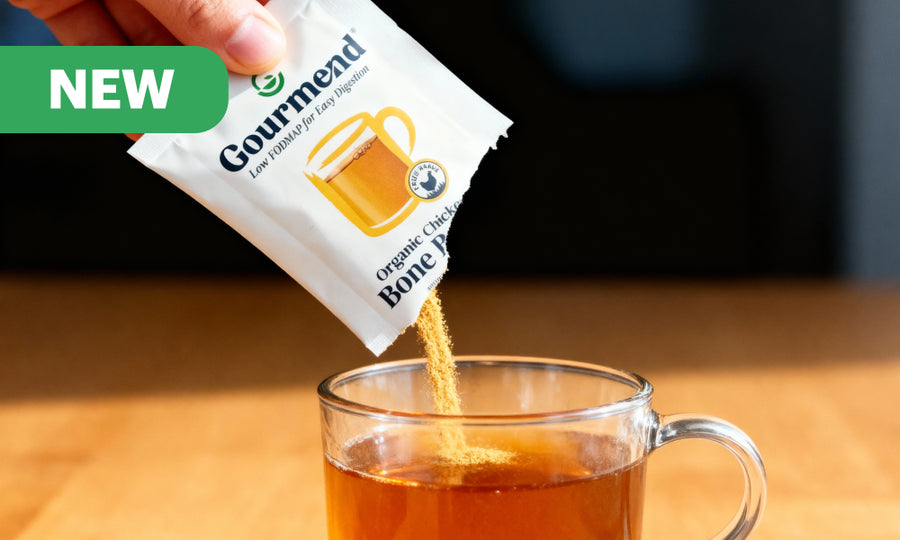
A light, broth-based meal works well before a post-meal walk--satisfying without feeling heavy. The Bone Broth Sampler Bundle from Gourmend Foods includes six Monash University Low FODMAP Certified broths made with organic free-range chicken and grass-fed beef bones, using scallion tops and leek greens instead of onion bulbs or garlic. Use the chicken broth as a base for a quick rice soup, eat, then head out the door.
This information is for educational purposes only and is not intended to diagnose or treat any medical condition. Consult a registered dietitian or healthcare provider for personalized advice.
Who Gains Most from Post-Meal Walking
Benefits for IBS, Blood Sugar, and Weight Goals
Three groups tend to notice the clearest returns. People managing IBS may experience less bloating and improved gas transit. Those with type 2 diabetes or insulin resistance can benefit from muscles drawing glucose during activity rather than leaving it to spike in the bloodstream. And for anyone working toward weight management, consistent post-meal walks modestly increase daily movement while taking the edge off post-meal snack cravings.
A Zero-Emission Habit Worth Noting
Walking costs nothing and emits nothing. At Gourmend Foods--a Certified B Corporation with a B Impact Score of 114.0--we think about health systemically: personal health and planetary health aren't separate conversations. Choosing a short walk and pairing it with a clean-label, low FODMAP meal made from organic ingredients are small decisions that compound over time.
How Walks Changed My Own Digestive Life
When I was managing IBS before founding Gourmend Foods, post-meal walks became one of my most reliable tools. The bloating that used to follow lunch would often ease within ten minutes of moving. That observation sent me toward the research. Pairing those walks with meals built around low FODMAP ingredients--broths without onion bulbs or garlic, seasonings made from chive stems and scallion greens--helped me stay consistent and actually enjoy eating again.
Common Questions About Post-Meal Walking

Does It Help Acid Reflux or Heartburn?
Light walking may ease mild reflux for some people by supporting gastric emptying and reducing upward pressure on the esophagus. Vigorous movement immediately after eating can do the opposite--bouncy exertion can worsen symptoms. Keep the pace gentle and stay upright.
How Long Should You Wait After a Heavy Meal?
After a large or rich meal, waiting 20 to 30 minutes before heading out can feel considerably better. A very full stomach plus any intensity can cause cramping. In this context, slow and easy beats fast every time.
Walking vs. Other Post-Meal Activities
Walking Advantages
- Supports peristalsis without straining digestion
- Helps reduce post-meal blood glucose
- Requires no equipment or gym access
- Works in social settings (a walk with a friend counts)
Limitations to Note
- Vigorous exercise right after a meal can feel uncomfortable and may slow gastric emptying for some people
- Not a substitute for medical management of chronic conditions
Post-meal walking remains one of the most accessible, evidence-supported habits available. Pair it with clean, low FODMAP meals and you've got a daily routine that works with your body rather than against it.
This information is for educational purposes only and is not intended to diagnose or treat any medical condition. Consult a registered dietitian or healthcare provider for personalized advice.
Building a Routine That Lasts
Post-meal walking works because it matches how the body tends to handle food and movement. This isn't a wellness trend with a short shelf life--it's a simple habit with consistent research support across digestion, blood sugar, and appetite management.
A few principles worth carrying forward:
- Consistency beats intensity. A 10-minute walk after dinner every night outperforms an occasional 45-minute session that ignores timing.
- Meal composition matters. Light, low FODMAP meals reduce fermentation load before the walk even begins. What you eat and when you move work best as a pair.
- Gentle is sufficient. Conversational pace, comfortable shoes, no performance target. The goal is digestive support, not athletic training.
If you manage IBS or follow a low FODMAP approach, start with dinner. Build a broth-based meal using the Bone Broth Sampler Bundle from Gourmend Foods--six Monash University Low FODMAP Certified broths made without onion bulbs or garlic. Eat, wait 15 minutes, then walk for 10. Repeat for two weeks before evaluating. Many people notice changes in bloating and post-meal comfort within days, though responses vary.
The habit doesn't require a complete lifestyle overhaul. It requires one consistent decision: move after you eat. Start small, pair it with meals your gut tolerates, and let the routine become automatic. For additional clinical context on the metabolic benefits, this clinical study and this accessible overview are worth reading.
This information is for educational purposes only and is not intended to diagnose or treat any medical condition. Consult a registered dietitian or healthcare provider for personalized advice.
Frequently Asked Questions
How long should I walk after a meal to help with digestion?
For optimal digestive benefits like reduced bloating and better blood sugar control, I find a 10-to-15-minute walk after eating works well. Even a short 2-to-5-minute stroll can offer meaningful improvements for your post-meal glucose. The key is consistent, light movement.
Are there specific 'rules' like 3-3-3 for post-meal walking?
While I haven't come across specific '3-3-3' or '6-6-6' rules for post-meal walking, the science suggests that even a brief walk can be beneficial. My focus, and what the research supports, is on light movement for 10-15 minutes, starting within 30 minutes after your meal. Even 2-5 minutes can make a difference for blood sugar.
Is it better to walk on an empty stomach or post-meal?
Both walking on an empty stomach and after a meal have their merits, but for digestive support and blood sugar control, post-meal walking is specifically targeted. Walking soon after eating helps manage the glucose rise and can ease bloating. Walking before a meal is great for general fitness, but it doesn't address those immediate post-meal effects.
How soon after eating should I start my post-meal walk?
To get the most out of your post-meal walk, I recommend starting within 10 to 30 minutes after you finish eating. This window is ideal for stimulating gut movement and helping to manage blood sugar spikes. Even starting within 60 minutes can still offer moderate benefits.
How does post-meal walking help with bloating and gas?
Post-meal walking, sometimes called a 'fart walk,' can be a real real difference for bloating and gas. The upright movement and gentle muscle contractions help gravity move intestinal gas along, offering faster relief than just sitting still. It's a simple, non-prescription way to feel more comfortable after meals.
Can post-meal walking help manage blood sugar?
Absolutely, post-meal walking is a powerful tool for blood sugar control. The muscle contractions during your walk help draw glucose from your bloodstream, reducing those post-meal spikes. Even a short 2-to-5-minute walk can lead to meaningful improvements in your glucose levels.
Is there a specific pace I should aim for during a post-meal walk?
A comfortable, conversational pace is generally best for a post-meal walk. You want to feel mild exertion, but without being breathless, so you can still chat easily. Walking too intensely right after eating can sometimes divert blood flow away from digestion, which isn't what we're aiming for.