



Low FODMAP Sourdough Bread: The Complete Guide

Key Takeaways
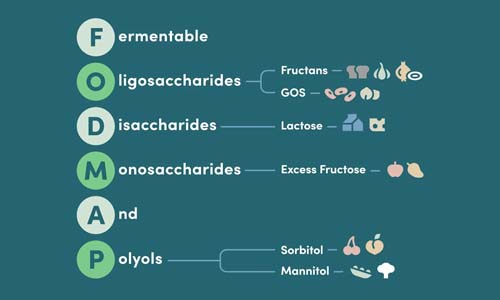
- Traditional wheat bread contains fructans that can cause digestive distress.
- Fructans are fermentable carbohydrates that the small intestine struggles to absorb.
- Low FODMAP sourdough bread uses wild yeast and bacteria to break down fructans during fermentation.
- This extended fermentation process reduces problematic compounds, making the bread easier to digest.
Table of Contents
- Understanding FODMAPs and Why Sourdough Matters
- The Science of Sourdough Fermentation and FODMAP Reduction
- Choosing Your Flour: FODMAP Profiles by Grain Type
- Building and Maintaining a FODMAP-Friendly Sourdough Starter
- Homemade Low FODMAP Sourdough: Step-by-Step Baking
- Identifying and Selecting Store-Bought Low FODMAP Sourdough
- Sourdough vs. Other Bread Options: A Practical Comparison
- Troubleshooting Common Sourdough Issues
- Incorporating Low FODMAP Sourdough Into Your Broader Diet
Understanding FODMAPs and Why Sourdough Matters
Traditional wheat bread triggers digestive distress because it's loaded with fructans, fermentable carbohydrates your small intestine can't absorb efficiently. When these FODMAPs reach your colon, bacteria ferment them rapidly, producing gas and bloating. Low FODMAP sourdough bread undergoes a fundamentally different process: wild yeast and beneficial bacteria consume those problematic fructans during extended fermentation, breaking them down into simpler compounds your gut handles easily.
This transformation isn't marketing, it's measurable biochemistry. Research from Monash University confirms that wheat sourdough fermented for 16+ hours reduces fructan content by up to 90% compared to standard yeast bread. The key lies in the living sourdough culture: Saccharomyces cerevisiae (wild yeast) and Lactobacillus species work together to metabolize complex carbohydrates that would otherwise trigger IBS symptoms.
If you're looking to make your own low FODMAP sourdough bread at home, starting with a Low FODMAP Pantry Starter Bundle ensures you have gut-friendly essentials on hand. For those who want a broader selection, the Low FODMAP Foodie Bundle offers a curated mix of ingredients to support your baking and meal prep.
Critical Distinction: Not all "artisan" or "slow-rise" bread is true sourdough. Only fermentation powered by wild yeast cultures reduces FODMAPs, time alone isn't enough.
The Science of Sourdough Fermentation and FODMAP Reduction

How Fermentation Eliminates Fructans and GOS
During proper long fermentation (12–48 hours), wild yeast and lactic acid bacteria consume fructans and galacto-oligosaccharides (GOS) as energy sources. These microorganisms break down complex carbohydrates into glucose and organic acids that don't trigger digestive responses. Breads fermented for 16+ hours show fructan reductions of 90% or more, the difference between digestive distress and comfortable eating.
Why Fermentation Time Is Non-Negotiable
Extended fermentation produces lactic and acetic acids that lower bread's pH while beneficial bacteria consume FODMAPs. At room temperature (68–72°F), optimal fermentation takes 16–24 hours; cooler temperatures extend this beneficially. Rushed fermentation (6–8 hours) leaves residual fructans behind, making bread less tolerable for sensitive individuals. The 16-hour minimum isn't arbitrary, it's the threshold where meaningful FODMAP reduction occurs.
Wild Yeast vs. Commercial Yeast: The Critical Difference
Commercial baker's yeast works fast but doesn't consume fructans like sourdough cultures do. Adding commercial yeast to speed fermentation bypasses the enzymatic and bacterial actions that make sourdough bread FODMAP-friendly. True sourdough relies on living starter cultures that develop complex microbial ecosystems over weeks, this ecosystem performs the FODMAP reduction while creating the bread's distinctive tang and texture.
For a deeper dive into the science and practical tips, see our detailed guide: is sourdough low FODMAP.
Choosing Your Flour: FODMAP Profiles by Grain Type
Low FODMAP Flours for Sourdough Baking
White wheat sourdough offers the most reliable entry point. When fermented for 16+ hours, white wheat flour produces bread that's certified low FODMAP at 2 slices (~109g). The lower fiber content means fewer initial fructans, making fermentation more effective. Monash University testing confirms this serving size as reliable for most IBS sufferers.
Spelt sourdough deserves attention for its complex, nutty flavors and naturally lower FODMAP content. At 2 slices (~80–90g), properly fermented spelt sourdough registers as low FODMAP, though individual tolerance varies more than with white wheat. Many low FODMAP community members report excellent spelt tolerance due to both the grain's chemistry and extended fermentation benefits.
Flours to Approach With Caution
Rye sourdough remains high in FODMAPs even when fermented, its fructan profile doesn't reduce as significantly as wheat during fermentation. Oat sourdough sits in moderate-FODMAP territory: one slice is low FODMAP, but two slices cross into moderate GOS levels. Reserve these for later reintroduction phases under dietitian guidance.
Building and Maintaining a FODMAP-Friendly Sourdough Starter
Creating Your Starter From Scratch
Begin with equal parts white wheat flour and filtered water (50g each) in a clean glass jar. Mix and leave at room temperature (68–75°F), loosely covered. Days 2–7, discard half and feed with fresh flour and water at the same 1:1 ratio. By day 5–7, consistent bubbling, pleasant sour aroma, and predictable rise-and-fall patterns indicate readiness for baking.
Maintenance and Feeding Schedule
Feed active starter once daily with equal parts flour and water. For weekly baking, refrigerate after feeding, it survives 7–10 days between feedings. Before baking, remove from fridge, feed, and allow 4–6 hours at room temperature for activation (doubled volume, bubbly, pleasant aroma). Mature starters (4+ weeks old) ferment more reliably and develop stronger microbial populations than young cultures.
To add more flavor to your sourdough creations, try using Organic Garlic Chive Salt for a savory, low FODMAP boost in your recipes.
Homemade Low FODMAP Sourdough: Step-by-Step Baking

Dough Preparation and Ingredient Guidelines
Combine 500g white wheat flour, 350ml filtered water, 10g salt, and 100g active sourdough starter (fed 4–6 hours prior). Mix until shaggy; rest 30 minutes for autolyse. This brief rest allows flour to hydrate fully and activates enzymatic breakdown of carbohydrates, supporting FODMAP reduction during fermentation.
Avoid high FODMAP sweeteners like honey or agave. Use filtered water to support fermentation, chlorine inhibits wild yeast activity. The simple ingredient list ensures you control every component that enters your low FODMAP sourdough bread.
Bulk Fermentation: The FODMAP-Reduction Window
Perform stretch-and-fold technique every 30 minutes for the first 2 hours: wet your hand, grab one side of dough, stretch up and fold over itself, rotating the bowl 90 degrees between folds. This builds gluten structure while aerating dough to support microbial activity.
Allow 12–24 hours total bulk fermentation at room temperature (68–72°F), extending to 20–30 hours at cooler temperatures (60–65°F). The dough should increase 50–75% in volume and pass the poke test, when gently poked with a floured finger, the indent should spring back slowly, not immediately or completely.
Shaping and Cold Retard for Enhanced FODMAP Reduction
Turn completed dough onto lightly floured surface, pre-shape into a round, rest 20 minutes, then shape into tight round or oval. Place seam-side up in banneton or well-floured towel-lined bowl. Refrigerate shaped dough for 8–16 hours before baking, this cold retard slows yeast while bacteria continue working, further reducing FODMAPs while improving flavor complexity and making scoring easier.
Identifying and Selecting Store-Bought Low FODMAP Sourdough
Reading Labels for True Sourdough Markers
Look for "sourdough starter" or "sourdough culture" explicitly listed in ingredients, sometimes labeled "wild yeast culture." Avoid products with high FODMAP sweeteners (honey, agave, high fructose corn syrup) or complex additive lists. True sourdough bread FODMAP reduction requires authentic fermentation, not marketing language.
Seek fermentation time indicators on packaging: "slow fermented," "24-hour fermentation," or similar claims. If fermentation details aren't listed, contact the bakery directly. Reputable sourdough bakers readily share their methods, evasiveness suggests shortcuts that compromise FODMAP reduction.
For more meal inspiration, check out our collection of low FODMAP recipes that pair perfectly with sourdough bread.
Recommended Brands and Certification
While few sourdough breads carry formal Monash University certification, several bakeries have earned low FODMAP community trust: Iggy's Bread (Massachusetts) for long fermentation protocols, Tartine Bread (San Francisco) for traditional methods, and Bouchon Bakery (California) for consistently fermented products. In Australia, Nourish'd Co. specifically formulates low FODMAP sourdough products.
When trying new brands, start with a single slice, wait 2–3 hours, and monitor symptoms before consuming full servings. Individual tolerance varies even with properly fermented products.
Sourdough vs. Other Bread Options: A Practical Comparison
| Aspect | Low FODMAP Sourdough | Standard Yeast Bread | Gluten-Free Bread |
|---|---|---|---|
| Fermentation time | 16–48 hours | 2–4 hours | Varies (usually minimal) |
| FODMAP reduction | 90%+ (fructans, GOS) | None (unchanged) | Depends on ingredients |
| IBS tolerance | High (2-slice servings) | Low (high fructan content) | Variable (check gums, sweeteners) |
| Flavor complexity | Tangy, developed sourness | Mild, neutral | Often bland or sweet |
| Shelf life | 5–7 days (freezes well) | 2–3 days | 3–5 days |
| Cost (store-bought) | $5–8 per loaf | $2–4 per loaf | $4–7 per loaf |
| Availability | Specialty bakeries, select stores | Most supermarkets | Most supermarkets, specialty stores |
Troubleshooting Common Sourdough Issues

Your Sourdough Is Still Causing Digestive Symptoms
Serving size exceeds tolerance: Stick precisely to 2 slices maximum. Even properly fermented sourdough bread for IBS has FODMAP thresholds, measure portions if symptoms persist. Toasted bread concentrates residual FODMAPs, making digestion harder; eat fresh or lightly warmed instead.
Individual sensitivity varies significantly. Some people tolerate wheat sourdough perfectly; others don't, despite proper fermentation. Trial other low FODMAP breads (rice-based, corn tortillas) to isolate wheat-specific triggers. Contact your bakery for fermentation specifics, if they can't provide details, try another source.
If you want to enjoy your sourdough with a comforting soup, try pairing it with Organic Vegetable Broth (Low FODMAP & Unsalted) for a gentle, gut-friendly meal. For more ideas, see our low FODMAP soup inspiration.
Your Homemade Sourdough Isn't Rising Properly
Weak starter requires more frequent feeding: Switch to every 8–12 hours instead of daily for 3–5 days before baking. Room temperature below 65°F slows fermentation dramatically, try fermenting in a warm spot like the top of your refrigerator or a turned-off oven with light on.
Too much salt (over 10g per 500g flour) inhibits yeast activity. Older flour ferments unpredictably, try fresh flour or add 5–10ml more water if dough feels stiff.
Your Sourdough Lacks Sourness and Complexity
Extend cold retard to 12–16 hours, bacterial acid production accelerates at cold temperatures, developing tang. Young starters (under 4 weeks) produce less acid; age your culture for deeper flavor development. Cooler fermentation temperatures (65–68°F vs. 72°F) shift balance toward lactic acid bacteria, increasing sourness naturally.
Incorporating Low FODMAP Sourdough Into Your Broader Diet
Portion Guidelines and Meal Planning
During strict elimination phase, limit to 2 slices of certified low FODMAP white wheat sourdough daily. Some individuals tolerate up to 4 slices (two servings) without symptoms; others must stick to baseline amounts. Work with a dietitian to personalize intake based on your response patterns.
Pair sourdough strategically: toast with low FODMAP spreads (peanut butter, pure maple syrup), serve alongside eggs or grilled chicken, or combine with Gourmend Foods broths for satisfying, gut-friendly meals. Two slices with low FODMAP soup creates filling lunch without exceeding FODMAP totals.
For a convenient way to sample a variety of gut-friendly staples, consider the Low FODMAP Sampler Bundle for your pantry. If you love broths, explore our Organic, Gut Friendly, Low FODMAP Broths for easy meal pairings.
Reintroduction and Challenge Testing
After establishing sourdough tolerance in weeks 4–6, systematically test higher-FODMAP varieties (wholemeal sourdough, rye sourdough) in controlled amounts, one serving every 3–4 days while logging symptoms. This methodical approach identifies personal thresholds and helps you expand your bread options with confidence. For more tips on adapting recipes, try our Low FODMAP Recipe Conversion Tool.
Frequently Asked Questions
What is the best bread for low FODMAP?
The best bread for low FODMAP is sourdough bread made with long fermentation using wild yeast and beneficial bacteria, which break down fructans and other fermentable carbs that can cause digestive discomfort. Choosing sourdough made from low FODMAP flours like spelt or gluten-free grains further enhances digestibility, offering a rich, gourmet bread option that’s gentle on your gut.