Low FODMAP Seasonings: Your Complete Flavor Guide
low fodmap seasonings
If you've been navigating a low FODMAP diet, you know the frustration: flavorless meals that leave you missing the depth of garlic, onions, and complex spice blends. But here's the truth: bold, gourmet flavor is absolutely possible without digestive triggers. Low FODMAP seasonings unlock the full spectrum of taste using single-ingredient herbs, strategic spices, and smart substitutions like garlic chives and scallion green tops. At Gourmend Foods, we've built our entire seasoning philosophy around this principle, proving that restriction does not mean boring.
Most pure, single-ingredient spices and fresh herbs are low FODMAP, including cumin, paprika, black pepper, rosemary, and basil. The real culprits hide in blends containing garlic powder, onion powder, or high-FODMAP additives. Stick to whole spices, read labels carefully, and use approved substitutes like garlic chives for garlic and scallion green tops for onions to build layers of flavor safely.
What Makes Seasonings Low FODMAP?
Understanding FODMAPs in Spices and Herbs
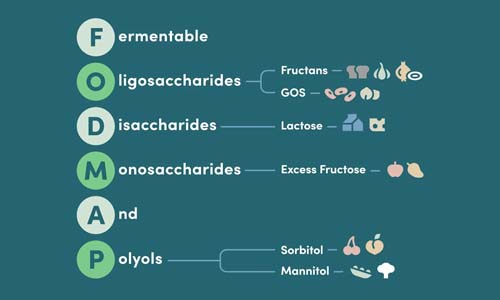
FODMAPs (fermentable carbohydrates that can trigger IBS symptoms) appear in surprisingly few pure spices. Fresh herbs like chives, rosemary, thyme, and cilantro contain negligible amounts. Dried spices such as cumin, paprika, turmeric, and coriander are equally safe in typical cooking quantities. The issue arises when manufacturers add bulking agents, anti-caking compounds, or flavor boosters containing garlic and onion derivatives. A single teaspoon of pure black pepper is fine. A steak seasoning with hidden onion powder is where trouble starts.
Common Pitfalls: Hidden Triggers to Avoid
Pre-mixed blends are the biggest pitfalls. Taco seasoning, Italian seasoning, and curry powders often contain garlic powder, onion powder, or even wheat-based fillers. Broth powders and bouillon cubes nearly always include these triggers. Even natural flavors can mask FODMAP sources. When we developed Gourmend's seasonings, we eliminated these shortcuts entirely, using garlic chives for aromatic punch and scallion green tops for onion-like sweetness without the gut consequences.
Label Detective Work: Scan ingredient lists for these red flags: garlic (any form), onion (any form), shallot, leek bulb, wheat, inulin, chicory root, and vague terms like spices or natural flavoring in blends. If a product lists specific spices by name, the option is usually safer.
Why Single-Ingredient Spices Are Your Best Bet
Buying individual spices gives you total control. You know exactly what goes into your food, and you can build custom blends tailored to your tolerance. A jar labeled paprika should contain only paprika. Cumin should be pure ground cumin seeds. This approach costs less over time and delivers fresher, more potent flavor than blends that sit on shelves for months. We source our seasonings this way, then combine them thoughtfully with Monash-tested ingredients to create blends that work for sensitive digestion.
Top Low FODMAP Seasonings for Everyday Cooking
Fresh Herbs: Chives, Rosemary, and Beyond
Chives are a go-to option, delivering mild onion flavor without fructans. Rosemary and thyme bring earthy, woodsy notes that work well with roasted proteins and vegetables. Basil and cilantro add brightness to salads, sauces, and grain bowls. Parsley works as both a garnish and a flavor base. Keep these fresh herbs in rotation, and you may miss alliums far less than you expect.
Dry Spices: Cumin, Paprika, and Chili Powder
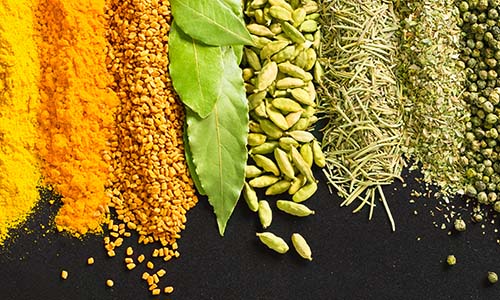
Is paprika low fodmap? Yes. Both sweet and smoked paprika are safe and add color plus gentle heat. Is black pepper low fodmap? Yes, in amounts most people use in cooking. Cumin provides warm, nutty depth that fits Mexican and Middle Eastern dishes. Pure chili powder (ground chilies only, not blends) delivers heat without common triggers. Turmeric, coriander, and cinnamon round out a solid pantry for both sweet and savory applications.
Bright Boosters: Lemon Zest and Ginger
Fresh lemon zest and lime zest lift a dish with aromatic oils and acidity. Fresh ginger (in moderate amounts, about one tablespoon per serving) adds zing to stir-fries and marinades. These ingredients help other low FODMAP seasonings shine, creating the kind of depth that keeps meals satisfying. Pair them with Gourmend's shelf-stable broth cartons for sauces and reductions that taste like hours of work.
How to Create Your Own Low FODMAP Seasoning Blends
Simple Base Recipes for Taco, Steak, and Herb Mixes
Building your own blends takes five minutes and removes the guesswork. For a taco blend, combine 2 tablespoons cumin, 1 tablespoon paprika, 1 teaspoon oregano, 1/2 teaspoon black pepper, and 1/4 teaspoon cayenne. A steak rub can use 1 tablespoon black pepper, 1 tablespoon paprika, 1 teaspoon coriander, and 1 teaspoon sea salt. An herb mix for roasted vegetables works with equal parts dried rosemary, thyme, and basil. Store these in small glass jars, label them with dates, and use them within six months for peak potency. For an easy option, consider our expertly crafted Low FODMAP Taco Seasoning that simplifies meal prep and keeps gut health in mind.
Gourmend's Plant-Based Spice Bundle Inspiration
We designed our seasoning approach around ingredients that deliver depth without compromise. Garlic chives provide aromatic flavor without fructans, while scallion green tops add onion-like sweetness to savory blends. Leek green tops contribute subtle sharpness to herb mixes. When you pair these with our shelf-stable bone broths, you can make restaurant-quality sauces and braises at home. Many customers start with a base of Gourmend broth, then layer in custom spice blends for soups, stews, and pan sauces that taste indulgent while staying gentle on digestion.
Tips for Customization Without Triggering Symptoms
Start with small batches to test your tolerance. Some people handle black pepper well; others find it irritating in larger amounts. Ginger can work well at about one tablespoon fresh per serving but may cause issues beyond that amount. Toast whole spices before grinding them to release oils and deepen flavor without increasing quantity. Keep a kitchen notebook tracking which combinations work best, along with serving sizes and any reactions. This personal data becomes useful when you scale recipes or adapt dishes from our low FODMAP recipe collection.
Gourmend Seasonings: Flavor Without Compromise
Our Innovative Approach with Garlic Chives and Scallion Green Tops
When I launched Gourmend Foods after years managing IBS, I refused to accept bland food as the price of comfort. We spent months testing substitutions until we cracked the code: garlic chives deliver aromatic punch, scallion green tops mimic onion's gentle sweetness, and leek green tops add layered complexity. These are strategic choices that let you cook the way you want without second-guessing every ingredient. Our seasonings show that understanding plant chemistry can beat simply removing triggers.
Pairing Gourmend Seasonings with Shelf-Stable Bone Broths
Our bone broths use nori seaweed and oyster mushrooms for umami depth, creating a flavor foundation that supports whatever low FODMAP seasonings you add. Deglaze a pan with our beef broth, add cumin and paprika, and you have a sauce base in two minutes. Simmer chicken in our broth with rosemary and lemon zest for a one-pot meal that tastes like slow-cooked comfort. The shelf-stable cartons mean you always have a high-quality liquid base ready.
Real Customer Insight: "I finally made a curry that didn't wreck my stomach. Gourmend broth plus my own spice mix with turmeric, cumin, and ginger tasted better than takeout. I'm not scared of cooking anymore." – Sarah M., Gourmend customer
Real Stories: How Our Customers Cook Confidently
Customers tell us they have stopped avoiding dinner parties and started experimenting again. One home cook uses our broths as a marinade base with fresh herbs and citrus zest. Another keeps three custom spice jars labeled for chicken, fish, and vegetables, built from single-ingredient spices and finished with a splash of Gourmend broth during cooking. The common thread is a shift from fear-based eating to flavor-first cooking.
Practical Recipes and Pairing Ideas with Low FODMAP Seasonings
Quick Roast Veggies with Rosemary and Cumin
Toss cubed zucchini, bell peppers, and carrots with olive oil, 1 teaspoon cumin, 1 teaspoon dried rosemary, and sea salt. Roast at 425°F for 25 minutes until caramelized. The cumin adds warmth while rosemary adds a piney note. Finish with fresh lemon zest and serve alongside protein or quinoa. This technique works with any low FODMAP vegetable and any spice combination you have tested. For more on using herbs and spices safely, check this detailed guide on using herbs and spices on a low FODMAP diet.
One-Pan Chicken Using Gourmend Bone Broth and Spice Blends
Sear chicken thighs in a hot skillet, remove them, then deglaze the skillet with 1 cup of Gourmend shelf-stable broth. Add 1 teaspoon paprika, 1/2 teaspoon black pepper, and fresh thyme sprigs. Return the chicken to the pan and simmer for 15 minutes, until cooked through. The broth reduces into a glossy sauce that coats the meat. Pair this method with different low FODMAP herbs and spices each week, such as cumin and cilantro, or rosemary and lemon zest.
Storage and Serving Tips for Maximum Freshness
Store whole spices in airtight containers away from light and heat; they can last about 18 months. Ground spices often lose potency after six months, so buy smaller quantities or grind fresh when possible. Fresh herbs can stay fresh for about a week when wrapped in damp paper towels and stored in a plastic bag. Freeze extra herbs in ice cube trays with olive oil for quick weeknight cooking. Check our recipe conversion tool to adapt favorite dishes using these storage-smart ingredients.
Building Sustainable Low FODMAP Flavor Habits
Transitioning from Restriction to Abundance
The mental shift from what you cannot eat to what you can create changes everything. You've learned that low FODMAP seasonings include dozens of pure spices, fresh herbs, and strategic substitutes. Apply that knowledge systematically: dedicate one drawer to verified single-ingredient spices, keep garlic chives and scallion green tops stocked in your crisper, and maintain a rotation of three custom blends that you have tested. This structure reduces decision fatigue while expanding your real flavor options.
Scaling Recipes for Family Meal Prep
Batch cooking with safe seasonings helps everyone eat together without separate meals. Prepare a large pot of chicken using Gourmend shelf-stable broth, rosemary, and black pepper. Portion half for immediate dinners, then freeze the rest in individual containers. Add different finishing spices when reheating, such as cumin and lime zest for tacos, or paprika and thyme for grain bowls. This method multiplies variety without multiplying effort, and family members who do not follow a low FODMAP diet often do not notice a taste compromise.
When to Reintroduce and Test Tolerance
After eight weeks of strict elimination, work with a dietitian to test small amounts of previously avoided ingredients. You might discover that you tolerate garlic-infused oil (where fructans do not transfer) or small quantities of certain spice blends. Keep your baseline seasonings consistent during testing so you can isolate variables accurately. Many Gourmend customers add back specific items while keeping our broths and core seasonings as a reliable foundation.
For scientific insights on FODMAPs and diet management, consider this comprehensive research article on FODMAPs and digestive health.
Advanced Techniques for Maximum Flavor Extraction
Blooming Spices in Oil for Deeper Taste
Heat whole or ground spices in oil or fat for 30 seconds before adding other ingredients. This technique releases volatile compounds and strengthens aroma and flavor. Toast cumin seeds until fragrant, then grind them fresh for curry bases. Bloom paprika in olive oil before adding vegetables for roasting. The oil carries aromatic molecules throughout the dish, which can let you use less seasoning overall. Pair this method with a splash of Gourmend broth to deglaze the pan and capture developed flavor.
Layering Fresh and Dried Herbs Strategically
Dried herbs withstand long cooking and build foundational flavor. Fresh herbs added at the end add brightness and aroma. Start a braise with dried rosemary and thyme, then finish with fresh chives and parsley right before serving. The same principle applies to spices: add cumin early for warmth, then finish with fresh ginger and lime zest for a sharper note.
Professional Trick: Reserve a small portion of your spice blend to sprinkle over the finished dish. Uncooked spices hit your palate first, helping the dish taste more boldly seasoned even when the total amount stays the same.
Using Acid and Salt to Amplify Spices
Salting at multiple cooking stages draws out natural flavors and helps spices taste more pronounced. A squeeze of lemon juice or a splash of vinegar at the end brightens the low FODMAP herbs and spices you have layered in. This is one reason restaurant food tastes balanced: cooks adjust salt and acid throughout, not only the spice quantity.
Your Confident Path Forward with Low FODMAP Seasonings
You now have the framework: pure spices are often safe, blends require scrutiny, and strategic substitutes like garlic chives and scallion green tops can bring back flavors that feel off-limits. The options within low FODMAP seasonings exceed what many home cooks use regularly, even without dietary restrictions. Your pantry can hold 20-plus verified spices, a selection of fresh herbs, and custom blends tailored to your tolerance and taste.
Cooking confidently on a low FODMAP diet means trusting your ingredients and your process. Keep single-ingredient spices as your foundation, read every label on blends, and build flavor through layering techniques rather than relying on garlic and onion shortcuts. When you pair these practices with quality bases like Gourmend's shelf-stable broth cartons, you can cook dishes that satisfy everyone at your table while keeping digestion calm.
The difference between surviving and thriving on this diet comes down to knowledge and preparation. Stock your kitchen thoughtfully, test tolerance systematically, and approach each meal as an opportunity to discover new combinations rather than mourn old favorites. We have watched thousands of customers make this shift, moving from anxiety about ingredients to excitement about what they will cook next.
Start simple: pick three recipes from our collection, buy the specific spices they require, and cook them until the techniques feel automatic. Then expand gradually, adding one new seasoning each week and documenting what works. Within a month, you'll have a personalized system that delivers bold, gourmet flavor without digestive compromise. For ideas on how to spice up your diet more broadly, see this article on spicing up your low FODMAP diet.
Frequently Asked Questions
What seasonings are generally safe for a low FODMAP diet if I have IBS?
Navigating a low FODMAP diet doesn't mean sacrificing flavor. Most pure, single-ingredient spices and fresh herbs are safe, including cumin, paprika, black pepper, rosemary, basil, thyme, and cilantro. The key is to stick to these individual ingredients and avoid pre-mixed blends that often contain hidden high-FODMAP triggers.
What are good low FODMAP substitutes for onion and garlic in cooking?
You can absolutely achieve aromatic depth without traditional onion and garlic. Garlic chives offer a mild, delicious garlic flavor, and scallion green tops provide a sweet, onion-like taste. Leek green tops also contribute a subtle sharpness, helping you build layers of flavor safely.
Are pre-mixed seasoning blends typically low FODMAP?
Unfortunately, many pre-mixed seasoning blends are common pitfalls on a low FODMAP diet. Products like taco seasoning, Italian seasoning, and curry powders often contain hidden garlic powder, onion powder, or even wheat-based fillers. Always read ingredient labels carefully to spot these potential triggers.
Can I still enjoy savory flavors on a low FODMAP diet?
Absolutely! Bold, gourmet flavor is entirely possible without digestive triggers. Pure, single-ingredient spices like cumin, paprika, turmeric, and coriander are all low FODMAP and bring wonderful savory notes to your cooking. It's about choosing the right ingredients to create satisfying depth.
How can I create my own low FODMAP seasoning blends at home?
Building your own blends is simple and gives you total control over what goes into your food. For a taco blend, combine cumin, paprika, oregano, black pepper, and cayenne. An herb mix for roasted vegetables works wonderfully with equal parts dried rosemary, thyme, and basil. This approach removes the guesswork and delivers fresher, more potent flavor.
What are some essential low FODMAP spices and fresh herbs for my kitchen?
For fresh herbs, keep chives, rosemary, thyme, basil, cilantro, and parsley in rotation. In your spice cabinet, stock up on cumin, paprika, black pepper, turmeric, coriander, and pure chili powder. These ingredients will allow you to create a full spectrum of tastes while staying gentle on your digestion.