



Low FODMAP Gluten-Free Bread: Ingredients and Serving Sizes

Low fodmap gluten free bread
Why Low FODMAP Gluten-Free Bread Matters for Everyday Eating
Understanding FODMAPs in Bread and Gluten's Role
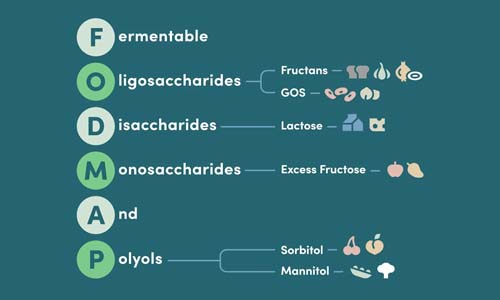
Standard bread is a double problem for many people with IBS. Wheat contains fructans, a high-FODMAP carbohydrate, alongside gluten. Switching to gluten-free bread removes the gluten but doesn't automatically lower FODMAPs. Many gluten-free loaves add apple juice concentrate, honey, or chicory root fiber -- all high-FODMAP ingredients manufacturers use to compensate for texture and sweetness lost when wheat exits the formula. Low FODMAP gluten-free bread must clear both hurdles simultaneously.
Benefits Beyond Digestion: Texture, Taste, and Nutrition
Rice flour and oat flour bases deliver a mild, versatile crumb that holds up well for toast and sandwiches. Oat-based loaves (certified gluten-free oats only) add soluble fiber, which supports motility without fermentation spikes. Seeded varieties using pumpkin or sunflower seeds contribute protein and healthy fats that slow glucose absorption, making each slice more satisfying than its ingredient list might suggest.
My Journey Finding Bread That Works for IBS
When I launched Gourmend Foods after years of managing my own IBS, bread was one of the last things I figured out. I cycled through "gluten-free" loaves that still wrecked my digestion because of hidden fructose syrups. The fix was reading labels with the same rigor I applied to broths: every ingredient, every additive, every sweetener. That discipline is exactly what this guide is built on.
Safe Serving Sizes and Label Reading for Low FODMAP Gluten-Free Bread

Monash University Certified Serving Sizes by Bread Type
| Bread Type | Low FODMAP Serving | Notes |
|---|---|---|
| Gluten-free white (rice flour) | 2 slices (97 g) | Check for apple juice or honey |
| Gluten-free oat | 2 slices (80 g) | Must be certified gluten-free oats |
| Sourdough (GF rice base) | 2 slices (109 g) | Fermentation reduces fructan load |
Hidden High-FODMAP Ingredients to Avoid
Scan every label for inulin, chicory root, fructooligosaccharides (FOS), apple juice concentrate, agave, honey, and high-fructose corn syrup. Psyllium husk and xanthan gum, by contrast, are low FODMAP and generally tolerated in typical bread-serving amounts -- both are common in well-formulated gluten-free loaves and are nothing to flag.
Quick Label Checklist for Confidence
- Certified gluten-free seal present
- No chicory root, inulin, or FOS listed
- Sweetener is maple syrup, rice syrup, or cane sugar (not honey or agave)
- No "natural flavors" without clarification from the manufacturer
- Monash University Low FODMAP Certified logo preferred
Pairing your bread with a bowl of soup built on Gourmend Foods' Bone Broth Sampler Bundle is a practical way to build a complete, gut-friendly meal without ingredient guesswork. The broths are certified low FODMAP and free from onion bulbs, garlic bulbs, fillers, and maltodextrin -- a reliable kitchen anchor alongside your bread choices.
Top Certified Low FODMAP Gluten-Free Bread Options
Store-Bought Picks with Certifications
When shopping for low FODMAP gluten-free bread, the Monash University Low FODMAP Certified logo is your most reliable filter. Brands such as Schär and Canyon Bakehouse produce rice flour-based loaves that meet both gluten-free and low FODMAP standards at standard serving sizes. Always verify the current formula before purchasing -- manufacturers reformulate without prominent notice, and a loaf that passed your checklist last year may not pass today.
What Makes a Bread Truly Gut-Friendly
Pros of Certified Low FODMAP Gluten-Free Bread
- Dual certification removes ingredient guesswork entirely
- Rice and oat flour bases are gentle and widely tolerated
- Psyllium husk binders support texture without fermentation risk
- Seeded varieties add protein and healthy fats per slice
Cons to Watch For
- Serving size limits still apply even with certification
- Some certified loaves use cane sugar, which may not suit all dietary goals
- Shelf life is shorter than conventional bread without preservatives
Sourdough-Specific Choices and Fermentation Facts
Gluten-free sourdough deserves its own consideration. Long fermentation by lactobacillus bacteria breaks down fructans significantly, which is why Monash data permits a larger serving of sourdough (up to 109 g) compared with standard gluten-free white bread. The catch: the bread must be made from a gluten-free grain base, typically rice or buckwheat, and fermented for at least several hours. Many commercial "sourdough" loaves use vinegar for flavor rather than true fermentation -- that shortcut provides no FODMAP reduction benefit whatsoever.
Homemade Low FODMAP Gluten-Free Bread Recipe Collection
Simple Everyday Loaf with Gourmend Garlic Scape Powder
Key Takeaway: This loaf uses rice flour as its base, keeping FODMAPs low while Gourmend Foods' Garlic Scape Powder adds savory depth without garlic bulb or onion.
Ingredients (makes one 9 x 5 loaf):
- 300 g (2½ cups) white rice flour
- 40 g (⅓ cup) tapioca starch
- 10 g (2 tsp) psyllium husk powder
- 7 g (2¼ tsp) active dry yeast
- 5 g (1 tsp) fine sea salt
- 1 tsp Gourmend Garlic Scape Powder
- 240 mL (1 cup) warm water
- 2 large eggs
- 30 mL (2 tbsp) olive oil
- 15 mL (1 tbsp) maple syrup
Instructions:
- Whisk the dry ingredients together in a large bowl.
- Combine the warm water, eggs, olive oil, and maple syrup in a separate bowl.
- Pour the wet ingredients into the dry; mix until a thick, sticky dough forms.
- Transfer to a greased 9 x 5 loaf pan. Smooth the top with wet fingers.
- Cover and proof in a warm spot for 45 minutes, until slightly risen.
- Bake at 375°F for 45 to 50 minutes, until the internal temperature reaches 200°F.
- Cool completely on a wire rack before slicing.
Low FODMAP note: Limit to 2 slices per sitting. Maple syrup in this quantity is low FODMAP per Monash University data.
Storage and Freezing Tips for Freshness
Homemade low FODMAP gluten-free bread contains no preservatives, so it stales faster than commercial loaves. Slice the cooled loaf completely, layer parchment between slices, and freeze in an airtight bag for up to three months. Toast directly from frozen at 375°F for four minutes. Room-temperature storage works for up to two days; refrigeration accelerates staling and isn't worth it.
Pairing Low FODMAP Gluten-Free Bread with Full Meals

Breakfast and Lunch Ideas with Gourmend Broths
A toasted slice topped with lactose-free ricotta and pumpkin seeds pairs well alongside a mug of warm chicken bone broth from the Bone Broth Sampler Bundle -- collagen-rich, savory, and free from the onion bulbs, garlic bulbs, and maltodextrin that show up in conventional options. For lunch, an open-faced sandwich with canned wild salmon, cucumber, and a drizzle of olive oil becomes a complete meal when served with a small bowl of broth-based soup.
Dinner Sandwiches and Soups
Thick-sliced homemade loaf works as a base for a grilled chicken sandwich seasoned with Gourmend Green Onion Powder, served alongside a soup built from the Bone Broth Sampler Bundle's beef bone broth. The beef broth uses oyster mushrooms and leek tops for umami depth -- the same savory foundation conventional broths achieve with onion and garlic bulbs, without the digestive trade-off.
Sustainability Tie-In: Why Clean Ingredients Matter
Gourmend Foods is a Certified B Corporation with a B Impact Score of 114.0, meaning ingredient sourcing and supply chain transparency are built into how the brand operates, not bolted on as marketing. Choosing clean-label bread and clean-label broths together reflects the same principle: knowing exactly what is in your food and why it belongs there.
This information is for educational purposes. Consult a registered dietitian or healthcare provider for personalized advice.
Building a Practical Low FODMAP Bread Routine
The clearest path forward with low FODMAP gluten-free bread is combining label literacy with a short list of reliable anchors. Certified store-bought loaves handle busy weeks; a homemade rice flour loaf handles weekends when you want control over every gram. Neither approach requires perfection -- only consistency in checking for the ingredients that reliably cause problems.
What to Prioritize First
Start with certification before flavor. A Monash University Low FODMAP Certified logo on a gluten-free loaf does the screening work upfront. From there, serving size discipline matters more than brand loyalty. Two slices at a sitting is the verified threshold for most certified gluten-free bread types; exceeding that threshold, regardless of how clean the ingredient list looks, can push the fructan load into problematic territory.
Pair your bread with equally clean accompaniments. A broth-based soup built from the Bone Broth Sampler Bundle rounds out a meal without introducing hidden FODMAPs through "natural flavors," yeast extract, or maltodextrin.
When to Revisit Your Bread Choices
Manufacturers reformulate. An ingredient list that passed your checklist six months ago may now include chicory root or a different sweetener. Build a habit of scanning labels at each purchase rather than trusting brand familiarity. If symptoms return without an obvious dietary change, the bread label is the first place to look.
Sourdough made from a truly fermented gluten-free base remains the most forgiving option for those who tolerate slightly larger portions -- fermentation measurably reduces fructan content, and that's not a minor distinction. If you haven't tried a properly fermented gluten-free sourdough yet, it's worth the effort, particularly alongside the savory meal pairings outlined earlier in this guide.
The Bigger Picture for Gut-Friendly Eating
Low FODMAP gluten-free bread is one component of a broader way of eating that prioritizes ingredient transparency at every step. The same rigor that makes a bread label trustworthy applies to broths, seasonings, and sauces. Gourmend Foods was built on exactly that principle: clean-label cooking essentials that perform at a gourmet level without the digestive trade-offs that come with conventional shortcuts.
For more recipe ideas that put these principles into practice, visit the Gourmend low FODMAP recipe collection.
This information is for educational purposes. Consult a registered dietitian or healthcare provider for personalized advice.
Understanding more about FODMAP can help deepen your knowledge of how fermentable carbohydrates influence digestive health.
For detailed scientific studies on low FODMAP gluten-free bread, PubMed offers a broad range of research to review the latest findings.
Choosing the right bread type can be easier with resources like Monash University's blog on what is gluten-free bread low FODMAP, which explains safe options and considerations.
Frequently Asked Questions
Why isn't all gluten-free bread suitable for a low FODMAP diet?
Many gluten-free breads remove wheat but often add high FODMAP ingredients like apple juice concentrate, honey, or chicory root fiber to improve texture and sweetness. This means while they are gluten-free, they can still trigger digestive discomfort for those sensitive to FODMAPs. For true gut comfort, low FODMAP gluten-free bread needs to address both gluten and fermentable carbohydrates simultaneously.
What high FODMAP ingredients should I avoid when buying gluten-free bread?
When checking labels for low FODMAP gluten-free bread, keep an eye out for ingredients such as inulin, chicory root, fructooligosaccharides (FOS), apple juice concentrate, agave, and honey. These are common culprits that can cause digestive upset. Opt for breads using sweeteners like maple syrup, rice syrup, or cane sugar instead.
Are there specific types of low FODMAP gluten-free bread that are generally safe to eat?
Yes, Monash University identifies safe options like sourdough made from rice or oat flour, and certified gluten-free loaves without added high FODMAP ingredients. Rice flour and certified gluten-free oat flour bases are typically gentle on the gut. Always look for the Monash University Low FODMAP Certified logo for confidence.
How do serving sizes work for low FODMAP gluten-free bread?
Even with certified low FODMAP gluten-free bread, serving sizes matter to keep FODMAPs in check. Monash University provides specific guidelines, for example, two slices of gluten-free white (rice flour) or gluten-free oat bread are typically safe. Always check the certification and serving size on the product label.
What's special about sourdough low FODMAP gluten-free bread?
Gluten-free sourdough is special because its long fermentation process significantly reduces fructans, a common FODMAP. This means you can often enjoy a slightly larger serving of gluten-free sourdough, up to 109 grams, compared to other low FODMAP gluten-free breads. Just confirm it is made from a gluten-free grain base and truly fermented, not just flavored with vinegar.
Can I make low FODMAP gluten-free bread at home, and what flours work best?
Absolutely, making your own low FODMAP gluten-free bread at home gives you complete control over ingredients. Simple, tested flours like white rice flour and tapioca starch form a great base. For a savory touch without common triggers, I have found Gourmend Garlic Scape Powder works wonderfully in homemade loaves.
What are some benefits of low FODMAP gluten-free bread beyond just digestion?
Beyond easing digestive discomfort, low FODMAP gluten-free bread can offer a mild, versatile crumb perfect for toast and sandwiches. Oat-based loaves add soluble fiber, and seeded varieties with pumpkin or sunflower seeds contribute protein and healthy fats. These additions can make each slice more satisfying and support overall well-being.