



Low FODMAP Flour Guide: From Everyday Baking to Gourmet

Key Takeaways
- Choosing the right low FODMAP flour can make cooking enjoyable for those managing IBS.
- Low FODMAP flours enable the preparation of pancakes, breads, and baked goods without digestive issues.
- Understanding which low FODMAP flours to use and their appropriate quantities is essential.
- Low FODMAP flour offers a less restrictive alternative to traditional elimination diets.
Table of Contents
- Low FODMAP Flour 101: What It Is, Why It Matters, and Where It Fits in Your Diet
- The Low FODMAP Flour Landscape: Grains, Nuts, Seeds, and Starches
- Safe Serving Sizes and Personal Tolerance: How Much Low FODMAP Flour Is "Okay"?
- Low FODMAP Flour vs Wheat Flour and Generic Gluten Free Flour: Key Comparisons
Low FODMAP Flour 101: What It Is, Why It Matters, and Where It Fits in Your Diet
If you're managing IBS or following a low FODMAP diet, choosing the right low fodmap flour can improve your kitchen from a source of frustration into a place of culinary freedom. Unlike restrictive "elimination" approaches, low FODMAP flour opens doors to pancakes, breads, and baked goods that won't trigger digestive distress, when you know which ones to choose and how much to use.
The key difference between low FODMAP flour and regular wheat flour isn't just about gluten. It's about fermentable carbohydrates called FODMAPs that can cause bloating, gas, and abdominal pain in sensitive individuals. Rice, sorghum, and buckwheat flours naturally contain fewer of these problematic compounds, making them gentler on your digestive system without sacrificing flavor or versatility. For a convenient way to stock your pantry, consider the Low FODMAP Foodie Bundle for essential ingredients.
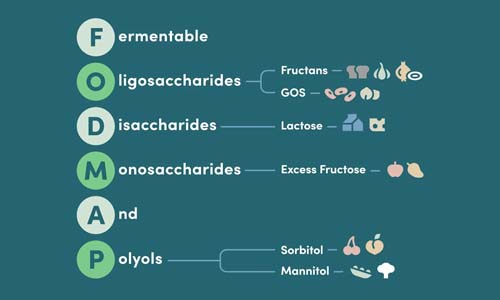
A low fodmap flour is any flour or starch where a standard tested serving (typically 30-40 grams) falls within low FODMAP limits according to Monash University research. This isn't the same as "low carb," "paleo," or even "gluten free", it's specifically about reducing fermentable oligosaccharides, disaccharides, monosaccharides, and polyols that can trigger IBS symptoms.
Think of it this way: wheat flour concentrates fructans during milling, while rice flour naturally contains very few fermentable carbs in typical portions. The difference lies in the grain's inherent FODMAP profile, not just processing methods.
FODMAPs in Grains: The Science in Everyday Terms
Fructans and galacto-oligosaccharides (GOS) are the main FODMAP culprits in wheat and rye-based flours. During milling, these fermentable fibers become concentrated, which is why a slice of wheat bread can trigger symptoms while the same amount of rice-based bread often doesn't. Grains like rice, corn, and millet naturally contain minimal FODMAPs in standard servings, making them reliable choices for sensitive digestive systems.
This is why low FODMAP eating isn't about banning all bread forever, it's about flour choices and portions that work with your body's unique tolerance levels.
Low FODMAP Is Not Automatically Gluten Free
Quick Answer: Is low FODMAP flour gluten free?
Many low FODMAP flours are naturally gluten free (rice, corn, sorghum), but some low FODMAP options like certain oats and sieved spelt contain gluten. Your medical needs determine which path to choose.
Many low fodmap flours happen to be naturally gluten free, rice, corn, sorghum, quinoa, and millet contain no gluten proteins. However, some tested low FODMAP options like certain oat flours and specially processed spelt products do contain gluten. The distinction matters because gluten intolerance and FODMAP sensitivity are separate conditions that can coexist or occur independently.
If you have diagnosed celiac disease plus IBS, you'll need flours that are both gluten free and low FODMAP. If you have IBS but celiac has been ruled out, you have more flexibility to test gluten-containing low FODMAP options during the reintroduction phase.
How Flour Fits into the 3 Phases of the Low FODMAP Diet
During the elimination phase (2-6 weeks), stick to flours that consistently test low FODMAP in typical serves: rice, corn, sorghum, and tapioca starch are your safest bets. The reintroduction phase is where you systematically test specific flour-based foods, perhaps small amounts of oat flour pancakes or spelt bread, to gauge your personal tolerance.
In the personalization phase, you build your "green list" of staple flours based on what your body actually tolerates. Working with a qualified dietitian and keeping a flour log helps you track which grains work in which quantities, creating a sustainable long-term approach to baking and cooking.
The Low FODMAP Flour Landscape: Grains, Nuts, Seeds, and Starches

Understanding your flour low fodmap options means knowing which categories offer the most versatility and safety. From everyday grain flours that form the backbone of most recipes to specialty ancient grains that add nutrition and flavor complexity, each type serves different culinary purposes while keeping your digestive system comfortable.
Core Low FODMAP Grain Flours (Your Everyday Workhorses)
Rice flour (both white and brown), corn flour, sorghum, millet, buckwheat, quinoa, and teff form the foundation of low FODMAP baking. These grains consistently test low in standard 30-40 gram servings, making them reliable for daily use. Rice flour offers neutral flavor perfect for delicate cakes, while buckwheat brings earthy, nutty notes ideal for pancakes and hearty breads.
| Flour Type | Naturally Gluten Free | Flavor Profile | Best Uses | Serving Guidance |
|---|---|---|---|---|
| White Rice Flour | Yes | Neutral, mild | Cakes, cookies, coating | 30-40g per serve |
| Sorghum Flour | Yes | Slightly sweet, wheat-like | Breads, muffins, pancakes | 30-40g per serve |
| Buckwheat Flour | Yes | Earthy, nutty | Pancakes, hearty breads | 30-40g per serve |
| Corn/Maize Flour | Yes | Sweet, distinctive | Cornbread, coating, tortillas | 30-40g per serve |
| Quinoa Flour | Yes | Slightly bitter, protein-rich | Protein breads, 25% of blends | 30-40g per serve |
Sorghum flour deserves special attention for its wheat-like texture and mild sweetness, making it an excellent bridge flour for those transitioning from wheat-based baking. When combined with rice flour and a starch, sorghum creates structure and chew that closely mimics traditional all-purpose flour results.
Low FODMAP Nut and Seed Flours (Use with Portion Awareness)
Almond flour, walnut meal, sunflower seed flour, flaxseed meal, and chia meal can enhance low fodmap flours with protein and healthy fats, but portion control becomes critical. These concentrated ingredients often test low FODMAP at small serves (15-25 grams) but can quickly become moderate or high FODMAP if portions exceed tolerance thresholds.
The key strategy is limiting nut and seed flours to roughly 25-30% of your total flour blend. For example, in a cookie recipe calling for 120 grams total flour, use no more than 30-40 grams almond flour combined with rice flour and starch. This approach delivers flavor and nutrition while respecting FODMAP limits and preventing digestive discomfort.
Ancient Grain Stars: Sorghum, Teff, Millet & More
Ancient grains offer nutritional density and complex flavors that appeal to health-conscious home cooks seeking both gut comfort and gourmet results. Sorghum flour provides mild, slightly sweet notes with excellent binding properties for breads and pancakes. Teff flour brings deep, almost chocolatey undertones that enhance brownies and quick breads naturally.
Millet flour contributes light, subtly sweet characteristics that balance stronger flavors in multi-grain blends. Try replacing 25% of rice flour with sorghum in muffin recipes for added softness, or incorporate teff at 20% in chocolate baked goods for enhanced depth without overwhelming bitterness.
Low FODMAP Starches: Your Secret Weapons for Texture
Starches differ from whole grain flours by providing pure binding and thickening power rather than fiber or protein. Potato starch, tapioca starch, and corn starch consistently test low FODMAP and serve as crucial texture enhancers in gluten-free, low FODMAP baking.
Starch Cheat Sheet
Thickening: 1 tablespoon starch per cup of liquid in soups made with Gourmend shelf-stable broth carton
Baking: 15-25% of total flour weight for improved chew and moisture retention
Adding 10-20% tapioca starch to pizza dough creates the characteristic chew that gluten normally provides, while 1-2 tablespoons of corn starch can thicken gravies and sauces without the fructans found in wheat flour roux. These simple swaps maintain familiar textures while supporting digestive comfort. For more inspiration, explore our low FODMAP recipes featuring a variety of flour and starch combinations.
High FODMAP Flours to Limit or Avoid (and Why)
Wheat flour (all types), rye, barley, amaranth, lupin, chickpea flour, lentil flour, coconut flour, and chestnut flour typically contain higher concentrations of fructans, GOS, or other FODMAPs that can trigger symptoms. Even "gluten free" products may use these problematic ingredients, making label reading essential for anyone following a low FODMAP approach.
| Flour Type | Main FODMAP Concern | Common Food Examples | Suggested Low FODMAP Swap |
|---|---|---|---|
| Wheat flour (all types) | Fructans | Bread, pasta, cookies, cakes | Rice flour + sorghum blend |
| Chickpea flour | GOS, fructans | Socca, protein breads, crackers | Quinoa flour |
| Coconut flour | High fiber concentration | Keto baking mixes, paleo recipes | Almond flour (small portions) |
| Amaranth flour | Fructans | Ancient grain breads, cereals | Teff flour |
Many "gluten free" products create FODMAP traps by substituting wheat with equally problematic legume flours or high-fiber alternatives. Always scan ingredient lists for chickpea, lentil, or bean flours, plus added fibers like inulin or chicory root that can trigger symptoms despite gluten-free labeling.
Safe Serving Sizes and Personal Tolerance: How Much Low FODMAP Flour Is "Okay"?
Why Serving Size Matters as Much as the Flour Type
Even confirmed low fodmap flour options follow a dose-response relationship where larger portions can push FODMAP loads into moderate or high territory. One oat flour pancake might sit comfortably within low FODMAP limits, while four pancakes from the same batter could trigger symptoms through simple accumulation.
FODMAP stacking compounds this effect when multiple low FODMAP foods consumed in one meal collectively exceed tolerance thresholds. Understanding portion boundaries helps maintain the abundance and variety that makes low FODMAP eating sustainable long-term. For a practical way to get started, try the Low FODMAP Sampler Bundle for a curated selection of essentials.
Approximate Safe Serving Ranges for Popular Low FODMAP Flours
Serving size guidance provides starting points rather than absolute rules, since individual tolerance varies significantly. These ranges reflect typical tested portions that remain within low FODMAP parameters for most people following elimination phase protocols.
| Flour Type | Typical Green Serve | Practical Example | Important Notes |
|---|---|---|---|
| Rice flour (white/brown) | ~40g (⅓ cup) | 1 slice bread, 2 small cookies | Generally well-tolerated |
| Oat flour | ~30g (¼ cup) | 1 medium pancake | Conditional - test tolerance |
| Almond flour | ~20g (3 tbsp) | 1-2 small cookies | Higher FODMAP at large serves |
| Sorghum flour | ~35g (generous ¼ cup) | 1 muffin portion | Excellent for blending |
How to Test Your Personal Tolerance with Flour-Based Foods
Systematic tolerance testing follows a structured progression that isolates individual flour responses. Start with one small portion on Day 1, perhaps one small oat flour pancake, then monitor symptoms for 24-48 hours. If no digestive discomfort occurs, increase to 1.5 times the portion on Day 3, maintaining the monitoring window.
Keep a simple three-line log noting the flour type, portion size, and any symptoms with timing. This approach helps distinguish between flour sensitivity and other meal components, building confidence in your personal tolerance map over time. For more meal ideas that fit your tolerance, check out our low FODMAP recipes and try our Low FODMAP Recipe Conversion Tool for easy swaps.
Low FODMAP Flour vs Wheat Flour and Generic Gluten Free Flour: Key Comparisons
Texture, Structure, and Rise: What Changes When You Lose Wheat?
Wheat flour's gluten proteins create elastic networks that trap gas and steam during baking, producing the familiar rise and chew in breads and cakes. Low fodmap flours rely instead on starches, gums, and alternative proteins to build structure, often resulting in denser loaves and cookies that spread differently than wheat-based versions.
These textural changes aren't defects but characteristics that require adjusted expectations and techniques. Understanding these differences helps set realistic goals and prevents the disappointment that can derail low FODMAP baking success. For more on the science behind FODMAPs, see this comprehensive overview of FODMAPs.
Low FODMAP Flour vs Regular Wheat Flour (Criteria: FODMAPs, Gluten, Ease of Use, Cost)
| Flour Type | FODMAP Content | Gluten Content | Ease of Use | Cost |
|---|---|---|---|---|
| Wheat Flour | High (fructans) | Contains gluten | Very easy, familiar | Low |
| Low FODMAP Flours (rice, sorghum, etc.) | Low (in tested serves) | Most are gluten free | Requires blending, learning curve | Moderate |
| Generic Gluten Free Flour | Varies (may contain high FODMAP ingredients) | Gluten free | Easy, but check labels | Moderate to high |
For those looking to expand their pantry even further, the Low FODMAP Pantry Starter Bundle (Garlic Lover Edition) is a great option. You might also enjoy our low FODMAP broccoli sausage pasta for a delicious dinner idea. For additional research and dietary guidance, refer to this scientific review on low FODMAP diets.
Frequently Asked Questions
What are some common types of low FODMAP flours and how do they differ from traditional wheat flour?
Common low FODMAP flours include rice, oat, quinoa, and almond flours. Unlike traditional wheat flour, which contains fermentable carbohydrates called fructans that can trigger digestive discomfort, these flours naturally have fewer fermentable carbs, making them gentler on digestion while still offering great flavor and versatility.
How can I determine the safe serving size of low FODMAP flour to avoid digestive discomfort?
Safe serving sizes for low FODMAP flours typically range from 30 to 40 grams per serving, based on Monash University research. It’s important to follow these guidelines and observe your personal tolerance, as exceeding recommended amounts may lead to digestive symptoms.
Is all low FODMAP flour gluten free, and how should I choose flours if I have both IBS and gluten intolerance?
Not all low FODMAP flours contain gluten, but many, like rice, oat, and quinoa flours, are naturally gluten free. If you have both IBS and gluten intolerance, choose flours that are certified gluten free and low FODMAP to ensure they support your digestive health and dietary needs.
Why is it important to focus on low FODMAP flours rather than just gluten-free or low-carb flours when managing IBS?
Focusing on low FODMAP flours targets the fermentable carbohydrates that often cause bloating and discomfort in IBS, which gluten-free or low-carb labels don’t always address. This approach helps you enjoy flavorful foods that are easier to digest, rather than simply avoiding gluten or carbs without considering FODMAP content.