


Low FODMAP Eating for IBS: Practical Starting Points

Low FODMAP diets for IBS and bloating
What Is a Low FODMAP Diet and Why It Targets IBS and Bloating
Understanding FODMAPs as Short-Chain Carbohydrates
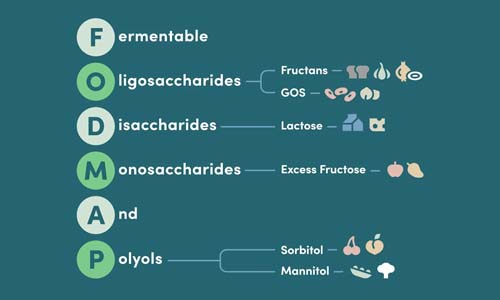
FODMAP stands for Fermentable Oligosaccharides, Disaccharides, Monosaccharides, and Polyols -- specific carbohydrates the small intestine absorbs poorly. When they reach the colon intact, gut bacteria ferment them rapidly, producing hydrogen and methane gas. The result: bloating, cramping, and bowel habits that feel completely unpredictable.
Key Takeaways
- FODMAPs are specific carbohydrates that the small intestine does not absorb well.
- When these carbohydrates reach the colon, gut bacteria ferment them quickly, producing gas.
- This fermentation process often leads to uncomfortable symptoms such as bloating, cramping, and unpredictable bowel habits.
Common high-FODMAP foods include wheat, onion bulb, garlic bulb, lactose-heavy dairy, apples, and legumes in larger portions. The low FODMAP framework doesn't eliminate carbohydrates broadly -- it targets this specific subset based on molecular structure and absorption rate. That distinction matters, because it means the protocol is far more precise than generic "gut-friendly" advice.
How FODMAPs Trigger Bloating and IBS Symptoms
| Symptom | High FODMAP Trigger | Low FODMAP Outcome |
|---|---|---|
| Bloating | Gas from bacterial fermentation | Reduced fermentation, less distension |
| Cramping | Osmotic water draw into the colon | Normalized fluid balance |
| Urgency/Diarrhea | Accelerated motility from gas pressure | Slower, more predictable transit |
| Constipation | Methane gas slowing motility | Improved regularity for some subtypes |
What the Clinical Evidence Actually Shows
Monash University in Melbourne developed and continues to validate the low FODMAP approach. Their published research -- including a landmark 2011 randomized controlled trial in the Journal of Gastroenterology and Hepatology -- found that a low FODMAP diet can outperform standard dietary advice for IBS symptom control. Monash also maintains a food-testing database that Gourmend Foods uses as a research reference when formulating products.
One point worth underscoring: this is a structured, time-limited protocol, not a permanent elimination. The goal is to identify personal triggers through a phased process, then return variety to your meals with confidence. More on that in the next section.
The Three Phases of a Low FODMAP Diet

Phase 1: Elimination (Weeks 1-6)
The elimination phase runs two to six weeks. You remove all high-FODMAP foods simultaneously to give your gut a clear baseline -- not a punishment, just a reset. Rice, oats, most proteins, firm tofu, lactose-free dairy, and low FODMAP vegetables like carrots, zucchini, and spinach stay on your plate. A registered dietitian can help you avoid over-restricting during this phase and keep your nutrition on solid ground.
Phase 2: Reintroduction (The Phase That Actually Matters)
Reintroduction is where you get real answers. You test one FODMAP subgroup at a time -- fructans, lactose, polyols, and others -- using controlled portions over three days, followed by a two- to three-day washout before moving to the next. This sequencing, developed by Monash University researchers, reveals which subgroups actually drive your symptoms. Not everyone reacts to every FODMAP. I didn't. Many people find that one or two subgroups account for most of their discomfort, which means the majority of foods come back into their diet.
Phase 3: Personalization (The Actual Goal)
Personalization is what the entire protocol builds toward. Using your reintroduction data, you construct a long-term eating pattern that avoids only your confirmed triggers -- not a blanket restriction list. Research consistently shows that the low FODMAP approach works best when it ends here -- in an expanded, individualized diet -- rather than in ongoing elimination.
Low FODMAP Foods to Eat and Avoid for Less Bloating
Safe Staples: Proteins, Grains, and Vegetables
Proteins are broadly low FODMAP: chicken, beef, fish, eggs, and firm tofu are all fair game in standard portions. For grains, rice, quinoa, oats, and sourdough spelt bread (in modest servings) are typically well tolerated. On the vegetable side, bok choy, bell peppers, carrots, eggplant, and green beans are reliable workhorses. Scallion greens and chive sprigs deserve a special mention -- they deliver real onion-like depth without the fructan load that comes from the bulb. That's a distinction most ingredient labels won't explain to you.
High FODMAP Foods to Limit -- and What to Use Instead
Key Swaps at a Glance:
- Garlic bulb → garlic-chive stems or Gourmend's Garlic Scape Powder
- Onion bulb → chive sprigs or Gourmend's Green Onion Powder
- Wheat pasta → rice or quinoa pasta
- Regular milk → lactose-free milk or certified gluten-free oat milk
Wheat, rye, onion bulb, garlic bulb, apples, stone fruits, and most legumes in larger portions are the most common culprits. The swap logic here is important: you're not removing the flavor, you're removing the specific molecular structure causing the problem. Garlic-chive stems and scallion greens bring a comparable savory note with a lower fermentable carbohydrate load -- consistent with Monash University testing -- which is exactly why they're the backbone of every Gourmend Foods seasoning.
Why Portion Size Can Make or Break a "Safe" Food
A food being low FODMAP is never a yes/no answer -- it's always a question of how much. Canned lentils, for example, may be low FODMAP at under one-third cup cooked; go larger and you've crossed the threshold. Avocado is often tolerated at roughly 30 g (about one-eighth of a whole fruit). Oats typically hold up at one-half cup dry. Monash University's app gives lab-tested thresholds for hundreds of foods and is a useful reference when a food's FODMAP status depends on serving size.
Flavorful Low FODMAP Recipes Using Clean-Label Broths and Seasonings
A low FODMAP kitchen doesn't have to be a bland one. The gap most cooks hit immediately is garlic and onion -- those two ingredients appear in nearly every savory recipe. Gourmend Foods built its product line around exactly that problem. Our Organic Chicken Bone Broth, Organic Beef Bone Broth, and Organic Vegetable Broth are each made with organic bones or vegetables, scallion tops, and leek greens in place of onion and garlic bulbs -- all FODMAP Friendly Certified, and free from fillers, preservatives, yeast extract, and maltodextrin.
Three recipes that hold up in real kitchens:
Chicken Bone Broth Soup with Garlic Scape Powder
Simmer one carton of Gourmend Organic Chicken Bone Broth with 150 g sliced zucchini and 100 g shredded cooked chicken for 8 minutes. Stir in 1 teaspoon of Gourmend Garlic Scape Powder, then finish with chive sprigs and a squeeze of lemon. The broth -- made from free-range organic chicken bones on a 16-hour simmer -- brings a collagen-rich depth that water-based soups simply can't replicate.
Beef Stew with Green Onion Salt
Brown 400 g cubed beef in a Dutch oven, then add one carton of Gourmend Organic Beef Bone Broth, 200 g diced carrots, and 1 teaspoon of Gourmend Green Onion Salt. Simmer 45 minutes until the beef is tender. The broth's oyster mushroom and leek top base builds layered umami without reaching for a single high-FODMAP ingredient.
Vegetable Broth Risotto with Chive Sprigs
Warm one carton of Gourmend Organic Vegetable Broth and ladle it gradually into 180 g arborio rice, stirring continuously over medium heat for about 20 minutes. Finish with 30 g Parmesan and a generous handful of chive sprigs. The broth's nori seaweed base contributes mineral umami -- the kind that usually comes from a stock built on onion and garlic. You won't miss them.
For more ideas, browse our full low FODMAP recipe collection, or use the recipe conversion tool to adapt your existing favorites.
Sustaining Low FODMAP Living Beyond the Elimination Phase

Working with a Registered Dietitian
Long-term success with a low FODMAP approach often comes down to having a qualified guide. A registered dietitian who specializes in functional gut disorders can support your nutritional adequacy, sequence your reintroduction properly, and -- perhaps most importantly -- help you avoid the common mistake of staying in elimination indefinitely. The elimination phase is a diagnostic tool, not a destination.
What Reintroduction Actually Changed for Me
"The phase that changed everything for me wasn't elimination -- it was reintroduction. Knowing exactly which foods were my triggers meant I could cook freely around them instead of avoiding everything."
-- Ketan Vakil, Founder, Gourmend Foods
That shift -- from avoiding broadly to cooking freely within your actual limits -- is where a low FODMAP diet stops feeling like a restriction and starts feeling like a framework you own. Stock your pantry with certified low FODMAP staples, learn two or three reliable base recipes, and the daily effort drops significantly. The label-checking becomes second nature, then almost unnecessary.
Building a Gut-Friendly Kitchen That Lasts
Gourmend Foods, a Certified B Corporation (B Impact Score: 114.0), built its product line around the daily gap low FODMAP cooks face: missing garlic and onion flavor in everything from soups to stir-fries. Our seasonings use garlic scapes, chives, and scallion greens to fill that gap. Our bone broths -- certified by FODMAP Friendly -- give you a ready foundation for soups, stews, risottos, and braises without hidden trigger ingredients. The Bone Broth Sampler Bundle is a practical starting point for anyone building out that pantry from scratch.
Low FODMAP diets for IBS and bloating work best as a discovery tool, not a permanent identity. The protocol gives you specific, personal data about your gut. What you do with that data is yours to decide -- ideally alongside a registered dietitian who can help keep your long-term eating pattern nutritionally complete. For a thorough look at long-term considerations, see Low FODMAP diet in clinical practice: where are we and what are the long-term considerations?
 Organic Garlic Chive PowderGarlic flavor from freeze-dried organic garlic chives, without the garlic bulb.Shop now
Frequently Asked Questions
What to eat when bloated with IBS?
When dealing with IBS bloating, focusing on low FODMAP foods can bring relief. Safe options include proteins like chicken and fish, grains such as rice and quinoa, and vegetables like carrots, zucchini, and spinach. These foods are less likely to ferment in the gut and cause discomfort, helping you enjoy meals without the usual aftermath.
How to get rid of FODMAP bloating?
To reduce FODMAP-related bloating, the low FODMAP diet works by temporarily removing fermentable carbohydrates from your meals. This reduces gas production and water retention in the gut, leading to less distension and discomfort. Following the diet's phased approach helps identify your personal triggers for long-term relief.
What is the most common FODMAP trigger?
While triggers vary by individual, common high-FODMAP culprits that often cause symptoms include fructans found in wheat, onion, and garlic. Lactose from dairy, apples, and legumes in larger portions are also frequent sources of digestive upset for many with IBS. The reintroduction phase of the diet helps pinpoint your specific sensitivities.
What low FODMAP approach is best for IBS?
The low FODMAP diet is a structured approach designed to help manage IBS symptoms like bloating. It's not about finding a "best" FODMAP, but rather identifying which specific FODMAPs trigger your symptoms. This personalized understanding allows you to build a diet that supports your digestive comfort while still enjoying flavorful food.
Is it normal to be constantly bloated with IBS?
Yes, constant bloating is a very common and often distressing symptom for many individuals living with IBS. The low FODMAP diet was developed precisely to address these kinds of persistent digestive issues. By reducing fermentable carbohydrates, this dietary approach can significantly lessen the frequency and severity of bloating, helping you feel more comfortable.