



Low FODMAP Chocolate: Your Complete Guide to Guilt-Free Indulgence

Key Takeaways
- Dark chocolate offers rich flavor and is generally easier to digest due to its higher cocoa content.
- Higher cocoa percentages provide more antioxidants and reduce the presence of problematic fillers.
- Vegan dark chocolate is an excellent choice for those avoiding dairy.
- Milk chocolate can be enjoyed in small portions as an occasional treat.
Table of Contents
- The Ultimate Guide to Low FODMAP Chocolate: Indulge Without the Bloat
- Low FODMAP Chocolate Breakdown – Dark, Milk, White & Vegan Portions
- Ingredients Decoded – Spot High-FODMAP Traps in Chocolate Labels
- Dark vs. Milk vs. Vegan – Head-to-Head Low FODMAP Analysis
- Smart Daily Integration – Maximize Low FODMAP Chocolate Without Flare-Ups
- Daily Wins & Pairings – Incorporate Low FODMAP Chocolate Without Flare-Ups
- Cravings & Troubleshooting – Fix Bloating, Substitutes & Tolerance Tests
- Best Low FODMAP Chocolate Picks – Brand Showdown
- The Future of Low FODMAP Chocolate – Innovation Meets Gut Health
- Your Low FODMAP Chocolate Action Plan
The Ultimate Guide to Low FODMAP Chocolate: Indulge Without the Bloat
Dark chocolate reigns supreme for both flavor depth and digestive tolerance. The higher cocoa percentage means more antioxidants and less room for problematic fillers. Vegan options work brilliantly for those avoiding all dairy, while milk chocolate remains viable in smaller portions for occasional treats.
If you're looking to stock your pantry with gut-friendly essentials, consider the Low FODMAP Sampler Bundle for a convenient way to try a variety of low FODMAP staples alongside your favorite chocolate treats.
Ingredients Decoded – Spot High-FODMAP Traps in Chocolate Labels

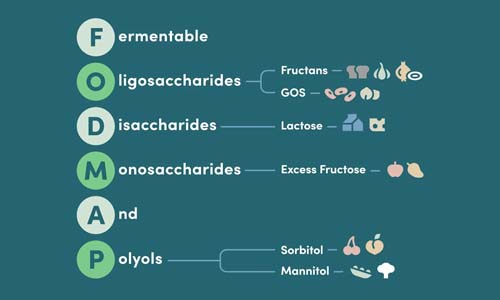
High-FODMAP red flags include lactose powder, honey or agave, polyols like maltitol (especially over 10g), inulin or chicory root, and dried fruits. Safe ingredients: sucrose, glucose, cocoa butter, and soy lecithin. The key is knowing where to look.
Apply the first-three-ingredients rule: if you see cocoa, sugar, and cocoa butter leading the list, you're likely in safe territory. Low FODMAP chocolate keeps it simple, the fewer ingredients, the better your odds of avoiding digestive triggers while maximizing that rich, satisfying flavor we all crave.
For a deeper dive into the science and practical tips, check out is chocolate low fodmap for more guidance on label reading and safe chocolate choices.
Dark vs. Milk vs. Vegan – Head-to-Head Low FODMAP Analysis
Each chocolate type brings distinct advantages for different situations and preferences. Dark chocolate (85% cocoa) offers the highest antioxidant content with just 5g sugar per 30g serving, while milk chocolate provides familiar creamy comfort within the 20g threshold. Vegan dark chocolate bridges the gap, delivering the full 30g serving size without any dairy concerns.
For baking and melting applications, all three perform well within their respective serving limits. Dark chocolate's higher melting point (40-45°C) makes it ideal for tempering, while milk chocolate's lower threshold requires more careful portion control in recipes. Vegan options hold their structure beautifully in baked goods under 150°C.
The winner depends on your priorities: choose dark for maximum low FODMAP chocolate benefits and bold flavor, milk for nostalgic sweetness, or vegan for plant-based eating without compromise.
Smart Daily Integration – Maximize Low FODMAP Chocolate Without Flare-Ups
The optimal approach: 20-30g maximum daily, consumed after protein-rich meals to buffer the fat content. Start with 15g on day one, increase by 5g daily until you reach your 30g sweet spot, monitoring your body's response throughout the process.
Strategic pairings enhance both satisfaction and digestive comfort. Try 20g dark chocolate with a quinoa snack (½ cup cooked), milk chocolate with lactose-free yogurt (100g), or vegan bark paired with green leek tea for unexpected depth. The key is timing, consume your low fodmap chocolate post-protein meal to buffer the fat content and slow absorption.
Daily Wins & Pairings – Incorporate Low FODMAP Chocolate Without Flare-Ups

Start with a conservative 15g on Day 1, increasing by 5g daily until you reach the 30g threshold. This graduated approach lets your digestive system adapt while you identify your personal sweet spot. Holiday scenarios become manageable when you pre-portion weekly servings into individual baggies, removing decision fatigue when cravings strike.
Craving Hack: When chocolate urges hit during elimination phases, sip cocoa powder (1 tsp) in hot water with glucose syrup. You'll satisfy the psychological trigger without exceeding FODMAP limits.
For more delicious ways to enjoy chocolate and other gut-friendly treats, explore our collection of low fodmap recipes for inspiration.
Cravings & Troubleshooting – Fix Bloating, Substitutes & Tolerance Tests
Even low fodmap chocolate can trigger bloating if you're consuming too much fat too quickly. Dark chocolate's richness slows gastric motility, so eating slowly and limiting portions to under 30g prevents digestive backup. When milk chocolate still causes issues despite staying within the 20g limit, the culprit is usually residual lactose sensitivity.
| Problem | Root Cause | Exact Fix |
|---|---|---|
| Dark chocolate bloating | Excess fat intake | Reduce to 15g + 10-minute walk post-consumption |
| Milk chocolate triggers | Lactose sensitivity | Switch to vegan; test with 10g portions |
| Elimination phase cravings | Habit disruption | 5g cocoa nibs + herbal tea ritual |
| No suitable options available | Limited store selection | Homemade: 2 tbsp cocoa powder + glucose syrup |
Journal your symptoms for 48 hours after chocolate consumption to identify patterns. If you're completely stuck, cocoa powder (1 tablespoon) stirred into oats provides chocolate satisfaction within safe FODMAP boundaries. For recipe modifications, our Recipe Conversion Tool helps adapt traditional chocolate desserts to gut-friendly versions.
If you're seeking more plant-based options to complement your chocolate routine, try the Plant Based Bundle for a variety of low FODMAP, vegan-friendly pantry staples.
Best Low FODMAP Chocolate Picks – Brand Showdown
After testing dozens of options with our Gourmend customers, three brands consistently deliver both flavor and digestive peace. Each serves different needs, from everyday snacking to gourmet baking applications.
Lindt Excellence 85% - The Gold Standard
Best for: Daily indulgence and reliable FODMAP compliance
Lindt's 85% delivers intense cocoa depth with minimal sugar interference. The 30g serving threshold aligns perfectly with standard portion sizes (5 squares), making it foolproof for beginners. Swiss precision ensures consistent quality across batches, eliminating guesswork about ingredient variations.
Enjoy Life Dark Chocolate - The Allergy-Friendly Champion
Best for: Multiple food sensitivities and vegan requirements
Free from 14 common allergens while maintaining rich chocolate character. The rice milk base creates creamy texture without dairy concerns, perfect for our customers managing both IBS and lactose intolerance. Slightly higher price reflects rigorous facility controls.
Pure Cocoa Powder - The Versatile Foundation
Best for: Baking and custom chocolate creations
Unsweetened cocoa powder offers maximum control over sweetness and FODMAP load. One tablespoon provides intense chocolate flavor for beverages, baked goods, and homemade treats. Dutch-processed varieties blend smoothly into liquids without grittiness.
These picks prioritize ingredient transparency and consistent fodmap and chocolate compatibility, ensuring you can indulge confidently whether you're managing IBS like our customer Irene or exploring gut-friendly gourmet options like Amateur Chef Chris.
For those who love to cook and bake, our Organic Garlic Chive Powder is a versatile addition to any low FODMAP kitchen, pairing well with both savory and sweet creations.
The Future of Low FODMAP Chocolate – Innovation Meets Gut Health

The low fodmap chocolate landscape is evolving rapidly as food scientists crack the code on flavor without fermentation. Emerging technologies like enzyme modification are reducing lactose content in milk chocolate to near-zero levels, potentially expanding safe serving sizes beyond the current 20g threshold. Meanwhile, alternative sweeteners derived from monk fruit and allulose are replacing problematic polyols without sacrificing taste.
Precision fermentation represents the next frontier, companies are developing cocoa alternatives that mimic chocolate's complex flavor profile using fermented proteins. These innovations could eliminate FODMAP concerns entirely while delivering the antioxidant benefits our health-conscious customers like Gut Health Grace seek. Expect to see chocolate products specifically formulated for digestive wellness within the next two years, moving beyond simple ingredient avoidance to active gut support.
Industry Shift: Major chocolate manufacturers are investing in gut-health research, recognizing that 15% of consumers actively manage digestive sensitivities. This market pressure will drive broader availability of certified low FODMAP options.
For more on the science behind the low FODMAP diet and its impact on digestive health, visit the Low FODMAP diet overview for a comprehensive background.
Your Low FODMAP Chocolate Action Plan
The evidence is clear: fodmap diet and chocolate compatibility comes down to smart choices and portion awareness. Dark chocolate at 70-85% cocoa content offers the safest entry point at 30g daily, while milk varieties require more careful 20g limitations. Vegan options provide the cleanest ingredient profiles for those managing multiple sensitivities.
Start with our graduated testing approach, 15g for three days, then increase by 5g increments until you reach your comfort zone. Keep a simple symptoms journal noting timing, portion size, and any digestive responses. This data becomes invaluable for personalizing your chocolate strategy beyond general FODMAP guidelines.
For immediate implementation, stock your pantry with Lindt Excellence 85% for reliable daily treats, Enjoy Life bars for allergy-conscious moments, and pure cocoa powder for creative control. Pre-portion weekly servings into individual containers, removing decision fatigue when cravings strike. Remember, successful low fodmap chocolate enjoyment isn't about restriction, it's about informed indulgence that honors both your taste buds and digestive wellness.
Your journey toward guilt-free chocolate pleasure starts with that first mindful bite. Trust the science, listen to your body, and savor every moment of rediscovered chocolate joy.
For seasonal tips and expert advice, see this Monash FODMAP guide to chocolate for additional insights on enjoying chocolate while following a low FODMAP diet.
If you want to explore even more delicious meal ideas, try our Low FODMAP Pantry Starter Bundle (Garlic Lover Edition) to round out your gut-friendly kitchen.
Frequently Asked Questions
What makes dark chocolate a better low FODMAP option compared to milk or white chocolate?
Dark chocolate typically contains higher cocoa content and less dairy, making it easier to digest and lower in FODMAPs. Its rich cocoa provides antioxidants and reduces the presence of high-FODMAP fillers often found in milk or white chocolate.
Which ingredients should I avoid on chocolate labels to ensure they are low FODMAP friendly?
Avoid lactose powder, honey, agave, polyols like maltitol, inulin, chicory root, and dried fruits. Look for simple ingredient lists with cocoa, sugar (sucrose or glucose), cocoa butter, and soy lecithin to stay in safe low FODMAP territory.
How can I safely incorporate milk chocolate into a low FODMAP diet without triggering symptoms?
Enjoy milk chocolate in small portions as an occasional treat to minimize FODMAP intake. Limiting serving size helps prevent digestive discomfort while still allowing you to indulge in its creamy flavor.
What are the benefits of choosing vegan dark chocolate for those following a low FODMAP lifestyle?
Vegan dark chocolate excludes dairy, reducing lactose-related triggers and making it gentler on digestion. It offers rich flavor and antioxidants while aligning with clean-label preferences common among low FODMAP eaters.