



Is Yogurt Low FODMAP? Serving Sizes and Label Tips

Is yogurt low fodmap
Why Lactose Makes Most Yogurt High FODMAP
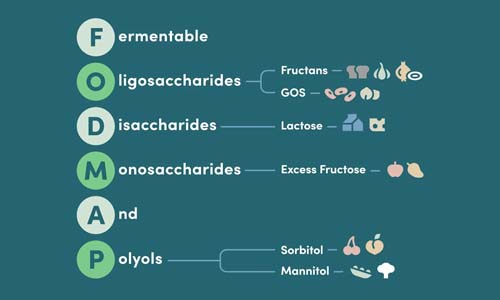
Lactose is the primary FODMAP in dairy. Standard yogurt retains significant lactose, which the small intestine struggles to absorb when lactase enzyme activity is low -- triggering the fermentation and fluid shifts behind bloating and discomfort. Greek yogurt sits in a middle category: straining removes some whey and reduces lactose, but not always enough to qualify as low FODMAP at standard portions.
Monash University Serving Size Guidelines
According to Monash University, the leading authority on FODMAP research, current guidelines by yogurt type are:
| Yogurt Type | Low FODMAP Serving | Notes |
|---|---|---|
| Regular dairy yogurt | Not certified low FODMAP | High lactose |
| Greek yogurt (strained) | 23 g (about 2 tbsp) | Small portions only |
| Lactose-free yogurt | 200 g (about 3/4 cup) | Reliably low FODMAP |
| Coconut yogurt | 125 g (about 1/2 cup) | Check for inulin additives |
Key Takeaway for Everyday Choices
For daily use, lactose-free dairy yogurt is your most flexible option. Greek yogurt works only in small amounts -- around 23 g, or roughly two tablespoons. Always verify serving sizes against current Monash University app data, since ratings are updated as new research emerges.
This information is for educational purposes. Consult a registered dietitian or healthcare provider for personalized advice.
Types of Yogurt and Their FODMAP Status
Dairy Yogurts: Greek, Lactose-Free, and Regular
The answer depends almost entirely on lactose content and serving size. Regular dairy yogurt -- full-fat or low-fat -- contains enough lactose to trigger symptoms at typical servings. Greek yogurt can be easier to tolerate because straining removes whey and reduces lactose, but "easier" doesn't mean unrestricted. Some Monash University entries list small low FODMAP serves for certain Greek yogurts, so confirm the exact product and portion in the app rather than assuming the category is safe.
Lactose-free yogurt is the most forgiving option: the lactose is either removed or pre-digested, which means you can eat a more satisfying 200 g serving. One caveat worth knowing -- protein-fortified varieties like Oikos Triple Zero often contain inulin or chicory root fiber. Both are high FODMAP additives that can undo any benefit from lower lactose. Reading the full ingredient list matters as much as checking the nutrition panel.
Plant-Based Options: Coconut, Goat, and Soy
Dairy-free doesn't automatically mean low FODMAP. Goat milk yogurt still contains lactose, so it carries the same caveats as conventional dairy. Coconut yogurt can work at around 125 g per serving, but many commercial versions add inulin as a prebiotic or rely on high-fructose sweeteners -- both of which push an otherwise acceptable product into high FODMAP territory. Soy yogurt made from soy protein isolate (not whole soybeans) is often low FODMAP at moderate servings, though availability varies by region. Almond milk yogurt is usually safe at moderate portions if it contains no honey or high-fructose corn syrup.
| Yogurt Type | Low FODMAP Serving | Key Watch-Out |
|---|---|---|
| Plain Greek (dairy) | Check the Monash app for the specific product | Avoid flavored varieties |
| Lactose-free Greek | Often tolerated better; confirm in the Monash app | Confirm no inulin is added |
| Coconut yogurt | About 1/2 cup (125 g), depending on ingredients | Check for chicory root |
| Soy yogurt (isolate) | Moderate serving; confirm in the Monash app | Must be isolate-based |
| Regular dairy yogurt | Often not low FODMAP at typical servings | High lactose |
Hidden High FODMAP Additives to Watch For
The yogurt itself may be fine. The additives often aren't. Inulin, chicory root fiber, fructooligosaccharides (FOS), and agave syrup are common additions that can tip an otherwise acceptable product into high FODMAP territory. Honey is high FODMAP due to excess fructose. Fruit-on-the-bottom varieties frequently contain fruit concentrates or large amounts of mango, apple, or blackberry -- each of which can be problematic at typical serving sizes.
Plain is almost always safer than flavored. If you want fruit in your bowl, add it yourself: strawberries (up to 10 medium), blueberries (about 40 g or 1/4 cup), or unripe banana (roughly 1/3 of a medium banana) are all solid choices. This gives you full control over what goes in -- which is exactly the philosophy behind Gourmend Foods. If you know someone just starting to navigate low FODMAP eating, a Gourmend Digital Gift Card lets them explore clean-label cooking essentials at their own pace.
This information is for educational purposes. Consult a registered dietitian or healthcare provider for personalized advice.
How to Pick Low FODMAP Yogurt at the Store

Reading Labels for Lactose and FODMAP Triggers
Narrowing down a safe yogurt at the store requires checking two things: the ingredient list and the nutrition facts. On the nutrition facts panel, look at the sugar content in a plain, unsweetened variety -- natural milk sugars include residual lactose, so a higher number can signal that lactose is still present in meaningful amounts. On the ingredient list, skip anything containing inulin, chicory root, fructooligosaccharides, agave, honey, or high-fructose corn syrup. These additives can trigger symptoms entirely independent of lactose. Learn more about fructooligosaccharides and their effects on digestion.
- Ingredients: milk (or coconut milk), live cultures, and nothing else in a plain variety
- No inulin, chicory root, FOS, agave, or honey listed
- Soy yogurt: confirm "soy protein isolate," not "whole soy" or "soy milk"
- Coconut yogurt: confirm no added prebiotic fiber or fruit concentrate
What to Look for in Store-Bought Yogurt
Readers often ask about specific brands. The honest answer is that brand reliability shifts over time as formulations change, so the most dependable method is still checking the Monash University app for the specific product and serving size, then scanning the label for high FODMAP fibers and sweeteners. Plain, minimally sweetened options give you the cleanest starting point -- and the most room to customize at home.
Making Your Own for Full Control
Homemade yogurt removes most of the guesswork. Heat 1 quart of lactose-free whole milk to 180°F, cool it to 110°F, whisk in 2 tablespoons of plain lactose-free yogurt as a starter, and incubate in a warm oven (or yogurt maker) for 8 hours. The result is a clean, creamy yogurt with no additives or hidden fibers. No label-reading required.
For a savory application, stir in 1/4 teaspoon of Gourmend Foods Garlic Scape Powder per cup -- it delivers real garlic depth without the fructan load found in garlic bulb. Gourmend Foods Green Onion Powder works equally well as a dip base with mild allium flavor that's gentle by design.
Research on lactose fermentation and gut microbiota supports the tolerability of long-fermented dairy products at appropriate serving sizes. For more detail, see this study on lactose digestion.
This information is for educational purposes. Consult a registered dietitian or healthcare provider for personalized advice.
For a deeper look at dietary fiber and its effects on digestive health -- particularly relevant when choosing plant-based yogurt options -- this publication is worth reading: Dietary Fiber and Gastrointestinal Health.
Frequently Asked Questions
What is the best yogurt for IBS sufferers?
Lactose-free dairy yogurt is often the most flexible choice for those managing IBS symptoms, as the lactose is removed or broken down. Small portions, around 23 grams, of plain Greek yogurt can also be suitable, but always confirm specific serving sizes with the Monash University app. For dairy-free options, coconut yogurt (125g) or soy yogurt made from soy protein isolate can work, provided they are free from high FODMAP additives.
Is Chobani Greek yogurt low in FODMAP?
Whether a specific Greek yogurt, like Chobani, is low FODMAP depends on its exact formulation and serving size. Monash University lists small low FODMAP servings for some Greek yogurts, typically around 23 grams. It's important to check the Monash app for the most current data on specific products and always opt for plain varieties to avoid hidden high FODMAP ingredients.
Why is most conventional dairy yogurt not low FODMAP?
Most conventional dairy yogurt is high in lactose, which is a primary FODMAP. For many people following a low FODMAP approach, their small intestine struggles to absorb this lactose, leading to digestive discomfort. While Greek yogurt has some lactose removed through straining, it often still contains too much to be considered low FODMAP in typical serving sizes.
What should I check on yogurt labels for low FODMAP suitability?
When checking labels, first look at the ingredient list for simple ingredients like milk and live cultures, avoiding any added inulin, chicory root, FOS, agave, or honey. For plain, unsweetened yogurts, a higher sugar number on the nutrition facts can indicate more residual lactose. For soy yogurt, confirm it's made from "soy protein isolate" rather than "whole soy."
Are plant-based yogurts, like coconut or soy, low FODMAP?
Some plant-based yogurts can be low FODMAP, but it depends on the type and ingredients. Coconut yogurt is often low FODMAP at about 125 grams per serving, but check for added inulin or high-fructose sweeteners. Soy yogurt made from soy protein isolate can also be low FODMAP in moderate servings, while those made from whole soybeans are not.
What common additives should I avoid in yogurt when following a low FODMAP diet?
When choosing yogurt, be sure to avoid common high FODMAP additives such as inulin, chicory root fiber, fructooligosaccharides (FOS), and agave syrup. Honey and high-fructose corn syrup are also problematic. Flavored or fruit-on-the-bottom varieties often contain high FODMAP fruit concentrates or large amounts of fruits like mango or apple, so plain is usually the safer choice.