


Lemon Low FODMAP Guide 2026: Easy Tips for IBS Relief 💚

Key Takeaways
- Lemon juice, zest, and pulp are all low FODMAP at typical serving sizes.
- Lemon is a suitable ingredient for those managing IBS or digestive sensitivities.
- Incorporating lemon can add flavor without triggering FODMAP-related symptoms.
- Lemon serves as a versatile and gut-friendly addition to various recipes.
Table of Contents
- Quick Facts, Lemon's Low FODMAP Status & Safe Servings
- Understanding FODMAPs, What Makes Foods Digestive-Friendly
- Lemon Juice, Zest & Pulp, Complete FODMAP Analysis
- Lemon vs. Other Citrus, FODMAP Profiles & Best Choices
- Best Ways to Use Lemon on a Low FODMAP Diet
- Low FODMAP Cooking with Lemon, Gourmet Techniques & Troubleshooting
- Lemon Substitutes for Not-Quite-Right Sensitivities
- How to Read Labels & Shop Safely for Lemon and Citrus Products
- Lemon & Digestive Wellness, The Science on Citrus, Acidity & Gut Health
- Complete Low FODMAP Citrus Guide, Safe Portions at a Glance
Is Lemon Low FODMAP? Essential Guide for IBS Relief
If you're managing IBS or digestive sensitivities, you've likely wondered: is lemon low FODMAP? The answer brings excellent news for flavor enthusiasts. Lemon juice, zest, and pulp are all considered low FODMAP at typical serving sizes, making this bright citrus a cornerstone ingredient for gut-friendly gourmet cooking.
Unlike high FODMAP fruits that can trigger bloating and discomfort, lemons offer bold flavor without the digestive consequences. This makes them invaluable for replacing problematic ingredients like certain high FODMAP fruits while maintaining the vibrant taste your dishes deserve. For those looking to stock their kitchen with safe essentials, the Low FODMAP Pantry Starter Bundle is a great way to begin your journey.
This generous serving allowance makes lemon an ideal foundation for low FODMAP cooking, whether you're creating vinaigrettes, marinades, or enhancing Gourmend Foods' clean-label broths with bright citrus notes.
Quick Facts, Lemon's Low FODMAP Status & Safe Servings
Understanding FODMAPs, What Makes Foods Digestive-Friendly

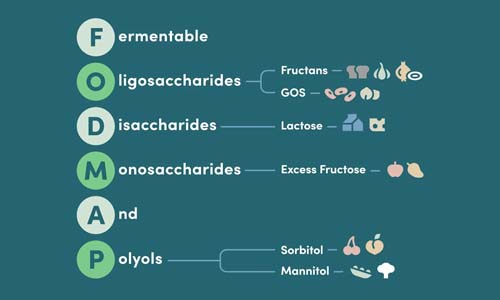
FODMAPs, Fermentable Oligosaccharides, Disaccharides, Monosaccharides, and Polyols, are specific carbohydrates that resist digestion in the small intestine. When these compounds reach the colon, gut bacteria ferment them rapidly, producing gas and drawing water into the intestinal tract. This process triggers the bloating, cramping, and digestive discomfort characteristic of IBS.
Citrus fruits like lemon generally pass the low FODMAP test because they contain minimal amounts of these problematic carbohydrates. Unlike apples (high in fructose) or stone fruits (loaded with polyols), lemons provide intense flavor through compounds like limonene and citric acid rather than fermentable sugars.
However, portion control remains crucial even with low FODMAP foods. The low FODMAP diet operates on a threshold principle, small amounts of FODMAPs are typically well-tolerated, but larger servings can accumulate and trigger symptoms. This is why Monash University provides specific serving size guidelines rather than blanket "safe" or "unsafe" classifications.
Lemon Juice, Zest & Pulp, Complete FODMAP Analysis
Fresh vs. Bottled Lemon Juice
Fresh-squeezed lemon juice delivers maximum flavor and guaranteed low FODMAP status at servings up to ½ cup per meal. This generous allowance covers most culinary applications, from salad dressings to finishing sauces. The key lies in lemon's naturally low fructose content and absence of problematic polyols.
Bottled lemon juice requires more scrutiny. Many commercial varieties contain additives that can compromise FODMAP status. Always scan labels for apple juice concentrate, high-fructose corn syrup, or "natural flavors" that may include high FODMAP fruit extracts. Pure bottled lemon juice with only citric acid as a preservative maintains the same low FODMAP profile as fresh.
Lemon Zest & Pulp for Maximum Flavor
Lemon zest offers concentrated citrus oils without any FODMAP concerns at standard culinary quantities (2-3 teaspoons). These aromatic compounds provide the bright, clean flavor that makes lemon indispensable for replacing high FODMAP aromatics like certain fruits in cooking. The zest works particularly well in Gourmend Foods' approach to building complex flavors without digestive triggers.
Fresh lemon pulp and segments remain low FODMAP at ¼-cup servings, though most recipes use far less. The pulp adds texture and intensified citrus flavor to dishes while maintaining complete digestive compatibility for those following low FODMAP protocols.
Lemon vs. Other Citrus, FODMAP Profiles & Best Choices
When comparing citrus options for low FODMAP cooking, lemon and lime emerge as the most versatile choices. Both offer reliable low FODMAP servings and bright, acidic flavor profiles that enhance rather than mask ingredients. Orange juice provides moderate low FODMAP portions (up to ⅔ cup or 150 mL), while grapefruit delivers similar benefits with a more complex, slightly bitter edge that pairs beautifully with savory dishes.
The key difference lies in FODMAP tolerance thresholds and culinary versatility. Lemon juice remains low FODMAP at generous ½ cup servings, making it ideal for marinades, dressings, and broth-based soups where you need substantial citrus presence. Lime offers similar portions but brings a sharper, more tropical note. Orange becomes high FODMAP beyond ⅔ cup, requiring more careful measurement in recipes, while certain citrus varieties like mandarin oranges shift to high FODMAP at smaller servings (around ⅓ cup).
| Citrus Type | Low FODMAP Serving | Flavor Profile | Best Culinary Uses | FODMAP Notes |
|---|---|---|---|---|
| Lemon Juice | Up to ½ cup (125 mL) | Bright, clean acidity | Dressings, marinades, broths | Most generous serving size |
| Lime Juice | Up to ½ cup (125 mL) | Sharp, tropical tang | Mexican cuisine, seafood, cocktails | Equal to lemon in FODMAP safety |
| Orange Juice | Up to ⅔ cup (150 mL) | Sweet, mellow citrus | Glazes, desserts, breakfast | Moderate serving; watch portions |
| Grapefruit Juice | Up to ⅔ cup (150 mL) | Bitter-sweet complexity | Salads, cocktails, savory dishes | Similar to orange; portion-sensitive |
| Mandarin | Up to ⅓ cup (80 mL) | Sweet, delicate | Light finishing, desserts | Smallest safe serving |
For consistent low FODMAP cooking success, lemon and lime provide the most flexibility and flavor impact per serving. Their higher tolerance thresholds mean you can use them confidently in recipes without constant portion calculations, while their clean acidity complements the umami-rich depth found in Gourmend's bone broths and seasonings.
Best Ways to Use Lemon on a Low FODMAP Diet

The most effective approach to incorporating lemon into low FODMAP cooking centers on maximizing both juice and zest for layered citrus impact. Fresh lemon juice excels in vinaigrettes where its acidity balances olive oil and herbs, while lemon zest provides aromatic intensity that replaces the flavor complexity typically delivered by garlic or onion bulbs, both high FODMAP ingredients to avoid.
For a delicious way to use lemon, try this low FODMAP pan roasted chicken in lemon sauce recipe, which highlights how lemon can elevate a simple dish.
Top five applications for low FODMAP lemon use:
- Finishing broths and soups, Add 2-3 tablespoons fresh lemon juice to Gourmend bone broths for brightness that enhances their natural umami depth
- Herb-forward marinades, Combine lemon juice with olive oil, fresh herbs, and safe seasonings for poultry and fish
- Grain and quinoa dishes, Zest and juice transform simple rice or quinoa into gourmet sides
- Roasted vegetable enhancement, Lemon juice added post-roasting preserves vitamin C while adding fresh contrast
- Salad dressings, Classic lemon vinaigrette using up to ¼ cup juice per batch serves 4-6 people safely
When balancing acidity in dishes, pair lemon with complementary low FODMAP herbs like fresh basil, oregano, or chive sprigs to create complex flavor profiles. The key technique involves adding lemon juice at the end of cooking to preserve its bright character, while incorporating zest during cooking to infuse dishes with aromatic oils.
For another creative use of lemon, you might enjoy this recipe for simple low FODMAP gourmet risotto that balances citrus and herbs beautifully.
Essential dos and don'ts for low FODMAP lemon cooking:
DO: Use both juice and zest for maximum flavor impact • Measure portions when making large batches • Add juice after cooking to preserve brightness • Store fresh lemons at room temperature for better juice yield
DON'T: Assume bottled lemon juice is always low FODMAP (check for added fruit concentrates) • Combine with other acidic ingredients without testing tolerance • Use lemon as the only flavoring agent, layer with herbs and safe seasonings
Low FODMAP Cooking with Lemon, Gourmet Techniques & Troubleshooting
Professional low FODMAP cooking with lemon requires strategic timing and technique to maximize flavor while maintaining digestive comfort. The most effective approach involves a three-stage process: incorporating zest during initial cooking for aromatic foundation, adding juice during mid-cooking for integrated tartness, and finishing with fresh juice at the end to preserve brightness and aroma. This layering technique ensures your dishes are both gourmet and gentle on digestion.
For those who want to explore more seasoning options, Low FODMAP Seasonings can help you build flavor without digestive triggers.
Lemon Substitutes for Not-Quite-Right Sensitivities
Even though is lemon low fodmap has a clear yes answer, individual tolerance varies. Some people experience acid sensitivity independent of FODMAP content, requiring strategic alternatives that maintain bright, citrusy flavor profiles.
Lime juice serves as the closest substitute, offering similar acidity and citrus notes at identical low FODMAP portions (up to ½ cup per meal). Rice vinegar provides gentle tartness without citrus intensity, making it ideal for delicate dishes where lemon might overpower. White wine vinegar delivers sharper acidity for marinades and dressings when citrus notes aren't essential.
For aromatic complexity traditionally provided by lemon zest, chive sprigs and green leek tops offer fresh, bright notes that complement Gourmend Foods' carefully crafted broths. These alternatives work particularly well in savory applications where you need aromatic lift without citrus character.
| Substitute | Best Used In | Flavor Profile | FODMAP Status |
|---|---|---|---|
| Lime juice | Marinades, dressings, seafood | Sharp citrus, slightly sweeter | Low FODMAP (½ cup) |
| Rice vinegar | Asian dishes, delicate sauces | Mild, clean acidity | Low FODMAP (2 tbsp) |
| White wine vinegar | Vinaigrettes, pickled vegetables | Sharp, wine-forward tang | Low FODMAP (2 tbsp) |
| Chive sprigs | Soups, grain dishes, finishing | Fresh, mild aromatic lift | Low FODMAP (1 tbsp) |
How to Read Labels & Shop Safely for Lemon and Citrus Products

Commercial lemon products often contain hidden FODMAP triggers that transform a safe ingredient into a digestive minefield. Apple juice concentrate, frequently used as a natural sweetener in bottled lemon juices, contains excess fructose that can trigger symptoms even in small amounts.
Scrutinize ingredient lists for high-fructose corn syrup, natural flavors (which may include apple or pear extracts), and inulin or chicory root extract commonly added as fiber enhancers. When "natural flavors" appears without specification, contact manufacturers directly, reputable companies readily disclose FODMAP-relevant ingredients.
Gourmend Foods exemplifies ingredient transparency with minimal, clearly listed components in our shelf-stable broth cartons. This approach eliminates guesswork and ensures consistent digestive comfort. Choose products with ingredient lists you can pronounce and understand, avoiding anything with more than five components unless each serves a clear culinary purpose.
Label Red Flags: Avoid products listing "fruit juice blend," "natural citrus flavor," or "concentrated fruit sweetener" without specific fruit identification. These often contain apple or pear derivatives that spike FODMAP content.
Lemon & Digestive Wellness, The Science on Citrus, Acidity & Gut Health
Research from Monash University confirms lemon's low FODMAP status stems from its unique carbohydrate profile, primarily glucose and fructose in balanced ratios that facilitate proper absorption. Unlike high-FODMAP fruits containing excess fructose or polyols, lemons maintain digestive compatibility across typical serving sizes. For a deeper dive into the science, see this external resource on FODMAPs and gut health.
However, low FODMAP doesn't equal universally tolerated. Citric acid can trigger gastroesophageal reflux in susceptible individuals, independent of FODMAP content. Studies indicate that 15-20% of IBS patients also experience acid sensitivity, requiring modified approaches to citrus consumption.
For those managing both IBS and acid sensitivity, diluting lemon juice in room-temperature water, consuming it with meals rather than on an empty stomach, and limiting intake to 1-2 tablespoons per serving often maintains tolerance. The key lies in distinguishing between FODMAP-triggered symptoms (bloating, gas, altered bowel habits) and acid-related discomfort (heartburn, throat irritation).
Clinical evidence suggests that gradual introduction allows many sensitive individuals to build tolerance. Start with ½ teaspoon lemon juice in cooking applications, monitor symptoms for 2-3 days, then slowly increase portions if well-tolerated. This systematic approach prevents unnecessary food restrictions while respecting individual digestive limits.
The empowering truth: most people following low fodmap diet principles can enjoy lemon's bright flavors without compromise. When combined with high-quality, digestive-friendly ingredients like those in Gourmend's broths and seasonings, lemon becomes a cornerstone of flavorful, gut-conscious cooking. For more on the low FODMAP diet, you can also visit this external overview from the American Gastroenterological Association.
Complete Low FODMAP Citrus Guide, Safe Portions at a Glance
| Citrus Fruit | Low FODMAP Serving | Notes |
|---|---|---|
| Lemon juice | Up to ½ cup (125 mL) | Most versatile; use in broths, dressings, and marinades |
| Lime juice | Up to ½ cup (125 mL) | Similar to lemon; ideal for Mexican and Southeast Asian dishes |
| Orange juice | Up to ⅔ cup (150 mL) | Sweet, mellow; watch portions in desserts and glazes |
| Grapefruit juice | Up to ⅔ cup (150 mL) | Bitter-sweet; best in salads and savory dishes |
| Mandarin segments | Up to ⅓ cup (80 mL) | Smallest safe serving; use as a garnish or in desserts |
Frequently Asked Questions
Is fresh lemon juice safe to consume on a low FODMAP diet, and what is the recommended serving size?
Yes, fresh lemon juice is safe on a low FODMAP diet when consumed in typical serving sizes. Generally, up to 1 tablespoon (20 ml) of lemon juice per serving is considered low FODMAP and unlikely to trigger symptoms.
How does bottled lemon juice compare to fresh lemon juice in terms of FODMAP content and safety?
Bottled lemon juice is usually low FODMAP like fresh lemon juice, but it’s important to check labels for added high FODMAP ingredients or preservatives. When pure and free from additives, bottled lemon juice offers a convenient, gut-friendly alternative.
Why is portion control important when including lemon in a low FODMAP diet?
Portion control matters because even low FODMAP foods can cause symptoms if eaten in large amounts. Sticking to recommended serving sizes helps you enjoy lemon’s bright flavor without risking digestive discomfort.
What makes lemon a better low FODMAP citrus option compared to other fruits like apples or stone fruits?
Lemon contains minimal fermentable carbohydrates, unlike apples or stone fruits that are high in fructose or polyols. This means lemon adds vibrant citrus flavor without the bloating or gas often triggered by those higher FODMAP fruits.