



Is Kefir Low FODMAP? Your Practical Gut Guide

Key Takeaways
- Kefir can be both suitable and problematic for a low FODMAP diet depending on the type and lactose content.
- Some kefir varieties contain enough lactose to trigger digestive symptoms in sensitive individuals.
- Understanding the specific kefir variety, portion size, and timing is essential for managing gut health.
- Careful selection of kefir can allow it to fit into a gut-friendly low FODMAP plan.
Table of Contents
- Quick Answer – Is Kefir Low FODMAP?
- Kefir 101 – What It Is, How It's Made, and Where FODMAPs Come In
- Low FODMAP Basics – Why Kefir Can Be Tricky
- Is Kefir Low FODMAP? Breaking It Down by Type
- Coconut Milk Kefir & Other Non-Dairy Options
- Goat's or Sheep's Milk Kefir
- Kefir, IBS, and Gut Health – Benefits, Caveats, and Realistic Expectations
- Can You Have Kefir During the Low FODMAP Elimination Phase?
Is Kefir Low FODMAP? A Practical Guide for IBS-Friendly Sipping
If you're navigating the low FODMAP diet and wondering is kefir low FODMAP, you're not alone. This fermented drink sits in a tricky middle ground, some types can work within your gut-friendly plan, while others pack enough lactose to trigger symptoms. The key lies in understanding which kefir varieties, portions, and timing work best for your digestive needs.
For those seeking additional gut-friendly staples, our Low FODMAP Pantry Starter Bundle and Organic Chicken Bone Broth | Low FODMAP & Unsalted are excellent additions to a low FODMAP plan, supporting your journey alongside kefir experimentation.
The Short Version: Low FODMAP… Sometimes
Regular cow's milk kefir is high FODMAP at typical 1-cup servings due to lactose content. However, lactose-free dairy kefir and certain water kefirs can fit into a low FODMAP plan when consumed in measured portions, typically ½ to 1 cup (120-250ml) depending on the specific product and your tolerance level.
Lactose is the main FODMAP culprit in dairy kefir, not the beneficial kefir cultures themselves. This means the fermentation process helps reduce some lactose, but rarely eliminates it completely in homemade or short-fermented commercial varieties.
Fast Guidelines for Different Kefir Types
| Kefir Type | FODMAP Status | Safe Serving Range | Key Watch-Outs |
|---|---|---|---|
| Plain dairy kefir | High FODMAP | ¼-½ cup during reintroduction only | Lactose content |
| Lactose-free dairy kefir | Likely low FODMAP | ½-1 cup | Added sweeteners, flavors |
| Water kefir | Depends on ingredients | ½ cup initially | High-fructose fruits, honey |
| Coconut milk kefir | Moderate FODMAP | ½ cup | Coconut concentration |
| Goat's milk kefir | High FODMAP | ¼ cup during reintroduction | Still contains lactose |
When Kefir Fits into the Low FODMAP Phases
During the strict elimination phase, most dietitians recommend avoiding regular milk kefir entirely. Lactose-free options may be considered in small, tested portions only with professional guidance. The elimination phase works best when you minimize variables.
During reintroduction and personalization, kefir becomes a valuable test food for assessing your lactose tolerance. This is when you can systematically trial different types and portions to find what works for your unique digestive system.
Kefir 101 – What It Is, How It's Made, and Where FODMAPs Come In

What Exactly Is Kefir?
Kefir is a fermented drink created by culturing milk or sweetened liquid with kefir grains, a symbiotic colony of bacteria and yeasts that resembles small cauliflower florets. The fermentation typically takes 12-48 hours at room temperature, transforming the base liquid into a tangy, slightly effervescent drink with a consistency thinner than yogurt but thicker than milk.
Kefir Grains and FODMAPs
The kefir grains themselves aren't consumed, they're strained out and reused as a starter culture. This means the FODMAP load comes entirely from the liquid base: lactose in dairy milk, fructose in fruit juices, or added sweeteners like honey or agave. The grains actually work to break down some of these FODMAPs during fermentation, but the extent varies significantly.
How Fermentation Changes Lactose (and Why It Matters)
During fermentation, kefir bacteria consume lactose as fuel, converting it into lactic acid and other compounds. This process reduces but doesn't eliminate lactose content. The amount remaining depends on the starting milk's lactose levels, fermentation time, temperature, and culture activity.
A 12-hour ferment might retain 70-80% of original lactose, while a 48-hour ferment could reduce it to 20-30%. This variability explains why homemade kefir can be unpredictable for those following a strict low FODMAP protocol, you simply can't know the exact lactose content without laboratory testing.
Low FODMAP Basics – Why Kefir Can Be Tricky
What "Low FODMAP" Really Means for Dairy
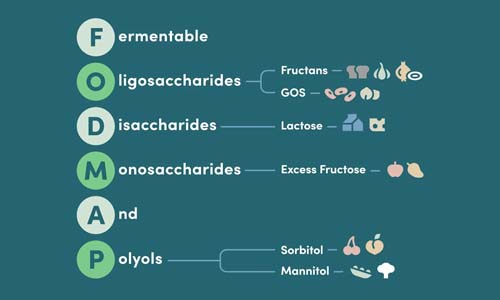
FODMAPs are fermentable carbohydrates that can trigger digestive symptoms in sensitive individuals. Lactose, the natural sugar in milk, is a disaccharide FODMAP that many people with IBS struggle to digest properly. The "low FODMAP" designation isn't about labeling foods as good or bad, but rather identifying safe portion sizes and food combinations that minimize digestive distress.
Lactose vs "Low FODMAP" – Not the Same Thing
Lactose-free means lactose has been removed or broken down using lactase enzyme. Low FODMAP means lactose levels are low enough per serving to be tolerated by most people during elimination. These distinctions matter because a product can be lactose-free but still high FODMAP due to added inulin or honey, or conversely, contain some lactose but still qualify as low FODMAP in small portions.
Where Kefir Lands on the FODMAP Spectrum
Standard milk kefir typically rates as high FODMAP at 1 cup (250ml) due to residual lactose content. However, exact ratings vary by brand and fermentation method, which is why checking the Monash University FODMAP app for current data remains essential. For broader low FODMAP guidance and recipe inspiration, our comprehensive recipe collection provides tested meal ideas that work alongside any kefir experimentation.
Is Kefir Low FODMAP? Breaking It Down by Type
| Kefir Type | Main FODMAP Concern | Elimination Phase Serving | Reintroduction Serving | Key Considerations |
|---|---|---|---|---|
| Regular Cow's Milk | Lactose | Avoid | ¼-½ cup | Choose plain, unsweetened only |
| Lactose-Free Dairy | Added sweeteners | ½ cup with guidance | 1 cup | Check for inulin, honey, agave |
| Water Kefir | Fruit sugars, fructose | ¼ cup simple varieties | ½-1 cup | Avoid apple, pear, stone fruits |
| Coconut Milk | Coconut concentration | ¼ cup | ½ cup | Start small, monitor symptoms |
| Goat/Sheep Milk | Lactose | Avoid | ¼ cup | Not automatically low FODMAP |
Regular Cow's Milk Kefir
Best for: Reintroduction phase testing only. Standard cow's milk kefir remains high FODMAP at typical 1-cup servings due to significant lactose content. Even with fermentation, most commercial varieties retain enough lactose to trigger symptoms in sensitive individuals.
During reintroduction, some dietitians suggest testing with ¼ to ½ cup portions paired with very low FODMAP foods. Always choose plain, unsweetened varieties and avoid flavored options that add extra FODMAP load through fruit concentrates or sweeteners.
Lactose-Free Dairy Kefir
Best for: Daily enjoyment during all phases with careful label reading. Lactose-free kefir uses pre-treated milk or added lactase enzyme, making it much more likely to be low FODMAP at standard 1-cup servings. This makes is kefir low fodmap a definitive "yes" for quality lactose-free options.
The key lies in avoiding products with added high FODMAP ingredients. Scan labels for honey, agave, inulin, chicory root, or apple juice concentrates. Start with ½ cup servings and increase to 1 cup only after confirming your symptoms remain stable.
Water Kefir
Best for: Those avoiding dairy entirely. Water kefir ferments sugar water with kefir grains, often incorporating fruit or juice for flavor. The base sugar typically poses no FODMAP concerns in reasonable amounts, but added dried fruits or high-fructose juices can quickly elevate FODMAP content.
Seek simple formulations with water, cane sugar, kefir cultures, and low FODMAP additions like lemon or ginger. Begin with ½ cup servings and monitor for gas or bloating, which may indicate hidden high FODMAP ingredients. For more plant-based, gut-friendly options, explore our Plant Based Bundle for easy meal inspiration.
Coconut Milk Kefir & Other Non-Dairy Options

Coconut Kefir FODMAP Considerations
Coconut milk kefir can be moderate to high FODMAP depending on coconut concentration and serving size. The coconut itself contains sorbitol, a sugar alcohol that becomes problematic in larger portions. Most coconut kefirs use coconut cream or full-fat coconut milk, which concentrates these natural FODMAPs.
Other plant-based kefirs, soy, oat, almond, carry their own FODMAP risks. Soy-based versions may contain GOS (galacto-oligosaccharides) from whole soybeans, while oat kefir can introduce fructans if made from oat flour rather than oat protein isolate.
Safe Selection Tips
Check the Monash app for the specific base milk used in your kefir. Soy protein isolate rates differently than whole soybean products. Keep initial portions modest, ½ cup maximum, when first trialing any non-dairy kefir, regardless of the base ingredient.
Goat's or Sheep's Milk Kefir
Lactose Is Still Present
Goat's and sheep's milk kefir are not automatically low FODMAP. Both contain lactose at levels similar to cow's milk, making them high FODMAP at typical 1-cup servings. The fermentation process reduces some lactose, but rarely eliminates it completely.
Some people report better tolerance of goat's milk due to different protein structures and smaller fat globules, but from a FODMAP perspective, lactose remains the primary concern. These alternative animal milks work best during the reintroduction phase, in small portions, with dietitian guidance if your IBS is particularly sensitive.
For those looking to round out their low FODMAP kitchen, our Organic Vegetable Broth (Low FODMAP & Unsalted) is a gentle, plant-based option that pairs well with many elimination phase recipes.
Kefir, IBS, and Gut Health – Benefits, Caveats, and Realistic Expectations
How Kefir's Probiotics May Support Digestion
Kefir typically contains multiple Lactobacillus and Bifidobacterium strains plus beneficial yeasts that may help break down lactose, support more diverse gut microbiota, and potentially ease bloating or irregularity for some people. Research shows promise for fermented dairy in improving digestive comfort, but individual responses vary significantly, especially with IBS.
For a delicious, IBS-friendly dinner idea, try our low FODMAP braised short ribs recipe, which pairs beautifully with gut-friendly sides and broths.
Why Kefir Can Still Cause Symptoms on a Low FODMAP Diet
Three main triggers explain why is kefir low fodmap remains complicated:
- Lactose load persists even after fermentation. A large glass of regular milk kefir at breakfast during elimination can trigger bloating within 2-4 hours.
- Other FODMAP ingredients like fructose, inulin, or high-FODMAP fruit additions compound the problem.
- Probiotic adjustment can cause temporary digestive changes, loose stools after switching from no fermented foods to daily kefir is common during the first week.
When Kefir Might Help IBS-Related Constipation
Fermented dairy in clinical studies has improved stool consistency and transit time for some IBS-C patients. The key is moderation: small daily servings of ½ cup lactose-free kefir over 7-14 days as a trial, rather than occasional large servings that can overwhelm sensitive digestive systems.
For more on how FODMAPs and gut health interact, see this review of FODMAPs and gastrointestinal disorders from the National Institutes of Health.
When to Pause and Talk to a Professional
Stop kefir experimentation and consult a healthcare provider if you experience sharp or escalating pain, blood in stool, fever, rapid weight loss, or severe diarrhea or constipation despite dietary changes. Work with a registered dietitian before relying on kefir as a daily gut-health tool, especially during early low FODMAP phases.
Can You Have Kefir During the Low FODMAP Elimination Phase?

What Monash-Style Guidance Suggests
Monash University generally recommends not starting new probiotics, including fermented foods in large new amounts, during elimination. This approach makes it easier to identify the effects of food changes alone, without the variable of shifting gut bacteria populations.
The nuance: small amounts of previously tolerated kefir might be acceptable for some individuals, but new kefir intake is best delayed until the reintroduction phase.
If You and Your Dietitian Decide to Include Kefir Anyway
Follow this cautious protocol if professional guidance supports kefir inclusion:
7-Day Kefir Testing Protocol:
- Choose plain, lactose-free dairy kefir or simple water kefir with no high FODMAP fruits.
- Start with ¼ cup (60 ml) once daily for 3 days.
- If no symptom increase, advance to ½ cup (120 ml) for 3-5 days.
- Continue monitoring and only increase if well tolerated.
For a broader selection of gut-friendly staples to support your elimination phase, consider our Bone Broth Sampler Bundle for nourishing, low FODMAP sipping options.
If you're looking for more meal inspiration, our simple low FODMAP gourmet risotto is a comforting, easy-to-digest recipe that fits well into a low FODMAP routine.
For a scientific perspective on the fermentation process and FODMAPs, see this recent review on kefir fermentation and lactose reduction.
Finally, for those who want a convenient way to sample a variety of low FODMAP products, our Gourmend Sampler offers a curated selection to support your digestive health journey.
Frequently Asked Questions
What types of kefir are considered low FODMAP and safe to consume on a low FODMAP diet?
Lactose-free dairy kefir and certain water kefirs are generally considered low FODMAP and safe in appropriate portions. These varieties have reduced lactose or use non-dairy bases, making them gentler on digestion compared to regular cow's milk kefir.
How does lactose content in different kefir varieties affect their suitability for people with IBS?
Lactose is the main FODMAP in dairy kefir that can trigger symptoms for those with IBS. While fermentation reduces lactose somewhat, regular cow's milk kefir often retains enough lactose to cause discomfort, whereas lactose-free or non-dairy kefirs typically have lower lactose and are better tolerated.
Can kefir be included during the elimination phase of the low FODMAP diet, and if so, which types and portions are recommended?
During the elimination phase, it's best to avoid regular cow's milk kefir due to its lactose content. Small amounts of plain dairy kefir (¼ to ½ cup) may be tested during reintroduction, while lactose-free dairy kefir or water kefir can be introduced cautiously in moderate portions.
What role does portion size and timing play in managing digestive symptoms when consuming kefir on a low FODMAP plan?
Portion size is crucial since larger servings of kefir, especially dairy-based, increase lactose intake and the risk of symptoms. Starting with small amounts and spacing consumption throughout the day helps manage digestion and allows you to find your personal tolerance level.