


Is Ham Low FODMAP? Your Complete Guide to Safe Choices

Key Takeaways
- Always check the ingredient label carefully for hidden garlic or onion derivatives in ham products.
- Ingredients like garlic extract, dehydrated onion, or natural flavorings may contain high FODMAP compounds.
- Glazed hams often contain high-fructose corn syrup, which may affect low FODMAP diets.
- Wheat-based binders in ham can be problematic for individuals sensitive to gluten.
Table of Contents
- Understanding Ham and FODMAPs: The Foundation
- How Ham Is Cured: Why Ingredients Matter for FODMAPs
- Reading Labels and Spotting Hidden FODMAPs in Ham
- Serving Sizes and Portions: How Much Ham Is Safe?
- Top Low FODMAP Ham Recipes: From Simple to Gourmet
- Swapping and Substituting: Making Your Favorite Recipes Ham-Friendly
- Comparing Ham to Other Low FODMAP Proteins
- Troubleshooting: Why Ham Might Still Trigger Symptoms
- Hidden FODMAP Culprits in Ham Processing
- Ham vs. Bacon and Pineapple: Complete FODMAP Comparison
- Building Complete Low FODMAP Meals with Ham
- Long-Term Success Strategies for Ham in Your Low FODMAP Journey
Understanding Ham and FODMAPs: The Foundation
Is ham low FODMAP? The short answer is yes, but not all ham is created equal. Pure pork muscle contains zero FODMAPs, making it naturally gut-friendly. The digestive trouble starts with what manufacturers add during processing: garlic powder, onion powder, high-fructose corn syrup, and certain spice blends that can trigger IBS symptoms.
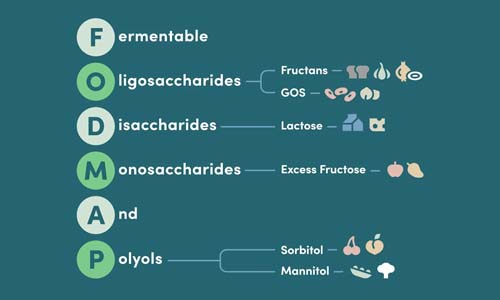
FODMAPs are specific carbohydrates that ferment in your gut, causing bloating, gas, and digestive discomfort for sensitive individuals. Since ham is primarily protein and fat, the base ingredient poses no FODMAP concerns. The key lies in reading labels carefully and choosing varieties that stick to simple, clean ingredients. For those looking to stock their kitchen with safe staples, the Low FODMAP Pantry Starter Bundle is an excellent way to ensure you have gut-friendly essentials on hand.
At Gourmend Foods, our customers often discover they tolerate plain deli ham perfectly but react to heavily seasoned or honey-glazed varieties. This isn't coincidence, it's the difference between choosing products that respect your digestive needs versus those loaded with high-FODMAP additives. If you want a curated selection of low FODMAP favorites, consider the Low FODMAP Foodie Bundle for a variety of safe and delicious options.
How Ham Is Cured: Why Ingredients Matter for FODMAPs

Ham curing transforms fresh pork through brining, dry-rubbing, or smoking, processes that traditionally used simple salt and time. Modern commercial curing often includes flavor enhancers and preservatives that can spell trouble for sensitive digestive systems. The curing liquid or rub is where high-FODMAP culprits typically hide.
| Curing Method | Typical Ingredients | FODMAP Risk |
|---|---|---|
| Fresh Ham | Salt, water, minimal seasonings | Low |
| City Ham | Salt brine, sugar, nitrates, spices | Variable |
| Country Ham | Salt cure, aging, traditional spices | Variable |
The problem ingredients sneak in during flavoring: garlic powder for savory depth, onion powder for complexity, high-fructose corn syrup for sweetness, and honey for glazing. These additions transform a naturally low-FODMAP protein into a potential trigger food. When shopping at the deli counter, ask staff for ingredient lists, many sliced options aren't properly labeled, leaving you guessing about what's really in your ham.
Smart manufacturers use FODMAP-friendly alternatives like chive sprigs, green leek tops, and pure maple syrup to achieve similar flavor profiles without digestive consequences. This is exactly the approach we take with our Gourmend shelf-stable broth cartons, delivering rich, complex taste through ingredients like nori seaweed and oyster mushrooms instead of garlic and onion.
Reading Labels and Spotting Hidden FODMAPs in Ham
Red-flag ingredients to avoid: garlic (any form), onion powder, shallot powder, high-fructose corn syrup, honey (in large amounts), wheat-based binders, and generic "natural flavors" that could hide FODMAP sources. These appear most commonly in honey hams, spiral-cut hams, and deli varieties with "special seasoning blends."
Safe additives include: sea salt, sodium nitrate, celery juice powder, black pepper, paprika, and pure maple syrup. Look for ingredient lists with five items or fewer, the shorter the list, the lower your risk of hidden FODMAPs. If you see ingredients you can't pronounce or identify, choose a different product.
The deli counter presents unique challenges since pre-sliced hams often lack visible ingredient labels. Don't hesitate to ask staff for the original packaging or ingredient information. If they can't provide it, opt for pre-packaged, clearly labeled alternatives. Download the Monash University Low FODMAP app for real-time ingredient verification when you're unsure about specific additives.
Pro tip: Many "uncured" hams use celery juice instead of traditional nitrates but may still contain problematic seasonings. "Uncured" doesn't automatically mean "low FODMAP", always check the complete ingredient list regardless of marketing claims on the front label.
Serving Sizes and Portions: How Much Ham Is Safe?
Even perfectly low-FODMAP ham can trigger symptoms if you eat too much at once. The low FODMAP diet isn't a free pass for unlimited portions, your digestive system still needs balance. Stick to 3-4 oz (85-113 g) of cooked ham per serving, roughly the size of your palm or a deck of cards.
Building balanced low FODMAP meals with ham: Pair your ham portion with gut-friendly carbohydrates like rice, quinoa, or roasted potatoes, plus low-FODMAP vegetables such as carrots, green beans, or spinach. Add depth with garlic-infused oil (the oil captures garlic flavor without FODMAPs) and enhance richness with Gourmend Chicken Broth in soups and braises.
This approach transforms ham from a potentially problematic processed meat into the protein anchor of a satisfying, digestively gentle meal. The key is treating ham as one component of a varied plate rather than the star of an all-meat feast. For more inspiration on low FODMAP sides, check out these low FODMAP crisp roasted baby potatoes.
Top Low FODMAP Ham Recipes: From Simple to Gourmet

Swapping and Substituting: Making Your Favorite Recipes Ham-Friendly
Many readers want to adapt beloved family recipes, ham and bean soup, holiday glazed ham, or hearty casseroles, to fit their low FODMAP needs. The key lies in strategic ingredient swaps that preserve flavor while honoring digestive limits.
Replace garlic and onion with garlic-infused oil and green leek tops. Swap regular broth for Gourmend shelf-stable broth carton, which provides the same savory backbone without FODMAP triggers. For glazes, use maple syrup instead of honey, and verify that spice blends don't contain garlic or onion powder.
The Gourmend recipe conversion tool can help you adapt specific family favorites by identifying problematic ingredients and suggesting low FODMAP alternatives that maintain the dish's character.
Comparing Ham to Other Low FODMAP Proteins
Ham stands out among low FODMAP proteins for its convenience and built-in flavor complexity. Unlike plain chicken breast or beef, quality ham delivers saltiness and umami depth that reduces the need for high-FODMAP aromatics in recipes.
| Protein Source | Low FODMAP Status | Flavor Profile | Best Use Case | Prep Required |
|---|---|---|---|---|
| Ham (plain) | Yes, when properly sourced | Salty, savory, umami-rich | Quick meals, soups, sandwiches | Minimal, often pre-cooked |
| Chicken breast | Yes | Mild, neutral | Versatile base for seasonings | Must cook from raw |
| Ground beef | Yes | Rich, hearty | Casseroles, pasta dishes | Browning required |
| Tofu (firm) | Yes, in moderation | Mild, absorbs flavors | Plant-based meals | Pressing and seasoning needed |
Ham's cured nature means it pairs beautifully with Gourmend Beef Broth or Chicken Broth for soups and braises, the broths' nori seaweed and oyster mushrooms complement ham's saltiness while adding layers of umami richness without garlic or onion.
Troubleshooting: Why Ham Might Still Trigger Symptoms

Even when following low FODMAP guidelines, some people experience digestive discomfort after eating ham. The culprit usually lies in hidden high-FODMAP additives, portion sizes, or individual sensitivities beyond FODMAPs.
Hidden FODMAP Culprits in Ham Processing
First, re-examine the ingredient label. Manufacturers sometimes use different garlic or onion derivatives that slip past initial inspection, garlic extract, dehydrated onion, or "natural flavoring" containing these compounds. High-fructose corn syrup appears in glazed hams, while wheat-based binders can trigger gluten-sensitive individuals following low FODMAP protocols.
Portion size matters more than many realize. Even perfectly low FODMAP ham can overwhelm your digestive system if you're eating 6-8 oz servings instead of the recommended 3-4 oz. Large protein portions require significant digestive enzymes, potentially triggering symptoms that mimic FODMAP reactions.
Consider cross-contamination during preparation. If your is ham low fodmap question stems from restaurant meals, the ham might be cooked alongside high-FODMAP ingredients or seasoned with garlic-containing marinades. Home preparation using Gourmend shelf-stable broth carton instead of conventional broths eliminates this risk entirely.
Ham vs. Bacon and Pineapple: Complete FODMAP Comparison
Understanding where ham stands among popular breakfast and cooking ingredients helps build confidence in meal planning. Each protein and fruit brings distinct FODMAP considerations that affect your digestive comfort.
| Food Item | FODMAP Status | Safe Serving Size | Key Considerations |
|---|---|---|---|
| Plain Ham | Low FODMAP | 3-4 oz (85-113g) | Check for garlic/onion additives |
| Bacon | Low FODMAP | 2-3 strips | Verify curing spices; avoid maple-glazed varieties |
| Fresh Pineapple | Low FODMAP | 1 cup (140g) | Limit portions; excess fructose triggers symptoms |
| Canned Pineapple | Moderate FODMAP | ½ cup (70g) | Syrup contains high-fructose corn syrup |
Bacon shares ham's processing challenges, is bacon low fodmap depends entirely on curing ingredients. Most plain, uncured bacon works well, but honey-cured or heavily spiced varieties often contain problematic additives. Is pineapple low fodmap gets more complex: fresh pineapple in moderate portions stays safe, while canned versions in heavy syrup exceed fructose thresholds.
The winning combination? Plain ham with fresh pineapple creates a naturally sweet-savory profile without triggering digestive distress. This pairing works beautifully in Gourmend Chicken Broth-based soups, where the broth's umami depth from nori seaweed and oyster mushrooms complements both ingredients perfectly.
Building Complete Low FODMAP Meals with Ham

Ham's versatility shines when you understand how to balance it with complementary low FODMAP ingredients. The key lies in creating satisfying meals that support digestive health while delivering gourmet flavor.
Breakfast Foundation: Combine diced ham with scrambled eggs, sautéed spinach, and hash browns cooked in garlic-infused oil. This protein-rich start provides sustained energy without morning digestive upset. Add fresh chives for onion-like flavor that stays within FODMAP limits.
Lunch Strategy: Layer thin-sliced ham with aged cheddar on sourdough spelt bread, adding lettuce and tomato. The aged cheese provides calcium and probiotics, while sourdough's fermentation process reduces FODMAP content compared to regular bread.
Dinner Centerpiece: Create a warming ham and vegetable soup using Gourmend Beef Broth as your base. Add cubed potatoes, carrots, green beans, and green leek tops for aromatic depth. The broth's carefully selected ingredients, including nori seaweed for umami, eliminate the need for high-FODMAP flavor enhancers. For more on the science behind FODMAPs and digestive health, see this recent clinical review.
Each meal demonstrates that asking is ham low fodmap opens doors to abundant eating rather than restrictive choices. When paired thoughtfully with other low FODMAP ingredients, ham becomes a cornerstone of satisfying, gut-friendly cuisine.
Long-Term Success Strategies for Ham in Your Low FODMAP Journey
Sustainable low FODMAP eating requires building reliable systems rather than memorizing endless food lists. Ham exemplifies how one versatile protein can anchor multiple meal strategies while supporting your digestive goals.
Meal Prep Advantage: Cook a large ham portion weekly, then portion into 3-4 oz servings for easy meal assembly. This approach ensures consistent serving sizes while providing quick protein for busy days. Store portions with Gourmend shelf-stable broth carton for instant soup bases.
Restaurant Navigation: When dining out, request plain grilled or baked ham without glazes or seasoning blends. For further reading on FODMAPs and their impact on IBS, you can consult this comprehensive research article.
Frequently Asked Questions
What ingredients in ham should I watch out for to avoid high FODMAP content?
Watch for garlic powder, onion powder, high-fructose corn syrup, and wheat-based binders in ham products. These ingredients can add high FODMAP compounds that may trigger digestive discomfort.
Is plain, unprocessed ham safe to eat on a low FODMAP diet, and what serving sizes are recommended?
Yes, plain, unprocessed ham is low FODMAP and generally safe in moderate servings. Keeping portions reasonable helps avoid overwhelming your digestion while enjoying this protein.
How do different ham curing methods affect the FODMAP levels in the final product?
Curing methods like brining, dry-rubbing, or smoking themselves don’t add FODMAPs, but the ingredients used during curing, such as spice blends or sweeteners, can increase FODMAP content. Choosing hams with simple, clean ingredients keeps FODMAP levels low.
What are some tips for reading labels and identifying hidden FODMAPs in ham products?
Look closely for terms like garlic extract, dehydrated onion, natural flavorings, and high-fructose corn syrup. These often hide high FODMAP ingredients. Opt for products with short, transparent ingredient lists to stay on the safe side.