



Buckwheat Low FODMAP Guide 2026: Science + 3 Easy Cooking Tips

Key Takeaways
- Buckwheat is naturally gluten-free and suitable for a low FODMAP diet.
- Buckwheat is not wheat but a fruit seed from the Fagopyrum plant family.
- Unlike wheat, buckwheat does not contain fructans that cause gut fermentation and bloating.
- Buckwheat's carbohydrate structure lacks excess fructose and contains minimal polyols.
Table of Contents
- The Direct Answer: Yes, Buckwheat Is Low FODMAP (And Here's Why That Matters)
- Buckwheat vs. Other Popular Low FODMAP Grains & Seeds: A Nutritional Comparison
- How to Cook Buckwheat Three Ways: Groats, Flour & Crepes
- Method 2: Buckwheat Flour in Low FODMAP Baking
- Method 3: Buckwheat Crepes with Low FODMAP Fillings
- The Science: Why Buckwheat Won't Trigger IBS Symptoms (Unlike Wheat)
- Buckwheat Serving Sizes & Prep: Getting the Low FODMAP Portion Right
- Incorporating Buckwheat Into Your Low FODMAP Meal Plan: Breakfast to Dinner
- Troubleshooting: Why Buckwheat Might Not Work (And How to Fix It)
The Direct Answer: Yes, Buckwheat Is Low FODMAP (And Here's Why That Matters)
What Makes Buckwheat Low FODMAP Despite Its Name
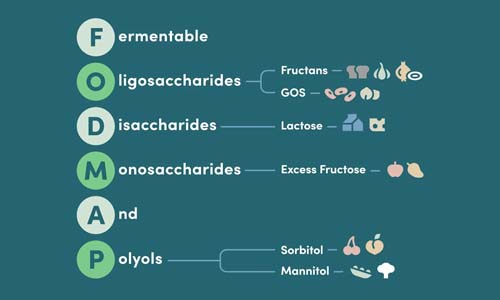
Here's the confusion-clearing truth: is buckwheat low fodmap? Absolutely yes, because buckwheat isn't actually wheat at all. It's a fruit seed from the Fagopyrum plant family, making it naturally gluten-free and FODMAP-friendly. While wheat contains fructans that ferment in your gut and cause bloating, buckwheat's carbohydrate structure is entirely different, no fructans, no excess fructose, and minimal polyols.
Monash University's FODMAP testing confirms buckwheat groats and flour remain low FODMAP in standard serving sizes. This means you can enjoy buckwheat's nutty flavor and complete protein profile without the digestive distress that sidelines many grains for IBS sufferers.
For anyone following a low FODMAP protocol, buckwheat offers the satisfaction of hearty, grain-like meals without compromising digestive peace. To enhance your low FODMAP cooking, try pairing buckwheat with Organic Vegetable Broth (Low FODMAP & Unsalted) for added flavor, or explore the Low FODMAP Pantry Starter Bundle for a convenient way to stock your kitchen with gut-friendly essentials.
Buckwheat vs. Other Popular Low FODMAP Grains & Seeds: A Nutritional Comparison

| Grain/Seed (1 cup cooked) | Protein (g) | Fiber (g) | Iron (mg) | Cook Time | FODMAP Status |
|---|---|---|---|---|---|
| Buckwheat Groats | 6.0 | 4.5 | 1.3 | 15 min | Low FODMAP |
| Quinoa | 8.1 | 5.2 | 2.8 | 20 min | Low FODMAP |
| Brown Rice | 5.0 | 3.5 | 0.8 | 45 min | Low FODMAP |
| Millet | 6.1 | 2.3 | 1.1 | 25 min | Low FODMAP |
Buckwheat Groats vs. Buckwheat Flour: Which Is Lower FODMAP?
Both forms maintain their low FODMAP status, but serving contexts differ. Groats work perfectly for porridge, grain bowls, and side dishes at 1 cup cooked per serving. Buckwheat flour shines in baking applications, up to ½ cup per recipe typically stays within safe limits. The processing doesn't concentrate FODMAPs, so your choice depends purely on cooking method rather than digestive concerns.
Why Buckwheat Edges Out Competitors for Specific Use Cases
Fodmap buckwheat delivers speed and versatility that rice and quinoa can't match. While brown rice demands 45 minutes of cooking, buckwheat groats finish in 15 minutes with a satisfying, slightly chewy texture. Unlike quinoa's sometimes bitter coating, buckwheat offers clean, nutty flavor that pairs equally well with sweet breakfast toppings or savory dinner preparations. Its complete amino acid profile also makes it nutritionally superior to rice for plant-based protein needs.
For more inspiration on low FODMAP grains, you might enjoy this recipe for simple low FODMAP gourmet risotto that highlights how versatile and satisfying these ingredients can be.
How to Cook Buckwheat Three Ways: Groats, Flour & Crepes
Method 1: Buckwheat Groats as a Savory or Sweet Porridge
Perfect ratio: 1 cup buckwheat groats to 2 cups liquid. For superior flavor depth, use Gourmend shelf-stable broth carton instead of plain water, the umami from mushrooms and sea vegetables transforms basic groats into restaurant-quality results.
Technique: Toast groats in a dry pan for 3-4 minutes until fragrant (optional but recommended). Add liquid, bring to boil, reduce heat to low, cover, and simmer 12-15 minutes until tender. Let rest 5 minutes before fluffing. Sweet pairings: cinnamon, maple syrup, blueberries. Savory pairings: chive sprigs, garlic-chive stems, roasted red peppers, or a drizzle of garlic-infused oil.
Method 2: Buckwheat Flour in Low FODMAP Baking
Buckwheat flour brings an earthy, slightly nutty depth to baked goods while maintaining its low FODMAP status. Its dense texture works beautifully when you replace 25-50% of conventional flour in recipes, going 100% buckwheat creates heartier, more rustic results.
For lighter textures, blend buckwheat flour with rice flour or cornstarch. Pro tip: Use Gourmend broths instead of water in savory baked applications like herb crackers or flatbreads. The umami depth transforms simple buckwheat flour into something restaurant-worthy. Store flour in cool, dark conditions to preserve its delicate oils.
Method 3: Buckwheat Crepes with Low FODMAP Fillings

Traditional French galettes prove that is buckwheat low fodmap isn't just a health question, it's a culinary opportunity. Mix ¾ cup buckwheat flour, 2 eggs, 1 cup Gourmend broth (or water), and a pinch of salt. Rest batter 30 minutes for smoother texture.
Cook over medium heat in a lightly oiled pan, swirling batter thin. Each crepe takes 2-3 minutes per side. Fill with smoked salmon and chives, low FODMAP jam with lactose-free yogurt, or sautéed spinach with feta. Make batches ahead, crepes freeze beautifully between parchment layers for up to 3 months.
The Science: Why Buckwheat Won't Trigger IBS Symptoms (Unlike Wheat)
Despite its misleading name, buckwheat belongs to the rhubarb family, not wheat. This botanical distinction matters enormously for digestive comfort. Wheat contains fructans, the primary FODMAP that triggers bloating and cramping in sensitive individuals. Buckwheat contains virtually no fructans, excess fructose, or problematic polyols.
Monash University testing confirms buckwheat's low FODMAP status at typical serving sizes (1 cup cooked groats, ½ cup flour per recipe batch). The fodmap buckwheat profile shows predominantly glucose and starch, easily digestible carbohydrates that don't ferment rapidly in the small intestine. This makes buckwheat fundamentally different from wheat, barley, or rye.
Myth vs. Reality
Myth: Buckwheat is high-FODMAP because it contains "wheat."
Reality: Buckwheat is a fruit seed, completely unrelated to wheat grains, with zero gluten and minimal FODMAPs.
Individual tolerance varies based on fiber sensitivity and gut bacteria composition. If you experience discomfort despite buckwheat's low FODMAP status, introduce smaller portions (½ cup cooked) and increase water intake. Some people with histamine sensitivity may react to aged buckwheat flour, opt for fresh products when possible.
For a scientific perspective on FODMAPs and gut health, see this external resource on FODMAPs and digestive disorders.
Buckwheat Serving Sizes & Prep: Getting the Low FODMAP Portion Right
| Form | Low FODMAP Serving | Preparation Notes | Storage |
|---|---|---|---|
| Buckwheat Groats | 1 cup cooked | Rinse before cooking; toast for nuttier flavor | 5 days refrigerated |
| Buckwheat Flour | ½ cup per recipe batch | Blend with other flours for lighter texture | 6 months in cool, dark place |
| Raw Groats (measurement) | ⅓ cup dry = 1 cup cooked | Level cup measurements; don't pack | 1 year in airtight container |
Accurate measuring prevents accidental FODMAP overload. Level dry ingredients with a knife edge, don't pack or shake the measuring cup. For readers using kitchen scales: ⅓ cup raw groats weighs approximately 60g and yields 1 cup cooked.
Build balanced plates by pairing buckwheat with low FODMAP proteins (grilled chicken, salmon, firm tofu) and plenty of colorful vegetables. Drizzle with garlic-infused oil or create rich sauces using Gourmend broths for umami depth without digestive distress.
Incorporating Buckwheat Into Your Low FODMAP Meal Plan: Breakfast to Dinner

Breakfast applications extend far beyond basic porridge. Try buckwheat crepes filled with fresh berries and maple syrup, or savory versions with scrambled eggs and chive sprigs. Buckwheat flour pancakes offer weekend indulgence, blend with rice flour for fluffier texture. Quick prep: Batch-cook groats Sunday evening for grab-and-go breakfast bowls all week.
Lunch and dinner showcase buckwheat's versatility as a grain substitute. Create Buddha bowls with roasted vegetables, or make "buckwheat risotto" by slowly adding warm Gourmend broth to groats and stirring until creamy. For more delicious ways to enjoy low FODMAP meals, check out this recipe for low FODMAP miso salmon for a protein-packed, gut-friendly option.
Troubleshooting: Why Buckwheat Might Not Work (And How to Fix It)
Even low FODMAP foods can present challenges. Address common buckwheat issues with targeted solutions that preserve its digestive benefits.
Buckwheat Texture Issues: Mushy, Undercooked, or Gritty
Perfect buckwheat requires precise ratios and timing. Use exactly 1 cup groats to 2 cups liquid, bring to a boil, then simmer covered for 12-15 minutes until liquid absorbs. Avoid stirring during cooking, this releases starch and creates mushiness.
Rinse raw groats before cooking to remove any bitter compounds. Toast dry groats in your pot for 2-3 minutes before adding liquid for enhanced nutty flavor and better texture separation.
Digestive Reactions to Buckwheat (Even Though It's Low FODMAP)
High fiber content can trigger bloating in sensitive individuals, even when FODMAPs aren't the culprit. Introduce buckwheat gradually, start with ½ cup cooked portions and increase slowly over two weeks. Drink plenty of water to help fiber move through your system comfortably.
If reactions persist despite proper portions, consider histamine sensitivity. Some people react to buckwheat's natural histamines rather than FODMAPs. Keep a food-symptom diary and consult your healthcare provider if symptoms continue.
Quick Fix Checklist: Mushy texture? Reduce liquid next time. Bitter taste? Rinse before cooking.
For further reading on the science behind buckwheat and FODMAPs, you may find this comprehensive review of buckwheat's nutritional and functional properties helpful.
For a hearty, comforting meal idea, try this low FODMAP braised short ribs recipe, which pairs beautifully with buckwheat groats or flour-based sides.
If you want to sample a variety of gut-friendly broths and seasonings, consider the Gourmend Sampler for a convenient way to explore low FODMAP flavors.
Frequently Asked Questions
Why is buckwheat considered low FODMAP despite its name?
Buckwheat is low FODMAP because it’s not actually wheat but a fruit seed from the Fagopyrum plant family. Unlike wheat, it contains no fructans, excess fructose, or significant polyols, which are the compounds that often trigger digestive symptoms.
What are the recommended serving sizes for buckwheat to remain low FODMAP?
Buckwheat remains low FODMAP at servings up to ½ cup cooked groats or ½ cup of buckwheat flour. Soaking groats before cooking can also improve digestibility and reduce cooking time.
How does buckwheat compare nutritionally and in cooking time to other low FODMAP grains like quinoa and brown rice?
Buckwheat provides about 6 grams of protein and 4.5 grams of fiber per cooked cup, with a cooking time around 15 minutes. This is slightly less protein than quinoa but comparable fiber and a shorter cook time than brown rice, making it a nutritious and convenient low FODMAP option.
Can both buckwheat groats and buckwheat flour be safely consumed on a low FODMAP diet, and how do their uses differ?
Yes, both buckwheat groats and buckwheat flour are low FODMAP in recommended portions. Groats work well as a hearty grain base, while flour is ideal for baking and making crepes, offering versatile ways to enjoy buckwheat’s nutty flavor.