


Health Benefits Bone Broth: Proven 2026 Guide for Gut Health 🐓💚

Health benefits of bone broth
Long-simmered bones release gelatin and a suite of amino acids--most notably glycine--that you won't find in a quick-cooked stock. That chemistry is what separates true bone broth from the watered-down versions lining most grocery shelves, and it's where the real health benefits of bone broth begin.
What's Actually in Bone Broth? The Compounds Behind the Benefits
Collagen, Gelatin, and Amino Acids: Where the Magic Starts
Collagen is the structural protein woven through skin, bones, and connective tissue. Apply sustained heat--we're talking 12 to 24 hours--and it breaks down into gelatin, which dissolves into the liquid and carries a concentrated payload of amino acids, primarily glycine and proline. Glycine is particularly relevant here: it's one of the key fuels for the cells lining your gut, which is why digestive support is at the top of almost every bone broth benefit list.
Minerals and Electrolytes: The Quiet Workhorses
A proper simmer also coaxes calcium, magnesium, and phosphorus out of the bones themselves. These electrolytes matter for hydration, nerve signaling, and bone density. Most shelf-stable broths cut corners on cook time, which means they're pulling far fewer minerals from the source material. It's one of the clearest arguments for choosing a broth simmered long enough to actually gel when chilled.
How We Make Gourmend Bone Broth
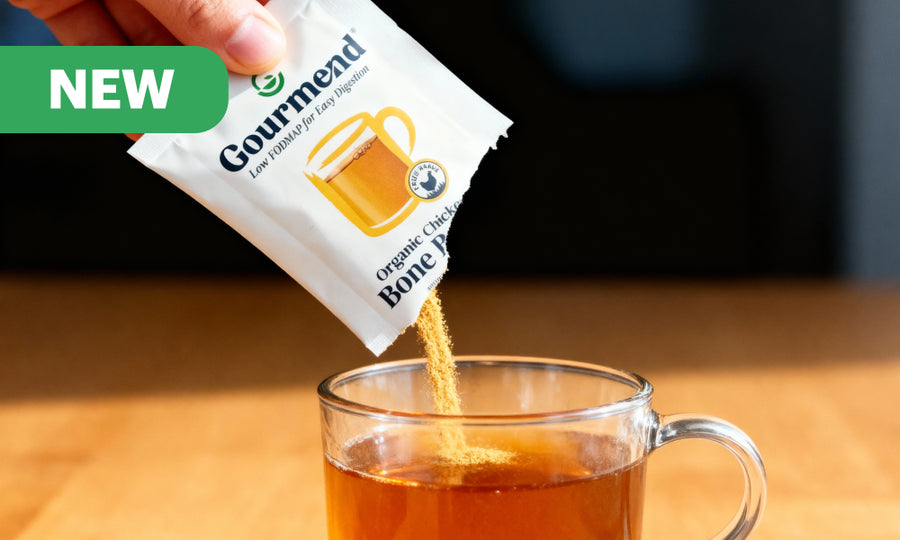
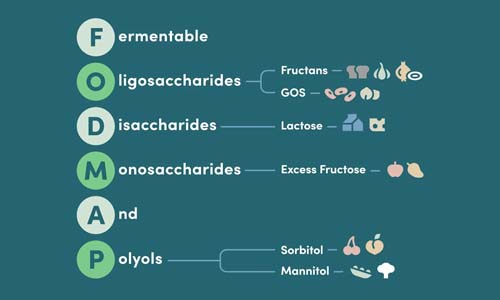
We use organic, free-range bones and swap high-FODMAP aromatics--onion bulb, garlic clove--for green leek tops and scallion greens. You get the savory depth without the digestive triggers that knock so many people off their routines. Our broths are Monash University Low FODMAP Certified, and they're free from maltodextrin, yeast extract, "natural flavors," and preservatives. The Bone Broth Sampler Bundle includes both chicken and beef varieties--solid for sipping or as the base of any bone broth recipe.
Broth vs. Stock vs. Bone Broth: The Actual Differences
Broth vs. Stock vs. Bone Broth
- Stock: Bones cooked for a few hours, primarily to build body and flavor for sauces. Collagen extraction is minimal.
- Broth: Meat-forward, shorter cook time, lighter in both flavor and nutrients.
- Bone Broth: Bones simmered 12 to 24 hours specifically to extract collagen, gelatin, and minerals. That extended time is what drives the health benefits of bone broth that stock and broth simply can't replicate.
Bone Broth and Gut Health: What the Research Actually Supports

Glycine, Glutamine, and the Intestinal Barrier
Your gut lining is more than a tube--it's a selective filter. Tight junctions between intestinal cells control what crosses into the bloodstream. Glycine and glutamine, both present in bone broth gelatin, are primary energy sources for those cells. When those cells are well-fed, the barrier holds. It's a straightforward mechanism, and it's why our Organic Chicken Bone Broth has become a staple for so many people managing IBS on a low FODMAP approach.
Anti-Inflammatory Potential: Useful Context, Not a Cure
Gelatin has shown some anti-inflammatory properties in research, and plenty of people with sensitive guts report that warm broth genuinely calms things down during a rough patch. That's worth acknowledging honestly. It's not a medical treatment--it won't resolve an active flare the way targeted therapy would--but as a daily habit it gives your digestive system a softer landing than, say, a fiber-dense meal at the wrong moment.
Why Liquid Form Actually Matters for Sensitive Stomachs
Bone broth is already broken down before it ever reaches your gut. There's no heavy mechanical digestion required, which makes it one of the gentler ways to get protein and minerals on days when appetite is low or your system needs a breather. The electrolytes--calcium, magnesium--also help with hydration without adding any digestive load. I started drinking a cup most mornings when my IBS was at its worst, and it became one of the few things I could count on feeling good about eating.
This information is for educational purposes. Consult a registered dietitian or healthcare provider for personalized advice.
Joints, Skin, and Beyond: The Systemic Case for Bone Broth
Joint Support: Collagen as Structural Raw Material
Cartilage is roughly 60% collagen by dry weight. As it breaks down over time from use or aging, the body needs a steady supply of glycine and proline to rebuild connective tissue--and bone broth is one of the more efficient dietary sources of both. The evidence isn't bulletproof yet, but several small trials have shown meaningful improvements in joint comfort with regular collagen peptide intake. Think of it less as a fix and more as giving your joints the raw materials to do their own maintenance.
Skin Elasticity: The Inside-Out Argument
The dermis--the layer beneath the skin's surface--is largely collagen. Topical creams address texture from the outside; dietary collagen works at the structural level. A 2014 study in Skin Pharmacology and Physiology found that women who took collagen peptide supplements for eight weeks showed measurable improvements in skin elasticity. Bone broth isn't a concentrated supplement, but as a daily habit it contributes collagen precursors without requiring you to swallow another capsule.
Joint and Skin Support: Honest Expectations
What You Can Reasonably Expect
- A steady supply of glycine and proline to support cartilage and connective tissue repair.
- Gradual improvements in skin hydration and elasticity with consistent intake.
- A low-effort way to add collagen precursors without supplementation.
What to Keep in Mind
- Results build over weeks and months--not days.
- Dietary collagen is a support tool, not a substitute for medical care.
- Collagen content varies sharply between brands depending on simmer time and bone quality.
How to Choose a Good Bone Broth (and Actually Use It)
What to Look for on the Label
A quality bone broth should gel when refrigerated--that's your visual proof that enough collagen was extracted. If it stays watery, the simmer was too short. Beyond that, scan for maltodextrin, MSG, yeast extract, and "natural flavors," which are all filler signals. Our Bone Broth Sampler Bundle is a clean-label option--organic bones, real vegetables, nothing hidden. The label says exactly what's inside, which is how it should work.
Beyond Sipping: Practical Ways to Use Bone Broth Daily
Straight from a mug is the simplest approach, especially first thing in the morning. But you can also cook quinoa or rice in bone broth instead of water for a genuine flavor upgrade, use it as the base for soups and braises, or deglaze a pan with it after searing proteins. Each method draws out different strengths of the broth. For more ideas, our low FODMAP recipe collection has plenty of ways to work it into a full meal.
How Much Per Day?
One cup daily is a practical starting point--enough to provide a meaningful dose of amino acids and minerals without overdoing sodium. It works best as part of a varied, balanced diet rather than as a standalone wellness fix. The Sampler Bundle makes it easy to rotate between chicken and beef varieties so the habit doesn't go stale.
Frequently Asked Questions
Is drinking bone broth every day good for you?
Many people find that regular consumption of bone broth can support overall wellness. Its gelatin and amino acids, like glycine, are known to help maintain a healthy gut lining and support joint function. Plus, it's a gentle way to stay hydrated and get essential minerals.
What are the main health benefits of bone broth?
Bone broth offers several benefits, primarily from its collagen and gelatin content. These include supporting gut health by fueling intestinal cells, aiding joint comfort and mobility, and contributing to skin elasticity. It also provides important minerals and is easy to digest, making it a soothing option for sensitive stomachs.
Can bone broth help with joint pain?
Bone broth contains collagen, which breaks down into gelatin during a long simmer. This gelatin provides amino acids like glycine and proline, which are building blocks for connective tissue. Consuming these nutrients may help maintain joint comfort and mobility over time.
Does bone broth help heal fractures?
While bone broth is not a medical treatment for fractures, it does contain minerals like calcium and magnesium, which are important for bone health. Incorporating it into a balanced diet can contribute to your body's nutritional needs for strong bones.
How does bone broth support digestive wellness?
Bone broth is rich in gelatin, which provides amino acids such as glycine and glutamine. These amino acids help maintain the gut's mucosal lining and support the tight junctions of the intestinal barrier. This can help soothe the digestive tract and promote comfort.
What is the difference between bone broth, broth, and stock?
The key difference lies in the cooking time and ingredients. Stock typically cooks bones for a few hours for a sauce base, and broth usually cooks meat for a shorter time. Bone broth, however, simmers bones for 12 to 24 hours, specifically to extract collagen and gelatin, which deliver its unique health benefits.
What should I look for when choosing a quality bone broth?
When selecting a bone broth, look for indications of a long simmer time, which suggests a higher gelatin content. Prioritize broths made with organic, free-range bones and quality vegetables. Also, check for transparency regarding ingredients, avoiding unnecessary fillers or artificial additives.