


Ginger FODMAP Guide 2026: Easy Tips for Gut-Safe Cooking

Key Takeaways
- Fresh ginger is considered low FODMAP up to 5 grams according to Monash University testing.
- Ginger is safe for individuals managing IBS symptoms when consumed within recommended amounts.
- This aromatic root can enhance dishes without triggering digestive issues.
Table of Contents
- Ginger on a Low FODMAP Diet: Your Guide to Bold Flavor Without the Bloat
- Is Ginger Low FODMAP? The Science Behind Safe Servings
- Why Ginger Shines for Digestion, Flavor Meets Gut Comfort
- How to Buy, Store, and Prep Ginger for Low FODMAP Success
- Master Low FODMAP Ginger Techniques: From Tea to Meals
- 7 Epic Low FODMAP Ginger Recipes to Elevate Your Plate
- Troubleshooting Ginger on Low FODMAP: Solutions for Real Life
- Ginger vs. Garlic: Flavor Hacks for Low FODMAP Wins
Ginger on a Low FODMAP Diet: Your Guide to Bold Flavor Without the Bloat
Is ginger low FODMAP? Yes, up to 5 grams of fresh ginger is considered low FODMAP according to Monash University testing. This aromatic root transforms from a digestive concern into your secret weapon for creating restaurant-quality dishes that won't trigger IBS symptoms.
Forget the myth that low FODMAP eating means bland food. Ginger delivers the sharp, warming complexity that makes everything from morning tea to evening stir-fries sing with flavor. We'll cover safe serving sizes, compare fresh versus ground varieties, share gut-friendly preparation techniques, and reveal how ginger pairs beautifully with other low FODMAP ingredients to create meals that satisfy both your taste buds and your digestive system.
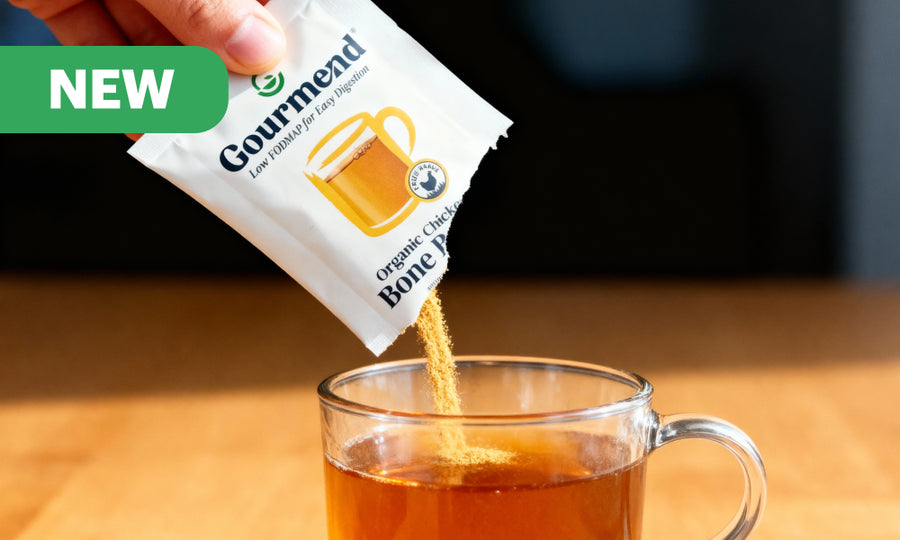
For those looking to maximize both flavor and digestive comfort, incorporating Organic Chicken Bone Broth | Low FODMAP & Unsalted or Organic Vegetable Broth (Low FODMAP & Unsalted) into your ginger-forward recipes is a smart way to build a nourishing, gut-friendly foundation.
Fresh ginger: 5g (thumb-sized piece) is low FODMAP
Ground ginger: 1g (about 1 teaspoon) is low FODMAP
Source: Monash University FODMAP testing
Is Ginger Low FODMAP? The Science Behind Safe Servings

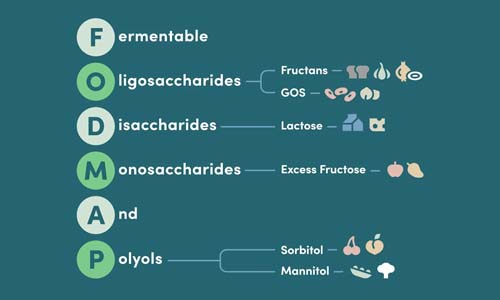
FODMAPs are fermentable carbohydrates that can trigger bloating, gas, and digestive discomfort in people with IBS. The good news for ginger fodmap concerns: this spicy root contains minimal amounts of these problematic compounds. Monash University's laboratory testing confirms that both fresh and dried ginger remain low FODMAP within specific portion sizes, making it a reliable flavor foundation for sensitive digestive systems.
The magic lies in ginger's gingerol compounds, which deliver that characteristic warming bite without the fructans found in high-FODMAP aromatics. Fresh ginger provides brighter, more complex flavors, while ground ginger offers concentrated heat that stores well. Both forms support digestive comfort when you stick to tested amounts, 5 grams fresh equals roughly one teaspoon ground.
If you're looking for a convenient way to sample gut-friendly broths that pair perfectly with ginger, try the Bone Broth Sampler Bundle for a variety of low FODMAP options.
| Ginger Form | Low FODMAP Serving | Flavor Profile | Best Uses |
|---|---|---|---|
| Fresh grated | 5g (thumb-sized piece) | Bright, juicy, complex | Teas, marinades, stir-fries |
| Ground dried | 1g (1 teaspoon) | Concentrated, warming | Baking, spice blends, rubs |
| Pickled | 10g | Tangy, mellowed heat | Sushi, salads, palate cleanser |
Fresh Ginger vs. Ground Ginger: Key Differences for Your Gut
Fresh ginger delivers brighter, more nuanced flavors with natural moisture that infuses beautifully into broths and teas, though it requires refrigeration and loses potency within a week. Ground ginger provides concentrated warmth that penetrates baked goods and spice rubs effectively, storing for six months when kept airtight. Both offer equivalent low FODMAP safety at proper ratios, remember that one teaspoon ground ginger roughly equals 5 grams fresh for ginger low fodmap meal planning.
Why Ginger Shines for Digestion, Flavor Meets Gut Comfort
Ginger's gingerol compounds naturally support digestive motility, helping food move through your system more efficiently while reducing that uncomfortable bloated feeling. Unlike harsh digestive aids, ginger works gently to ease nausea and promote healthy gut movement without overstimulation. This makes it particularly valuable for IBS management, where gentle support often works better than aggressive interventions.
The beauty of ginger fodmap compatibility extends beyond safety, it actively enhances digestive comfort. Try sipping fresh ginger tea after meals to support natural digestion, or add grated ginger to morning smoothies for sustained digestive benefits. Pairing ginger with healthy fats like olive oil or coconut oil enhances absorption of its beneficial compounds, while combining it with turmeric creates a powerful anti-inflammatory duo that supports overall gut wellness.
For a deeper dive into the science and clinical evidence behind ginger's digestive benefits, see this peer-reviewed research article on ginger and gastrointestinal health.
Ginger vs. Turmeric: Which Wins for IBS Flavor and Comfort?
Both spices excel in different digestive scenarios: ginger provides immediate nausea relief and sharp, warming flavors that cut through rich dishes, while turmeric offers longer-term anti-inflammatory support with earthy, golden notes that complement milder ingredients. Ginger acts faster for acute digestive discomfort, making it ideal for post-meal teas and quick stir-fries, whereas turmeric shines in slow-cooked dishes and golden milk preparations.
| Criteria | Ginger | Turmeric |
|---|---|---|
| FODMAP Status | 5g fresh / 1g ground | 2g fresh / 1g ground |
| Digestive Speed | Immediate nausea relief | Long-term inflammation support |
| Flavor Impact | Sharp, warming bite | Earthy, golden warmth |
| Best Recipe Use | Teas, stir-fries, marinades | Curries, golden milk, roasted vegetables |
How to Buy, Store, and Prep Ginger for Low FODMAP Success
Select fresh ginger roots that feel firm and heavy with smooth, unwrinkled skin, avoid pieces with soft spots or visible sprouting. The skin should be thin enough to scrape off easily with a spoon edge, and the flesh should appear juicy and pale yellow when cut. Quality ginger delivers maximum flavor impact within your ginger fodmap limits, so investing in fresh, vibrant roots pays off in both taste and digestive comfort.
Store fresh ginger in your refrigerator's crisper drawer for up to one week, or freeze grated portions in ice cube trays for up to three months. Ground ginger maintains potency for six months when stored in an airtight container away from light and heat. For maximum flavor extraction, peel ginger with a spoon edge rather than a knife to preserve the flavorful layer just beneath the skin.
Master three essential prep techniques for ginger low fodmap cooking: grate fresh ginger directly into your Gourmend shelf-stable broth carton within three minutes of cutting to capture peak flavor compounds, slice thin rounds for steeping teas, or mince into pea-sized pieces (roughly 1 gram each) for even distribution in seasonings. Combat waste by freezing pre-measured 5-gram portions in small containers, this ensures you never exceed safe serving sizes while always having flavor-ready ginger on hand.
For more inspiration on using ginger in easy, gut-friendly meals, check out this low FODMAP carrot ginger soup recipe that highlights both flavor and digestive comfort.
Pickled Ginger Done Right: Low FODMAP Version
Create gut-friendly pickled ginger by slicing 50 grams fresh ginger paper-thin, then covering with heated rice vinegar and a tablespoon of maple syrup, let infuse for 24 hours before serving. Unlike store-bought versions that often contain high-FODMAP additives like high fructose corn syrup, your homemade version stays clean and digestible. Stick to 10-gram servings to maintain low FODMAP status while enjoying that tangy, mellowed heat that perfectly complements sushi or salads.
Master Low FODMAP Ginger Techniques: From Tea to Meals

Transform your daily routine with ginger tea: grate 5 grams fresh ginger into 8 ounces of hot Gourmend broth, steep for 5 minutes, then strain for a soothing digestive aid that's safe for daily consumption. This technique extracts maximum gingerol compounds while staying within ginger fodmap guidelines, creating a warming beverage that supports gut motility after meals or during digestive discomfort.
Elevate stir-fries by grating fresh ginger directly into your pan with green leek tops and a splash of Gourmend shelf-stable broth carton, this creates an aromatic base that rivals traditional high-FODMAP combinations. For baking applications, incorporate 1 gram ground ginger into cookie doughs or quick breads, where its concentrated warmth penetrates throughout without overwhelming delicate digestive systems.
Address common issues proactively: if ginger triggers any bloating, halve your portion size and sip ginger preparations slowly rather than consuming quickly. The key lies in gradual introduction, start with 2.5 grams fresh ginger in tea form, then gradually increase to full 5-gram servings as your system adapts to this beneficial digestive ally.
5-Minute Soothing Lemon-Ginger Tea
Ingredients: 5g fresh grated ginger, juice of half lemon, 1 tsp maple syrup, 8oz hot water
Method: Steep ginger 5 minutes, strain, add lemon and maple. Perfect for post-meal digestive support.
Ginger in Cooking: 5 Best Low FODMAP Pairings
Chive sprigs (2 tablespoons) + grated ginger create onion-like depth in 3 minutes of sautéing. Nori seaweed in Gourmend Beef Broth amplifies umami when combined with fresh ginger for Asian-inspired soups. Quinoa (1 cup cooked) absorbs ginger-infused broths beautifully for grain bowls. Rice noodles pair with ginger-scallion green oil for 5-minute weeknight meals. Scallion greens (¼ cup chopped) finish ginger stir-fries with fresh bite and color contrast.
For a curated selection of essentials to kickstart your ginger-forward low FODMAP journey, explore the Low FODMAP Pantry Starter Bundle for all-in-one convenience.
7 Epic Low FODMAP Ginger Recipes to Elevate Your Plate
Transform your kitchen into a gourmet haven with these ginger fodmap-friendly recipes that prove digestive wellness never means sacrificing flavor. Each recipe uses Gourmend shelf-stable broth carton as the umami foundation, delivering restaurant-quality results in under 30 minutes.
Recipe Success Formula
Maximum 4 ingredients per recipe • 5g fresh ginger limit • Gourmend broth base for depth
1. Five-Minute Ginger-Chive Power Broth
Ingredients: 2 cups Gourmend Chicken Bone Broth, 5g fresh grated ginger, 2 tbsp chopped chives, 1 tsp sesame oil
Method: Heat broth, whisk in ginger, simmer 3 minutes. Garnish with chives and sesame oil. Serves 2.
2. Sticky Ginger Quinoa Power Bowl
Ingredients: 1 cup cooked quinoa, ⅓ cup cooked lentils, 3g minced ginger, 2 tbsp maple syrup
Method: Sauté ginger 30 seconds, add maple syrup and lentils. Toss with quinoa. Serves 1.
3. Triple Ginger Oat Cookies
Ingredients: 2 cups rolled oats, 1g ground ginger, ¼ cup maple syrup, 3 tbsp coconut oil
Method: Mix dry ingredients, fold in wet. Bake 350°F for 12 minutes. Makes 18 cookies.
4. Silky Carrot-Ginger Purée
Ingredients: 1 lb carrots, 1 cup Gourmend Vegetable Broth, 4g fresh ginger, 1 tbsp olive oil
Method: Roast carrots 25 minutes, blend with broth and ginger until smooth. Serves 4.
Find complete step-by-step instructions and more inspiration at our low FODMAP recipe collection.
If you want to explore more creative ways to use ginger in your low FODMAP cooking, don't miss our in-depth guide on whether ginger is low FODMAP for additional tips and science-backed advice.
For broth enthusiasts, the Broth Lover Bundle is a perfect way to keep your pantry stocked for all your ginger-infused recipes.
Troubleshooting Ginger on Low FODMAP: Solutions for Real Life
Even ginger fodmap success stories hit occasional bumps. Here's your troubleshooting toolkit for the most common ginger challenges our customers face.
Problem #1: Ginger triggers bloating
Root cause: Exceeding the 5g fresh limit or consuming on an empty stomach
Fix: Start with 2.5g portions and always pair with low FODMAP carbs like rice or oats. Track your personal threshold, some people thrive at 3g, others handle the full 5g.
Problem #2: SIBO concerns with ginger
Ginger actually supports healthy gut motility, but SIBO requires gentle introduction. Begin with micro-doses (1g fresh) in warm Gourmend broth. The liquid format aids absorption while the bone broth provides gut-healing collagen.
Quick Fixes for Common Ginger Issues
- Daily tea causing stomach upset? Limit to 1 cup with 3g ginger maximum
- Ground ginger too intense? Use ½ teaspoon (0.5g) and build tolerance
- Blood sugar concerns? Ginger is naturally neutral, pair with protein
- Nausea relief not working? Try ginger with crackers or rice for better absorption
- Fresh vs. supplements? Whole ginger offers safer, more predictable results
Ginger Products to Skip vs. Safe Picks
Avoid: Candied ginger (high sugar), ginger ales with artificial sweeteners, and any products listing "natural flavors" without ingredient transparency.
Safe choices: Organic fresh ginger root, pure ground ginger spice, and Gourmend broths enhanced with fresh ginger for consistent, clean flavor without digestive surprises.
For those who want to try a variety of low FODMAP ingredients in one convenient package, the Gourmend Sampler is a great option to support your ginger-forward cooking.
For additional clinical guidance on the low FODMAP diet, see the Low FODMAP Diet and Instructions from the University of Virginia.
Ginger vs. Garlic: Flavor Hacks for Low FODMAP Wins

Missing garlic's punch? Ginger fodmap strategy includes smart substitutions that deliver comparable depth without the digestive drama. This comparison reveals why ginger often outperforms garlic alternatives for sensitive stomachs.
| Feature | Fresh Ginger | Garlic (High FODMAP) |
|---|---|---|
| Umami Intensity | Bright, warming, layered | Strong, pungent, can trigger symptoms |
| Digestive Impact | Gentle, low FODMAP | High FODMAP, often problematic |
| Best Substitution | Pair with chive sprigs or scallion greens for onion-garlic depth | Not recommended for low FODMAP diets |
| Broth Compatibility | Perfect in Gourmend shelf-stable broth carton | Not suitable for sensitive digestion |
For more flavor inspiration and to discover how Gourmend broths use chives, scallion greens, and leek greens for onion-like depth (plus nori seaweed and oyster mushrooms for umami), visit our low FODMAP recipes or try the Low FODMAP Recipe Conversion Tool to adapt your favorite dishes.
Frequently Asked Questions
What is the safe serving size of fresh and ground ginger for someone following a low FODMAP diet?
Fresh ginger is considered low FODMAP up to 5 grams, roughly a thumb-sized piece, while ground ginger is safe at about 1 gram, or one teaspoon. Staying within these amounts helps you enjoy ginger’s bold flavor without digestive discomfort.
How does ginger help with digestion for individuals managing IBS symptoms?
Ginger contains gingerol compounds that provide a warming, soothing effect which can support easier digestion and reduce bloating. Its low FODMAP profile means it adds flavor without triggering common IBS symptoms.
What are the differences between fresh ginger and ground ginger in terms of flavor and storage on a low FODMAP diet?
Fresh ginger offers a bright, complex flavor that’s perfect for vibrant dishes, while ground ginger delivers a more concentrated, warming heat and stores longer. Both forms are low FODMAP when used in recommended amounts, letting you choose based on convenience and recipe needs.
Can ginger be combined with other low FODMAP ingredients to create gut-friendly meals, and if so, which ones are recommended?
Absolutely, ginger pairs beautifully with low FODMAP staples like Gourmend’s organic chicken or vegetable broths, chive sprigs, scallion greens, and low FODMAP grains such as quinoa or rice. These combinations build rich, flavorful meals that are gentle on digestion.