



Frozen Bone Broth: Storage, Thawing, and Cooking Ideas

Key Takeaways
- Frozen bone broth allows for proactive meal preparation by providing a ready-to-use, nutrient-dense option.
- It offers gut-friendly benefits with collagen, protein, and essential minerals.
- Freezing bone broth extends its shelf life from days to months without losing nutritional value.
- This freezer staple helps avoid reliance on processed convenience foods.
Table of Contents
- What Is Frozen Bone Broth & Why It Belongs in a Low FODMAP Kitchen
- Nutritional & Gut-Friendly Benefits of Frozen Bone Broth
- Frozen Bone Broth vs Other Formats: What to Choose When
- How Long Frozen Bone Broth Lasts: Homemade vs Store-Bought
- How to Make and Freeze Bone Broth Safely: Step-by-Step
- Thawing & Reheating Frozen Bone Broth for Everyday Cooking
- Space-Saving, Low-Stress Freezer Strategies for Bone Broth
Frozen Bone Broth: Convenient, Gourmet Nutrition from Your Freezer (Low FODMAP-Friendly)
Frozen bone broth transforms meal prep from reactive to proactive. Instead of reaching for processed convenience foods when hunger strikes, you'll have nutrient-dense, gut-friendly liquid gold ready in minutes. This freezer staple delivers the same collagen, protein, and mineral benefits as fresh bone broth while extending shelf life from days to months.
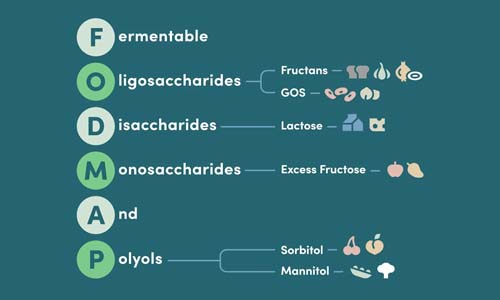
For those managing digestive sensitivities, frozen bone broth offers particular advantages. When made without high FODMAP triggers like onion bulbs and garlic bulbs, using chive sprigs and green leek tops instead, it becomes a safe, flavorful foundation for countless meals.
If you're looking to stock your freezer with high-quality options, consider the Bone Broth Sampler Bundle for a variety of flavors, or try Organic Chicken Bone Broth | Low FODMAP & Unsalted for a gentle, gut-friendly staple.
What Is Frozen Bone Broth & Why It Belongs in a Low FODMAP Kitchen
Clear Definition & How It Differs from Regular Broth or Stock
Bone broth requires extended simmering (8-24 hours) to extract collagen and minerals from bones, creating a gel-like texture when chilled. Stock typically simmers 2-4 hours and focuses on flavor extraction. Regular broth uses meat rather than bones and cooks fastest. Gourmend Chicken & Beef products are true bone broths, slow-simmered for maximum nutrition.
Frozen bone broth is fully cooked bone broth cooled and frozen within 24 hours of completion. Standard serving size is 8 oz (1 cup) for sipping or cooking applications.
Why People Freeze Bone Broth
The convenience factor drives most freezing decisions. One 8-24 hour simmer yields months of ready-to-use nutrition. Practical applications include daily sipping, instant soup bases, pan sauces, and cooking grains with broth instead of water.
For low FODMAP compatibility, frozen bone broth shines when made with chives, scallion greens, and leek greens rather than problematic onion bulbs, garlic bulbs, or shallots.
Yes, when made with high-quality bones, clean ingredients, and minimal additives. Freezing locks in protein, collagen, and minerals while providing gentle, savory hydration that's particularly valuable on a low FODMAP diet.
Nutritional & Gut-Friendly Benefits of Frozen Bone Broth

Protein, Collagen & Key Nutrients
Quality frozen bone broth delivers 8-15 grams of protein per 8 oz cup. The telltale jiggle after chilling indicates successful collagen extraction, this gelatin provides amino acids that support connective tissue health.
Mineral content includes modest amounts of calcium, magnesium, and potassium naturally extracted from bones during the long simmer. These support everyday wellness without requiring medical claims.
Does Freezing Affect Nutrients or Collagen?
Freezing does not destroy collagen or significantly reduce protein content. Slight texture shifts and possible fat separation may occur after thawing, but nutritional integrity remains intact.
For optimal quality, use frozen bone broth within 3-6 months. Flavor and aroma peak within the first 3 months of freezer storage.
Gentle on Digestion & Low FODMAP Advantages
A savory liquid with modest protein and no problematic FODMAPs often feels easier to digest than solid foods. Low FODMAP bone broth avoids onion bulbs and garlic bulbs while maintaining deep flavor through chives, scallion greens, leek greens, herbs, and umami ingredients like nori and oyster mushrooms, as featured in Gourmend products.
Usage tips for gut-conscious readers:
- Start with ½ cup (4 oz) warm broth daily, increasing as tolerated
- Sip between meals or pair with low FODMAP carbohydrates like rice or quinoa
For more on the nutritional benefits and best practices, see our guide on best bone broth.
Frozen Bone Broth vs Other Formats: What to Choose When
Understanding when to reach for frozen bone broth versus other options helps optimize both convenience and nutrition. Each format serves distinct cooking scenarios and storage needs.
Frozen Bone Broth vs Fresh
Flavor: Nearly identical if frozen within 24 hours of cooking. Nutrition: Protein and collagen remain virtually unchanged when reheated gently. Convenience: Fresh lasts 3-4 days refrigerated; frozen bone broth extends shelf life to months.
Choose fresh for planned meals this week, frozen for always-on-hand backup. The nutritional profile stays consistent, you're simply trading immediate use for long-term storage flexibility.
Frozen Bone Broth vs Shelf-Stable Cartons
Gourmend's shelf-stable broth carton represents the gold-standard boxed option and qualifies as true bone broth for Chicken & Beef varieties.
Storage: Room-temperature pantry versus 0°F freezer space. Speed: Shelf-stable offers "open and pour" convenience; frozen requires 5-15 minutes to thaw and heat. Meal planning: Frozen excels for batch cooking and meal prep, while shelf-stable shines for last-minute cooking decisions.
| Factor | Frozen Bone Broth | Gourmend Shelf-Stable |
|---|---|---|
| Storage Requirements | Freezer space at 0°F | Pantry at room temperature |
| Prep Time | 5-15 minutes thaw/heat | Immediate use |
| Shelf Life | 3-6 months frozen | 18+ months unopened |
| Batch Cooking | Excellent for large portions | Perfect for single servings |
Frozen Bone Broth vs Powders & Supplements
Whole-food broth differs significantly from isolated collagen powders or capsules. Hydration and savoriness: Liquid provides immediate satisfaction and fluid intake. Culinary versatility: Works seamlessly in soups, stews, grain cooking, and pan sauces. Ingredient transparency: Preservative-free potential with visible, recognizable components.
Powders offer travel convenience, but frozen and shelf-stable liquid bone broths deliver superior aroma, texture, and flavor for everyday cooking applications.
For those interested in a plant-based option, Organic Vegetable Broth (Low FODMAP & Unsalted) is a versatile freezer staple for soups and stews.
How Long Frozen Bone Broth Lasts: Homemade vs Store-Bought

Proper storage determines both safety and quality retention. Understanding timeline differences between homemade and commercial frozen bone broth ensures optimal flavor and nutrition.
Shelf Life at a Glance
Properly cooled and frozen bone broth maintains quality for specific timeframes: Refrigerated: 3-4 days at 40°F or below. Frozen: Best quality up to 3 months, generally safe up to 6 months when kept fully frozen and sealed.
Flavor, aroma, and texture gradually decline past the 3-4 month mark, though safety remains intact with consistent freezer temperatures.
Homemade Frozen Bone Broth Storage
Several factors influence longevity: Rapid chilling within 2 hours of cooking, minimal air exposure by filling containers appropriately with headspace for expansion, and consistent freezer temperature at 0°F or colder.
Label each container with date, type (chicken, beef, vegetable), and portion size. Use oldest broth first to maintain rotation and prevent waste.
Store-Bought Frozen Bone Broth Timeline
Commercial frozen products typically display "best by" dates of 6-12 months from production, depending on processing methods. Look for "keep frozen" instructions and "use within X days of thawing" guidance, usually 3-5 days.
Quality indicators include organic sourcing, grass-fed labeling, low sodium content, and short, recognizable ingredient lists that align with clean-label standards.
For more on how bone broth fits into a healthy diet, read about the bone broth diet and its potential benefits.
How to Make and Freeze Bone Broth Safely: Step-by-Step
Creating freezer-ready bone broth requires attention to low FODMAP ingredients and proper food safety protocols. This approach ensures both digestive comfort and long-term storage success.
Simple Low FODMAP Bone Broth Foundation
Build flavor without onion bulbs, garlic bulbs, or shallots by using chive sprigs, green leek tops, and scallion greens plus herbs and low FODMAP vegetables. For more inspiration, explore our Low FODMAP Recipes or use our Low FODMAP Recipe Conversion Tool.
Cooling and Preparing for the Freezer
Cool broth to room temperature within 2 hours of cooking for food safety. Strain out solids, then refrigerate for 4–6 hours until completely cold. A solid fat cap will form on top, skim it for lighter broth or leave it for richer flavor when reheating.
Divide into 1–4 cup portions based on your cooking habits: 1 cup for sipping, 3–4 cups for soup bases. This prevents thawing more than you need.
Best Containers & Portion Sizes for Freezing
Choose containers based on your space and usage patterns:
- 1-cup and 2-cup freezer-safe jars for soups and cooking grains
- Ice cube or silicone molds for 1–2 tablespoon "flavor bombs"
- Flat freezer bags laid horizontal, then stored vertically like files
Always leave 1 inch headspace in rigid containers to prevent cracking from expansion. Glass jars work beautifully but must be completely cooled before freezing.
Mistakes to Avoid
Never put hot broth directly into glass containers and freeze, thermal shock causes cracking. Always cool completely first.
Minimize freezer burn by eliminating air exposure. Use appropriately-sized containers rather than half-empty large ones. Press excess air from bags before sealing.
Use frozen bone broth within 3 months for peak flavor. Label everything with date and type, rotating older containers to the front of your freezer.
For a convenient way to try multiple flavors and formats, the Broth Sampler is an excellent choice for home cooks.
Thawing & Reheating Frozen Bone Broth for Everyday Cooking
Safe Ways to Thaw Frozen Bone Broth
Three reliable methods with realistic timings:
- Overnight in the fridge: Place container on a plate; allow 12–24 hours depending on size
- Stovetop from frozen: Add frozen block to a small pot, cover, warm on low for 10–15 minutes, stirring occasionally
- Microwave: Use microwave-safe bowl, defrost in 1–2 minute bursts, stirring between intervals
Never leave broth at room temperature for more than 2 hours total to maintain food safety.
Reheating for Best Texture & Flavor
Heat gently until steaming hot (around 165°F / 74°C) but avoid rolling boils that can break down proteins. Gentle simmering preserves the rich mouthfeel.
Fat separation after thawing is normal. Either skim with a spoon for lighter broth or whisk to re-emulsify for richer texture. Season just before serving with salt, pepper, herbs, or lemon juice.
Everyday Use-Cases With Specific Quantities
For sipping: Warm 8–10 oz in a mug with a pinch of salt and lemon squeeze.
For cooking grains: Replace water with broth at 1:1 ratio, use 2 cups broth per 1 cup dry rice or quinoa.
For quick soups: Combine 3–4 cups thawed broth with leftover proteins, cooked grains, and low FODMAP vegetables; simmer 10–15 minutes.
To learn about the differences between liquid and powdered options, check out our article on bone broth powder.
Space-Saving, Low-Stress Freezer Strategies for Bone Broth

Using Cubes, Concentrates & Flat Packs
Ice cube portions: Freeze in 1–2 tablespoon molds for about 3–4 hours, then transfer to labeled freezer bags. Perfect for adding instant flavor to rice or vegetables.
Concentrated broth: Simmer finished broth down by 50%, freeze in ½ cup portions, then dilute 1:1 with water when using. Cuts freezer space in half.
Flat freezer packs: Lay filled bags flat on trays until frozen solid, then store vertically like files for easy access and maximum space efficiency.
For those building a gut-friendly pantry, the Low FODMAP Pantry Starter Bundle includes essentials for convenient, low FODMAP cooking.
For more on the science behind bone broth and its potential health benefits, see this overview from the Cleveland Clinic.
For a clinical perspective on the therapeutic use of broths, refer to this resource from Children's Hospital of Philadelphia.
Frequently Asked Questions
What are the main differences between frozen bone broth, regular broth, and stock?
Bone broth simmers bones for 8-24 hours to extract collagen and minerals, resulting in a gel-like texture when chilled. Stock cooks for 2-4 hours focusing mainly on flavor from bones and vegetables, while regular broth uses meat and cooks fastest. Frozen bone broth is fully cooked bone broth that’s cooled and frozen within 24 hours to preserve its nutrition and convenience.
How does freezing bone broth affect its nutritional value, especially collagen and minerals?
Freezing bone broth preserves its collagen, protein, and essential minerals without significant loss. This means you can enjoy the same gut-friendly benefits months after freezing, making it a nutrient-dense, ready-to-use option for your meals.
Why is frozen bone broth considered beneficial for people following a low FODMAP diet?
Frozen bone broth made without high FODMAP ingredients like onion and garlic bulbs, using chive sprigs and green leek tops instead, offers a flavorful, gut-friendly base. It supports digestion and helps avoid reliance on processed convenience foods, fitting well within a low FODMAP lifestyle.
What are the best practices for safely making, freezing, thawing, and reheating bone broth at home?
Simmer bones slowly for 8-24 hours, then cool the broth within two hours before freezing in portioned containers. Thaw frozen bone broth in the fridge overnight or gently reheat on the stove, avoiding rapid temperature changes to preserve texture and flavor. Use within a few days after thawing for best quality.