


How to Compare Bone Broth Brands by Ingredients and Flavor

best bone broth brand
Low FODMAP buying shortcut: If you want a certified option instead of another generic carton, shop Gourmend's low FODMAP broths collection, including organic beef broth, organic chicken broth, and organic vegetable broth.
Finding the best bone broth brand is harder than it should be. Most options on store shelves simmer bones for a fraction of the time needed to extract meaningful collagen, then mask the result with onion powder, garlic extract, and "natural flavors." This guide cuts through that noise with specific criteria: simmering time, sourcing transparency, certifications, and digestive compatibility.
What Makes a Bone Broth Worth Buying
Broth, Stock, and Bone Broth: The Real Difference
| Type | Simmer Time | Collagen Content | Primary Use |
|---|---|---|---|
| Broth | 1-3 hours | Minimal | Soups, light sauces |
| Stock | 4-6 hours | Moderate | Cooking base |
| Bone Broth | 12-24 hours | High (gelatin-rich) | Sipping, cooking, digestive support |
Gourmend Foods simmers its chicken bone broth for 16 hours using organic, free-range bones. That extended cook time is what converts collagen into gelatin. A product labeled "bone broth" that simmers for two hours is stock with better marketing.
Hidden Additives That Compromise Quality and Digestion
- Onion powder / garlic powder: High-FODMAP triggers, often buried under "spices" or "natural flavors"
- Maltodextrin: A filler with a high glycemic index, common in powder formats
- Yeast extract: A flavor booster that adds hidden glutamates
- "Natural flavors": A catch-all term that can legally include garlic and onion derivatives
Gourmend's broths contain none of these. The beef bone broth uses oyster mushrooms and leek tops for umami depth, replacing the garlic and onion bulbs that most conventional brands rely on.
Bone Broth Brands Compared: Organic, Low FODMAP, and B Corp Status

The best bone broth brand depends on your priorities. Here is how leading options compare across the criteria that actually matter:
| Brand | Organic | Low FODMAP Certified | B Corp | Key Differentiator |
|---|---|---|---|---|
| Gourmend Foods | Yes | Yes (FODMAP Friendly) | Yes (114.0) | FODMAP Friendly certified bone broth; no onion or garlic bulbs |
| Bonafide Provisions | Yes | No | No | Frozen format; clean ingredients |
| Brodo | Partial | No | No | Restaurant-origin; strong flavor profile |
| Bluebird Provisions | No | No | No | High-protein powder format |
| FOND | Yes | No | No | Herb-forward; clean label |
For readers managing IBS or following a low FODMAP approach, Gourmend is FODMAP Friendly certified. The Bone Broth Sampler Bundle -- three chicken and three beef bone broths for $54.00 -- is a practical way to try both formats and judge the difference yourself.
The Low FODMAP Bone Broth Problem
Why Most Commercial Broths Contain Hidden Onion and Garlic
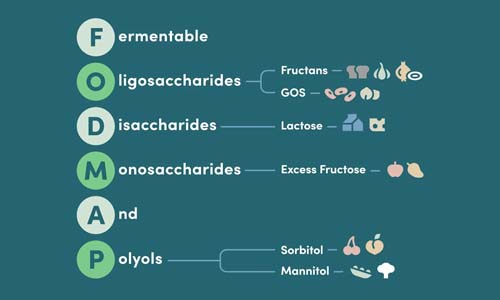
Onion and garlic are among the most concentrated FODMAP sources in the food supply. They appear in commercial broths as "spice," "natural flavoring," or "vegetable extract," making label reading genuinely difficult. For anyone managing IBS or digestive sensitivity, a single serving can trigger significant discomfort.
Gourmend Foods reformulated entirely around this gap. The chicken bone broths use organic, free-range bones with scallion tops and green leek. The beef bone broths use organic, grass-fed bones with leek and scallion tops, plus oyster mushrooms for umami depth. No onion or garlic bulbs appear anywhere in the formulation.
Identifying a genuinely digestive-friendly option means looking past "gut-friendly" marketing claims toward verified certification. Independent certification by FODMAP Friendly provides laboratory-based verification of low FODMAP claims rather than relying on a brand's self-declaration.
Sourcing, Certifications, and What They Actually Mean
Organic vs. Grass-Fed vs. Regenerative: What's the Difference?
These three terms appear on bone broth labels with increasing frequency, but they describe distinct standards. Organic means the animals were raised without synthetic pesticides, hormones, or antibiotics, and their feed met USDA organic requirements. Grass-fed refers to diet only -- it carries no restrictions on antibiotic use or pasture access unless paired with "grass-finished." Regenerative is the broadest claim and currently the least regulated, describing farming practices intended to restore soil health.
A product can be grass-fed without being organic, and organic without being regenerative. Gourmend uses organic, free-range chicken bones and organic, grass-fed beef bones, addressing both feed quality and animal welfare within verified frameworks.
Why B Corp Certification Signals Genuine Sustainability
B Corp status requires companies to meet verified standards across governance, workers, community, environment, and customers. The assessment is conducted by B Lab and recertified every three years. Gourmend holds a B Impact Score of 114.0, well above the 80-point threshold for certification. That score reflects practices across the entire business -- not just what goes into the carton. For anyone evaluating brand integrity alongside ingredient quality, B Corp certification is one of the few third-party signals that actually extends beyond the label.
Independent Low FODMAP Certification Explained
Monash University in Melbourne developed the low FODMAP dietary framework and maintains a large database of tested foods. Their certification program requires brands to submit products for laboratory analysis, confirming that FODMAP levels fall within safe thresholds per serving. This is categorically different from a brand self-declaring a product "gut-friendly" or "easy to digest." Gourmend is FODMAP Friendly certified, meaning the broths have been independently tested -- not just formulated with good intentions.
Bone Broth for Specific Diets and Health Goals

Low FODMAP Bone Broth for IBS and Digestive Sensitivity
For anyone managing IBS or functional digestive conditions, the best bone broth brand is the one with verified -- not assumed -- FODMAP compliance. Collagen and gelatin are naturally low FODMAP. The risk lies in what surrounds them: onion powder, garlic extract, and "spice blends" that appear across conventional broths.
Gourmend's formulations use scallion tops, green leek, and oyster mushrooms in place of onion and garlic bulbs, delivering savory depth without the triggers. Both the chicken and beef broths in the Bone Broth Sampler Bundle carry FODMAP Friendly certification and are free from GMOs, gluten, fillers, preservatives, yeast extract, and maltodextrin.
- Avoid any broth listing "spices," "natural flavors," or "vegetable extract" without specifics
- Onion and garlic powder are high FODMAP even in small amounts
- Independent low FODMAP certification provides verified assurance; "gut-friendly" without testing is marketing, not evidence
Collagen and Joint Health: What the Research Shows
Bone broth contains type I and type III collagen, which convert to gelatin during extended simmering. Peer-reviewed research -- including a 2017 study published in the Journal of the International Society of Sports Nutrition -- suggests that collagen peptide supplementation supports connective tissue repair when combined with vitamin C. Bone broth is not a pharmaceutical intervention. But as a whole-food collagen source consumed regularly, it fits naturally within a diet oriented toward joint and tissue support. The 16-hour simmer Gourmend uses for chicken bone broth is specifically designed to maximize gelatin extraction from free-range bones. For more detail, see the relevant publication on collagen peptide supplementation and connective tissue repair.
Protein Content and Athletic Recovery
Bone broth is not a high-protein food by the standards of protein shakes or legumes -- it typically delivers 8 to 11 grams per cup depending on the brand and format. Its value in athletic contexts is more nuanced than the protein count suggests. Glycine, proline, and hydroxyproline, the amino acids concentrated in bone broth, support tendon and ligament integrity rather than muscle hypertrophy. For athletes incorporating broth into recovery routines, sourcing and simmer time matter more than grams per serving.
How to Choose the Right Bone Broth for Your Kitchen
Liquid vs. Powder: Convenience, Storage, and Versatility
Liquid bone broth in shelf-stable cartons requires no preparation and works equally well for sipping and cooking. Powder formats offer longer shelf life and portability, but quality varies significantly -- many powders use maltodextrin as a carrier or sacrifice collagen content during processing. If powder is your preferred format, look for third-party certification and a clean ingredient list before committing. For most home cooks, a shelf-stable liquid broth covers the widest range of uses without compromise.
Beef, Chicken, and Vegetable Broths: Which to Buy
Chicken bone broth has a lighter, more neutral profile that works across soups, risottos, grains, and pan sauces. Beef bone broth carries deeper umami and is better suited to braises, stews, and reductions. Vegetable broth serves plant-based cooking and lighter applications.
If you cook across all three categories and want to see how certified, additive-free broth compares to what you're currently using, the Bone Broth Sampler Bundle covers both formats in a single order. For general background on bone broth and its culinary history, the Bone broth overview on Wikipedia is a useful starting point.
Ultimately, choosing the best bone broth brand comes down to three questions: How long were the bones simmered? What certifications support the label claims? Does the formulation fit your dietary needs? Sourcing transparency and third-party verification are the most reliable guides to all three.
The Verdict: What to Buy and Why
Most bone broth guides end with a ranked list. This one ends with a framework, because the best bone broth brand is not universal. It depends on what you are cooking, how your gut responds, and what you are willing to read on a label.
Three criteria separate genuinely good bone broth from well-marketed stock: simmering time long enough to extract gelatin, sourcing transparent enough to verify, and a formulation clean enough to trust. On all three, third-party certification is the only reliable signal. Self-declared claims like "gut-friendly" or "clean ingredients" carry no verification burden. FODMAP Friendly certification and B Corp status do.
For readers without digestive sensitivities, options like Bonafide Provisions and FOND offer clean formulations worth considering. For anyone managing IBS, functional dyspepsia, or a low FODMAP approach, the field narrows considerably. Gourmend Foods' bone broths are FODMAP Friendly certified -- meaning the formulation has been laboratory tested, not just thoughtfully assembled.
One consideration as the bone broth category grows: powder formats are expanding rapidly, and quality varies more in that segment than in liquid broths. If powder convenience appeals to you, apply the same criteria used here. Simmer time should be disclosed. Carriers like maltodextrin are a red flag. Any product making low FODMAP claims without independent certification or testing is making an unverified promise.
Finding the best bone broth brand is an act of label literacy. The brands worth buying make that process straightforward.
 Organic Chicken Bone BrothLeek and scallion tops stand in for onion and garlic. Seven organic ingredients, unsalted.Shop now
Frequently Asked Questions
Which is the healthiest bone broth to buy?
The healthiest bone broth is one that prioritizes long simmering times, transparent sourcing, and clean ingredients. Look for brands that simmer for 12-24 hours to extract gelatin and use organic, grass-fed, or free-range bones. For digestive comfort, checking for low FODMAP certification can also be a significant factor in your choice.
Can bone broth help with joint pain?
Bone broth is rich in collagen, which converts to gelatin during long simmering. While many people incorporate gelatin-rich foods into their diet for various reasons, it's always best to consult a healthcare provider or registered dietitian for personalized advice regarding specific health concerns like joint pain. My focus is on creating broths that are gentle on the gut and full of flavor.
Is it OK to drink bone broth every day?
Many people enjoy drinking bone broth daily as part of their routine, using it for sipping or as a base in cooking. When choosing a daily bone broth, consider its quality, simmering time, and ingredient transparency. Prioritizing options that are free from common additives and certified low FODMAP can support consistent digestive comfort.
What is the best bone broth to drink at the grocery store?
When selecting bone broth at the grocery store, I recommend looking for brands that clearly state their simmering time, ideally 12-24 hours, and use high-quality, organic, or grass-fed bones. Checking for third-party certifications, like FODMAP Friendly Certification, can also guide you toward a product that supports digestive well-being. This helps ensure you're getting a truly gelatin-rich and clean broth.
Why are certifications important when choosing a bone broth?
Certifications offer independent verification of a brand's claims, which is important for quality and transparency. For example, FODMAP Friendly Certification confirms a product has been laboratory tested for digestive compatibility. B Corp certification signals a company's commitment to verified standards across its entire business, extending beyond just the ingredients.