



Are Leeks Low FODMAP? Serving Sizes and Cooking Tips

Key Takeaways
- Leeks can be a confusing ingredient for those following a low FODMAP diet.
- Unlike onions and garlic, leeks may be low FODMAP depending on the part used.
- Understanding which part of the leek is safe is essential for managing IBS symptoms.
- Leeks offer a potential gut-friendly option for gourmet cooking when used correctly.
Table of Contents
- Introduction: Are Leeks Low FODMAP? (Quick Answer + Context)
- Leek 101: Structure, Flavor, and Where the FODMAPs Hide
- Are Leeks Low FODMAP? Breaking Down the Lab Data
- Leek Greens vs. Leek Bulb: Which Parts Are Safest on a Low FODMAP Diet?
- How to Prepare Leeks for a Low FODMAP Kitchen (Step-by-Step)
- Cooking with Leeks on a Low FODMAP Diet: Techniques That Keep Flavor High and FODMAPs Low
- Leeks vs. Other Low FODMAP Onion Alternatives: What's Best When?
Introduction: Are Leeks Low FODMAP? (Quick Answer + Context)
If you're navigating IBS with a low FODMAP diet or simply seeking cleaner, gut-friendly ingredients for gourmet cooking, leeks present an intriguing puzzle. Unlike their high-FODMAP cousins (onions and garlic), are leeks low FODMAP? The answer isn't straightforward, it depends entirely on which part you're using.
At Gourmend Foods, we've built our entire line of bone broths and seasonings around this exact science, using leek greens alongside chives and scallion tops to create that rich, onion-like depth without the digestive distress. Bone broths and seasonings crafted with low FODMAP ingredients can help you enjoy bold flavors while supporting your gut health.
Understanding leek FODMAP content isn't just academic, it's the difference between bold, confident cooking and another night of bland, symptom-triggering meals. For those looking to stock their kitchen, a Low FODMAP Pantry Starter Bundle can be a smart way to ensure you always have safe, flavorful options on hand.
Leek 101: Structure, Flavor, and Where the FODMAPs Hide

What Exactly Is a Leek?
Leeks belong to the same botanical family as onions and garlic (Allium), but their unique structure creates dramatically different FODMAP profiles. A typical leek consists of three distinct parts: the white base/bulb, the pale lime-green middle section, and the dark green tops. This mild, sweet allium delivers sophisticated flavor perfect for soups, braises, and sautés, when you know which parts to use.
How Leek Structure Relates to FODMAP Content
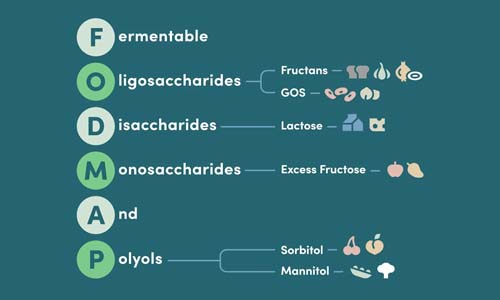
FODMAPs concentrate differently throughout plant structures, and leeks demonstrate this principle perfectly. The fructans, the primary FODMAP group in leeks, concentrate heavily in the bulb and pale midsection, while remaining relatively low in the dark green tops. Some testing also reveals potential mannitol content in certain varieties. Fructans are poorly absorbed in the small intestine and ferment in the colon, creating the gas, bloating, and discomfort that IBS sufferers know all too well.
Visual Guide: "Traffic Light" Leek Anatomy
Think of leek FODMAP safety like a traffic light system: Red zone includes the white bulb and pale central stalk (high FODMAP, use sparingly). Yellow zone covers the thin transitional light green area (use with extreme care in tiny amounts). Green zone encompasses the dark green tops, your safe harbor for generous, low FODMAP portions. Only the dark green tops are reliably low FODMAP at the serving sizes that actually matter for real cooking.
Are Leeks Low FODMAP? Breaking Down the Lab Data
What Monash University Says About Leeks
Monash University pioneered FODMAP testing and remains the gold standard for reliable data. Their research specifically separates leek leaves (green tops) from leek bulb, revealing crucial differences. Leek green tops test as low FODMAP up to 54g (roughly ½ cup chopped), while the bulb portion shows high fructan content but allows for a minimal 10g serving (about 1-2 teaspoons finely chopped) within low FODMAP limits.
FODMAP Friendly Results and How They Compare
FODMAP Friendly, another respected testing laboratory, provides additional verification with slight variations in methodology. Their testing often shows similar patterns, leek greens significantly safer than bulb portions, though exact gram thresholds may differ due to testing conditions, leek varieties, and growing environments. These variations underscore why conservative portioning and individual testing remain essential.
Putting the Numbers Together: Practical Safe Servings
| Leek Part | Low FODMAP Serving | FODMAPs of Concern | High FODMAP Threshold |
|---|---|---|---|
| Dark Green Tops | 54g (~½ cup chopped) | Minimal fructans | >100g (>1 cup) |
| White Bulb | 10g (~1-2 tsp chopped) | High fructans, some mannitol | >15g (>1 Tbsp) |
| Whole Leek (mixed) | Variable by ratio | Fructans concentrate in bulb | Depends on bulb content |
These lab numbers translate into generous real-world cooking opportunities. You can confidently use leek greens several times per week in ½-1 cup portions during elimination phases, making them a reliable foundation for soups, stir-fries, and sautés. Gourmend's Chicken Bone Broth is a great base for these dishes, providing layered flavor while keeping FODMAPs low. Always work with a qualified dietitian to individualize these guidelines based on your specific tolerance patterns.
Why Leeks Get Confusing on FODMAP Lists
Many generic FODMAP lists label "leeks" as high FODMAP without distinguishing between greens and bulb, creating unnecessary confusion. This oversimplification ignores the crucial part-specific testing that makes leeks uniquely useful for low FODMAP cooking. Trust lab-tested, part-specific entries over generic blog recommendations that lump whole vegetables into single categories. Cross-reference with Gourmend's Low FODMAP Diet Complete Guide and recipe conversion tool for reliable, science-backed substitutions. For more on how other vegetables fit into a low FODMAP diet, see our article on are carrots low FODMAP.
Leek Greens vs. Leek Bulb: Which Parts Are Safest on a Low FODMAP Diet?
Leek Greens: The Low FODMAP Hero
Dark green leek tops earn their status as the low FODMAP hero at relatively generous servings, up to 54g (roughly ½ cup chopped) according to Monash testing. These greens deliver a gentler, grassy sweetness with subtle onion undertones that soften beautifully when sautéed. During elimination phases, you can confidently use up to 1 cup chopped per person in most recipes, giving you real cooking flexibility without constant portion anxiety.
Leek Bulb & Pale Green Section: High FODMAP, But Tiny Amounts Might Be Okay
The white and pale green sections concentrate fructans at levels that quickly trigger symptoms in sensitive individuals. However, lab testing reveals a minimal "safe" serving of 10g (roughly 1-2 teaspoons finely chopped) that technically remains within low FODMAP limits. In practical terms, this means 10g spread across a 4-serving dish provides each person with just 2.5g, barely enough to notice, but potentially useful for those determined to maximize flavor complexity during reintroduction phases.
Comparison Table: Leek Greens vs Bulb
| Factor | Leek Greens | Leek Bulb |
|---|---|---|
| FODMAP Risk | Low fructan content | High fructan concentration |
| Safe Serving Size | 54g (~½ cup chopped) | 10g (~1-2 tsp chopped) |
| Kitchen Measure | Generous ½-1 cup portions | Tiny pinches only |
| Best Culinary Uses | Soups, sautés, stir-fries, garnishes | Flavor base (advanced users only) |
| IBS Symptom Risk | Low when portioned correctly | High if exceeded |
How to Decide What's Right for You
During elimination phases, stick exclusively to measured leek greens, they provide satisfying flavor without the guesswork. During reintroduction, trial tiny bulb portions only under dietitian guidance, starting with half the "safe" amount to gauge your individual response. Track any delayed symptoms over 24-48 hours, as FODMAP reactions often appear hours after consumption. Keep a detailed food journal noting exact portions and symptom timing to identify your personal tolerance patterns.
How to Prepare Leeks for a Low FODMAP Kitchen (Step-by-Step)

Selecting the Right Leeks at the Store or Market
Choose leeks with long, firm stalks and abundant dark green tops, the parts you'll actually use in low FODMAP cooking. Look for minimal yellowing or wilting in the greens, with dirt concentrated mainly at the root end rather than deep between leaves. Buy 2-3 medium leeks if you plan to prep and freeze greens for the week, ensuring you have enough usable portions for multiple meals.
Trimming: Separating Greens from Bulb
Lay the leek flat and cut off the root end (about ½ inch). Slice where the pale green clearly transitions to dark green, setting the bulb and pale sections aside for composting or family members without IBS sensitivities. Fan open the dark green tops and rinse thoroughly under cold running water to remove trapped sand and grit. This separation ensures you're working exclusively with the low FODMAP portions.
Chopping and Measuring Low FODMAP Portions
Convert lab measurements into practical kitchen portions: 1 cup loosely packed chopped leek greens equals approximately 75-100g. For reintroduction phases involving tiny bulb amounts, 10g equals roughly 1-2 teaspoons finely chopped, use a digital scale initially to learn the visual cues. Stack cleaned leaves and slice into ¼-inch ribbons for soups and sautés, or cross-chop into smaller pieces for finer texture in delicate dishes.
Storage for Maximum Freshness (and Less Food Waste)
Store whole unwashed leeks in your produce drawer for 7-10 days. Prepped greens keep in airtight containers lined with paper towels for 3-4 days refrigerated. For longer storage, blanch green ribbons for 30-60 seconds, pat dry, and freeze in labeled ½-cup or 1-cup portions for up to 3 months. Frozen leek greens cook directly from frozen, just add 2-3 extra minutes to sauté times or toss straight into soups and stews.
Cooking with Leeks on a Low FODMAP Diet: Techniques That Keep Flavor High and FODMAPs Low
Sautéing Leek Greens for Onion-Like Depth
Heat 1-2 tablespoons garlic-free oil in a skillet over medium heat. Add ½-1 cup chopped leek greens per 2-4 servings, seasoning immediately with salt and pepper. Cook 8-10 minutes, stirring occasionally, until soft and lightly golden at the edges. Start with a pinch of salt early to draw out moisture, and add a splash of water or low FODMAP broth if the pan looks dry. This technique creates the foundational sweetness that mimics traditional onion aromatics.
Building Soups, Stews, and Braises with Leek Greens
Use leek greens as your aromatic base alongside carrots, celery tops, and fresh herbs. Add 1-2 cups chopped leek greens to pots serving 4-6 people to maintain appropriate per-serving FODMAP loads. Pair with Gourmend Vegetable Broth, which already incorporates chives, scallion greens, leek greens, nori, and oyster mushrooms for layered umami complexity. Long simmering doesn't increase FODMAP content, but portion control remains essential.
Quick Stir-Fries and Skillet Dinners with Leeks
- Leek greens + bell pepper + chicken strips
- Leek greens + zucchini + firm tofu
- Leek greens + carrots + ground turkey
Add sliced leek greens early in the cooking process, allowing 3-4 minutes to soften before introducing proteins or other vegetables. Use high-heat-tolerant oils and keep total cook time around 10-12 minutes for optimal texture.
When (and How) to Use Small Amounts of Leek Bulb
Reserve bulb usage for post-elimination phases under professional guidance. For a 4-serving dish, use no more than 10g leek bulb total (about 2 teaspoons finely minced) spread across the entire recipe. Stir into hot fat for 2-3 minutes to bloom the flavor before adding liquids and remaining ingredients. Skip bulb portions entirely if you're highly sensitive to traditional onions and garlic, leek greens provide sufficient depth without the risk. For more inspiration on low FODMAP cooking, check out our post on are potatoes low FODMAP.
Leeks vs. Other Low FODMAP Onion Alternatives: What's Best When?
For those who miss the flavor of onions and garlic, there are several low FODMAP alternatives that can help you recreate classic tastes. Consider using garlic chive powder or garlic scape powder for a savory boost without the FODMAP load. These options are especially helpful for stir-fries, soups, and sauces.
For a broader selection of gut-friendly staples, explore the Gourmend Low FODMAP Ingredient Bundles to keep your pantry stocked with essentials for every meal.
For more information on high and low FODMAP foods, consult the Monash University FODMAP food list, which is considered the gold standard for FODMAP testing and recommendations.
To dive deeper into the science behind FODMAPs and IBS, you may also find this peer-reviewed article on FODMAPs and gut health helpful.
Frequently Asked Questions
Which parts of the leek are considered low FODMAP and safe to eat for those with IBS?
The dark green tops of leeks are considered low FODMAP and safe to eat for those managing IBS. In contrast, the white bulb and pale midsection contain higher levels of fructans, making them more likely to trigger symptoms.
Why do different parts of the leek have varying FODMAP content?
FODMAPs like fructans concentrate differently within the leek’s structure. The white bulb and pale midsection store most of the fructans, while the dark green tops contain much lower amounts, resulting in varied digestive effects.
How can I prepare leeks in a low FODMAP kitchen without triggering symptoms?
Use only the dark green tops of leeks and discard the bulb and pale sections. Rinse the tops well, chop finely, and incorporate them as you would scallion greens or chives to add onion-like flavor without the digestive discomfort.
How do leeks compare to other onion alternatives in terms of FODMAP content and flavor?
Leek greens offer a mild, sweet allium flavor similar to scallion tops and chives, all of which are low FODMAP. Compared to onion bulbs, these alternatives provide rich, layered taste without the high fructan content that can cause bloating and discomfort.