



Are Grits Low FODMAP? Portions and Ingredient Tips

Key Takeaways
- Plain corn grits are generally considered low FODMAP.
- Moderate portions of grits are safe for those following a low FODMAP diet.
- Monash University data supports the low FODMAP status of similar corn products like polenta and cornmeal.
- Consuming ½ to 1 cup of cooked grits typically does not trigger FODMAP-related symptoms.
- Grits can be enjoyed during the elimination phase of the low FODMAP diet.
Table of Contents
- Quick Answer – Are Grits Low FODMAP and How Much Can You Eat?
- Grits 101 – What They Are, How They're Made, and Why IBS Folks Care
- FODMAP Basics – How Grits Fit Into IBS Digestion
- Are Grits Low FODMAP? Serving Sizes, Types, and Label Red Flags
- Nutrition & Gut Feel – What Grits Offer on a Low FODMAP Diet
- How to Cook Plain Low FODMAP Grits (Step-by-Step, Flavor-First)
- Building Low FODMAP Grits Bowls – Breakfast, Lunch, and Dinner
Are Grits Low FODMAP? A Flavor-First Guide for IBS-Friendly Comfort Food
The Short Version for IBS-Friendly Comfort
Yes, plain corn grits are generally low FODMAP when eaten in moderate portions. Based on Monash University data for similar corn products like polenta and cornmeal, you can typically enjoy ½ to 1 cup of cooked grits without triggering FODMAP-related symptoms during the elimination phase.
The key word here is "plain", are grits low fodmap depends entirely on what you add to them. Pure corn grits cooked in water or low FODMAP broth stay gut-friendly, but common mix-ins like regular milk, cream, onion powder, or garlic can quickly push your meal into high FODMAP territory. low FODMAP broth options, such as organic chicken bone broth, are a great way to add flavor without increasing FODMAPs.
Start conservatively with ½ cup cooked grits and observe your body's response before increasing portions. Remember that even low FODMAP foods can cause symptoms if you eat too much at once or combine them with multiple other moderate-FODMAP ingredients in the same meal. For those seeking a convenient way to stock their pantry, consider the Low FODMAP Pantry Starter Bundle for a variety of gut-friendly essentials.
Fast Guidelines You Can Use Today
- Stick to plain, unflavored corn grits during elimination, avoid instant packets with "natural flavors"
- Start with ½ cup cooked and increase by ¼ cup increments only if symptoms stay calm
- Use lactose-free milk or water for creamy texture instead of regular dairy
- Replace onion and garlic with chive sprigs or green leek tops for aromatic depth
- Add Gourmend Foods broths for rich, umami flavor without high FODMAP ingredients
- Be extra cautious if you have severe IBS or coexisting celiac disease, test small portions first
Grits 101 – What They Are, How They're Made, and Why IBS Folks Care

What Exactly Are Grits?
Grits are coarsely ground corn kernels cooked into a creamy porridge, beloved in Southern U.S. cuisine for their versatility and comfort-food appeal. The base ingredient is simply dried corn, sometimes nixtamalized (treated with an alkaline solution) for hominy grits, which means they're naturally gluten-free when made from pure corn.
This gluten-free status matters tremendously for readers managing both IBS and gluten sensitivity. Unlike wheat-based porridges or breakfast cereals, grits give you that satisfying, stick-to-your-ribs texture without the gluten that can inflame sensitive digestive systems.
Types of Grits You'll See on Labels
Stone-ground grits offer the most rustic texture with a 30-45 minute cooking time, while old-fashioned grits have a medium grind requiring 20-30 minutes. Quick grits are more finely processed for 5-10 minute preparation, and instant packet grits rehydrate in 1-2 minutes but often contain flavoring agents.
Hominy grits come from nixtamalized corn, creating a slightly different flavor profile and texture. Manufacturers sometimes use overlapping terms, polenta, coarse cornmeal, and grits can refer to similar products, which explains why low FODMAP guidance often references cornmeal data when discussing grits tolerance.
Why Grits Are Interesting on a Low FODMAP Diet
Corn-based starches like grits become invaluable when wheat, barley, and rye are off the table. Their naturally bland, creamy texture feels soothing when your gut is irritated, yet they readily absorb bold flavors from low FODMAP seasonings and broths.
Gourmend customers appreciate grits for three key reasons: the gentle, spoonable texture that's easy on tender digestive systems; the blank canvas quality that showcases our carefully crafted broths and seasonings; and the naturally gluten-free composition that eliminates one major dietary concern.
FODMAP Basics – How Grits Fit Into IBS Digestion
A 2-Minute Refresher on FODMAPs
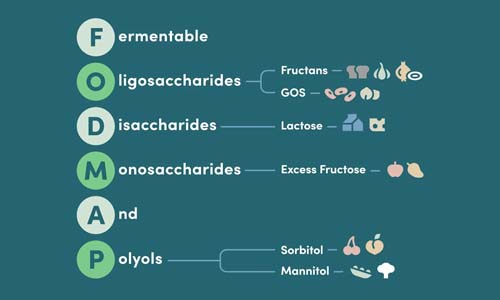
FODMAPs are fermentable carbohydrates that pull water into your intestines and feed gut bacteria rapidly, creating gas, bloating, and digestive discomfort in sensitive individuals. The main troublemakers include fructans (found in wheat and onions), galacto-oligosaccharides (in beans), lactose (in dairy), excess fructose (in some fruits), and polyols (sugar alcohols).
The low FODMAP diet involves a temporary elimination phase followed by systematic reintroduction to identify your personal triggers. It's not a permanent restriction but rather a diagnostic tool to help you understand which foods your gut handles well. If you're looking for more information on suitable vegetables, check out this thorough guide to low FODMAP vegetables.
Where Corn and Grits Sit on the FODMAP Spectrum
Corn's FODMAP status isn't automatically high or low, it depends on the form (fresh kernels versus cornmeal versus masa harina), the serving size, and what else you add to the dish. When we look at tested corn products like polenta and cornmeal in research databases, they show low FODMAP servings at reasonable portions. Masa harina, another corn derivative, also tests as low FODMAP in typical amounts.
The key insight for grits lovers: since grits are essentially coarsely ground corn cooked into porridge, they likely follow similar FODMAP patterns to these tested corn products. However, individual tolerance varies significantly, some people handle corn beautifully in any form, while others notice symptoms even with small amounts during sensitive periods.
Soluble vs Insoluble Fiber in Grits and IBS
Grits offer mainly starch with modest fiber content, typically more insoluble than soluble fiber. In plain terms, insoluble fiber acts like "roughage" that can speed digestion and sometimes irritate sensitive guts, while soluble fiber forms more of a "gel-like" texture that's often better tolerated in IBS.
The good news? Cooking grits until very soft and adding a bit of fat can make them feel gentler on your system, even though the fiber composition doesn't change. The extended cooking breaks down the corn's structure, creating that smooth, creamy texture that many of our customers find soothing during flare-ups.
| Grain Option | Fiber Type | Texture When Cooked | IBS Comfort Potential |
|---|---|---|---|
| Grits | Mostly insoluble | Smooth, creamy | Good when well-cooked |
| Oatmeal | High soluble | Gel-like, thick | Excellent for most |
Are Grits Low FODMAP? Serving Sizes, Types, and Label Red Flags
Evidence-Based Serving Sizes for Low FODMAP Grits
Research on cooked polenta and cornmeal suggests that approximately 255 grams cooked (roughly ¾ to 1 cup) represents a standard low FODMAP serving. For grits, we recommend translating this into kitchen-friendly guidelines: ¾ to 1 cup cooked grits as your target serving size.
During the elimination phase, start more conservatively with ½ cup cooked grits and slowly increase by ¼ cup increments every few days if symptoms stay calm. Remember that even low FODMAP foods can cause discomfort in oversized portions, those 2+ cup servings might push your total carbohydrate load beyond what feels comfortable, regardless of FODMAP content.
FODMAP Profile by Type of Grits
Stone-ground and old-fashioned grits typically contain just corn, making them FODMAP-safe when portion-controlled and plain. Quick grits follow a similar profile but undergo more processing, they're still mostly about portion control and what you add to them.
Instant flavored packets present higher risk due to added milk solids, sweeteners, or flavor enhancers that could contain FODMAPs. Hominy grits, made from nixtamalized corn similar to masa harina, also show low FODMAP potential in research, though we still recommend introducing them cautiously during elimination. For a curated selection of gut-friendly broths, try the Broth Sampler to enhance your grits without worry.
| Grits Type | Ingredient Simplicity | Cook Time | FODMAP Risk Level |
|---|---|---|---|
| Stone-ground | Very simple (1-2 ingredients) | 30-45 minutes | Low |
| Quick grits | Simple (1-3 ingredients) | 5-10 minutes | Low |
| Instant packets | Complex (5+ ingredients) | 1-2 minutes | High |
How to Read Grits Labels for Hidden FODMAPs
Start with a systematic label scan: First, check the ingredients list length, 1 to 3 ingredients is ideal. Look for pure corn grits or cornmeal without "natural flavors" that might include high FODMAP ingredients. Next, watch for added dairy like milk powder or whey, sweeteners such as honey or high-fructose corn syrup, and high FODMAP seasonings like garlic powder.
Red-flag words to avoid: "onion powder," "garlic powder," "natural flavors" (when undefined), "honey," "inulin," and "chicory root." If the label lists vague terms like "spices" or "flavorings" without specifics, treat it as unknown during elimination and choose a plainer option instead.
When Grits Are Not Low FODMAP
Even naturally low FODMAP grits can become problematic in specific scenarios. Very large portions (2+ cups cooked) can overwhelm your system regardless of FODMAP content. Making grits with regular milk and cream instead of lactose-free alternatives adds significant lactose load. Loading them with high FODMAP cheeses or sweetening with honey transforms a gut-friendly dish into a trigger food.
Restaurant and packaged versions often contain hidden culprits like garlic powder, onion powder, or rich stocks made with these aromatics. The solution? Ask restaurants specific questions about ingredients and cooking fats, order half portions, and at home, stick to plain, unflavored grits. Build your own flavor profile using Gourmend shelf-stable broth cartons and seasonings that deliver onion-like depth through chives, scallion greens, and leek greens without the FODMAP load.
Nutrition & Gut Feel – What Grits Offer on a Low FODMAP Diet

Basic Nutrition Snapshot of Grits
One cup of cooked plain grits provides approximately 180 calories, 38 grams of carbohydrates, 4 grams of protein, 1 gram of fat, and 2 grams of fiber. Grits are mostly complex carbohydrates with modest protein content and minimal fat unless you add it during cooking or serving.
How Grits Can Support IBS-Friendly Eating
Soft, bland, easily flavored starches like grits excel when your gut feels tender or when you need gentle, low-residue meals. For Gourmend customers, grits offer particular advantages: they're naturally gluten-free when made from pure corn, pair beautifully with lean proteins and low FODMAP vegetables for balanced meals, and work equally well for breakfast comfort or dinner sophistication. For more breakfast inspiration, explore these low FODMAP breakfast ideas that are gentle on digestion.
When to Be Cautious with Grits
Even low FODMAP grits might feel rough in certain situations:
- High-fat preparations loaded with butter, cream, or cheese
- Combining grits with several other higher-FODMAP foods in the same meal
- Rushed eating, poor chewing, or very late-night heavy portions
Simple tweaks help: use smaller servings plus extra protein, cook grits with additional liquid for ultra-creamy texture, or space out FODMAP-containing foods throughout the day rather than concentrating them in one meal. For more on the science behind the low FODMAP diet, see this external resource from the American Gastroenterological Association.
How to Cook Plain Low FODMAP Grits (Step-by-Step, Flavor-First)
Choosing the Right Grits and Liquid
Start with plain stone-ground or old-fashioned corn grits with no added flavors. For cooking liquid, combine water with a splash of Gourmend Chicken, Beef, or Vegetable Bone Broth for savory depth, or use water plus lactose-free milk for breakfast-style bowls. The ideal ratio is 4:1 liquid to grits for creamy texture, or 3:1 for thicker consistency. For a convenient way to sample different broths, try the Bone Broth Sampler Bundle and discover your favorite pairing.
Step-by-Step Method (with Timings)
Follow this precise method for consistently smooth grits:
- Bring 4 cups liquid to a gentle boil over medium-high heat
- Whisk in 1 cup grits slowly over 30-60 seconds to prevent clumps
- Reduce heat to low; simmer 20-30 minutes, stirring every 3-5 minutes
- Add extra liquid ¼ cup at a time if mixture becomes too thick or starts sticking
- Season during the last 5 minutes; let rest 3-5 minutes before serving
Properly cooked grits should feel creamy and smooth on your tongue with no gritty texture, this ensures easier digestion for sensitive stomachs.
Low FODMAP Flavor Boosters (No Onion, No Garlic)
Build bold flavor without high FODMAP aromatics using these additions: chive sprigs, green leek tops, garlic-chive stems, fresh herbs like thyme and parsley, smoked paprika, black pepper, chili flakes, and a finish of lemon juice or vinegar for brightness. A small amount of butter stays within tolerated serving sizes for most people. If you want to add savory depth, Organic Garlic Chive Salt is a delicious, low FODMAP option.
Gourmend broths and seasonings are specifically formulated to deliver onion-like and umami depth using chives, scallion greens, leek greens, oyster mushrooms, and nori, perfect for creating savory grits without any high FODMAP ingredients. For more on the clinical approach to FODMAPs, see this Low FODMAP Diet and Instructions PDF from UVA Health.
Building Low FODMAP Grits Bowls – Breakfast, Lunch, and Dinner
Low FODMAP Breakfast Grits Bowl
Create a balanced morning meal with ½ to ¾ cup cooked grits, one scrambled or fried egg cooked in garlic-infused oil (no garlic pieces), 1-2 tablespoons chopped chive sprigs or green leek tops, and a handful of sautéed spinach or baby kale. Top with a sprinkle of smoked paprika and a squeeze of lemon for brightness. For extra protein, add a few slices of grilled chicken breast or smoked salmon (if tolerated).
Savory Lunch or Dinner Grits Bowl
Layer ¾ cup cooked grits with grilled shrimp, seared tofu, or roasted chicken. Add roasted zucchini, bell peppers, or carrots (all low FODMAP in moderate servings). Drizzle with a spoonful of warmed Gourmend Chicken or Vegetable Bone Broth and finish with fresh parsley, black pepper, and a touch of garlic-chive stems for aromatic depth.
Sweet Low FODMAP Grits Bowl
For a gentle, sweet option, cook grits with lactose-free milk and a splash of vanilla extract. Top with sliced strawberries or blueberries (within low FODMAP serving sizes), a sprinkle of cinnamon, and a drizzle of maple syrup. Add toasted pumpkin seeds for crunch and extra nutrition.
For more inspiration and to convert your favorite recipes to low FODMAP, explore our Low FODMAP Recipes and try the Low FODMAP Recipe Conversion Tool for easy swaps and tips.
Frequently Asked Questions
Are plain corn grits safe to eat on a low FODMAP diet, and what serving size is recommended?
Yes, plain corn grits are generally safe on a low FODMAP diet when eaten in moderate portions. A typical serving of ½ to 1 cup of cooked grits is recommended to avoid triggering FODMAP-related symptoms.
How do common add-ins like milk, onion, or garlic affect the FODMAP status of grits?
Add-ins like regular milk, onion, or garlic can quickly increase the FODMAP content of grits, making them less gut-friendly. Using lactose-free milk and substituting onion or garlic with chive sprigs or green leek tops helps keep grits low FODMAP.
What types of grits are best suited for someone following a low FODMAP and gluten-free diet?
Plain, unflavored corn grits made from coarsely ground corn kernels are best for a low FODMAP and gluten-free diet. Avoid instant packets with added flavors or ingredients that may contain gluten or high FODMAP components.
How can I add flavor to low FODMAP grits without triggering IBS symptoms?
You can add flavor by cooking grits in low FODMAP broths like organic chicken bone broth and using aromatic substitutes such as chive sprigs or green leek tops. These options provide rich, umami depth without high FODMAP ingredients.