


1g Protein Calories: Complete Nutrition Guide

1g protein calories
What is 1g Protein Calories?
One gram of protein contains exactly 4 calories. This fundamental nutrition constant applies to all protein sources, whether from chicken, fish, legumes, or bone broth. Understanding 1g protein calories helps you calculate your daily protein intake, balance macronutrients, and support digestive health without overloading your system.
Unlike fats (9 calories per gram) and carbohydrates (4 calories per gram), protein's caloric density makes it an efficient building block for muscle repair, immune function, and satiety. If you manage IBS or follow a low FODMAP diet, tracking protein calories helps you meet nutrition needs while keeping meals gentle on your gut.
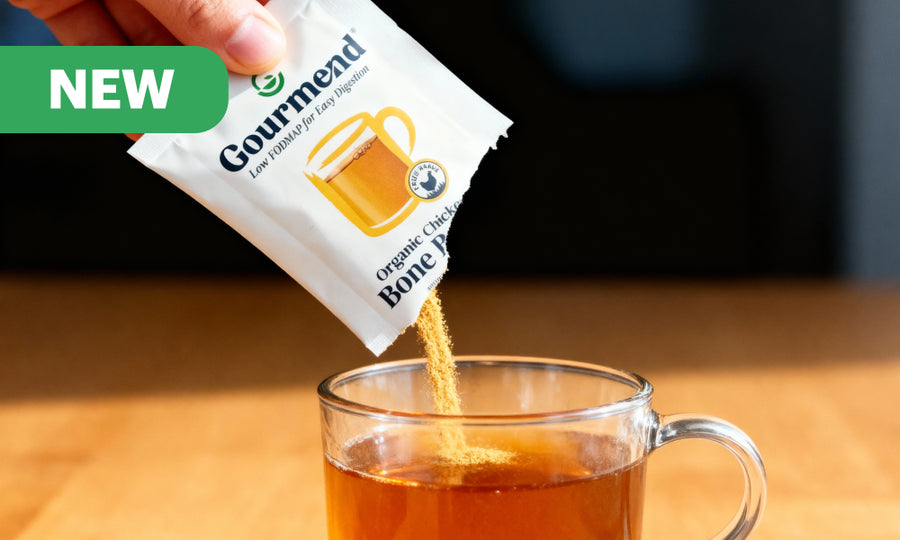
At Gourmend Foods, we design our bone broths to deliver clean protein without common digestive triggers. Our Chicken and Beef bone broths provide roughly 10g of protein per cup, translating to 40 calories from protein alone. This makes them a simple way to add nourishing protein to soups, grains, and braises without excess sodium or high FODMAP ingredients.
Benefits of Understanding Protein Calories

Precise macro tracking: Knowing that 1g protein calories equals 4 calories lets you reverse-engineer your meals. If you need 80g of protein daily, that's 320 calories dedicated to protein, leaving room for healthy fats and low FODMAP carbs like quinoa or rice.
Satiety without overload: Protein can keep you fuller longer than carbs or fats, without the caloric density of fat. A 6-ounce chicken breast (about 42g protein) delivers 168 calories from protein, supporting muscle maintenance while controlling overall calorie intake.
Gut-friendly meal planning: If you manage IBS, balancing protein calories with low FODMAP foods can help reduce bloating. Using Gourmend shelf-stable broth cartons as a cooking base adds 10g protein per cup, enriching dishes like risotto or braised greens without garlic or onion and without adding many calories.
Pro tip: To estimate your protein grams from a calorie target, divide protein calories by 4. Example: if you eat 2,000 calories daily and want 25% from protein, that's 500 calories, or 125g of protein.
How to Calculate Your Protein Needs
Start with body weight: A general guideline is 0.8g protein per kilogram of body weight for sedentary adults. Active individuals may need 1.2 to 2.0g per kilogram. Convert your weight to kilograms (divide pounds by 2.2), then multiply by your activity factor.
Apply the 4-calorie rule: Once you know your protein grams, multiply by 4 to find protein calories. Someone needing 90g protein daily requires 360 calories from protein sources.
Choose quality sources: Prioritize complete proteins like eggs, poultry, fish, and bone broth. Gourmend's broths use nori seaweed and oyster mushrooms for umami depth, delivering collagen-rich protein that supports joint health and helps many people tolerate meals more comfortably. Check out our Low FODMAP bundles for protein-rich meal ideas that won’t trigger symptoms for many IBS-sensitive eaters.
Frequently Asked Questions
How many calories are in 1g of protein?
One gram of protein contains exactly 4 calories. This applies universally across all protein sources, from animal proteins like chicken and fish to plant-based options like lentils and quinoa. This constant helps you calculate total protein calories by multiplying grams by 4.
Does cooking method change 1g protein calories?
No. The caloric value of protein remains 4 calories per gram regardless of preparation. Grilling, steaming, or simmering in Gourmend bone broth doesn’t change protein’s inherent calorie content, though cooking can change moisture and serving size.
How much protein should I eat daily for gut health?
Most adults need 0.8 to 1.2g protein per kilogram of body weight. For a 150-pound person (about 68 kg), that’s 54 to 82g daily, or 216 to 328 calories from protein. Spreading intake across meals can feel easier on digestion. Our bone broths add 10g protein per cup, which can support gentle, consistent protein intake throughout the day.
Can I track protein calories on a low FODMAP diet?
Yes. Tracking 1g protein calories works seamlessly with low FODMAP eating. Focus on proteins that are typically low FODMAP, like eggs, poultry, fish, firm tofu, and bone broth. Keep an eye on portions of higher FODMAP foods like chickpeas (often tolerated only in smaller servings) and cashews. Use our Low FODMAP Taco Seasoning to adapt favorite dishes while maintaining accurate protein counts.
Quick reference: Multiply your protein grams by 4 to find calories. A meal with 25g protein delivers 100 calories from protein alone, helping you balance your plate with low FODMAP vegetables and whole grains.
What's the best way to add protein without digestive upset?
Choose easily digestible, complete proteins. Gourmend's Chicken and Beef bone broths provide collagen-rich protein and add depth to soups, grains, and braises. At 10g protein per cup, they deliver 40 calories from protein without garlic or onion, which many IBS-sensitive eaters avoid. Learn more about digestive health here.
Protein Calorie Meal Planning Strategies
Build balanced plates: Distribute your protein calories across three main meals and optional snacks. A breakfast with two eggs (12g protein, 48 calories from protein) plus a cup of Gourmend bone broth (10g protein, 40 calories) sets a strong foundation. This approach can feel easier on digestion while keeping protein intake steady.
Batch cook with bone broth: Prepare grains like quinoa or rice in Gourmend shelf-stable broth cartons to infuse flavor. (Note: the exact protein added to the grains depends on how much broth is absorbed and how much is left behind.)
Track without obsessing: Use the 4-calorie rule as a quick mental check rather than rigid tracking. If your palm-sized chicken breast weighs about 4 ounces (about 28g protein), that’s around 112 calories from protein. Pair with roasted carrots and scallion greens for a complete low FODMAP meal. For general nutrition overview including carbohydrates, proteins, and fats, visit this resource.
Smart swaps: Replace higher FODMAP legumes with gut-friendly alternatives when needed. Instead of a larger portion of chickpeas, choose firm tofu. A 3-ounce serving of tempeh provides about 16g protein (64 calories) and is often easier for some people to tolerate than larger servings of beans.
Protein Quality Beyond Calories

Complete vs. incomplete proteins: While 1g protein calories stays constant at 4 calories, amino acid profiles differ. Animal proteins like fish, poultry, and bone broth contain all nine essential amino acids. Many plant proteins are lower in one or more essential amino acids, so pairing foods (like rice with lentils in an appropriate portion) can help round things out.
Collagen-rich sources: Gourmend's Chicken and Beef bone broths include collagen peptides that break down into amino acids like glycine and proline. While research is still evolving, many people use collagen-rich foods as part of a routine that supports joint comfort and digestive well-being. At 10g protein per cup, you get these proteins along with the standard 4 calories per gram calculation.
Digestibility matters: Not all protein foods feel the same for people with IBS. Bone broth and softer proteins can be easier to tolerate, while heavier, fattier cuts of red meat may sit poorly during flare-ups. When symptoms spike, consider white fish, eggs, or broth-based soups. Understanding fats and their calorie content is also important; read more about fats in teen diets here.
Maximizing Protein Efficiency
Timing your intake: Spreading protein across the day can be easier to digest. Many people do well aiming for roughly 20–30g per meal. Three meals with 25g protein each (100 calories from protein per meal) is often more comfortable than one large protein-heavy meal.
Pair with low FODMAP vegetables: Combine protein sources with gut-friendly vegetables like spinach, zucchini, or bell peppers. This supports fiber intake while keeping meals balanced.
Hydrate strategically: Adequate water intake supports digestion and can help prevent constipation, a common concern when increasing protein. Sipping bone broth can also add fluids and minerals along with protein.
Understanding 1g protein calories helps you build meals that satisfy hunger, support muscle health, and respect digestive sensitivity. Whether you're tracking macros precisely or estimating portions, the 4-calorie rule keeps things simple. Explore our Garlic Scape Sourdough Crackers for protein-rich inspiration that proves nutritious eating and gourmet flavor can coexist.