


1 Gram of Protein Is How Many Calories? Complete Guide

1 gram of protein is how many calories
1 Gram of Protein Equals 4 Calories: The Simple Answer
1 gram of protein is how many calories? Exactly 4 calories. This is a fixed nutrition constant, meaning every gram of protein you eat delivers 4 calories of energy to your body. Whether it’s chicken, lentils, or bone broth, the calorie count per gram stays the same.
Why Protein Packs 4 Calories Per Gram
Protein’s calorie value comes from its molecular structure. When your body breaks down amino acids (the building blocks of protein), it releases energy measured in calories. Scientists determined this through bomb calorimetry, a lab technique that measures heat released when food is burned. Unlike fat, which is energy-dense at 9 calories per gram, protein delivers moderate energy while supporting tissue repair and enzyme production.
Protein vs. Carbs vs. Fat: Quick Comparison
| Macronutrient | Calories Per Gram | Primary Function |
|---|---|---|
| Protein | 4 | Muscle repair, enzyme production, satiety |
| Carbohydrates | 4 | Quick energy, brain fuel |
| Fat | 9 | Long-term energy, hormone production |
| Alcohol | 7 | No nutritional function (empty calories) |
Common Confusion with Body Fat Calories
Many people confuse dietary protein calories with body fat calories. One pound of stored body fat equals roughly 3,500 calories, but that’s about weight-loss math, not protein’s calorie content. When you eat protein, your body uses it mainly for building and repairing tissues. Only excess protein beyond your needs gets converted to energy storage, and even then, the process uses additional energy.
How to Calculate Calories from Protein on Food Labels

Step-by-Step Guide to Macro Math
Reading nutrition labels becomes simple once you know the 4-calorie rule. Locate the “Protein” line (usually listed in grams), then multiply by 4. If a food contains 25 grams of protein, it delivers 100 calories from protein alone. This doesn’t account for total calories, which include carbs and fats, but it shows protein’s contribution to your daily intake.
Real-World Example with a Sample Label
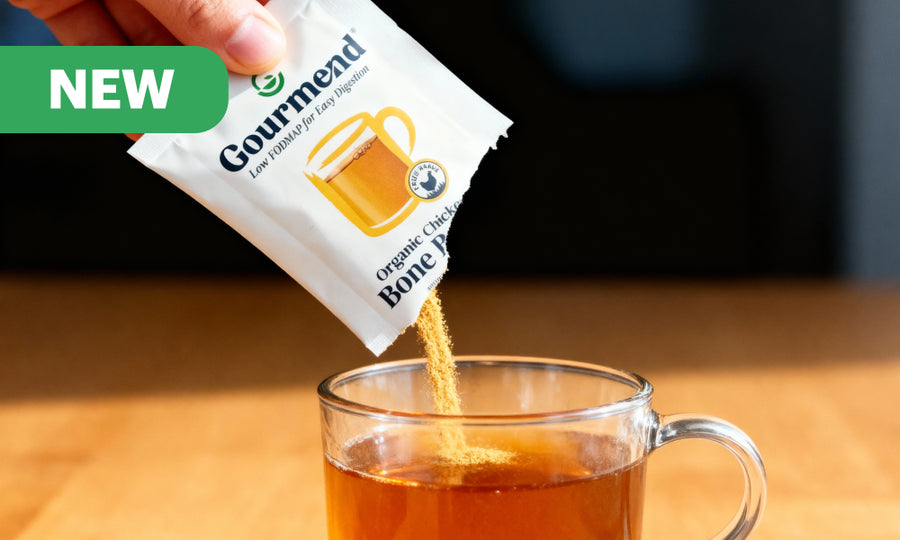
Let’s examine a cup of Gourmend Organic Chicken Bone Broth. The label shows 10 grams of protein per serving. Multiply 10 × 4 to get 40 calories from protein. The total calories listed might be 45, meaning the remaining 5 calories come from small amounts of carbs or fat. This transparency helps you track macros accurately, especially if you’re balancing protein for muscle goals or managing digestive comfort with low FODMAP eating.
Label Reading Tip: Total calories on a label should roughly equal (protein grams × 4) + (carb grams × 4) + (fat grams × 9). Small discrepancies can occur due to rounding or fiber (which can change how total carbs are calculated).
Tools and Tips for Accurate Tracking
Use a food scale for precision. Measuring cups can underestimate portions, especially with dense proteins like chicken or tofu. Apps like MyFitnessPal or Cronometer automate the math, but understanding the 4-calorie rule lets you verify entries. For gut-friendly cooking, check out our low FODMAP recipes where we’ve already done the macro calculations for you.
Your Daily Protein Needs: How Much and Why It Matters
Recommended Intake by Body Weight and Goals
General guidelines suggest 0.8 grams of protein per kilogram of body weight for sedentary adults (about 0.36 grams per pound). Active individuals or those building muscle often do well with 1.2 to 2.2 grams per kilogram. A 150-pound person aiming for muscle maintenance might target 80–100 grams daily, translating to 320–400 calories from protein. Adjust based on activity level, age, and health goals.
Protein’s Role in Muscle Repair and Satiety
Protein helps trigger satiety hormones, keeping you fuller longer than carbs or fats for many people. After exercise, amino acids help repair micro-tears in muscle tissue, promoting recovery and adaptation. For those managing IBS or digestive sensitivities, protein sources matter. Clean options like bone broth can be easier to tolerate, especially when made without onion or garlic bulbs.
Balancing Macros for Overall Health
Protein shouldn’t dominate your plate at the expense of other nutrients. A balanced approach might look like 25–30% of calories from protein, 45–55% from carbs, and 20–30% from healthy fats. This ratio supports energy and overall nutrition. For gut comfort, prioritize low FODMAP carbs like quinoa or rice alongside clean proteins. Learn more about the roles of carbohydrates, proteins, and fats in balanced nutrition.
Best Low FODMAP Protein Sources for Gut-Friendly Eating
Top Protein Picks That Support Digestion
Not all protein sources treat your gut equally. Chicken, turkey, and fish provide complete amino acid profiles without common FODMAP triggers. Eggs deliver about 6 grams of protein each and are generally well tolerated. Firm tofu (about a 1/3-cup serving) and tempeh (small portions) can work for plant-based eaters. Canned lentils, rinsed thoroughly, may be tolerated at about 1/3 cup or less. Quinoa and oats add plant protein while staying gentle for many sensitive systems. Skip protein powders with inulin, chicory root, or whey concentrate, which can contain hidden FODMAPs.
Gourmend Bone Broths: Clean Protein Boosters
Gourmend Organic Chicken Bone Broth delivers 10 grams of collagen-rich protein per cup with zero onion or garlic bulbs. Made from organic, free-range chicken bones simmered with scallion green tops, carrots, celery, leek green tops, chives, and parsley, it provides easily absorbed amino acids that can be gentle on digestion. Unlike many boxed broths that use yeast extract or fillers, our shelf-stable cartons use recognizable ingredients. Use it as a base for soups, cook grains in it for extra protein, or sip it warm as a 40-calorie snack that counts toward your daily protein goals.
Protein Math in Action: A bowl of quinoa (8 g protein) cooked in Gourmend broth (10 g protein) with grilled chicken (25 g protein) delivers 43 grams total. That’s 172 calories from protein alone.
Sample Meal Ideas with Low FODMAP Twists
Build a breakfast scramble with two eggs, spinach, and lactose-free cheese, cooked with a splash of broth instead of butter. For lunch, toss grilled shrimp over rice noodles with bok choy and a drizzle of garlic-chive-infused oil (made with our Garlic Chive Powder). Dinner could feature baked salmon with roasted carrots and mashed potatoes seasoned with Green Onion Powder for onion-like depth. Each meal keeps protein high while respecting your gut’s boundaries. Find complete recipes at our low FODMAP recipe collection.
Protein Myths Busted and Pro Tips for Success

Does All Protein Really Give Exactly 4 Calories?
The 4-calorie rule is a standardized average, not a precise measurement for every food in every body. Your body expends energy digesting protein through the thermic effect of food (TEF). Protein has a higher TEF than carbs or fat (often cited around 20–30%), meaning a portion of its energy is used during digestion and processing. This doesn’t change label math, but it helps explain why higher-protein eating patterns can support appetite control for many people. This is supported by early research findings such as those published in studies on protein thermogenesis.
Tracking Tips for Weight Goals and Gut Health
Weigh protein portions raw for consistency, since cooking changes water weight but not the amount of protein. Prioritize whole foods over processed options, which can hide FODMAPs in seasonings or binders. If tracking macros feels like too much, aim for a palm-sized portion of protein at each meal (often around 20–30 grams). For digestive comfort, spread protein across the day rather than loading it into one meal.
Build Your Plate with Gourmend Staples
Stock your pantry with Gourmend shelf-stable broth cartons and our trio of low FODMAP seasonings: Garlic Scape Powder, Green Onion Powder, and Garlic Chive Powder. These staples let you add big flavor to proteins without triggering symptoms. Try our recipe conversion tool to transform your favorite dishes into gut-friendly versions. When you know 1 gram of protein is how many calories (always 4), you can build meals that support your goals and your digestion.
Protein Quality and Absorption: What Really Counts
Complete vs. Incomplete Proteins Explained
Complete proteins contain all nine essential amino acids your body can’t make. Animal sources like chicken, fish, eggs, and bone broth qualify as complete. Many plant proteins are lower in one or more essential amino acids, though quinoa and soy are notable exceptions. All protein still provides 4 calories per gram regardless of source, but protein quality can affect how well it supports muscle maintenance. You can also pair plant proteins across the day (like rice and lentils) to cover your amino acid needs.
Bioavailability and Digestion Speed
Your body absorbs different proteins at varying rates. Whey protein digests quickly, while chicken and fish digest more steadily. Bone broth contains collagen peptides that are often easy to digest. Plant proteins can be harder for some people to tolerate, and digestion may vary depending on the food and your gut health. If you have IBS, pay attention to how your body responds and choose options that feel best for you. Detailed nutritional analyses such as those summarized in scientific reviews on protein quality can provide further insight.
Absorption Reality Check: A label showing 20 grams of protein still equals 80 calories mathematically, but the amount your body can use for muscle repair can vary based on the food and your digestion.
Protein Timing for Optimal Results
Many people do best distributing protein across three to four meals rather than saving most of it for dinner. Muscle protein synthesis tends to respond well to moderate doses per meal (commonly cited around 20–40 grams), spaced a few hours apart. Morning protein can help some people feel steadier through the day. If you’re gut-sensitive, smaller protein servings more often may feel easier than one very large portion.
Special Considerations for Different Life Stages
Protein Needs for Aging Adults
Adults over 50 often benefit from higher protein intake to help counter age-related muscle loss (sarcopenia). Many researchers suggest around 1.0–1.2 grams per kilogram of body weight, though individual needs vary. Since digestion and appetite can change with age, choosing easy-to-tolerate, high-quality proteins can help. A 160-pound adult might target about 75–90 grams daily, translating to 300–360 calories from protein, spread across meals.
Protein During Pregnancy and Nursing
During pregnancy and nursing, protein needs often rise. Many guidelines cite an increase of roughly 25 grams per day during later pregnancy and about 20 grams per day while nursing, though needs vary by person. If you’re pregnant or breastfeeding and managing digestive symptoms, gentle options like eggs, fish, poultry, and Gourmend bone broths can be a practical way to add protein. Always check in with your clinician for individualized advice.
Athletes and High-Intensity Training
Endurance athletes often aim for about 1.2–1.4 grams per kilogram, while strength-focused athletes commonly land in the 1.6–2.2 grams per kilogram range. A 180-pound strength athlete might eat about 180 grams per day (720 calories from protein alone). Pairing protein with low FODMAP carbs like rice or potatoes can support training while staying gentler on digestion.
Putting Your Protein Knowledge Into Practice

Building Sustainable Protein Habits
Start by estimating your protein target using body weight and activity level. Divide that number by three or four to set per-meal goals. Prep proteins weekly: grill chicken breasts, hard-boil eggs, portion tofu, or keep Gourmend shelf-stable broth cartons on hand for quick soup bases. Log your intake for a week to spot gaps. Many people underestimate portions; a true 4-ounce chicken breast is often smaller than restaurant servings.
Gut-Friendly Protein Strategies That Work
Pair proteins with low FODMAP vegetables to build balanced meals. Season with our certified low FODMAP powders: Garlic Scape Powder for mild garlic notes, Green Onion Powder for savory depth, or Garlic Chive Powder for a punchy finish without common triggers. Cook grains in bone broth instead of water to add protein. When dining out, request plain grilled proteins and ask for sauces on the side to limit hidden FODMAPs.
Final Takeaway: Mastering Protein and Calories
Understanding 1 gram of protein is how many calories (always 4) helps you make smarter choices with labels and meal planning. Whether you’re building muscle, managing weight, or eating low FODMAP for IBS, protein amount and protein source both matter. Choose clean options that fit your tolerance, measure portions when you can, and spread your intake across meals. With Gourmend Foods staples in your kitchen, you can hit your protein targets while keeping flavor front and center.