


What Does 100 Grams of Protein Look Like? Easy Visual Guide 2026

100 grams protein look like
What Does 100 Grams of Protein Look Like?
Hitting 100 grams of protein daily sounds straightforward until you're staring at your plate, wondering if you're even close. The truth is, 100 grams protein look like very different amounts depending on your source: a hefty pile of chicken breast, a stack of eggs, or a modest scoop of protein powder. Understanding these visual cues turns abstract nutrition goals into actionable meal planning.
One hundred grams of protein equals roughly 14 ounces of cooked chicken breast, 15 large eggs, or 1.5 pounds of cooked lentils. Most people do best spreading this across 3–4 meals. A typical dinner plate holding a palm-sized chicken breast (about 6 ounces cooked) delivers around 50 grams, so you'd need two similar portions across the day.
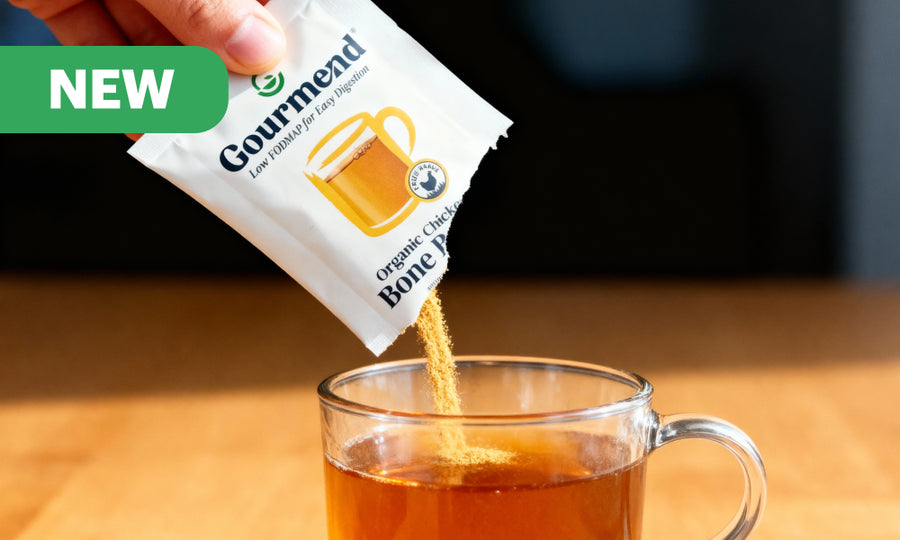
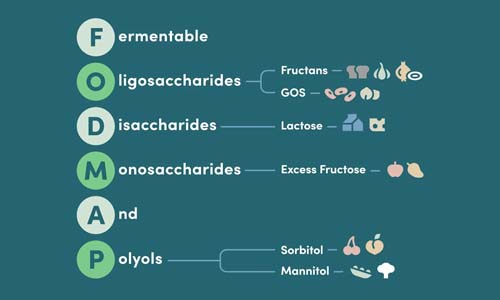
If you manage digestive sensitivities, protein choices matter beyond the numbers. Lean poultry, fish, and properly portioned legumes (many low FODMAP plans cap lentils at about ⅓ cup cooked per serving) can be gentler than processed protein bars made with sugar alcohols. Building meals around Gourmend Foods Organic Beef Bone Broth can add collagen protein per cup while keeping ingredients clean and simple.
Benefits of Meeting Your Protein Goals

Consistently consuming adequate protein can support body composition and daily energy. Muscle preservation during weight loss is a common benefit: research suggests people who eat roughly 1.2–1.6 grams per kilogram of body weight tend to retain more lean mass than those eating very low protein. For a 150-pound person, that's about 82–109 grams per day.
Protein can also support appetite control. A breakfast containing around 30 grams of protein may help you feel fuller for longer, which can make snacking less tempting.
Digestive comfort often improves when you choose simpler, minimally processed sources. Clean proteins paired with gut-friendly broths can make meals feel satisfying without the heaviness some people get from ultra-processed options. Simmering proteins in Gourmend shelf-stable broth cartons adds flavor while keeping meals free from garlic and onion—common triggers for sensitive individuals.
Practical Protein Portions
Visualizing protein servings can help prevent both undereating and overshooting your targets. Animal proteins are more concentrated: a deck-of-cards-sized chicken breast (about 4 ounces cooked) provides roughly 35 grams, while the same portion of salmon delivers about 30 grams plus omega-3s.
Plant proteins usually require more volume, but they bring fiber and micronutrients. One cup of cooked quinoa has about 8 grams, so you'd need meaningful portions across meals. Firm tofu is a middle ground at roughly 20 grams per cup, depending on the brand.
Building meals by combining sources adds up quickly: scrambled eggs (about 12 grams per two eggs) with turkey sausage (around 14 grams per two links, depending on the product) lands near 26 grams at breakfast. Lunch with grilled chicken over greens plus a cup of bone broth can bring you close to your daily goal, leaving a manageable amount for dinner and snacks.
Daily Protein Distribution
Timing idea: Breakfast (30g), lunch (30g), dinner (30g), and one snack (10g) is a practical way to spread intake. Spacing meals about 3–4 hours apart can help you distribute protein more evenly.
Breakfast foundations: A three-egg omelet with turkey (about 28g) plus Greek yogurt (about 15g) starts the day with around 43 grams. Cooking eggs with a splash of bone broth adds moisture and a small boost without needing extra butter or oil.
Lunch combinations: A grilled chicken salad (about 40g from 6 ounces of chicken) with chickpeas (about 7g per ½ cup) reaches roughly 47 grams. Warm the greens slightly with heated Gourmend Organic Beef Bone Broth for a savory dressing alternative.
Dinner simplicity: A palm-sized salmon fillet (about 35g) with quinoa (about 8g per cup) and steamed vegetables creates a meal near 43 grams. You can poach fish in broth with leek greens and fresh herbs for big flavor without garlic and onion.
Protein Quality Matters for Digestion
Not all protein sources feel the same in your gut. Complete proteins (meat, fish, eggs, dairy) contain all nine essential amino acids. Many plant proteins are incomplete, so people often combine sources across the day.
Lean proteins are often easier to tolerate. Skinless poultry, white fish, and properly portioned legumes can feel lighter than higher-fat or heavily breaded options. If you're sensitive to wheat or fried foods, coatings and oils can add to discomfort.
Bone broth can be a helpful option for some people because it contains collagen-related amino acids like glycine and proline. While it isn't a cure, many find it an easy-to-digest way to add protein and warm, savory hydration.
Preparation methods change texture and tolerance. Slow-cooking tough cuts in broth breaks down connective tissue into gelatin, which can make meals feel gentler. Quick-cooking methods like grilling work well for naturally tender cuts.
Building Protein-Rich Meals

A simple plate template helps: one quarter lean protein, one quarter complex carbs, and half non-starchy vegetables. A 6-ounce chicken breast can fill that protein section while delivering about 50 grams, leaving room for sides that contribute smaller amounts.
Layer proteins when it makes sense. A grain bowl with grilled shrimp (about 24g per 4 ounces) over quinoa (about 8g per cup) and roasted vegetables, finished with tahini (about 3g per tablespoon), totals around 35 grams.
Soups can concentrate protein in a digestible format. Simmer shredded chicken (about 40g from 6 ounces) in a Gourmend shelf-stable broth carton with rice noodles and bok choy. Two cups of a chicken-forward soup like this can deliver a satisfying amount of protein in one bowl.
Meal Prep Strategies for Consistent Protein
Batch cooking proteins on Sunday can cut decision fatigue. Roast three pounds of chicken thighs (yielding roughly 300 grams of protein total, depending on yield) and portion into five-ounce servings. Each container can land around the low-40-gram range.
Pre-portioned proteins prevent overestimation. Weigh cooked portions right after cooking while tracking becomes a habit. A food scale is inexpensive and often shows that eyeballed “palm-sized” servings can miss your target. A few weeks of weighing can train your eye.
Freeze individual portions in broth to help them stay moist. Submerge cooked chicken or turkey in Gourmend Organic Beef Bone Broth before freezing, then thaw overnight in the refrigerator and warm gently for tender, reheated protein.
Prep efficiency: Cook proteins in large batches using broth as the cooking liquid. The same broth that poaches chicken can become a base for soups, keeping ingredients clean and adding extra protein per cup.
Adjusting Protein for Your Activity Level
Sedentary adults generally need less protein than athletes. The baseline of 0.8 grams per kilogram of body weight (about 55 grams for a 150-pound person) helps prevent deficiency, while many active individuals do better with higher intakes. People training 4–5 days per week often aim around 1.6–2.2 grams per kilogram, which would put that same person closer to 110–150 grams per day.
Strength training can raise needs more than cardio because muscle repair requires amino acids. Many people aim for a post-workout meal with 30–40 grams within a couple of hours. Grilled fish with roasted vegetables and a cup of bone broth can fit that range.
Older adults may also benefit from higher protein. After age 50, muscle loss can accelerate without enough protein and resistance exercise. Some research suggests about 1.2–1.5 grams per kilogram supports muscle maintenance better than standard recommendations, which is why 100 grams protein look like a reasonable daily target for many people.
Common Protein Mistakes to Avoid

Loading most of your protein into dinner can make the rest of the day harder to plan. Many people find it easier to hit their target when they distribute protein across meals instead of relying on one oversized portion at night.
Ignoring protein quality can also backfire on digestive comfort. Processed meats, bars made with sugar alcohols, and fried preparations can be common triggers for bloating. Cleaner protein sources paired with vegetables and well-tolerated carbs tend to sit better for many people.
Skipping liquid options can mean missing an easy boost. One cup of quality bone broth adds protein while supporting hydration. Sip it between meals or use it to cook grains so you add protein without forcing down another full portion of meat.
Making Protein Goals Sustainable
Meeting 100 grams per day gets easier once you establish repeatable meals. Stock versatile proteins like frozen chicken breasts, canned wild salmon, eggs, and shelf-stable bone broth so you can build high-protein meals fast.
Rotate protein sources to avoid boredom and keep your week interesting. Monday's chicken can become Tuesday's fish and Wednesday's eggs, each bringing different nutrients alongside protein.
Build meals around broth-based cooking when you want something gentle. Poaching proteins in Gourmend shelf-stable broth cartons adds flavor while avoiding garlic and onion. Gourmend uses leek and scallion tops for a similar savory profile, which can be helpful for people following a low FODMAP approach.
If you track intake briefly, you'll start to recognize what 100 grams protein look like across your go-to foods. Over time, you’ll be able to plan meals visually and still land close to your target. When readers ask me 100 grams protein look like in real life, this is the skill I’m aiming to teach: repeatable portions you can spot without doing constant math.