



Vegetable Broth vs Stock: What’s the Difference (and Which Should You Use)?

vegetable broth versus stock
Making delicious food that also respects your digestive system can feel like a culinary tightrope walk. For many, the kitchen is a sanctuary for flavor and creativity, but for those navigating sensitivities, it can sometimes feel like a minefield. Understanding the building blocks of our meals is the first step toward confident cooking. Among these fundamental elements are broths and stocks, liquids that form the soul of countless dishes, from comforting soups to savory sauces. But what exactly sets them apart, especially when we're talking about plant-based foundations?
Key Takeaways
- Vegetable broth and stock differ mainly in ingredient ratios and cooking time, not meat content, so plant-based cooks should focus on the flavor intensity and body each provides.
- A stock made with roasted vegetables and longer simmering yields a richer, more gelatinous base that adds depth to sauces and stews without relying on animal products.
- For sensitive stomachs, a clear vegetable broth with fewer heavy spices and shorter cook times is often easier to digest while still delivering savory comfort.
- Choosing between them comes down to your dish: use broth when you want a lighter, sippable foundation and stock when you need a sturdy backbone for hearty recipes.
The distinction between vegetable broth and vegetable stock often causes confusion, leading home cooks to wonder which to select for their recipes or if one is inherently superior to the other. While the terms are frequently used interchangeably, especially in the context of plant-based cooking, there are nuanced differences in their preparation, composition, and intended culinary applications. Grasping these distinctions can elevate your cooking from good to genuinely gourmet, ensuring you achieve the precise depth and character you desire in every dish. Let's break down what makes vegetable broth and vegetable stock unique.
Vegetable Broth vs Vegetable Stock: What’s Actually Different?
Defining Vegetable Stock: A Purpose-Built Foundation
Vegetable stock is crafted with a specific purpose: to serve as a neutral, flavorful base for a wide array of culinary creations. Its preparation involves simmering a variety of vegetables, often including aromatic mirepoix components like carrots, celery, and leek greens, along with other roots and herbs, in water for an extended period. The goal here is to extract deep, foundational flavors and body from the vegetables. Unlike its animal-based counterpart, vegetable stock doesn't rely on bones for collagen or richness; instead, its depth comes from the slow simmering process that breaks down vegetable cell walls, releasing starches and sugars. Traditionally, vegetable stock is unsalted during preparation, allowing chefs complete control over the final seasoning of a dish. This makes it an ideal canvas for building complex flavors in soups, stews, risottos, and sauces, where it acts as a silent partner, providing a savory undertone without imposing a dominant taste.
Defining Vegetable Broth: A Ready-to-Sip Seasoned Liquid
Vegetable broth, on the other hand, is typically created with a shorter simmer time and is often seasoned during the cooking process. Think of it as a lighter, more readily consumable liquid that can stand on its own. While it uses similar vegetables to stock, the extraction isn't pushed to the same limits. Broth is often seasoned with salt and sometimes herbs or spices, making it suitable for sipping straight from a mug or as a quick flavor base. Our Organic Chicken Bone Broth | Low FODMAP & Unsalted, though a bone broth, exemplifies the principle of a carefully seasoned (or intentionally unsalted, allowing customization) liquid ready for immediate culinary use or sipping. Vegetable broth can be thought of as a more finished product, ready to add immediate flavor and moisture to dishes without requiring extensive additional seasoning. Its lighter body and inherent seasoning make it a convenient choice when time is short or when a less concentrated vegetable flavor is desired.
Quick Comparison Chart: Vegetable Stock vs Vegetable Broth
To quickly summarize the key differences, consider this chart:
| Feature | Vegetable Stock | Vegetable Broth |
|---|---|---|
| Primary Goal | Flavor base for cooking | Flavoring for cooking or sipping |
| Simmer Time | Longer (e.g., 1-4 hours, depending on source, with some suggesting even longer for bone stock) ¹ | Shorter (e.g., 30 minutes - 2 hours) |
| Seasoning | Typically unsalted, allowing for custom seasoning | Often seasoned with salt and herbs during cooking |
| Body/Richness | Deeper, more extracted vegetable flavor; can have more body from starches | Lighter body, more delicate flavor profile |
| Intended Use | Sauces, risottos, gravies, stews, braises | Soups, sipping, quick sauces, adding moisture to dishes |
| Ingredient Focus | Emphasis on a broad spectrum of vegetables for foundational flavor | Balanced flavor, often with aromatics and seasoning |
The Flavor Factor: Why Vegetable Stock Isn’t Just Unseasoned Broth

When to Reach for Stock (and When Broth Shines)
The choice between vegetable stock and vegetable broth often hinges on the desired outcome for your dish. Vegetable stock is your go-to when you need a neutral, yet deeply savory, foundation upon which to build complex flavors. Its power lies in its versatility; it can impart a rich vegetable essence without dominating other ingredients. This makes it perfect for recipes where you want the core flavors of, say, mushrooms, lentils, or grains to shine through, supported by a subtle but present vegetable undertone. Think of a creamy risotto, a rich mushroom gravy, or a hearty lentil soup. These dishes benefit from the profound, extracted character of a well-made stock. It’s the secret weapon for creating mouthwatering depth.
Conversely, vegetable broth shines when simplicity and immediate flavor are key. If you're making a light vegetable soup, deglazing a pan, or simply want a warm, nourishing drink, broth is often the better choice. Its inherent seasoning means it's ready to go, providing a pleasant taste profile right out of the container. When you need to add moisture and a hint of savory goodness to quinoa or rice without altering the main flavors of your meal, broth is ideal. It’s the convenient, ready-to-use option that still delivers quality taste. Understanding this culinary purpose is key to mastering your kitchen, whether you're using homemade creations or high-quality store-bought options.
Can You Substitute One for the Other? A Practical Guide
The question of substitution, particularly "can I use vegetable stock instead of broth?", is a common one. The short answer is usually yes, but with a few considerations. If a recipe calls for vegetable broth and you only have vegetable stock, you can generally make the switch. Because stock is typically unsalted, you will need to add salt to the recipe to achieve the intended flavor balance. You might also find the flavor of the stock is more pronounced than intended, so it’s wise to taste and adjust seasoning as you go. On the other hand, if a recipe calls for stock and you only have seasoned vegetable broth, proceed with caution. The added salt and seasonings in the broth might make your dish too salty or alter its flavor profile. In such cases, it’s best to reduce or omit any additional salt and other seasonings the recipe calls for, and taste frequently to ensure the flavors are harmonious. For dishes where a clean, neutral base is paramount, using the specified type is always best.
How Simmer Time Changes the Taste and Texture
The duration for which vegetables are simmered significantly impacts the final taste and texture of both stock and broth. For vegetable stock, a longer simmer time, typically ranging from one to four hours (or even longer in some culinary traditions for bone-based stocks ¹), allows for more thorough extraction of flavors, minerals, and starches from the vegetable solids. This extended cooking breaks down cell walls more effectively, creating a richer, more intensely flavored liquid with a slightly thicker mouthfeel due to the released starches. This depth is what makes stock an excellent base for sauces and stews. Conversely, vegetable broth is usually simmered for a shorter period, perhaps 30 minutes to two hours. This results in a lighter, more delicate flavor profile and a thinner consistency. The shorter time means fewer starches are released, and the flavors remain fresher and less concentrated, making it ideal for lighter applications or when a subtle vegetable note is desired. The difference in simmer time is a primary factor distinguishing the character of stock from broth.
Low FODMAP Vegetable Stock: Building Flavor Without Onion and Garlic
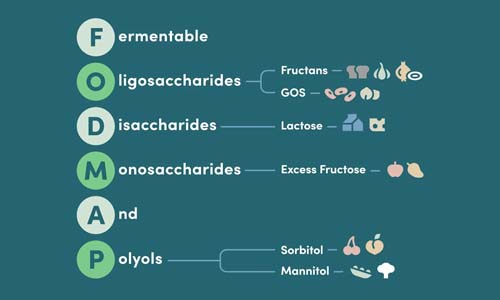
For anyone navigating digestive sensitivities, the vegetable broth versus stock conversation takes on an added layer of complexity. Many home cooks discover that their favorite store-bought or homemade vegetable bases leave them feeling uncomfortable, and the culprit is often hiding in plain sight: onion and garlic. These two alliums form the backbone of most traditional stock and broth recipes, providing that savory depth cooks rely on. Yet for those with IBS or other functional gut disorders, they are among the most common high FODMAP triggers, capable of causing bloating, gas, and discomfort even in small amounts. This reality forces many to abandon homemade stocks altogether or settle for bland, under-seasoned alternatives that lack culinary appeal.
The good news is that achieving a richly flavored vegetable stock without these triggers is not only possible but can produce results that rival any traditional recipe. The key lies in understanding which aromatic vegetables and herbs can stand in for onion and garlic, and how to extract their flavors effectively. By rethinking the ingredient list and simmering technique, you can create a low FODMAP vegetable stock that serves as a versatile foundation for soups, stews, grains, and sauces. This approach allows you to reclaim the joy of cooking from scratch without compromising your digestive comfort.
Why Traditional Stocks Are a Trigger for Sensitive Guts
Traditional vegetable stock recipes almost invariably begin with a mirepoix of onions, carrots, and celery. Onion bulbs, whether yellow, white, or red, contain fructans, a type of oligosaccharide that is poorly absorbed in the small intestine and rapidly fermented by gut bacteria. Garlic bulbs are similarly rich in fructans. When these vegetables are simmered for an extended period, their FODMAP content leaches into the cooking liquid, concentrating as the stock reduces. The result is a flavorful base that, for sensitive individuals, can trigger symptoms within hours. Even stocks labeled "low FODMAP" at stores may still contain onion or garlic powder, which concentrates these compounds further. The simmering process that builds depth in traditional stock also builds a hidden burden for your gut, making label reading and ingredient selection essential for those committed to digestive wellness.
Aromatic Alternatives: Leek Greens, Chives, and Garlic Scapes
Fortunately, nature provides a palette of aromatic ingredients that deliver the savory, onion-like depth you crave without the FODMAP load. Leek greens (the dark green tops, not the white bulbs) are a powerhouse of flavor with minimal FODMAP content. They bring a mild, sweet allium character that forms an excellent base for stock. Chives, whether fresh or dried, add a gentle oniony note that brightens any broth. Green onion tops (the green parts only) are another excellent option, providing a clean, grassy allium flavor. For a more complex savory note, consider garlic scapes, which are the green shoots of garlic plants. Unlike garlic bulbs, scapes are low in FODMAPs and offer a subtle garlic essence without the gut-irritating fructans. Sea vegetables like kombu or nori seaweed add umami depth, while oyster mushrooms contribute a meaty, savory quality. Combining these ingredients allows you to build a layered, gourmet stock that rivals any traditional recipe.
Key Insight: The green parts of leeks and scallions are low FODMAP and can be used generously in stocks. The white bulbs are high FODMAP and should be avoided. Similarly, garlic scapes (the green shoots) are low FODMAP, while garlic cloves are not. Understanding these distinctions allows you to cook with confidence.
Gourmend's Approach: Clean, Organic, and Monash Certified
At Gourmend, we believe that gut-friendly cooking should never require sacrificing flavor. Our entire product line, including our Organic Chicken Bone Broth | Low FODMAP & Unsalted, is crafted with these principles in mind. We use scallion green tops, leek green tops, and chives in place of onion and garlic bulbs, ensuring our broths deliver deep, savory flavor without the digestive triggers. Our vegetable broth follows the same philosophy, using only low FODMAP ingredients and skipping high FODMAP alliums entirely. Every Gourmend product is certified low FODMAP by Monash University, the world's leading authority on FODMAP research, and all are organic, filler-free, and preservative-free. As a Certified B Corporation, we hold ourselves to the highest standards of ingredient transparency and environmental stewardship. For our customers, this means reaching for a Gourmend broth is a choice for both culinary excellence and digestive peace of mind.
From Scraps to Stock: A Zero-Waste Guide (Low FODMAP Style)
One of the most rewarding aspects of making homemade vegetable stock is the opportunity to reduce kitchen waste while creating something deeply flavorful. The vegetable broth versus stock distinction becomes less important when you are in control of the ingredients, and a zero-waste approach lets you transform vegetable trimmings into a valuable culinary asset. For low FODMAP cooks, this practice requires a bit of planning to avoid trigger ingredients, but the payoff is substantial: a custom-blended stock that costs nearly nothing and tastes far superior to most commercial options. This approach also aligns with Gourmend's sustainability ethos, turning what would be discarded into a nourishing foundation for future meals.
Which Vegetable Scraps Work Best (and Which to Avoid)
Building a low FODMAP scrap stock starts with knowing which vegetable trimmings contribute flavor and which introduce unwanted FODMAPs. Excellent choices include carrot peels and ends, celery tops and leaves, leek greens (the dark tops only), green onion tops, fennel fronds and cores, zucchini ends, bell pepper cores (seeds removed), and the tough outer leaves of cabbage or bok choy. Herb stems from parsley, thyme, rosemary, and oregano add aromatic complexity. Mushroom stems, especially from oyster or shiitake mushrooms, provide umami depth. On the avoid list: onion skins and root ends, garlic skins, the white and pale green parts of leeks and scallions, and any vegetable that is past its prime or showing signs of spoilage, as these can introduce off flavors. Avoiding these high FODMAP scraps ensures your stock remains gentle on digestion while still achieving savory richness.
How to Store and Use Scraps for Consistent Stock
To make scrap stock a regular part of your cooking routine, establish a simple storage system. Keep a resealable bag or container in your freezer labeled "Stock Scraps." As you prep vegetables throughout the week, add acceptable trimmings directly to this container. Carrot peels, celery ends, leek greens, herb stems, and other approved scraps accumulate quickly. When the container is full, you have enough material for a batch of stock. For consistent results, try to maintain a balanced ratio of about 40% aromatic base (carrot, celery, leek greens), 30% savory add-ins (mushroom stems, fennel, bell pepper), and 30% herbs and secondary vegetables. This balance ensures your stock is neither too sweet, too grassy, nor too bitter. Frozen scraps can be added directly to the pot without thawing, making the process seamless and efficient.
A Simple Low FODMAP Vegetable Stock Recipe Using Scraps
Low FODMAP Scrap Stock
Yield: Approximately 6 cups | Active time: 10 minutes | Simmer time: 1 hour
- Gather your scraps: Collect about 4 cups of frozen vegetable scraps, prioritizing carrot peels, celery ends, leek greens, green onion tops, fennel trimmings, and herb stems. Avoid any onion or garlic material.
- Combine in a pot: Place the frozen scraps in a large stockpot or Dutch oven. Add 8 cups of cold filtered water, enough to cover the vegetables by about an inch.
- Add aromatics (optional): For extra depth, include a few whole black peppercorns, a bay leaf, and a strip of kombu or a small piece of nori for umami. Do not add salt yet.
- Simmer gently: Bring the pot to a gentle boil over medium-high heat, then reduce the heat to maintain a low simmer. Cook uncovered for 1 hour, skimming any foam that rises to the surface.
- Strain and store: Place a fine-mesh sieve or colander lined with cheesecloth over a large bowl or pot. Pour the stock through the strainer, pressing gently on the solids to extract as much liquid as possible. Discard the solids.
- Cool and refrigerate: Let the stock cool completely at room temperature, then transfer to airtight containers. Refrigerate for up to 5 days or freeze for up to 3 months. Season with salt only when using in a recipe.
Pro tip: For a richer, more concentrated stock, simmer for 90 minutes to 2 hours. The longer extraction deepens the flavor without introducing high FODMAP compounds. This stock works beautifully as a base for our Organic Chicken Bone Broth | Low FODMAP & Unsalted when you want an extra layer of vegetable flavor in a mixed broth approach.
Store-Bought vs Homemade: Choosing the Best Vegetable Broth for Your Kitchen

Choosing between store-bought convenience and homemade preparation often comes down to ingredient control. When navigating the grocery aisles, you might find yourself debating vegetable broth versus stock, but the real battle is identifying products that align with your digestive needs. Many commercial options rely on a complex list of additives that can undermine your gut health efforts. We understand that time is valuable, which is why our team prioritizes creating clean-label essentials that deliver restaurant-quality flavor without the hidden triggers. Let's explore how to decode packaging and select the best liquid foundation for your culinary adventures.
What Hidden Ingredients Lurk in Conventional Broths?
Conventional broths frequently contain a blend of ingredients designed to extend shelf life and amplify savory notes. Onion and garlic powders are ubiquitous, providing a familiar allium depth that unfortunately triggers sensitive guts. Natural flavors, often a catch-all term for complex extracts, can sometimes mask high FODMAP components. Many brands also add yeast extract, which can be high in fructans depending on the fermentation source. Sugar or maltodextrin might appear to round out the flavor profile, adding unnecessary carbohydrates that feed gut bacteria. When you compare a box of standard vegetable stock against a clean alternative, the difference in ingredient transparency becomes immediately apparent.
Decoding Labels: What to Look For (and What to Skip)
Reading labels requires a keen eye and a willingness to skip products with unpronounceable ingredients. Your primary goal should be to find a short, recognizable ingredient list that highlights organic vegetables and herbs. Look for the Monash University FODMAP logo, which certifies that the product has been tested and meets rigorous low carbohydrate standards. Checking for certifications ensures you are purchasing a safe option for your digestive system. If you are asking whether you can use vegetable stock instead of broth in a specific recipe, the answer depends on the sodium content and seasoning level of the chosen product. Always check the nutrition facts for sodium levels, as excessive salt can affect hydration and digestion. When debating vegetable stock vs broth for soup, the sodium content becomes a major factor, as concentrated bases can quickly exceed recommended daily limits.
Why Gourmend’s Vegetable Broth Is the Gold Standard for Gut-Friendly Cooking
Gourmend redefines what a high-quality liquid base should be by prioritizing ingredient purity and gut-friendly formulation. Our approach eliminates onion and garlic bulbs entirely, replacing them with low FODMAP aromatics like scallion green tops, leek green tops, and chives. This careful selection process ensures a rich, savory flavor that supports your culinary goals without causing discomfort. Every product we create, including our flagship Organic Chicken Bone Broth | Low FODMAP & Unsalted, adheres to strict organic and clean-label standards. We also utilize nori seaweed and oyster mushrooms to provide deep umami notes. As a Certified B Corporation, we hold ourselves to the highest standards of environmental stewardship. Our formulations rely on just seven organic ingredients, including water, free range chicken bones, carrots, celery, and parsley, alongside our signature low FODMAP aromatics. Understanding the differences between vegetable broth versus stock helps you select the right product for specific recipes. For those who enjoy sipping, our Organic Chicken Bone Broth | Low FODMAP & Unsalted provides an excellent example of this commitment to purity and digestive comfort.
Key Insight: Monash University certification is the gold standard for low FODMAP products. Always verify the logo on packaging to ensure the product has been scientifically tested for fructan and sorbitol content.
You might ask which is healthier stock or broth when evaluating the nutritional profile of commercial options. While both can be nutritious, the true differentiator lies in the absence of irritants and the presence of organic, whole-food ingredients. Gourmend vegetable broth delivers a clean, versatile foundation that empowers you to create gourmet meals with confidence. Whether you are simmering a hearty stew or deglazing a pan, our products provide the depth and character you desire without the hidden triggers. Ultimately, the choice between vegetable broth versus stock comes down to your personal preference for seasoning and concentration. By choosing a Monash-certified, organic option, you prioritize both your digestive wellness and your culinary excellence.
| Feature | Generic Boxed Broth | Gourmend Organic Broth |
|---|---|---|
| Onion & Garlic | Often contains powders or extracts | Free of onion and garlic bulbs |
| Low FODMAP Certified | Rarely certified | Monash University Certified |
| Organic Ingredients | May contain conventional vegetables | 100% Organic ingredients |
| Flavor Profile | Relies on salt and yeast extract | Deep umami from seaweed and mushrooms |
| Ingredient Transparency | Complex lists with hidden additives | Short, clean, and recognizable |
References
Frequently Asked Questions
Can I use veggie broth instead of stock?
Vegetable broth can directly replace vegetable stock in most recipes, though you will need to adjust the seasoning. Vegetable stock remains unsalted during preparation to give you complete control over final flavors, while commercial broth varieties often include herbs and spices. When swapping them, simply reduce any additional salt called for in your dish to prevent over-seasoning.
Is vegetable broth low in histamine?
Vegetable broth is generally low in histamine when prepared with fresh ingredients and consumed promptly. Long simmering times and aged vegetables can sometimes increase histamine levels, so keeping the cooking process shorter and using fresh produce helps maintain a low-histamine profile. Many home cooks with digestive sensitivities prefer homemade versions to control ingredient freshness and avoid fermentation byproducts.
Is vegetable broth high in purines?
Vegetable broth is naturally low in purines, making it a safe option for individuals managing uric acid levels. Unlike meat-based broths that extract purines from animal tissues, plant-based versions rely on vegetables and herbs that contain minimal amounts of these compounds. This makes vegetable broth a gentle, kidney-friendly choice for everyday cooking and hydration.
Does veggie broth have collagen?
Vegetable broth does not contain collagen since it is entirely plant-based and lacks animal bones or connective tissue. Collagen is a protein found exclusively in animal products, so plant-based alternatives rely on vegetable starches and natural sugars to create body and mouthfeel. You can still achieve a satisfying texture by simmering root vegetables longer to release their natural pectins.
What is healthier, vegetable broth or stock?
Vegetable stock and vegetable broth offer comparable nutritional value, with the main difference lying in their preparation methods and intended culinary use. Vegetable stock remains unsalted during cooking to give you complete control over final seasoning, while vegetable broth is often prepared with herbs and spices for immediate consumption. Choosing between them depends on whether you need a customizable cooking base or a ready-to-use liquid for quick meals.
How does simmer time affect vegetable broth versus stock?
Vegetable broth versus stock differs primarily in simmer time, which directly impacts flavor concentration and body. Vegetable stock requires a longer simmer, often lasting several hours, to fully break down vegetable cell walls and extract deep foundational flavors. Vegetable broth uses a shorter cooking window, usually under two hours, resulting in a lighter liquid that retains a more delicate vegetable taste.