


Cooking Without Onion or Garlic Bulbs: Flavorful Low FODMAP Swaps

Onion garlic
For home cooks and culinary enthusiasts, few ingredients offer the foundational flavor and aromatic depth of onions and garlic. These humble alliums are the bedrock of countless cuisines, transforming simple dishes into gourmet experiences with their pungent, savory notes. Beyond their undeniable appeal in the kitchen, onions and garlic have long been recognized for their health-promoting properties, a fact increasingly supported by scientific inquiry. We love them for the way they build complexity in a sauce, add a savory punch to roasted vegetables, or form the aromatic base of a comforting soup. Understanding their role, both in our cooking and in our well-being, is the first step toward truly appreciating their magic.
Key Takeaways
- Onions and garlic are essential for building deep savory flavor in everyday cooking, from sauces to roasted vegetables to soups.
- These alliums offer more than taste: they bring well-documented health benefits that go beyond basic nutrition.
- Despite their culinary value, onions and garlic can trigger digestive discomfort for people with IBS, making low FODMAP swaps a practical solution.
- Understanding how to replace the pungent punch of these alliums without sacrificing flavor is key to enjoying gourmet meals comfortably.
This guide delves into the fascinating world of onions and garlic, exploring why they are so universally adored. We'll uncover the science behind their distinctive flavors, examine their significant health benefits, and touch upon what research suggests about consuming them together. Whether you're a seasoned chef or just beginning your culinary journey, prepare to discover new dimensions of these kitchen staples.
Why Onions and Garlic Are Loved by Cooks and Scientists Alike
The Chemistry Behind the Flavor: Sulfur Compounds and Allium Magic
The distinctive aroma and taste of onions and garlic stem primarily from their rich content of sulfur compounds. When these vegetables are cut or crushed, enzymes are released that interact with these compounds, creating volatile molecules like allicin (in garlic) and various thiosulfinates and sulfides (in onions). These chemical reactions are responsible for the sharp, pungent notes raw alliums possess, as well as the sweeter, more mellow flavors that develop when they are cooked. For instance, sautéing onions allows for the caramelization of sugars and the transformation of sulfur compounds, yielding a rich, sweet depth that is irreplaceable in many dishes. This complex chemistry is precisely what makes them such versatile flavor builders for any cook looking to add a sophisticated edge to their meals.
Onion vs. Garlic: Nutrients per Typical Serving
Beyond their culinary prowess, onions and garlic are nutritional powerhouses, packed with beneficial compounds. They are excellent sources of antioxidants, such as quercetin found abundantly in onions and allicin and its derivatives in garlic. These antioxidants help combat oxidative stress in the body, which is linked to chronic inflammation and aging. Research, including findings highlighted by the National Onion Association, suggests that regular consumption of allium vegetables is associated with a reduced risk of certain chronic diseases. Garlic, for example, provides a good amount of vitamins C and B6, along with minerals like selenium and manganese, all contributing to overall well-being and immune function. Onions also contribute valuable vitamins, including C and B6, and potassium, supporting everything from immune defense to cardiovascular health.
The combined effect of these nutrients offers significant advantages. Studies indicate that allium vegetables may play a role in supporting heart health by helping to manage blood pressure and cholesterol levels. Furthermore, their anti-inflammatory properties can be beneficial for overall bodily function. The National Onion Association notes that onions and garlic contain compounds that have been linked to a reduced risk of certain cancers, a shows their potent phytonutrient profiles. Their contribution to the diet is not merely about taste; it’s about providing essential micronutrients and bioactive compounds that support long-term health and vitality.
| Nutrient | Onion (1 cup chopped, raw) | Garlic (1 clove, raw) | Notes |
|---|---|---|---|
| Calories | 60 | 4 | Low calorie density |
| Vitamin C | 10% DV | 1% DV | Onions are a good source |
| Vitamin B6 | 5% DV | 2% DV | Both contribute |
| Manganese | 4% DV | 2% DV | Both contribute |
| Selenium | 1% DV | 1% DV | Garlic is a notable source |
| Potassium | 3% DV | 1% DV | Onions offer more |
| Antioxidants | Quercetin, Anthocyanins (in red onions) | Allicin, Allicin derivatives | Key beneficial compounds |
| Sulfur Compounds | Various sulfides | Allicin, Ajoene | Responsible for flavor and health effects |
Source: Based on data from USDA FoodData Central and Time. DV = Daily Value. Values are approximate and can vary based on variety and preparation method.
What the Research Says About Eating Them Together
The synergy between onions and garlic in both flavor and potential health benefits is a topic of ongoing scientific interest. When consumed together, these alliums can create a more complex and satisfying flavor profile in dishes, encouraging greater consumption of these nutrient-dense vegetables. Research, as discussed in publications like the Journal of Agricultural and Food Chemistry, indicates that cooking methods can actually increase the bioavailability of certain beneficial compounds, such as quercetin in onions. This suggests that the traditional practice of sautéing onions and garlic together at the start of a recipe is not only a culinary technique but also a way to potentially maximize the health-promoting aspects of these ingredients. Some studies even suggest that regular consumption of both onions and garlic, at least three times a week, may be associated with longer life and reduced instances of common illnesses, underscoring their value as daily dietary components.
While the exact mechanisms are still being explored, the combination of sulfur compounds from garlic and flavonoids from onions appears to offer a synergistic effect on health. For instance, their combined impact on cardiovascular health, including potential benefits for blood pressure and cholesterol, is an area where combined consumption may yield greater results than isolated intake. The research, such as that referenced by Time, points towards a holistic view where these ingredients work together, supported by their diverse array of antioxidants and anti-inflammatory agents. This scientific perspective validates what many cooks have intuitively known: onions and garlic are a powerful duo, both on the palate and for the body.
A Visual Guide to Onion and Garlic Varieties

From Yellow to Sweet: How Each Onion Type Performs in the Kitchen
The world of onions is wonderfully diverse, with each variety offering unique characteristics that lend themselves to specific culinary applications. Yellow onions, often considered the all-purpose standard, possess a robust flavor that mellows beautifully when cooked, making them ideal for stocks, soups, stews, and caramelizing. Their balanced pungency and sweetness provide a solid foundation for almost any savory dish. White onions offer a sharper, more pungent bite when raw, but they soften to a pleasant mildness when cooked, making them a popular choice for Mexican cuisine, salsas, and as a topping for tacos and burgers.
Sweet onions, such as Vidalia or Walla Walla, are prized for their exceptionally low sulfur content, resulting in a distinctively sweet flavor and crisp texture even when raw. They are perfect for onion rings, salads, or simply sliced thinly onto sandwiches where their sweetness can shine without overwhelming other ingredients. Red onions, with their beautiful deep purple hue, offer a slightly milder, sweeter flavor than yellow onions and hold their color well when cooked. They are fantastic in salads, marinades, and as a beautiful garnish. Understanding these differences allows cooks to select the perfect onion to achieve their desired flavor and texture profile in any recipe.
Garlic Varieties: Softneck vs. Hardneck and Beyond
Garlic, much like its onion cousins, comes in several forms, each with its own personality. The two primary categories are softneck and hardneck garlic. Softneck garlic, characterized by its pliable, easy-to-braid stalks and often found in grocery stores, typically has multiple layers of cloves and a milder flavor. It stores well, making it a practical choice for everyday use. Varieties like California Early or California Late fall into this category and are versatile in most cooking applications.
Hardneck garlic varieties, on the other hand, are known for producing a hard central stalk and often boast larger, fewer cloves with more complex, pungent flavors, sometimes with spicy or earthy undertones. These varieties are better suited to colder climates and typically have a shorter storage life than softnecks. Examples include Rocambole (known for its rich, hot flavor) and Porcelain (often described as having a strong, robust taste). Beyond these main types, there are also specialty garlics like elephant garlic, which is actually a member of the leek family but has a large bulb and a mild, garlicky flavor that is less pungent than true garlic. Each variety contributes a unique nuance to dishes, from a gentle hint to a powerful punch.
FODMAP Content at a Glance. Which Parts Are Safe?
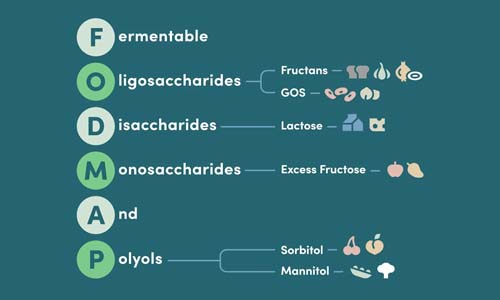
For individuals managing Irritable Bowel Syndrome (IBS) or other digestive sensitivities, the fructans found in the bulbs of onions and garlic are a significant concern. Fructans are a type of FODMAP (Fermentable Oligosaccharides, Disaccharides, Monosaccharides, and Polyols) that can cause digestive distress by fermenting in the gut. This means that the bulbs of most onion and garlic varieties are high in FODMAPs and are typically avoided on a low FODMAP diet. The scientific reason for this avoidance is the fermentation process that occurs when these carbohydrates are not fully absorbed in the small intestine, leading to gas, bloating, and discomfort for sensitive individuals. This is a primary reason many seek alternatives to traditional onion and garlic flavors.
However, not all parts of the onion and garlic plant are high in FODMAPs. Fortunately, the green tops of scallions (green onions) and leeks, as well as chives, are generally considered low in FODMAPs and can be safely incorporated into meals to add an allium-like flavor. These parts contain significantly lower levels of fructans compared to the bulbs. Garlic scapes, the flower stalks of hardneck garlic, also offer a milder garlic flavor and are typically low in FODMAPs. This distinction is critical for those looking to enjoy the taste of these beloved ingredients without triggering digestive symptoms, paving the way for clever substitutions and flavor layering in low FODMAP cooking.
| Allium Part | FODMAP Category | Notes |
|---|---|---|
| Onion Bulb (most varieties) | High FODMAP (Fructans) | Triggers digestive symptoms for many; avoid on low FODMAP diet. |
| Garlic Bulb | High FODMAP (Fructans) | Contains high levels of fructans; avoid on low FODMAP diet. |
| Green Onion Tops (Scallion Greens) | Low FODMAP | Safe to use for flavor; contains minimal fructans. |
| Leek Greens | Low FODMAP | Edible green parts are safe; avoid white/light green bulb. |
| Chives | Low FODMAP | A safe herb with mild oniony flavor. |
| Garlic Scapes | Low FODMAP | Flower stalks of hardneck garlic; offer mild garlic flavor. |
| Garlic-Infused Oil (using garlic cloves) | Low FODMAP | FODMAPs are water-soluble, not oil-soluble; safe if cloves are removed. |
Why Onions and Garlic Cause Digestive Distress for Many People
For a significant portion of the population, the very ingredients that create culinary magic. Onions and garlic. Can unfortunately lead to uncomfortable digestive symptoms. This common issue is primarily rooted in the unique carbohydrate composition of these alliums. While they offer unparalleled flavor depth, their structure makes them challenging for some individuals to digest, leading to a cascade of gastrointestinal discomfort. Understanding the underlying reasons is key to finding enjoyable alternatives and reclaiming confident cooking, especially for those navigating sensitive digestive systems. This section explores the science behind this intolerance and touches upon cultural perspectives that also guide avoidance.
The FODMAP Connection: Fructans and Fermentation
The primary culprit behind digestive distress from onions and garlic is their high content of fructans, a type of FODMAP. FODMAPs are short-chain carbohydrates that are poorly absorbed in the small intestine. When these fructans reach the large intestine, they are rapidly fermented by gut bacteria, producing gases like hydrogen and methane. This fermentation process is a natural occurrence, but for individuals with Irritable Bowel Syndrome (IBS) or other functional gut disorders, it can trigger symptoms such as bloating, abdominal pain, gas, and changes in bowel habits. The scientific reason for this sensitivity lies in the way the gut lining and the nervous system react to the increased gas and osmotic load created by these fermentable carbohydrates. Research, including studies focused on gut health, highlights fructans as a major trigger for many individuals experiencing digestive discomfort.
The bulb portion of onions and garlic is particularly rich in these fructans. For example, a mere quarter-cup of chopped onion can contain a significant amount of fructans, often exceeding the threshold that triggers symptoms for sensitive individuals. This is why many low FODMAP diets recommend strict avoidance of onion and garlic bulbs. The fermentation process not only causes physical discomfort but can also contribute to a feeling of fullness and bloating. Understanding this connection is the first step in identifying suitable flavor alternatives that don't compromise digestive well-being, allowing for creative culinary solutions without the worry.
Ayurvedic and Religious Reasons for Avoidance (Jainism, Yogic Diets)
Beyond the scientific explanation of FODMAPs, there are also deeply rooted cultural and religious reasons why Mastering the preparation, storage, and utilization of alliums, whether the traditional bulb varieties or their low FODMAP counterparts, is key to unlocking consistent flavor in your kitchen. Many home cooks have developed techniques over years of practice, some passed down through generations. Understanding these methods, alongside the specific needs of low FODMAP alternatives, ensures you can achieve culinary excellence without digestive compromise. This section offers practical advice to refine your skills, whether you're tackling a classic French onion soup or crafting a delicate herb-infused oil. The sting of onion fumes is a common kitchen rite of passage. While some methods aim to mitigate this, like chilling the onion or cutting under running water, the most effective approach often lies in technique. A sharp knife is paramount; it severs the onion's cells cleanly, releasing fewer volatile compounds that irritate the eyes. Begin by slicing the onion in half vertically through the root. Then, make horizontal cuts, followed by vertical cuts, and finally, chop across the lines. This systematic approach not only minimizes tears but also ensures uniform pieces for even cooking. For garlic, a firm press with the side of your knife easily removes the skin, and then you can mince or chop to your desired consistency. These fundamental knife skills apply whether you are preparing traditional onion and garlic for a recipe or prepping their low FODMAP alternatives like leek greens or chives. The transformation that heat brings to onions and garlic is profound, deepening their flavor profiles significantly. Caramelizing onions involves slow cooking at low to medium heat, coaxing out their natural sugars until they turn a rich, sweet brown. This process can take 30 minutes or more, demanding patience but rewarding you with unparalleled depth. Roasting garlic, on average, involves baking whole bulbs (often with the top sliced off and drizzled with oil) at around 400°F (204°C) until the cloves are soft, creamy, and mellow. For those following a low FODMAP diet, similar techniques can be applied to safe allium parts or their derivatives. For example, gently sautéing the green tops of scallions or leeks in a bit of infused oil can develop a softened, sweeter flavor. While not true caramelization, it builds a similar aromatic base. Similarly, roasting garlic scapes offers a milder, less pungent garlic note compared to the bulb. A note on the science behind these transformations: cooking can alter the chemical compounds responsible for both flavor and digestive effects. For instance, research from the National Onion Association suggests that cooking onions can increase the bioavailability of beneficial antioxidants like quercetin. While direct studies on low FODMAP versions of these cooking methods are less extensive, the principle of heat breaking down complex compounds generally holds true, often making these ingredients more digestible and yielding a more complex flavor. Proper storage ensures the longevity and quality of your ingredients. Fresh onions, like yellow, white, or red varieties, do best in a cool, dry, dark place with good air circulation. Avoid storing them in plastic bags, as this traps moisture and can lead to spoilage. Potatoes and onions should also be stored separately, as they release gases that can cause each other to sprout or rot faster. Fresh garlic bulbs can be stored similarly to onions, in a cool, dry, well-ventilated spot. Once peeled or chopped, garlic should be refrigerated and used within a few days. For low FODMAP alternatives like fresh chives or green onion tops, they are best stored loosely wrapped in a damp paper towel inside a plastic bag in the refrigerator, much like fresh herbs, and used within a week. Shelf-stable options, such as Gourmend's Organic Garlic Chive Powder, offer convenience and extended longevity. Freeze-dried powders, when kept in a cool, dry place away from direct light and moisture, can retain their flavor and potency for many years, making them an excellent pantry staple for consistent flavor without spoilage concerns. To demonstrate the versatility of low FODMAP allium alternatives, consider a simple garlic scape pesto or a fresh chive oil. For a garlic scape pesto, you’ll need about a cup of chopped garlic scapes, a quarter cup of toasted nuts (like walnuts or pine nuts), a quarter cup of grated Parmesan cheese (optional, check FODMAP tolerance for hard cheeses), half a cup of olive oil, and lemon juice to taste. Blend all ingredients until smooth, adjusting oil for consistency. This makes a delightful sauce for pasta, bread, or grilled vegetables. Alternatively, create an aromatic chive oil by gently heating a cup of neutral oil (like grapeseed or avocado oil) with a generous bunch of fresh chives or the green tops of green onions, being careful not to fry them. Let it infuse for about 15-20 minutes over low heat, then strain. This flavorful oil can be drizzled over salads, soups, or roasted dishes, offering a subtle yet distinct allium essence. These preparations highlight how easily you can incorporate unique flavors into your cooking, even when avoiding traditional onion and garlic. Embracing low FODMAP substitutes like Organic Garlic Chive Powder, garlic scapes, and the green parts of leeks and green onions allows for creative culinary expression. These ingredients provide that sought-after aromatic depth, essential for building complex flavor profiles in dishes, without triggering digestive distress. By mastering simple preparation techniques and storage methods, you can ensure these potent flavorings are always at hand, transforming everyday meals into gourmet experiences. A cross between an onion and garlic is known as a shallot. While shallots are botanically a distinct species, their flavor is a subtle blend of both alliums. They are lower in some FODMAPs than standard onions, but still contain moderate levels, so those with IBS should consume carefully. Garlic may have mild anti-inflammatory effects that could theoretically help with nerve pain, but clinical evidence is limited. Do not rely on garlic as a treatment for nerve pain. Always consult a healthcare provider for proper management of chronic pain conditions. Garlic contains allicin, which has antibacterial properties that may help reduce pimple-causing bacteria. However, applying raw garlic directly to skin can cause irritation or burns. For acne, it is safer to use formulations designed for topical use or consult a dermatologist. Garlic bulbs are high in FODMAPs and often trigger IBS symptoms like bloating and gas. Low FODMAP alternatives such as garlic scapes or garlic chive powder provide similar flavor without the digestive distress. Products like Gourmend's low FODMAP seasonings use these gentler ingredients so you can enjoy garlic taste safely. People avoid alliums like onions and garlic mainly because of digestive sensitivities, especially for those with IBS following a low FODMAP diet. Others avoid them for religious reasons, such as in Jainism or certain Buddhist practices, or due to personal taste preferences. Sautéing onions and garlic together gently is ideal because it increases the bioavailability of beneficial compounds like quercetin while developing flavor. Avoid overcooking at very high heat, as that can degrade some sulfur compounds. Light cooking or using them raw in moderation offers the most antioxidant benefits.How to Prepare, Store, and Use Onions and Garlic (or Their Substitutes)
Knife Skills: Chopping Without Tears
Caramelizing Onions and Roasting Garlic (and Their Low FODMAP Versions)
Storage Tips for Fresh Alliums and Shelf-Stable Alternatives
A Quick Recipe: Garlic Scape Pesto or Chive Oil
Key Insight: Flavor Without the Fuss
 Organic Garlic Chive PowderGarlic flavor from freeze-dried organic garlic chives, without the garlic bulb.Shop now
References
Frequently Asked Questions
What is a cross between an onion and garlic called?
Can garlic help with nerve pain?
Is garlic beneficial for pimples?
Can you eat garlic with IBS?
Why do people avoid alliums?
What are the best cooking methods for onions and garlic to preserve health benefits?