


Olive Oil and IBS: A Guide to Gut-Friendly Fats

Olive oil and ibs
Navigating the world of cooking oils with Irritable Bowel Syndrome (IBS) can feel like walking a tightrope. You want to enjoy delicious, home-cooked meals, but the fear of triggering unpleasant digestive symptoms often looms large. For many, olive oil, a staple in healthy eating, raises questions: Is it safe for an IBS-friendly diet? Can this flavorful fat actually support gut health, or is it best avoided? We understand this confusion, and as a brand born from a personal journey with IBS, Gourmend Foods is here to offer clarity. We help you find olive oil and IBS-friendly solutions.
Key Takeaways
- Olive oil is generally well tolerated by people with IBS and can be a flavorful addition to a gut-friendly diet.
- Choosing a high quality, pure olive oil helps you avoid additives that might trigger digestive symptoms.
- Gourmend Foods was founded from firsthand experience with IBS to help you enjoy rich flavors without the worry.
- You can confidently use olive oil for cooking and dressing meals while keeping your digestive comfort in mind.
Our mission is to empower you to cook with confidence, savoring every bite without digestive distress. We believe in the power of science-based guidance and clean ingredients to improve your relationship with food. Let's dive into the specifics of olive oil and IBS, exploring how it fits into a gentler, more enjoyable way of eating.
For most individuals managing IBS, olive oil is considered safe and beneficial, particularly when consumed in appropriate amounts. Its low FODMAP status and healthy fat profile make it a valuable addition to a gut-friendly kitchen.
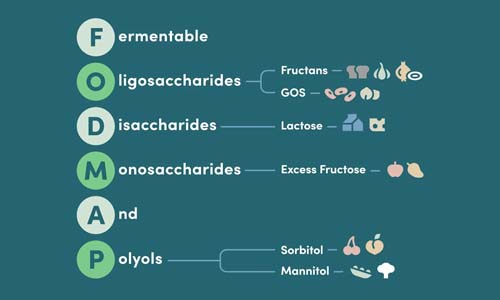
The primary concern for many with IBS revolves around FODMAPs. Short-chain carbohydrates that can ferment in the gut and cause symptoms. Olive oil, in its pure form, contains virtually no carbohydrates. This means it is naturally low in FODMAPs and does not contribute to the fermentable load in the digestive system. Registered dietitian Kirsten Jackson, from The IBS Dietitian, confirms that olive oil is 100% low FODMAP because it contains no carbohydrates that can be fermented by gut bacteria. This makes it a go-to choice for flavor and cooking when you're aiming to keep FODMAPs in check.
Extra Virgin Olive Oil and FODMAPs
When we talk about olive oil, Extra Virgin Olive Oil (EVOO) often stands out due to its quality and potential health benefits. Fortunately, EVOO also aligns perfectly with a low FODMAP approach. Its designation as "extra virgin" refers to the method of extraction, indicating it's made from pure olives using mechanical or physical means, without the use of heat or chemicals. This process preserves its natural compounds, including beneficial antioxidants and polyphenols, without adding any FODMAP triggers. So, when considering is extra virgin olive oil good for IBS, the answer is a resounding yes, provided it's enjoyed in moderation as part of a balanced diet.
The 1 Tablespoon Rule
While olive oil is low FODMAP, a crucial aspect of managing IBS is understanding serving sizes. High fat intake, regardless of the fat type, can sometimes trigger symptoms in individuals with IBS, particularly those experiencing diarrhea (IBS-D). The general guideline often cited by experts like The IBS Dietitian is to limit high-fat meals or servings of oil to about 1 tablespoon per meal. This recommendation isn't due to FODMAPs but rather the physiological response to fat, which can stimulate the release of cholecystokinin (CCK). For some, a large amount of CCK can accelerate gut transit time, leading to discomfort or urgency.
This "1 tablespoon rule" is a practical way to enjoy the flavor and texture olive oil brings to your dishes without overwhelming your digestive system. It's about mindful consumption, ensuring that your meals are both delicious and comfortable. Remember, individual tolerance varies, so observing your own body's response is key to finding your personal sweet spot.
Source: Monash University Low FODMAP Diet App, The IBS Dietitian
How Olive Oil Supports Gut Function and Motility
Beyond simply being a low FODMAP choice, olive oil offers several physiological benefits that can actively support gut function and help manage specific IBS symptoms. Its unique composition contributes to smoother digestion and can even offer anti-inflammatory properties, making it more than just a neutral cooking fat.
Managing Constipation (IBS-C) with Healthy Fats
For those struggling with IBS-C, where constipation is the primary concern, healthy fats like those found in olive oil can be a welcome ally. Dietary fats, including olive oil, can help stimulate bile flow and promote bowel regularity. Bile acids help to lubricate the intestines, making it easier for stool to pass. Furthermore, a study summarized by Examine.com highlighted that a Mediterranean diet, which is rich in Extra Virgin Olive Oil, led to a significant reduction in IBS symptom severity. By incorporating moderate amounts of olive oil, you can contribute to a more fluid and comfortable digestive process, potentially easing the discomfort associated with constipation.
Polyphenols and Gut Inflammation
Extra Virgin Olive Oil is celebrated for its rich polyphenol content. These powerful antioxidants are not only beneficial for overall health but also play a role in gut health. Research, including studies indexed on PubMed, indicates that the over 30 phenolic compounds found in EVOO possess anti-inflammatory properties. For individuals with IBS, reducing gut inflammation can be a significant step toward symptom relief. By choosing EVOO and incorporating it into your cooking, you're not just adding flavor; you're also introducing compounds that may help calm an irritated digestive system and support a healthier gut lining.
Oleic Acid: The Secret to Smooth Digestion
A significant component of olive oil is oleic acid, a monounsaturated fatty acid. Oleic acid is known for its ability to promote smooth intestinal transit. Unlike some other fats or carbohydrates that can cause rapid fermentation or irritation, oleic acid helps to maintain the suppleness of the gut lining and supports the natural peristaltic movements that move food through the digestive tract. This can be particularly helpful for individuals experiencing slow transit times or the general discomfort associated with sluggish digestion. When considering which oil is good for IBS, the presence of oleic acid makes olive oil a standout choice for promoting a gentler digestive experience.
Pro Tip: To maximize the benefits of olive oil and minimize potential triggers, consider infusing your olive oil with garlic or onion flavors using a cold-infusion method. Simply submerge whole, unpeeled garlic cloves or onion skins in olive oil and let them steep for several days. This extracts the flavor without extracting the high-FODMAP compounds, allowing you to enjoy garlic and onion notes safely. Our Gourmend Garlic Scape Powder offers a similar flavor profile without any FODMAPs, providing an easy way to add depth.
When 'Healthy' Fats Cause Friction: Managing Fat as a Trigger

While olive oil is a celebrated low FODMAP choice and offers numerous benefits, it's important to acknowledge that for some individuals with IBS, even healthy fats can contribute to symptoms. This isn't always about FODMAPs themselves, but rather how the digestive system processes a larger fat load. Understanding these nuances is key to finding a comfortable balance in your diet, moving beyond simple ingredient lists to a more personalized approach to gut health.
The Role of Cholecystokinin (CCK) in IBS-D
When you consume fat, your body releases a hormone called cholecystokinin (CCK). CCK plays several roles, including signaling your brain that you're full and stimulating the release of digestive enzymes. In individuals with IBS, particularly those experiencing diarrhea (IBS-D), the release of CCK can sometimes be more sensitive. A larger intake of fat, even from low FODMAP sources like olive oil, can lead to a more significant CCK release. This can, in turn, accelerate the movement of food through the digestive tract, potentially leading to cramping, urgency, or diarrhea. This mechanism highlights why even a "safe" food can become problematic when consumed in larger quantities, a common experience for those managing IBS.
Distinguishing Between FODMAPs and Fat Sensitivity
It's essential to differentiate between a FODMAP trigger and fat sensitivity. FODMAPs are specific types of carbohydrates that ferment in the gut. Fat, on the other hand, is a macronutrient. While pure olive oil contains no fermentable carbohydrates (making it low FODMAP), its fat content can still influence gut motility. For instance, a high-fat meal might stimulate bowel movements more rapidly than a low-fat meal, irrespective of FODMAPs. Recognizing whether your symptoms are related to carbohydrate fermentation or the physiological effects of fat is a critical step in tailoring your diet effectively. This distinction is where personalized observation becomes paramount, moving beyond general guidelines.
Finding Your Personal Tolerance Threshold
The journey with IBS is deeply personal, and one of the most important discoveries is finding your individual tolerance threshold for various foods and food components, including fats. While experts like The IBS Dietitian suggest around 1 tablespoon of oil per meal as a general guideline for managing fat intake, your body may respond differently. Experimenting with smaller amounts of olive oil and gradually increasing them, while paying close attention to any digestive signals, can help you pinpoint what feels good for your system. This careful observation is the foundation for building a sustainable and enjoyable diet that supports your well-being and allows you to savor delicious meals without undue worry.
Your IBS Symptom Checklist: Fat Intake
- Do you experience increased urgency or diarrhea after meals high in fat, even if they are low FODMAP?
- Do you notice cramping or bloating that seems linked to the total amount of fat consumed, rather than specific ingredients?
- Does a serving of 1 tablespoon of olive oil cause discomfort, or do you find you tolerate more or less?
- Have you noticed a difference in symptoms when consuming fats from different sources (e.g., olive oil vs. avocado)?
- Are your symptoms more pronounced after eating fried foods or rich, fatty dishes?
Reflecting on these questions can offer valuable insights into your personal fat sensitivity and help guide your dietary choices.
The Gut-Friendly Pantry: Comparing Cooking Oils
Building a diverse and flavorful pantry while managing IBS can feel like a challenge, especially cooking oils. While olive oil is a fantastic staple, exploring other options can add variety and ensure you have the right fat for every culinary need. Understanding the FODMAP status and digestive impact of different oils empowers you to make informed choices that align with your gut health goals.
Olive Oil vs. Coconut and Avocado Oils
When comparing healthy fats, olive oil, coconut oil, and avocado oil often come up. Olive oil, as we've discussed, is low FODMAP and rich in monounsaturated fats and polyphenols. Coconut oil is also considered low FODMAP in moderate servings, though some individuals with IBS-D report that its high medium-chain triglyceride (MCT) content can sometimes exacerbate diarrhea. Avocado oil is another excellent choice; it's primarily monounsaturated fat, similar to olive oil, and is also low FODMAP. All three can be incorporated into a low FODMAP diet, with individual tolerance being the guiding factor. For general cooking and health benefits, extra virgin olive oil and avocado oil are often preferred for their nutrient profiles and flavor.
Seed Oils: Sunflower and Sesame in an IBS Diet
Sunflower oil and sesame oil are common cooking oils, but their suitability for an IBS diet requires careful consideration. Standard sunflower oil is generally considered low FODMAP. However, it's primarily polyunsaturated fat, which can be less stable at high heat compared to monounsaturated fats. Sesame oil is also low FODMAP in typical serving sizes. Both can be used in moderation. while these oils are low in FODMAPs, they may not offer the same anti-inflammatory benefits as extra virgin olive oil. When exploring sunflower oil and IBS or sesame oil and IBS, focus on quality and moderation, and observe your personal digestive response.
The Garlic-Infusion Loophole for Flavor Seekers
Many of us love the taste of garlic and onion, but their high FODMAP content can be a significant challenge. Fortunately, there's a clever way to capture their delicious essence without the digestive distress: infused oils. By steeping garlic cloves or onion skins (the outer layers) in oil over a period of time, you extract the aromatic compounds responsible for flavor, while leaving the high-FODMAP fructans behind in the solids. This creates a garlic or onion-infused oil that is low FODMAP and safe to use. This technique is a real difference for adding depth to dishes. For an even easier and more reliable way to get that savory, allium-like flavor without any FODMAPs, consider our Gourmend Green Onion Powder and Garlic Scape Powder, crafted to provide gourmet taste that’s gentle on your gut.
| Oil Type | FODMAP Status | Primary Fat Type | Key Benefits for IBS | Considerations |
|---|---|---|---|---|
| Extra Virgin Olive Oil | Low FODMAP | Monounsaturated (Oleic Acid) | Polyphenols (anti-inflammatory), smooth motility, delicious flavor | Limit to ~1 tbsp per meal for sensitive individuals |
| Avocado Oil | Low FODMAP | Monounsaturated | High smoke point, neutral flavor, good for cooking | Rich in healthy fats; monitor portion size |
| Coconut Oil | Low FODMAP (moderate serving) | Saturated (MCTs) | Adds rich flavor, unique texture | May worsen diarrhea in some due to MCT content; monitor tolerance |
| Sunflower Oil | Low FODMAP | Polyunsaturated | Versatile, readily available | Lower smoke point than avocado or olive oil for some types |
| Sesame Oil | Low FODMAP (moderate serving) | Polyunsaturated & Monounsaturated | Distinct nutty flavor, good for dressings/finishing | Strong flavor, best used as a finishing oil |
Beyond the Bottle: Green Olives and the Mediterranean Approach
While olive oil is a cornerstone of many healthy diets, the journey into gut-friendly fats doesn't stop there. Whole olives, particularly green olives, offer a distinct culinary experience and a direct connection to the principles of the Mediterranean diet, renowned for its health benefits. For those navigating IBS, understanding how these briny gems fit into a low FODMAP lifestyle can open up new avenues for flavor and enjoyment. We're exploring how green olives, when chosen mindfully, can be a delightful addition to your plate, complementing a diet focused on delicious first, gentle always. Enjoying them can be part of a broader strategy for managing green olives and IBS.
Are Green Olives Low FODMAP?
The question of whether green olives are suitable for a low FODMAP diet is a common one, and the answer is a positive one, with specific serving size recommendations. According to Monash University, the leading authority on low FODMAP research, green olives are indeed low FODMAP. This designation is based on their carbohydrate content, which, when consumed within a defined serving size, does not typically trigger IBS symptoms related to FODMAP fermentation. A safe serving size for green olives is generally considered to be up to 15 olives (approximately 45 grams). This portion size ensures that any naturally occurring FODMAPs are well below the threshold that causes gut distress for most individuals following a low FODMAP plan.
This guideline is incredibly helpful for those looking to incorporate more whole foods into their diet. It means you can enjoy the unique, slightly bitter, and salty flavor of green olives in salads, as a snack, or as a flavorful addition to cooked dishes without the worry of FODMAP overload. When considering green olives and IBS, remember that moderation is key, just as it is with olive oil. Adhering to the recommended serving size allows you to savor their taste while keeping your digestive system happy.
Fermentation and Probiotic Potential
Many olives, especially those found in brine, undergo a fermentation process. This natural transformation is not only crucial for preserving the olives and developing their characteristic flavor but can also introduce beneficial compounds. Fermentation can sometimes increase the bioavailability of nutrients and, in certain cases, introduce or cultivate probiotics. The beneficial bacteria that support gut health. While not all fermented foods are high in FODMAPs, and the fermentation process for olives typically results in a low FODMAP product, the presence of these beneficial microbes is an exciting prospect for gut health. A healthy and diverse microbiome is increasingly linked to better digestion and overall well-being.
The brine-cured nature of many green olives means they can contribute to a more diverse gut microbiome. A healthy and diverse microbiome is increasingly linked to better digestion and overall well-being. While the probiotic content in commercially brined olives can vary and may not be as concentrated as in foods specifically cultured for probiotics, the fermentation process itself is a positive indicator. This aspect adds another layer to why green olives can be more than just a tasty garnish; they may offer a subtle, yet valuable, contribution to digestive wellness, aligning with the broader goals of managing IBS through diet.
Building a Mediterranean Plate Without Garlic or Onions
The Mediterranean diet is celebrated for its emphasis on fresh vegetables, healthy fats, lean proteins, and whole grains. However, a significant challenge for many with IBS is that traditional Mediterranean recipes often rely heavily on garlic and onions for flavor. The good news is that it's entirely possible to create authentic, delicious Mediterranean-inspired meals that are completely low FODMAP. The key lies in smart ingredient swaps and leveraging naturally flavored ingredients.
To build a gut-friendly Mediterranean plate, start with a base of lean protein, such as grilled chicken or fish, or plant-based options like lentils or chickpeas (in low FODMAP servings). Add a generous portion of low FODMAP vegetables like bell peppers, zucchini, tomatoes, cucumbers, and leafy greens. Olives, in their recommended serving size of up to 15, add a salty, savory punch. For dressings and sauces, use Extra Virgin Olive Oil liberally, seasoned with fresh herbs like oregano, basil, rosemary, and thyme. Lemon juice provides brightness, and a touch of salt can elevate flavors. For that allium-like depth without the FODMAPs, consider using the outer green parts of scallions or leeks (which are low FODMAP) or our Gourmend Green Onion Powder and Garlic Scape Powder. This approach ensures you don't have to miss out on the delicious, healthy patterns of the Mediterranean way of eating.
Mediterranean Meal Idea: Lemon Herb Baked Cod with Olives
Ingredients:
- 1 cod fillet (approx. 6 oz)
- 1 tbsp Extra Virgin Olive Oil
- 1 tsp dried oregano
- 1 tsp dried dill
- Juice of 1/2 lemon
- 10-12 green olives, pitted and halved
- Salt and black pepper to taste
- Fresh parsley, chopped, for garnish
Instructions:
- Preheat oven to 400°F (200°C).
- Place the cod fillet in a small baking dish. Drizzle with olive oil and lemon juice.
- Season with salt, pepper, oregano, and dill.
- Arrange the halved green olives around the fish.
- Bake for 12-15 minutes, or until the fish is opaque and flakes easily with a fork.
- Garnish with fresh parsley before serving. Enjoy with a side of roasted low FODMAP vegetables like zucchini and bell peppers.
References
Frequently Asked Questions
What is the best oil for IBS?
Olive oil is often considered one of the best oils for IBS because it is naturally low FODMAP and rich in healthy monounsaturated fats. Its anti-inflammatory polyphenols can also support gut health. However, individual tolerance varies, so start with small amounts like 1 tablespoon per meal.
Is olive oil good for the bowels?
Yes, olive oil is good for the bowels, especially for those with IBS-C. The healthy fats in olive oil can stimulate bile flow and lubricate the intestines, promoting regularity. The oleic acid in olive oil also supports smooth intestinal transit.
Can olive oil cause bloating and gas?
Olive oil itself is low FODMAP and does not contain fermentable carbohydrates, so it is unlikely to cause bloating and gas directly. However, consuming large amounts of any fat can trigger digestive symptoms in some people with IBS. Stick to about 1 tablespoon per meal to be safe.
What happens when you take a spoonful of olive oil for 7 days?
Taking a spoonful of olive oil daily for 7 days may help with constipation by lubricating the digestive tract and stimulating bowel movements. The polyphenols in extra virgin olive oil can also provide anti-inflammatory benefits. But if you have IBS-D, high fat intake might worsen symptoms, so monitor your response.
Can I use olive oil if I have IBS?
Yes, you can use olive oil if you have IBS. It is 100% low FODMAP and safe for most people when used in moderation. The key is to limit servings to about 1 tablespoon per meal to avoid triggering symptoms from high fat intake. Extra virgin olive oil offers additional gut-friendly antioxidants.
How does olive oil support gut function in IBS?
Olive oil supports gut function in IBS by providing healthy fats that aid digestion and reduce inflammation. Its oleic acid promotes smooth intestinal transit, while polyphenols in extra virgin olive oil help calm gut inflammation. For IBS-C, it can relieve constipation by stimulating bile flow.