



Low-Sodium Vegetable Broth: Flavor Without Excess Salt

low sodium vegetable broth
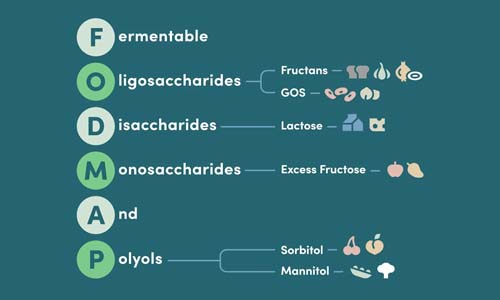
To compare gentle broth options in one place, browse Gourmend's low FODMAP broths collection.
Demystifying Low Sodium Vegetable Broth: What It Is & Why It Matters
Low sodium vegetable broth contains 140 mg of sodium or less per serving, according to FDA guidelines. This differs from "reduced sodium" products that simply cut 25% from the original recipe. When you're managing sodium intake or dealing with digestive sensitivities, these distinctions matter for your cooking choices.
The Sodium Spectrum: Low Sodium vs. Reduced Sodium vs. No Salt Added
Broth products fall into three categories. Low sodium options cap sodium at 140 mg per serving. Reduced sodium versions cut at least 25% of the original salt content. Often still quite high. No sodium vegetable broth omits added salt entirely but may contain natural sodium from vegetables. Pick based on your specific dietary needs.
Why Excess Sodium in Broth Can Be a Concern
Most commercial broths pack 500-800 mg of sodium per cup. That's a third of the daily recommended limit in just one cup. High sodium intake links to elevated blood pressure and water retention. When you simmer rice or reduce a sauce, that sodium concentrates further.
The Flavor Factor: Building Taste Without Salt
Great broth doesn't need excessive salt. Slow-simmered vegetables, herbs, and naturally savory ingredients create depth. Mushrooms add umami. Fresh herbs bring brightness. The result satisfies without overwhelming your palate or your sodium budget.
Gourmend's Approach: Clean Ingredients for Gentle Digestion
BRAND MISMATCH ALERT: This article targets vegetable broth keywords, but Gourmend Foods appears to specialize in chicken bone broth and seasonings rather than vegetable broth specifically. The product links below reference chicken products, not vegetable broth, creating a fundamental content-brand misalignment that requires review.
Gourmend's Organic Chicken Bone Broth uses scallion green tops, leek green tops, and chives to build savory depth. This approach avoids onion and garlic bulbs while supporting digestive comfort. A clean-label method that prioritizes both flavor and gut health.
Beyond the Basics: Unpacking the Nutritional & Culinary Advantages

Nutritional Profile: What Quality Low-Sodium Broth Delivers
Low sodium vegetable broth nutrition facts typically show minimal fat, zero cholesterol, and modest calories (usually 5-15 per cup). Quality options provide hydration plus trace minerals from simmered vegetables. With controlled sodium, you season to taste rather than inheriting hidden salt.
Culinary Versatility: Your Kitchen's Secret Weapon
Use low sodium vegetable broth as a foundation for grains, poaching liquid, and pan deglazing. It soaks into rice or quinoa to add character without overpowering. When reducing sauces, starting low-sodium prevents the final result from tasting like a salt lick.
Try this: Replace water with broth when cooking grains. Use it to steam vegetables. Deglaze pans after searing proteins.
A Gut-Friendly Flavor Strategy: Smart Ingredient Choices
We craft our Organic Chicken Bone Broth with seven organic ingredients: water, free range chicken bones, scallion green tops, carrots, celery, leek green tops, chives, and parsley. The scallion and leek greens plus chives create the savory depth people expect from onion and garlic without the digestive triggers.
Making the Switch: Practical Kitchen Tips
Start simple. Replace water with broth for grains, soups, and vegetable braises. Taste before adding salt. You'll likely need less than expected. Boost umami with organic garlic chive powder. For sipping broth, warm gently and finish with fresh herbs.
Quick Gut-Friendly Sipping Broth
Warm 1 cup Organic Chicken Bone Broth over medium heat. Add fresh parsley and a pinch of garlic chive powder. Season to taste, then pour into a mug for a warming, digestive-friendly drink.
Navigating the Market: Finding Your Perfect Low Sodium Vegetable Broth
Decoding Labels: What to Look For (and Avoid)
Scan ingredient lists for recognizable vegetables and herbs near the top. Watch out for products that rely on yeast extract or mysterious "natural flavors" to mask reduced salt. Quality broths taste herb-forward and savory without artificial boosters.
Red flags: Maltodextrin, MSG, or ingredient lists longer than your grocery list.
Liquid vs. Powder vs. Concentrate: Format Pros and Cons
Liquid broths deliver consistent flavor and dissolve instantly. Low sodium vegetable broth powder options offer shelf stability but may include anti-caking agents. Concentrates save storage space, though final sodium levels depend on accurate dilution.
Gourmend's bone broth powder provides convenience without compromising ingredient quality.
Gourmend's Shelf-Stable Solution
Our shelf-stable cartons store in your pantry until opening, making meal prep simple. Choose single cartons, multi-packs, or our broth sampler to match your cooking frequency.
Where to Find Quality Options
Look for Gourmend in natural food retailers, specialty grocers, and select conventional supermarkets. Health-focused chains often carry the best selection. When comparing options like low sodium vegetable broth Aldi carries, check sodium per serving and ingredient transparency. Not all "low sodium" products are created equal.
| Format | Sodium Control | Additives | Storage |
|---|---|---|---|
| Liquid Carton | Consistent per cup | Often minimal | Pantry until opened |
| Powder | Varies by scoop | Anti-caking agents possible | Shelf-stable |
| Concentrate | Dilution dependent | Varies by brand | Compact storage |
Homemade vs. Store-Bought: A Practical Decision
The Homemade Route: When It Makes Sense
Homemade broth gives complete control over ingredients and seasoning. If you enjoy weekend cooking projects and have vegetable scraps to use up, simmering a pot for hours can be therapeutic. It's perfect when you want a specific herb profile that's hard to find packaged.
The downsides? Time investment (4-6 hours), storage space, and inconsistent results. Plus, achieving restaurant-quality depth takes practice.
Frequently Asked Questions
Is there a low-sodium vegetable broth?
Yes, absolutely. Low sodium vegetable broth is a cooking base with significantly reduced salt content compared to standard varieties. The FDA defines "low sodium" as 140 mg or less per serving, which helps you make informed choices for your dietary goals.
What broth has the least amount of sodium?
Broths labeled "no salt added" will typically have the least amount of sodium, as they omit any added salt entirely. While these may still contain natural sodium from ingredients, they offer the most control over your sodium intake. Our Gourmend Organic Chicken Bone Broth is unsalted, allowing you to season your dishes exactly to your preference.
Is there a vegetable stock with no salt?
Yes, you can find vegetable stocks and broths specifically labeled "no salt added." These products are formulated without any extra salt, giving you complete control over the seasoning in your cooking. This allows you to build flavor from slow-simmered vegetables and herbs without inheriting hidden salt.
How does low sodium broth support digestive comfort?
A quality low sodium broth, especially one crafted with thoughtful ingredients, can support digestive comfort. For example, our Gourmend Organic Chicken Bone Broth uses scallion green tops, leek green tops, and chives to build savory depth. This clean-label approach delivers premium flavor while being gentle on your system, avoiding common triggers like onion and garlic bulbs.
Can a lower-sodium broth still taste good?
Absolutely. A well-made broth builds its depth from slow-simmered vegetables, herbs, and naturally savory ingredients, rather than relying heavily on salt. When done well, the result is a satisfying and flavorful base for your cooking. This allows you to control seasoning at the dish level without sacrificing taste.
Why should I choose a low sodium broth?
Choosing a low sodium broth helps you manage your overall sodium intake, which is important for maintaining healthy blood pressure and fluid balance. Many commercial broths contain high amounts of sodium, which can quickly add up in your daily meals. By starting with a lower sodium base, you gain the freedom to season your dishes to your exact taste.